
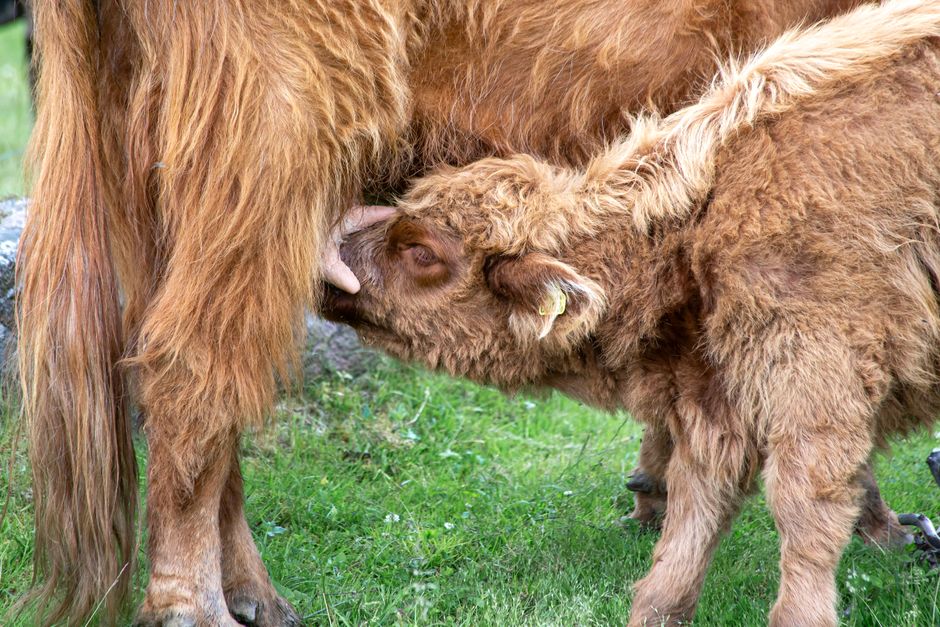
Introduction to Highland Cow Nutrition
Highland cows, renowned for their long, thick coats and hardy nature, originate from the Scottish Highlands where they adapted to rough terrain and limited forage. Their diet plays a crucial role in maintaining their health, productivity, and unique ability to thrive in challenging environments. Unlike commercial beef breeds, Highland cattle require a balanced feeding strategy that respects their natural foraging habits while meeting their nutritional needs throughout the year.
These cattle have evolved to make efficient use of sparse and low-quality vegetation, enabling them to survive in areas where other breeds might struggle. Their slower growth rates and lower metabolic demands allow them to thrive on forage that would be insufficient for more intensive beef breeds, but this also means that their nutritional management must be tailored carefully to avoid deficiencies or excesses. Additionally, Highland cows have a relatively long calving interval and extended lactation period compared to other breeds, which influences their nutrient requirements throughout different life stages.
Basic Nutritional Requirements for Highland Cows
Understanding what Highland cows need to eat starts with breaking down their fundamental dietary components:
- Energy: Primarily supplied by carbohydrates and fats to maintain body functions and support growth or lactation. Energy is measured in megajoules (MJ) and is vital for all bodily processes, including thermoregulation, especially crucial for Highland cattle in cold climates.
- Protein: Essential for muscle development, milk production, and overall maintenance. Protein quality, including the balance of essential amino acids, impacts the efficiency of use in growth and milk synthesis.
- Fiber: Necessary for proper rumen function and digestion. Adequate fiber stimulates chewing and saliva production, which buffers rumen pH and supports microbial populations.
- Vitamins and Minerals: Crucial for immune function, bone strength, and metabolic activities. Particular attention should be paid to trace minerals like selenium and copper, which are often deficient in upland soils typical of Highland territories.
- Water: Unlimited access to clean water is vital, as it affects feed intake and digestion. Water quality parameters such as temperature, cleanliness, and mineral content influence consumption levels.
Understanding these components in relation to the breed’s unique physiology and environment allows for optimized feeding strategies that maintain body condition, reproductive efficiency, and overall herd health.
Daily Energy and Protein Needs
An average adult Highland cow weighing about 600–700 kg requires approximately 10 to 12 megajoules (MJ) of digestible energy per day when maintenance feeding. This increases considerably during pregnancy and lactation. For example:
- A dry, non-pregnant cow might consume around 7–8 kg of dry matter per day, providing roughly 10 MJ of energy. This intake supports basal metabolism and minimal activity levels.
- A lactating cow producing 8–10 liters of milk daily needs about 14–16 MJ of energy and a protein intake of approximately 0.9–1.1 kg per day. Energy requirements can vary depending on milk yield and stage of lactation.
Protein requirements for maintenance are about 0.6 kg per day but can rise to nearly double for lactating cows. Notably, the quality of protein, expressed as metabolizable protein (MP), is critical since rumen microbes synthesize a large portion of the protein utilized, but sufficient bypass protein must be supplied to meet high-producing animals’ needs.
Research indicates that suboptimal protein intake during lactation can reduce milk yield by up to 15%, emphasizing the importance of balanced rations. Additionally, energy-protein ratios must be managed carefully, as excess energy without adequate protein can lead to inefficient weight gain and increased fat deposition.
Primary Components of a Highland Cow Diet
1. Grazing and Forage
Highland cows are excellent foragers, well-suited to rough pastures with a variety of grasses, shrubs, and herbs. Grazing forms the backbone of their diet and should provide the majority of daily nutrients, especially during the growing season.
- Pasture Quality: Ideally, pasture should include a mix of grasses such as perennial ryegrass, timothy, fescue, and clover species, which offer protein-rich forage. Including legumes like white clover can increase crude protein content to 18–22%, compared to typical grass pastures ranging from 10–15% protein.
- Grazing Management: Rotational grazing helps maintain pasture quality and prevents overgrazing, ensuring a steady supply of nutritious forage. Studies show that rotational systems can improve pasture utilization by up to 30% compared to continuous grazing.
- Quantity: Highland cows typically consume 2–3% of their body weight in dry matter daily. On a 650 kg cow, this equates to roughly 13–19.5 kg of fresh forage, depending on pasture moisture and fiber content. Intake fluctuates seasonally and with forage availability.
Highland cattle demonstrate a natural preference for a diverse range of plants, including woody shrubs and heather, which can contribute secondary compounds beneficial to health, such as tannins that may reduce internal parasite burdens. This dietary adaptability is an asset in upland environments but requires pasture management strategies that maintain biodiversity.
2. Hay and Silage
During winter or dry seasons, when pasture availability declines, high-quality hay or silage is essential to meet nutritional demands.
- Hay: Should be harvested from nutrient-rich grasses before flowering to retain protein. A typical feeding rate is 7–9 kg of dry matter per day. Hay harvested too late in the season can have crude protein levels below 8%, inadequate for lactating cows without supplementation.
- Silage: Fermented forage with higher moisture content is more palatable and digestible but depends on proper storage to prevent spoilage. Well-made silage typically contains 30–35% dry matter and maintains 12–14% crude protein if harvested at the optimal stage.
Both hay and silage should be free from mold and dust to avoid respiratory issues. Mold spores can cause chronic lung problems such as hypersensitivity pneumonitis, negatively impacting feed intake and performance. Testing forage quality through laboratory analysis helps adjust rations appropriately.
3. Concentrates and Supplements
While Highland cows generally thrive on forage alone, supplements are necessary in certain situations:

- Energy Supplements: Grains such as barley or oats can provide energy during late gestation or lactation but should not exceed 1.5–2 kg per day to avoid digestive upset. Excessive starch intake can lead to ruminal acidosis, impairing microbial fermentation and nutrient absorption.
- Protein Supplements: Legume hays or commercial protein concentrates may be required when forage quality is low. For example, soybean meal or rapeseed meal can be used to boost metabolizable protein supply effectively.
- Mineral Blocks: Salt and mineral blocks containing calcium, phosphorus, magnesium, and trace elements like selenium and copper are vital, especially where soil deficiencies exist. Copper deficiency is common in certain regions and can lead to anemia, poor growth, and reproductive issues.
Inclusion of vitamin supplements, particularly vitamins A, D, and E, may be necessary in areas with limited sunlight or during winter when forage quality declines. Regular blood testing and pasture analysis can guide supplement strategies.
Seasonal Feeding Considerations
Spring and Summer
During these months, lush pasture provides most nutrients. However, monitoring pasture growth and grazing pressure is important to avoid nutrient depletion.
- Supplement with mineral blocks and ensure water availability. Rapid pasture growth in spring often leads to high protein but low fiber forage, so balancing with adequate fiber sources or slowing intake is important to prevent digestive upsets.
- Introduce creep feeding for calves if rapid growth is desired. Creep feeding, typically starting at 2–3 weeks of age, can include high-protein pellets or grains to support early rumen development and weaning weights.
Additionally, during early spring, vitamin A supplementation might be necessary if cows have been on poor-quality winter forage, as reserves can be depleted.
Autumn
As grass growth slows, begin transitioning cows to hay or silage. This gradual change helps prevent digestive disturbances.
- Assess body condition scores (BCS) to adjust feeding rates ahead of winter. Maintaining a BCS of at least 2.5–3.0 ensures cows have sufficient energy reserves.
- Increase energy density through modest grain supplementation if necessary. For example, adding 0.5–1 kg of barley daily can compensate for declining pasture quality.
Autumn feeding also presents an opportunity to build mineral reserves ahead of winter, with increased attention to phosphorus and magnesium, as deficiencies during this time can contribute to grass tetany in spring.
Winter
Highland cows require a diet rich in fibrous forage like hay or silage to maintain body heat. Energy demands increase by up to 20% in cold weather.
- Provide 8–10 kg of good-quality hay daily. Feeding strategies emphasizing stemmy, fibrous hay minimize energy expenditure in rumination and facilitate heat production.
- Offer free access to mineral supplements. Winter forage is often deficient in trace minerals, making supplementation critical to maintain immune function.
- Monitor water sources to prevent freezing. Using heated water troughs or regularly breaking ice ensures consistent intake, as dehydration can reduce dry matter intake by up to 30%.
Winter housing, if provided, should allow access to feed and minimize cold stress, which can dramatically increase maintenance energy requirements. Windbreaks and bedding also contribute to maintaining body condition.
Feeding Guidelines by Life Stage and Purpose
| Life Stage | Average Body Weight (kg) | Dry Matter Intake (kg/day) | Energy Requirement (MJ/day) | Protein Requirement (kg/day) | Typical Feed Components |
|---|---|---|---|---|---|
| Dry Cow (Maintenance) | 600–700 | 7–9 | 10–12 | 0.5–0.6 | Pasture, hay, mineral block |
| Pregnant Cow (Last Trimester) | 650–750 | 8–10 | 12–14 | 0.6–0.7 | Pasture, hay, some grain, minerals |
| Lactating Cow | 650–750 | 9–12 | 14–16+ | 0.9–1.1 | High-quality pasture, hay, silage, grain supplement |
| Weaned Calf | 200–350 | 3–5 | 6–8 | 0.3–0.4 | Creep feed, pasture, hay |
It’s important to note that these values are averages; individual cows may vary based on genetics, production levels, and environmental conditions. Regular monitoring of body condition score (BCS) and weight can help fine-tune feeding programs.
Water: The Often Overlooked Nutrient
Water is critical to Highland cows’ digestion and thermoregulation. Cows drink an average of 40–60 liters per day depending on weather, diet, and lactation status. For example, a lactating cow producing 10 liters of milk can consume up to 80 liters daily. Water is necessary for rumen fermentation, nutrient transport, and maintaining blood volume.
Frozen water in winter or contaminated sources can severely reduce intake, leading to reduced feed consumption and weight loss. Providing fresh, clean water at all times is non-negotiable for optimal health. Water troughs should be cleaned regularly to prevent biofilm and bacterial buildup, which can deter drinking and pose health risks.
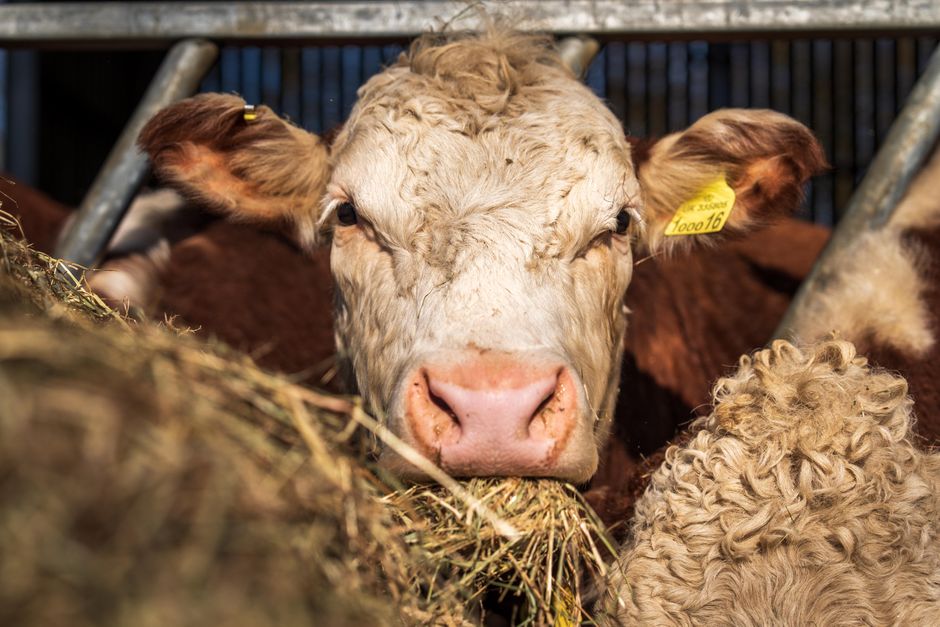
Water temperature influences intake; cows prefer water between 10–20°C. Automated waterers or insulated watering points can mitigate temperature extremes. Additionally, water with high mineral content, such as elevated sulfate or nitrate levels, can reduce palatability and cause health issues, so water quality testing is advisable in regions with naturally mineral-rich water sources.
Common Feeding Mistakes and How to Avoid Them
- Overfeeding concentrates: Highland cows are adapted to forage-based diets; excessive grain can cause acidosis and digestive upset. Symptoms include reduced appetite, diarrhea, and lameness. Gradual introduction and limiting grain to less than 2 kg per day can mitigate risks.
- Ignoring mineral deficiencies: Poor soil quality can lead to deficiencies in selenium, copper, or magnesium, causing health problems like white muscle disease or grass tetany. Supplementation strategies depend on local soil and forage analysis and may involve injectable minerals or boluses in addition to blocks.
- Inadequate forage quality: Feeding moldy or low-nutrient hay reduces palatability and nutrient intake. Animals may consume less, leading to energy deficits and poor condition. Regular testing for mycotoxins and nutrient content can guide feed choices.
- Poor transition feeding: Sudden diet changes can disrupt rumen microbes; gradual transitions over 7–10 days are recommended. This allows microbial populations to adapt, preventing digestive upsets and maximizing nutrient utilization.
Another frequent mistake is neglecting to monitor body condition and weight throughout the year, which can delay detection of nutritional problems. Utilizing simple tools such as BCS charts and weight tapes helps producers make timely feeding adjustments.
Feeding for Specific Goals
Improving Body Condition
Cows with a low body condition score (BCS below 2.5 on a 5-point scale) need energy-dense feed. Introduce high-quality legume hay, grain supplements (e.g., 1–2 kg rolled barley), and ensure access to minerals. Incorporating fat supplements such as protected fats or oilseeds can increase energy density without increasing feed volume. Research has shown that improving BCS pre-breeding enhances fertility and reduces calving intervals.
Preparing for Breeding
Optimal nutrition prior to and during breeding improves conception rates. A BCS around 3.0–3.5 is ideal. Focus on high-protein forage and energy-rich supplements without overfeeding concentrates. Providing balanced rumen degradable protein (RDP) supports reproductive hormone production, while adequate energy prevents negative energy balance that can impair ovulation.
Trace mineral supplementation, especially zinc and cobalt, has been linked to improved fertility and embryo development. Managing stress and maintaining consistent nutrition during the breeding season are also critical to success.
Lactation Support
Lactating cows require energy and protein to produce milk and maintain condition. Feeding 10–12 kg of dry matter per day with at least 12% crude protein content is recommended. Feeding frequency can be increased during peak lactation to enhance intake, and providing palatable, fresh forage encourages consumption.
Feeding strategies that include a small amount of starch-based concentrates can improve milk yield by up to 10%, but careful monitoring is necessary to avoid digestive disorders. Supplementation with rumen-protected amino acids has shown promise in enhancing milk protein content and yield in beef cows.
Post-weaning nutrition should focus on restoring body reserves, with gradual reduction of high-energy feeds.
Conclusion
Feeding Highland cows effectively means respecting their natural grazing habits while adjusting for seasonal changes and physiological stages. By providing high-quality forage, appropriate supplements, clean water, and mineral access, you can ensure your Highland herd remains healthy, productive, and true to their hardy heritage. Effective nutritional management contributes not only to the well-being of individual cows but also to the sustainability of extensive farming systems typical of the Scottish Highlands and similar environments worldwide.
Ultimately, tailored feeding programs that consider local forage availability, soil mineral profiles, and herd production goals will maximize the benefits of keeping Highland cattle. Continuous monitoring, forage analysis, and adjusting rations throughout the year are key to maintaining optimal health and productivity in this unique and resilient breed.