
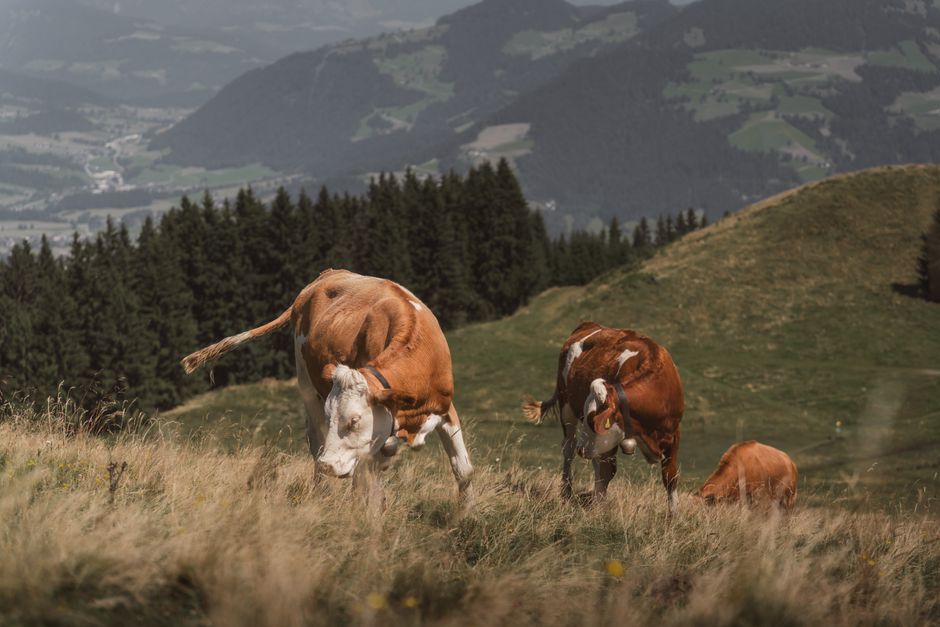
Introduction to Cow Ownership Costs
Owning a cow can be a rewarding endeavor, whether for dairy production, beef, or simply as a hobby farm animal. However, understanding the financial commitment involved is essential before bringing a cow home. The cost to own a cow per year varies widely depending on factors like breed, purpose, geographic location, feed sources, and veterinary care. This article provides a comprehensive, data-backed estimate of the annual expenses involved in cow ownership.
In addition to financial considerations, potential owners should also factor in time, labor, and the learning curve associated with proper cattle management. Beyond raw numbers, responsible cow ownership involves ongoing education about nutrition, breeding, animal welfare, and regulatory compliance. The following sections break down the core expenses in detail, giving a clearer picture of what it takes to successfully keep a cow.
Major Expense Categories in Cow Ownership
There are several key categories where costs accumulate. The main ones include:
- Purchase Price or Initial Investment
- Feed and Nutrition
- Housing and Fencing
- Healthcare and Veterinary Costs
- Utilities and Miscellaneous Expenses
- Labor and Maintenance
Each of these categories involves a range of variables that influence the final annual tally. Understanding each area in depth helps prospective cow owners plan budgets more accurately and avoid unexpected financial burdens.
Purchase Price: Initial Cost of a Cow
The upfront cost to buy a cow ranges significantly based on breed, age, and purpose. For example:
- A standard beef breed, like Angus or Hereford, typically costs between $800 to $1,500 per head for a yearling or two-year-old animal.
- Dairy breeds such as Holstein or Jersey cows may be more expensive, often $1,200 to $2,000, due to their milk production potential.
- Registered or show-quality animals can cost significantly more, sometimes exceeding $3,000.
Prices can also vary by region and the market demand for particular breeds or bloodlines. For instance, organic dairy operations may pay premiums for certified organic heifers with proven genetics. Similarly, cattle from top-performing herds with strong lineage commands higher prices.
For annual cost calculation, the initial purchase price is usually amortized over the productive life of the cow, typically 5-7 years for beef and 6-8 years for dairy cattle. However, it is important to consider depreciation based on health, productivity, and potential culling. For example, a dairy cow’s productive life may be shortened due to mastitis or reproductive issues, affecting amortization calculations.
Additionally, replacement costs should be factored in if the cow is expected to reproduce. Raising replacement heifers from calves or purchasing them can significantly impact long-term expenses.
Feed and Nutrition Costs
Feed is the largest ongoing expense in cow ownership. Cows are ruminants and require a constant supply of quality forage, supplemented with minerals and grains depending on their purpose.
Annual Feed Requirements
On average, an adult cow (1,100-1,300 lbs) consumes approximately:
- 25-30 pounds of dry matter (feed) per day
- Which translates to roughly 9,000 to 11,000 pounds of feed annually.
However, feed requirements can vary considerably based on factors such as lactation status, weather conditions, and activity level. For example, lactating dairy cows consume 20-30% more feed to support milk production, while beef cows in gestation may have increased nutritional needs during the last trimester.
Seasonal changes also affect feed consumption; cold weather increases metabolic demands, leading to higher feed intake to maintain body temperature. Conversely, during summer months, forage quality may decline, necessitating supplemental feeding to maintain condition.
Cost of Feed Components
| Feed Type | Annual Amount Needed | Average Cost (USD) | Notes |
|---|---|---|---|
| Hay (Grass or Alfalfa) | 6,000-7,000 lbs | $0.10 – $0.15 / lb | Depends on region and quality, higher quality alfalfa hay can fetch $0.18-$0.25/lb in some areas |
| Grain (Corn, Barley, Oats) | 1,000-1,500 lbs | $0.12 – $0.20 / lb | Used mainly for dairy or finishing beef. Costs fluctuate with commodity prices. |
| Mineral Supplements | 50-100 lbs | $1 – $2 per lb | Essential for health and productivity; custom mineral mixes may cost more. |
Feed costs are influenced heavily by market volatility. For example, drought conditions in major hay-producing regions can increase prices by 30-50% in a given year. Conversely, farmers who produce their own hay on-farm may reduce feed costs by 40-60%, though this requires land, equipment, and labor investment.
Example calculation: If a cow consumes 6,500 lbs of hay at $0.12/lb = $780; plus 1,200 lbs grain at $0.15/lb = $180; plus 75 lbs minerals at $1.50/lb = $112.50; total feed cost = approximately $1,072.50 per year. This could increase to over $1,500 in high-cost areas or for high-producing dairy cows.

Housing, Shelter, and Fencing Costs
Cows require protection from harsh weather and secure fencing to contain them. Costs here depend on existing infrastructure and farm size.
Types of Housing
- Shelters: Simple three-sided lean-tos or shade structures may cost $500-$1,500 to build, providing protection from wind, rain, and sun. These structures reduce stress and illness, improving overall animal welfare.
- Barns: Larger, fully enclosed barns add significantly more expense, often $5,000 and up, and provide better protection during extreme weather. They also facilitate easier feeding and milking operations on dairy farms.
In colder climates, insulated barns or windbreaks are essential to reduce feed consumption by sheltering cows from harsh winds and cold temperatures. Investment in bedding materials, such as straw or wood shavings, adds to maintenance costs but improves cow comfort and health.
Fencing Costs
Quality fencing is crucial to prevent escapes and predator attacks:
- Barbed wire fencing averages about $1.50 to $3.00 per linear foot installed. High-tensile wire fencing is a popular alternative, offering durability and reduced maintenance costs.
- Electric fencing is cheaper upfront (~$0.50 to $1.00 per foot) but requires ongoing electricity cost and periodic checks to maintain effectiveness.
- A typical pasture perimeter for one cow might be 1-2 acres, requiring 1,000-1,500 feet of fencing, costing between $1,000 and $3,000 initially.
Maintaining fences is an ongoing cost; repairs to damaged areas, replacement of posts, and vegetation control can add $50-$150 annually, depending on terrain and weather impact.
Annualized Housing and Fencing Cost
Assuming a $2,000 investment in fencing and shelter, amortized over 10 years, the annual cost would be around $200. However, regional building materials prices and labor costs may shift this figure. In some cases, grants or cost-sharing programs for agricultural fencing and shelter improvements can reduce out-of-pocket expenses.
Healthcare and Veterinary Expenses
Regular veterinary care is essential to maintain herd health, prevent disease, and manage emergencies. Preventative care reduces long-term costs and improves productivity.
Routine Care
- Annual vaccinations (e.g., clostridial vaccines) run ~$10-$20 per dose per cow. Common vaccines include those for blackleg, Bovine Viral Diarrhea (BVD), and leptospirosis.
- Deworming treatments cost approximately $5-$15 per treatment, typically administered two to three times a year depending on parasite load and grazing conditions.
- Hoof trimming, necessary to prevent lameness, costs about $30-$50 annually, but frequency may increase in wet or muddy environments.
In addition to these basics, dairy cows require regular reproductive health checks, including pregnancy diagnosis and mastitis monitoring, adding to ongoing veterinary expenses.
Unexpected Health Costs
Illness and injury can add up: a case of mastitis or respiratory infection might require veterinary visits and medication costing $100-$300 per incident. More severe emergencies such as dystocia (difficult calving) or traumatic injuries can run into the thousands.
Biosecurity measures, such as quarantine protocols and sanitation, also help mitigate contagious disease risks but may involve additional costs for disinfectants and equipment.
Estimated Annual Veterinary Budget
For a single cow, budgeting $150-$300 per year for routine and occasional care is realistic. Herd owners might find per-head costs decrease slightly with volume, but that’s not applicable to single-animal owners.
Investing in proper record-keeping of health treatments and vaccinations is recommended. It ensures compliance with regulations, helps track costs, and supports optimal animal management.
Utilities and Miscellaneous Costs
Additional expenditures include:

- Water supply: Well or municipal water usage, possibly $100-$200 annually depending on local rates. Water consumption can vary, but a mature cow drinks 10-20 gallons daily, more in hot weather or during lactation.
- Electricity: For electric fencing or lighting, averaging $100 per year. Solar-powered fencing systems can reduce electricity costs but have higher initial investment.
- Equipment and repairs: Tools, feeders, waterers, and maintenance can add $100-$300 per year. Feeding equipment may require periodic replacement due to weather wear or animal damage.
- Manure management: Handling and disposing of manure may involve additional labor or equipment rental costs, especially in confined housing systems.
Miscellaneous expenses sometimes include insurance, licenses, or permits depending on local agricultural regulations. These costs vary widely but are important to consider in comprehensive budgeting.
Labor and Time Investment
Though not a direct out-of-pocket cost, labor is a significant factor. Daily feeding, watering, health checks, and pasture management can easily take 30 minutes to 1 hour per day. For paid labor, this cost must be included.
Labor requirements increase during certain periods such as calving season, breeding, or vaccination rounds. Seasonal labor fluctuations can significantly impact time investment.
For hobby farmers managing a single cow, these tasks can be integrated into daily routines, but commercial operations may allocate labor costs ranging from $1,000 to $3,000 per cow per year depending on farm size and automation.
Additionally, knowledge acquisition through courses, extension services, or consulting professionals contributes indirectly to the time and financial investment in successful cow ownership.
Summary Table: Estimated Annual Cost to Own a Cow
| Expense Category | Estimated Annual Cost (USD) | Notes |
|---|---|---|
| Amortized Purchase Price | $200 – $400 | Based on $1,200 purchase over 6 years; varies by breed and quality |
| Feed (Hay, Grain, Minerals) | $900 – $1,500 | Varies with region, cow size, and production level; higher for dairy |
| Housing & Fencing (Amortized) | $150 – $300 | Assumes basic infrastructure; higher in extreme climates or larger farms |
| Veterinary & Health Care | $150 – $350 | Routine care plus occasional treatment; more for dairy cows |
| Utilities & Miscellaneous | $200 – $400 | Water, electricity, repairs, equipment, manure management |
Total Estimated Annual Cost Range: $1,600 to $2,950
This range reflects typical costs for owning one cow in a moderate-cost region. Costs at the higher end generally involve dairy cows or beef cattle in regions with expensive feed and infrastructure.
Additional Factors Influencing Costs
Several considerations can push costs higher or lower:
- Climate: Cold climates increase feed needs and shelter costs. For example, cows in northern states or Canada may require twice the amount of winter feed and insulated barns.
- Breed: Dairy cows generally require more feed and healthcare. Some breeds are more disease-resistant or hardy, influencing veterinary and feed costs.
- Purpose: Beef cattle raised for finishing may have higher grain costs due to feedlot-style finishing programs. Grass-fed systems reduce grain expenses but may require more land and longer finishing periods.
- Feed Source: On-farm hay production reduces feed expenses considerably but demands land, equipment, and labor investments. Conversely, reliance on purchased feed exposes owners to price volatility.
- Scale: Larger herds have economies of scale in healthcare and supplies, reducing per-head costs. Bulk purchasing of feed and vaccines also lowers expenses.
- Management Practices: Efficient pasture rotation, integrated pest management, and herd health protocols can reduce inputs and costs over time.
- Regulations and Certifications: Organic, grass-fed, or other certification programs may increase costs due to required practices but can also bring premium prices for products.
Understanding these contextual factors helps owners plan realistic budgets and optimize their management strategies.
Conclusion
Owning a cow comes with a substantial annual financial commitment, typically between $1,600 and $2,950 per year for one animal in a moderate-cost region. Prospective owners should carefully budget for feed, shelter, healthcare, and maintenance, as well as be prepared for unexpected expenses. While this may seem high, cows can provide valuable benefits, from milk and meat to farm sustainability and enjoyment.
Beyond monetary costs, the satisfaction of producing one’s own food, maintaining traditional farming skills, and contributing to local agriculture can make cow ownership deeply rewarding. Responsible owners who invest time in education, infrastructure, and proactive management will find that these expenses translate into healthier animals and better returns.
With proper planning and management, cow ownership can be both economically viable and deeply satisfying, providing a meaningful connection to the land and food systems.