

Understanding Your Goals: Why Choosing the Right Cow Matters
Before purchasing a cow, it’s essential to clarify why you want one. Are you interested in dairy production, beef, or a dual-purpose breed? Are you looking for a low-maintenance animal primarily for small-scale farming or homestead purposes? Identifying your goals early streamlines your breed selection and sets realistic expectations for care, costs, and output.
For example, if your primary goal is to produce fresh milk for your family, you will want a breed that offers consistent lactation, manageable milk volumes, and a temperament conducive to regular milking. Conversely, if your focus is on meat production, your emphasis shifts toward growth rates, feed efficiency, and carcass quality. Those who want a dual-purpose animal may prioritize breeds that provide moderate milk yields alongside respectable beef qualities, such as the Dexter or Milking Shorthorn.
Additionally, consider how much time and labor you are willing and able to invest. Dairy cows require daily milking routines and specialized diets, which can be time-intensive. Beef cattle, on the other hand, often have less day-to-day handling but may demand more emphasis on pasture management and seasonal supplements. Defining these priorities early on helps you avoid costly mistakes and frustration down the line.
Another important goal-related consideration is whether you want to breed your own stock or purchase animals ready for production. Some beginners desire the challenge and satisfaction of raising calves, while others prefer to start with mature animals. Your decision here affects breed selection since some breeds are known for easier calving and maternal instincts, which is especially important for novices.
Key Factors for Beginners to Consider
Several critical factors influence the choice of cow breed for first-time owners:
- Temperament: Friendly, docile cattle are easier to handle and less stressful for beginners.
- Size and Space Requirements: Larger breeds require more feed, space, and stronger fencing.
- Feed Efficiency and Maintenance Costs: Some breeds are more efficient converters of feed to milk or meat, influencing operating costs.
- Climate Adaptability: Choose breeds suited for your local weather conditions to reduce health issues.
- Purpose (Dairy vs. Beef): Dairy breeds require more daily care, while beef breeds tend to have simpler management needs.
Beyond these, beginners should also consider the following:
- Calving Ease: First-time owners often benefit from breeds known for fewer birthing complications. For example, Jerseys and Dexters tend to have smaller calves, which reduces calving difficulties.
- Longevity and Fertility: Some breeds have longer productive lifespans and higher fertility rates, which can reduce replacement costs and improve herd sustainability. Angus cows, for example, are renowned for their hardiness and reproductive performance.
- Milk Composition: If you plan to process milk into cheese or butter, look at breeds with higher fat and protein content, not just volume. Guernseys, for instance, produce milk rich in beta-carotene and butterfat, ideal for dairy products.
- Market Demand: Consider whether there is a local market for your product, whether meat or milk. Some breeds command premium prices due to meat quality or milk characteristics, which can influence financial viability.
- Availability and Support: Check if local breeders support the breed you’re interested in. Having access to experienced mentors and local breed clubs can be invaluable for beginners.
Popular Cow Breeds for Beginners
Below is a comparison of some common beginner-friendly cow breeds suitable for various purposes:
| Breed | Purpose | Average Weight | Temperament | Milk Production (per day) | Climate Suitability |
|---|---|---|---|---|---|
| Jersey | Dairy | 800–1,200 lbs | Gentle and docile | 13–20 liters | Warm to moderate |
| Angus | Beef | 1,000–1,300 lbs | Calm but can be protective | Not applicable | Cold to moderate |
| Guernsey | Dairy | 1,000–1,200 lbs | Friendly and easygoing | 12–18 liters | Moderate |
| Dexter | Dual-purpose | 600–1,000 lbs | Docile and manageable | 8–12 liters | Temperate and cool |
| Hereford | Beef | 1,200–1,800 lbs | Docile and easy to handle | Not applicable | Cold to moderate |
It’s worth highlighting a few additional breed traits for beginners:
- Jersey: Known for their high butterfat milk, Jerseys are also efficient grazers, requiring less feed per liter of milk produced compared to Holsteins. Their smaller size makes them suitable for farms with limited space, and they are less prone to heat stress.
- Angus: The breed’s black coat helps with heat absorption in colder climates, and their natural muscle development results in tender, well-marbled beef favored in many markets. Angus cattle also mature relatively early, which can reduce feeding time costs.
- Guernsey: Often dubbed the “golden cow” due to the color of its milk, Guernsey milk is rich in vitamin A and beta-carotene. These cows are hardy with strong immune systems, reducing veterinary expenses for new owners.
- Dexter: One of the smallest cattle breeds, Dexters are ideal for homesteads with limited pasture. They have excellent fertility rates and produce manageable quantities of milk, making them versatile for both meat and dairy beginners.
- Hereford: Herefords have a thick, protective coat that makes them highly resilient in cold climates. They are known for their docility and mothering ability, which reduces the stress of calving for new farmers.
Temperament: The Most Important Trait for Beginners
Handling cattle for the first time can be intimidating. Choosing a breed known for calm behavior reduces risks and makes daily interaction more pleasant. Jerseys and Guernseys are often recommended for their gentle nature and manageable size.
For example, a beginner dairyman in Vermont reported that his Jersey cows were easier to train for milking and less stressed during handling compared to larger Holstein cows, which are more active and require stronger fencing.
Furthermore, temperament affects not only safety but also productivity. Calm cattle experience less stress, which can improve milk yield and reproductive performance. Aggressive or skittish animals may cause injury or require more labor-intensive handling facilities.
When evaluating temperament, observe the animals’ reactions to human presence, their response to noise, and their behavior in confined spaces such as chutes or milking parlors. Breed averages help, but individual animal temperament varies, so it is beneficial to meet and interact with the specific animals you plan to purchase.
In addition, some breeds adapt better to human interaction and training. Jerseys, for example, respond well to routine and gentle handling, making them ideal for beginners who are still learning the ropes of animal husbandry.
Size and Space Considerations
Larger breeds like Herefords or Angus require at least 1.5 to 2 acres of pasture per head for adequate grazing, while smaller breeds like Dexter can thrive on less than an acre. Space limitations are crucial for beginners who may not have expansive farmland.
Additionally, smaller cows generally consume less feed. For instance, a mature Dexter consumes approximately 15 pounds of dry matter per day, compared to 30 pounds for a mature Hereford. For budget-conscious beginners, feed costs can quickly become a deciding factor.
Beyond grazing space, housing and fencing dimensions must accommodate the physical size of the breed. Larger breeds need sturdier, taller fencing (at least 48 inches in height) to prevent escapes, whereas smaller breeds can be safely contained with lower fencing and lighter materials, reducing initial setup costs.
Space allocation also impacts herd size and rotation capacity. Beginners should plan for rotational grazing to maintain pasture health and reduce parasite loads. Smaller breeds like Dexter allow more flexible grazing schedules on limited acreage.
Furthermore, consider the equipment needed for handling your chosen breed. Larger cattle often require heavier-duty chutes and gates, which can be a significant investment. Smaller breeds can be managed with lighter equipment, making initial setup more affordable for beginners.
Climate Adaptability: Matching Breed to Your Environment
Cattle not adapted to local climate face health challenges such as heat stress or frostbite. Jerseys excel in warmer climates due to their smaller size and heat tolerance, while Herefords and Angus are better suited for colder regions thanks to their thick coats and body mass.
Consider your average annual temperatures, humidity levels, and seasonal extremes. If your farm experiences hot summers above 85°F regularly, heat-tolerant breeds like Brahman crosses might be better, though these are less common for beginners.
Humidity also affects cattle comfort and health. High humidity combined with heat can exacerbate heat stress, lowering feed intake and milk production. Breeds like Guzerat or Brahman crosses possess sweat glands and loose skin that help dissipate heat, but they require experienced management to thrive.
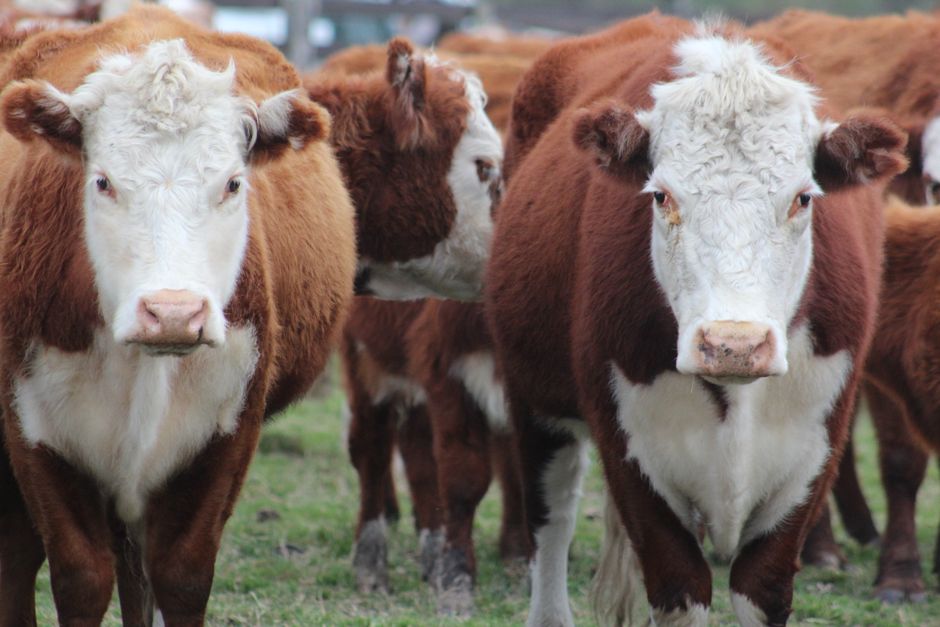
In cold climates, breeds with dense undercoats and thick skin, such as Hereford and Angus, maintain body temperature better, reducing feed needs for warmth. Adequate shelter is still important, but these breeds have natural advantages against frostbite and respiratory ailments common in harsh winters.
Furthermore, altitude may influence breed choice. Higher elevations with lower oxygen levels can stress certain breeds, whereas others like Highland cattle are well adapted to rugged, mountainous climates. Beginners in such regions should research specific breed adaptability to ensure animal welfare.
Dairy vs. Beef: Understanding Care Differences
Dairy Cows
Dairy cattle require daily milking, specialized diets, and more hands-on management, especially for first-time farmers. For example, Holsteins produce up to 30 liters of milk per day but require high-quality feed and regular veterinary care to sustain that production.
Jerseys produce less milk on average but with higher butterfat content, which is advantageous for homemade dairy products like cheese and butter. Beginners often find Jerseys easier to manage due to their smaller size and milder temperaments.
Additionally, dairy cows need facilities such as a milking parlor or designated milking area, clean water supply, and proper bedding to reduce mastitis risk. Maintaining a consistent milking schedule is critical to prevent health problems and maintain production.
Dairy nutrition focuses on high-energy, protein-rich diets, often requiring grain supplements or formulated rations, which increase feed costs. Minerals and vitamins must also be balanced to support lactation and reproductive health.
Beef Cows
Beef cattle generally have lower maintenance daily demands since they are raised primarily for meat. However, they still require adequate nutrition and health monitoring. Angus and Hereford are well-known beef breeds that are hardy and adaptable.
For a beginner, raising beef cattle might be simpler since it involves less daily labor compared to milking. You can focus on pasture management, supplementing feed during winter, and health checks.
Beef cattle management emphasizes steady growth rates, parasite control, and breeding efficiency. Calving season needs close observation but often involves less frequent handling than dairy operations.
Moreover, managing beef cattle includes decisions about finishing methods—whether to grass-finish or utilize feedlots for grain finishing. These choices affect feed costs and marketing strategies. Beginners should research local markets and regulations to align their approach accordingly.
Initial Costs and Ongoing Expenses
Purchasing your first cow carries an upfront cost that varies widely by breed and quality. For instance, a registered Jersey heifer may cost between $1,200 and $2,500 depending on lineage and age. Angus calves range from $800 to $1,500.
Beyond the initial purchase, budget for feed, fencing, shelter, veterinary care, and equipment. Feed alone can average $1.50 to $2.50 per head per day, depending on pasture availability and supplemental grain.
Veterinary expenses include vaccinations, deworming, reproductive health checks, and unexpected illness treatments. Initial vaccinations for calves include clostridial diseases and respiratory pathogens, which are critical for herd health.
Facility costs can range from simple pole barns to more complex milking parlors, depending on your goals. Fencing expenses vary by material and size but typically run between $1 and $4 per linear foot for electric fencing.
Additional costs may include water system installation, mineral feeders, and manure management equipment. For example, a water trough installation might cost several hundred dollars but is essential for animal health.
Insurance and potential losses should also be factored in, especially in areas prone to predation or severe weather events.
Step-by-Step Guide to Selecting Your First Cow
- Assess Your Land and Resources: Confirm you have enough space, fencing, and shelter suitable for cattle.
- Define Your Purpose: Decide if you want milk, meat, or a combination.
- Research Suitable Breeds: Use breed characteristics and personal goals to narrow options.
- Visit Local Farms or Shows: Observe cattle behavior and talk to breeders about breed-specific needs.
- Calculate Budget: Include initial and ongoing costs.
- Purchase from Reputable Sources: Buy healthy animals with clear health records and vaccination history.
- Prepare Your Facilities: Ensure proper fencing, water access, and shelter before arrival.
To expand on these steps:
- Assess Your Land and Resources: Measure pasture acreage, water sources, and shelter size. Soil fertility impacts forage quality, so consider soil testing and amendments to optimize grazing.
- Define Your Purpose: Create a list of priorities, including milk volume, beef quality, calving ease, and maintenance preferences. This clarity guides your breed choice.
- Research Suitable Breeds: Dive into breed registries, extension service publications, and online forums to gather data. Factor in local climate and market demand.
- Visit Local Farms or Shows: Hands-on observation provides insight into breed behavior, health, and management challenges. Networking with breeders fosters mentorship opportunities.
- Calculate Budget: Prepare a detailed budget that includes feed, veterinary care, equipment, fencing, and contingency funds.
- Purchase from Reputable Sources: Request health certificates, vaccination records, and breed registration papers. Consider quarantining new animals before integrating with existing livestock.
- Prepare Your Facilities: Install secure fencing, ensure fresh water access year-round, and build or improve shelter to protect from weather extremes.
Additional Tips for Beginner Success
- Start Small: One or two cows allow you to learn animal husbandry basics without overwhelming resources.
- Keep Records: Track vaccinations, breeding dates, and health issues.
- Network with Local Farmers: They can offer advice tailored to your area’s conditions.
- Invest in Good Fencing: Strong, electrified fencing prevents escapes and predator threats.
- Plan for Veterinary Care: Establish a relationship with a large-animal vet early.
Additional recommendations include:
- Learn Basic Cattle Behavior: Understanding signs of stress, illness, or discomfort helps you intervene early and maintain animal welfare.
- Practice Safe Handling Techniques: Utilize low-stress handling principles to protect yourself and the cattle.
- Maintain Clean Facilities: Regularly clean barns and feeding areas to prevent disease and parasite buildup.
- Plan for Seasonal Changes: Prepare for weather extremes by having feed reserves, water heaters, and windbreaks.
- Educate Yourself Continuously: Attend workshops, read agriculture publications, and consult extension agents to improve your skills.
- Develop a Breeding Plan: If breeding is in your goals, select bulls or artificial insemination sires suited to your breed and management system.
Summary Table: Best Breeds for Beginners by Use and Region
| Breed | Purpose | Best Region | Ease of Handling | Feed Needs |
|---|---|---|---|---|
| Jersey | Dairy | Warm/Temperate | High | Moderate |
| Angus | Beef | Cold/Temperate | Medium | High |
| Guernsey | Dairy | Temperate | High | Moderate |
| Dexter | Dual-purpose | Temperate/Cool | High | Low |
| Hereford | Beef | Cold/Temperate | High | Moderate |
This table provides a quick reference for matching your specific needs with breed characteristics. For instance, if you live in a colder region with limited space and desire low feed costs, Dexter cattle may fit best. If you seek high milk volume in a warmer climate and prioritize ease of handling, Jerseys are ideal.