
Introduction: Choosing the Right Cattle Breed for Grass Fed Beef on Small Farms
Small farms aiming to produce high-quality grass fed beef face unique challenges. Unlike large commercial ranches, these farms require cattle that thrive on pasture with minimal supplemental feeding, are manageable in smaller herds, and deliver excellent beef flavor and yield. Selecting the right breed is crucial for optimizing feed efficiency, animal health, and final product quality.
This article presents 33 of the best cattle breeds suited for grass fed beef production on small farms. Each breed has been evaluated for adaptation to pasture-only diets, temperament, growth rates, and beef quality, helping you make an informed choice tailored to your farm’s conditions. By understanding the nuances of each breed’s biological and behavioral traits, small-scale producers can fine-tune their management practices to maximize profitability and sustainability.
Why Breed Selection Matters for Grass Fed Beef
Grass fed beef requires cattle that effectively convert forage into muscle and fat while maintaining toughness, health, and reproductive success. Some breeds excel at gaining weight quickly on grain-heavy rations, but struggle on pasture alone. Others may mature slowly, negatively impacting profitability.
Key breed characteristics to consider include:
- Forage Efficiency: Ability to convert grass into quality beef without grain supplementation. This involves nutrient digestibility and rumen microbial efficiency. Breeds with larger rumens or selective grazing behaviors can extract more energy from varied forage types.
- Hardiness: Adaptation to local climate and resistance to parasites and diseases. For example, breeds with thicker coats fare better in cold, wet environments, while those with loose skin and ticks resistance thrive in warmer, humid areas.
- Temperament: Manageability for small farm operations. Gentle, docile cattle reduce labor stress and risk of injury, allowing for easier handling and less need for extensive infrastructure.
- Carcass Quality: Marbling, tenderness, and flavor prized in grass fed markets. Some breeds naturally produce intramuscular fat that enhances flavor even on forage diets, while others may have leaner profiles that appeal to health-conscious consumers.
- Reproductive Performance: Fertility and calving ease. Breeds with high fertility rates and minimal calving difficulties reduce the need for veterinary intervention and improve herd sustainability.
In addition, small farms benefit from breeds with moderate frame sizes to match limited pasture and handling capacity. Large-framed or heavy-muscled breeds may require more feed and space than is feasible, impacting cost-effectiveness. Understanding the balance between growth rates and maintenance requirements is essential for profitability.
Top 33 Cattle Breeds for Grass Fed Beef on Small Farms
The breeds included here have proven records in grass fed systems globally, often favored by small-scale producers for their blend of hardiness, beef quality, and manageable size. Many of these breeds also offer genetic diversity that can be leveraged through crossbreeding to enhance performance traits.
For more on this, see our related guide: Why Accurate Record Keeping is Essential for Small Cattle Operations.
| Breed | Origin | Average Mature Weight (lbs) | Strengths for Grass Fed Beef | Typical Marbling |
|---|---|---|---|---|
| Hereford | England | 1200 (cows) / 1800 (bulls) | Excellent forage conversion, hardy, docile, adapts well to diverse climates including temperate and subtropical zones | Moderate |
| Red Angus | United States (from Aberdeen Angus) | 1100 / 1600 | High marbling, good fertility, thrives on pasture, less prone to heat stress than black Angus, strong maternal traits | High |
| Dexter | Ireland | 600 / 1000 | Small size ideal for small farms, easy calving, efficient feed conversion at low forage quality, ideal for hobbyists and niche markets | Moderate |
| Highland | Scotland | 900 / 1500 | Cold-hardy, thick double coat for winter protection, lean beef with distinct flavor, known for longevity and low maintenance | Low to Moderate |
| Shorthorn | England | 1200 / 1800 | Good mothering, versatile for milk and beef, efficient grass converters, known for consistent carcass quality | Moderate to High |
| Galloway | Scotland | 900 / 1400 | Excellent in rough terrain, thick curly coat that sheds water, lean and tender beef, naturally polled, low-input and disease resistant | Moderate |
| Gelbvieh | Germany | 1300 / 2000 | Fast growth, high fertility, good for crossbreeding to improve carcass traits, efficient on pasture with good muscle development | Moderate |
| Simmental | Switzerland | 1300 / 2200 | Heavy muscling, efficient grazers, good temperament, well-suited to both dairy and beef systems, benefits from rotational grazing to maintain pasture quality | Moderate to High |
| Tarentaise | French Alps | 1100 / 1600 | Adapted to mountainous terrain, efficient on sparse forage, tender beef with fine marbling, hardy in cold climates | High |
| South Devon | England | 1300 / 2000 | Large frame, excellent mothering abilities, well adapted to grass feeding, high weaning weights, calm temperament | Moderate |
| British White | England | 1100 / 1700 | Hardy, low maintenance, good meat quality, naturally polled, thrives on marginal pastures | Moderate |
| Texas Longhorn | United States | 1000 / 1600 | Extremely hardy, very lean beef, excellent for tough pastures and drought-prone environments, long lifespan, low-calving difficulty | Low |
| Gelbray | USA | 1200 / 1800 | Gelbvieh x Brahman cross, combines heat tolerance with good muscle, adaptable to grass-based systems in warmer climates | Moderate |
| Brangus | USA | 1200 / 1800 | Brahman x Angus hybrid, heat tolerant, good grass adaptation, combines marbling with parasite resistance | High |
| Angus | Scotland | 1200 / 1800 | Popular for marbling and flavor, adapts well to pasture, strong maternal traits, widely available genetics | High |
| Limousin | France | 1300 / 1900 | Lean beef, efficient grazers, strong muscling with low fat, may require higher quality pasture to maintain growth rates | Low |
| Wagyu | Japan | 1100 / 1600 | Exceptional marbling, requires attentive pasture management and longer finishing times, commands premium prices in niche markets | Very High |
| Devon | England | 1100 / 1700 | Early maturity, good grazing ability, flavorful beef with moderate marbling, known for docile temperament | Moderate |
| Murray Grey | Australia | 1100 / 1600 | Good temperament, efficient grass conversion, tender meat, naturally polled, performs well under temperate conditions | Moderate |
| Belgian Blue | Belgium | 1400 / 2300 | Heavy muscling due to “double muscling” gene, lean beef, may need supplemental feeding to maintain condition on grass alone, calving assistance often required | Low |
| South Poll | USA | 1100 / 1700 | Natural beef breed, polled, excellent on pasture with low input, known for longevity and fertility | Moderate |
| Chianina | Italy | 1300 / 2500 | Very large, produces lean beef with good muscle, slower maturation on grass, often crossed with smaller breeds for improved calving ease | Low |
| Pinzgauer | Austria | 1100 / 1800 | Good endurance, efficient foragers on mountainous and pasture-based systems, produces beef with good flavor and tenderness | Moderate |
| Romagnola | Italy | 1200 / 2000 | Good growth, lean muscle, well adapted to pasture environments, known for calm disposition | Low to Moderate |
| Normande | France | 1200 / 1800 | Good marbling, excellent mothering ability, versatile for dairy-beef cross, adapts well to grass feeding systems | High |
| Jersey (Beef Crosses) | Channel Islands | 900 / 1400 | Crossed for beef, high butterfat content in milk, good for niche grass fed markets emphasizing flavor and quality over size | Moderate |
| Senepol | Caribbean (St. Croix) | 1100 / 1700 | Heat tolerant, easy calving, good beef quality with moderate marbling, thrives in subtropical climates | Moderate |
| Brahman Crosses | USA (from Indian Brahman) | 1200 / 2000 | Heat resistant, parasite resistant, well suited to rough terrain and marginal pastures, often crossed to improve maternal traits | Low to Moderate |
Breed Profiles: Detailed Examples for Small Farms
Hereford
Herefords are a classic choice for grass fed beef due to their outstanding foraging ability and calm temperament. They perform well without grain supplementation and are highly adaptable to different climates and pasture types. Mature Hereford cows typically weigh around 1,200 pounds, making them manageable for smaller herds. The beef is well-marbled enough to satisfy grass fed consumers looking for rich flavor without excessive fat.
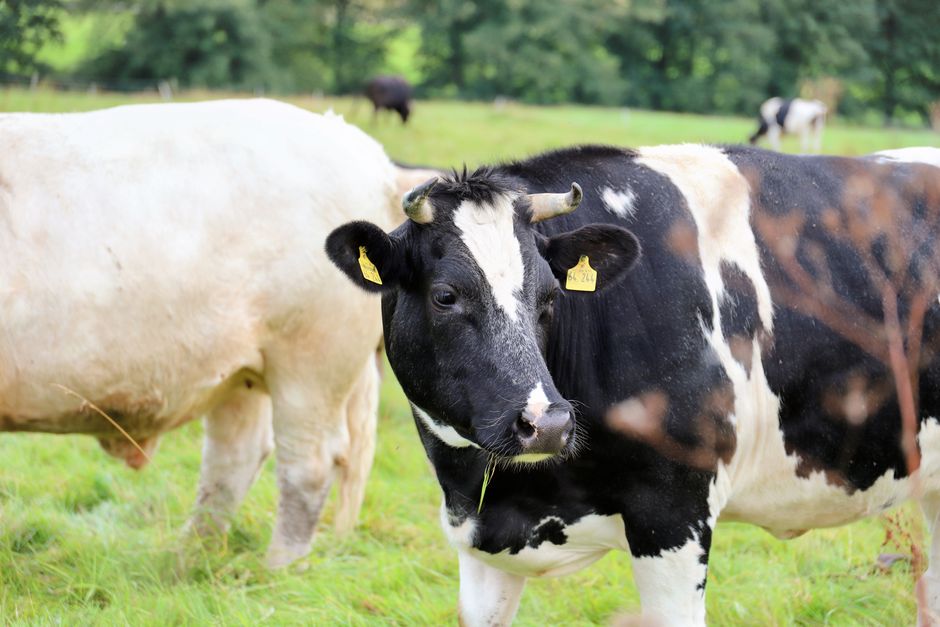
Herefords also demonstrate excellent longevity, often remaining productive past 10 years, which benefits small farms by reducing replacement costs. Their hardiness extends to resistance against common parasites, which reduces veterinary expenses. Nutritionally, Hereford beef is noted for a balanced fat profile, including favorable omega-3 fatty acid content when grass fed, enhancing its appeal among health-conscious buyers.
Dexter
For very small farms or hobby farmers, the Dexter breed offers a compact frame with mature weights around 600–1,000 pounds. This breed thrives on pasture alone and is known for easy calving and longevity. Dexter beef is flavorful and well-marbled within a smaller carcass size, ideal for niche markets or personal consumption.
Dexters are remarkably efficient at converting low-quality forage into body mass, making them ideal for farms with limited or variable pasture quality. Their smaller size reduces feed and space requirements by approximately 40–50% compared to conventional breeds. Additionally, Dexters’ docile nature facilitates low-stress handling, a significant advantage for small-scale producers managing cattle single-handedly or with minimal labor. Their slower growth rate compared to larger breeds is offset by the niche premium that Dexter beef commands in many artisan and local food markets.
If you’re also looking into this, our article on Understanding Heritability in Cattle Genetics: Why It Matters and How to Use It covers it in more detail.
Red Angus
Red Angus cattle have steadily gained popularity in grass fed operations due to their high marbling, fertility, and docile nature. They are slightly smaller than black Angus but equally efficient on pasture. Red Angus beef is well-regarded for tenderness and a buttery flavor that appeals to discerning consumers.
The breed’s genetic predisposition for marbling is significant because intramuscular fat improves palatability especially in forage-fed systems where fat deposition is typically lower. Red Angus cows also maintain strong maternal instincts and calving ease, facilitating high calving rates above 90% under pasture-based management. Furthermore, their moderate frame size contributes to lower maintenance energy requirements, which is essential in grass fed systems with fluctuating pasture quality.
Highland
Originating from the Scottish Highlands, this breed is especially suited for northern climates and rugged terrain. Highland cattle have thick coats that allow year-round grazing, and their lean beef carries a distinctive flavor profile that commands premium prices. Their moderate size and easy-going temperament suit small farm environments.
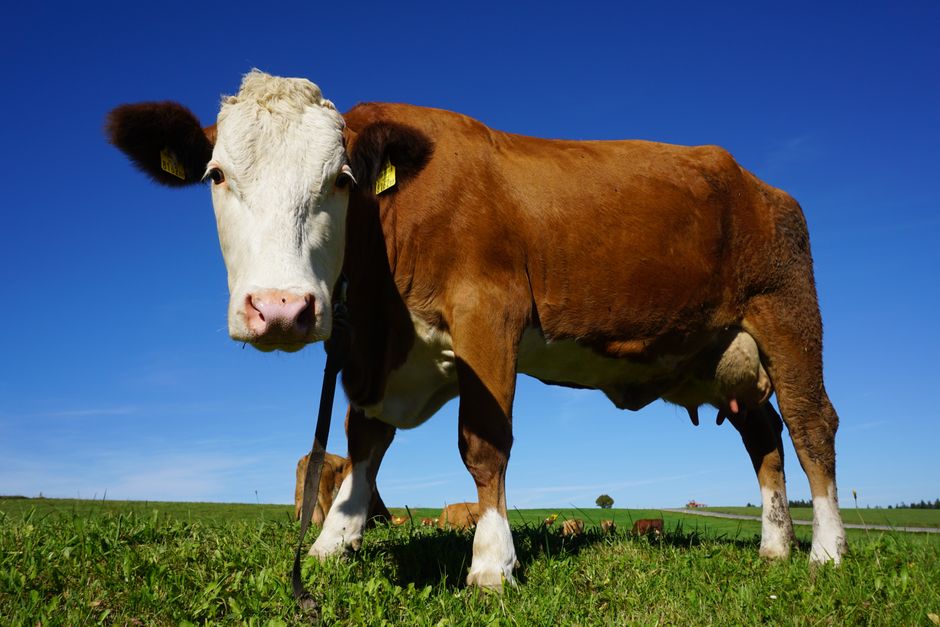
Highlands are often favored in regions with harsh winters and poor-quality pastures where other breeds struggle to maintain condition. Their natural longevity, often exceeding 15 years, allows for sustained herd productivity. Additionally, the breed’s beef is characterized by lower fat content but with unique flavor compounds, resulting in an exclusive product that can command higher market value. Highland cattle also have a natural resistance to many diseases common in colder climates, reducing the need for medications and interventions.
Practical Tips for Managing Grass Fed Beef Cattle on Small Farms
- Pasture Quality: Invest in rotational grazing and diverse forage species to maintain nutrition year-round. For example, incorporating legumes such as clover or alfalfa can increase protein availability, promoting faster growth without supplemental feed. Soil testing and pasture renovation every few years help maintain productive forage species and improve digestibility.
- Breeding: Select bulls and cows that demonstrate good maternal traits and growth on grass. Genetic selection tools, such as Estimated Breeding Values (EBVs) for fertility and forage efficiency, can help identify high-performing animals within a breed. Avoid selecting solely for rapid growth or heavy muscling without considering calving ease and adaptability to forage-based diets.
- Health Monitoring: Grass fed cattle still require parasite control and vaccinations—consult your vet regularly. Implement pasture rotation to break parasite life cycles and reduce worm burdens naturally. Regular body condition scoring helps detect nutritional or health issues early, preventing weight loss and reproductive failures.
- Record Keeping: Track growth rates, calving intervals, and feed availability to optimize your herd’s performance. Digital tools and mobile apps now make this easier than ever, allowing you to monitor trends and adjust management decisions promptly. Over time, data-driven decisions improve genetic selection and pasture management efficiency.
- Marketing: Highlight the breed’s unique qualities and grass fed certification to differentiate your beef. Storytelling about heritage breeds or sustainable practices resonates with consumers willing to pay premiums. Participating in local farmers’ markets, farm tours, or online platforms can expand your customer base and build brand loyalty.
- Nutrition Management: While grass fed systems minimize grain use, strategic supplementation with minerals like phosphorus, selenium, and salt is often necessary depending on regional forage deficiencies. Providing clean water and shade improves feed intake and animal welfare, particularly in warmer climates.
- Stocking Density: Maintaining appropriate stocking rates prevents overgrazing and pasture degradation. A general guideline is 1–2 acres per mature cow depending on pasture productivity, but this varies significantly by region and season. Overstocking can lead to poor animal performance and soil erosion.
- Handling Facilities: Even for small farms, investing in low-stress handling systems such as curved alleys and squeeze chutes improves animal welfare and facilitates routine tasks like vaccinations and weighing.
Conclusion: Matching Breed to Your Farm’s Grass Fed Beef Goals
Each small farm has its own climate, pasture conditions, and marketing goals, which should guide breed selection. The 33 breeds detailed here provide a range of options from small, easy-care cattle like Dexter to larger, heavily muscled breeds like Simmental. Prioritize breeds known for forage efficiency, health, and beef quality to maximize success in grass fed beef production.
This ties in closely with Mastering Stocking Rates: How Much Land Does Your Cattle Need?, worth a look if you want to go deeper.
Consider the local environmental factors in your decision-making process: for example, Brahman crosses or Senepol cattle excel in hot, humid climates, while Highland or Galloway breeds thrive in cooler, wetter areas. Size and temperament also determine the labor inputs required, which is a critical factor on small farms with limited manpower.
For the best results, consider crossbreeding complementary breeds to combine strengths such as marbling, hardiness, and temperament. Crossbreeding can also mitigate some breed-specific weaknesses like calving difficulty or slow growth. For instance, crossing Red Angus with Gelbvieh can improve growth rates while maintaining marbling and fertility.
Ultimately, your choice should align with what your pasture can sustain, the size of your operation, and your target customer preferences. Investing time in understanding breed characteristics and adapting management practices accordingly will help your small farm succeed in producing premium grass fed beef.
Related articles
- Why Accurate Record Keeping is Essential for Small Cattle Operations
- Understanding Heritability in Cattle Genetics: Why It Matters and How to Use It
- Mastering Stocking Rates: How Much Land Does Your Cattle Need?