
Introduction to Homestead Planning Equipment
Planning a homestead involves more than just having land and ideas—it requires the right equipment to bring your vision to life efficiently and sustainably. Whether you’re aiming to raise livestock, grow crops, or create a self-sufficient lifestyle, equipping yourself with the appropriate tools and machinery forms the backbone of successful homestead management. This guide dives into the specific equipment you need for homestead planning, highlighting practical examples and precise specifications suited to varying scales of homesteads. By understanding the range of available equipment and matching it to your specific needs, you can optimize labor, reduce costs over time, and create a well-organized system that supports both productivity and ecological stewardship.
Primary Categories of Equipment for Homesteads
Homestead planning equipment broadly falls into three essential categories:
- Land Preparation and Crop Management Tools
- Livestock Handling Equipment
- General Maintenance and Infrastructure Tools
Each category plays a distinct role in supporting the diverse tasks of homesteading, from soil cultivation to animal care and daily upkeep. Within these categories, selecting equipment that aligns with your homestead’s size, climate, soil type, and livestock needs is critical. For example, tools suited for a temperate climate with clay soil will differ in function and durability from those designed for arid regions with sandy soils. Similarly, homesteads focused on poultry will require different livestock equipment compared to those raising cattle or goats.
Land Preparation and Crop Management Tools
1. Soil Testing Kit
Before planting, understanding soil health is critical. Soil testing kits, such as the Rapitest 1600 Soil Test Kit, provide data on pH, nitrogen, phosphorus, and potassium levels. These kits typically cost between $15-$30 and are invaluable for planning amendments tailored to your soil’s nutrient profile. Additionally, more advanced professional kits can test micronutrients like magnesium, calcium, and sulfur, which influence plant health significantly. For larger homesteads, partnering with local agricultural extension services for lab analysis can yield comprehensive results and recommendations. Regular soil testing, ideally twice a year (pre-planting and post-harvest), enables you to monitor trends and adjust fertilization strategies accordingly, promoting sustainable soil management and preventing nutrient runoff.
2. Rototiller or Garden Tractor
For homesteads larger than a quarter-acre, manual tilling is inefficient. A small garden tractor like the John Deere 1025R with a tiller attachment or a walk-behind rototiller such as the Troy-Bilt TB154CC (15-inch width, 208cc engine) can handle soil cultivation effectively. Expect to budget $350-$15,000 depending on scale and power. When choosing a rototiller or tractor, consider factors such as soil type, topography, and maintenance requirements. For example, heavier clay soils require machines with higher torque and more robust tines, while sandy soils can be managed with lighter equipment. Additionally, front-mounted tillers or rotary hoes can facilitate better maneuverability in tight spaces common on smaller homesteads. For organic growers, no-till or minimal-till attachments for tractors help preserve soil structure and microbial life, which is essential for long-term fertility and carbon sequestration.
3. Irrigation Equipment
Reliable watering systems are essential. Drip irrigation kits ranging from $50 to $200 support water efficiency and crop health by delivering moisture directly to plant roots, minimizing evaporation. For larger plots, automated systems with timers and moisture sensors—such as the Rain Bird SST600IN—can be configured to cover multiple zones, enabling tailored irrigation based on crop needs and soil moisture levels. Advanced smart irrigation controllers integrate with weather data and soil moisture probes to optimize watering schedules, reducing water use by up to 30% compared to traditional sprinkler systems. Additionally, rainwater harvesting setups connected to irrigation lines can supplement water supply sustainably, especially in regions with seasonal rainfall variability.
4. Seeders and Planters
Precision planting increases germination success and reduces seed waste. For small homesteads, handheld seeders like the Earthway 1001 precision seeder allow you to sow rows accurately, ensuring proper seed spacing and depth. This is particularly important for vegetables and herbs that require consistent spacing for optimal growth. For larger acreage, mechanical seeders which can be tractor-mounted provide speed and consistency, enabling planting of grains, cover crops, and legumes efficiently. Specialized seeders for different crop types, such as corn planters with variable rate technology, further optimize input use and yield. Some seeders also include attachments for fertilizer application, combining planting and nutrient delivery in one pass.
Livestock Handling Equipment
1. Fencing Materials
Secure fencing protects animals and crops. Common choices include:
- Electric fencing: Portable and adjustable; costs $150-$500 for basic kits. Solar-powered energizers enhance off-grid capability, crucial for remote homesteads. Electric fencing can be used for rotational grazing systems to optimize pasture use and animal health.
- Woven wire fencing: Durable for cattle and sheep; priced around $1-$4 per linear foot. This type of fencing is effective against predators and reduces the risk of livestock escape. High-tensile woven wire with treated posts increases longevity up to 20 years.
- Barbed wire: Cost-effective for larger animals; around $0.50-$1 per foot. Best suited for cattle and larger livestock, this fencing requires careful installation to prevent injury and regular maintenance to avoid sagging.
Choosing the right fence depends on livestock type, predator presence, and terrain. In mountainous or heavily wooded areas, portable electric fencing offers flexibility, while flat open pastures benefit from permanent woven wire installations. In addition to material costs, installation expenses and maintenance requirements should be factored into long-term planning. For example, using high-quality steel posts and galvanized wire reduces corrosion and repair frequency. Predator-specific fencing, such as mesh with buried wire or “fladry” (flagged rope deterrents), can be added to protect small livestock like chickens or goats.
2. Gates and Chutes
Livestock handling requires sturdy gates and chutes for movement and health checks. For example, a heavy-duty livestock chute system like the Priefert R2 (8 feet long, adjustable width) costs approximately $1,200 but improves safety and efficiency during sorting or medical treatment. Modular and portable chutes allow flexibility in herd management, supporting tasks such as vaccinations, pregnancy checks, and hoof trimming. When designing a livestock handling facility, incorporating non-slip flooring, rounded corners, and solid sides reduces animal stress and injury. In some cases, integrating scales within chutes provides real-time weight data to monitor animal growth and health, facilitating better nutritional and breeding decisions.
3. Feeding and Watering Systems
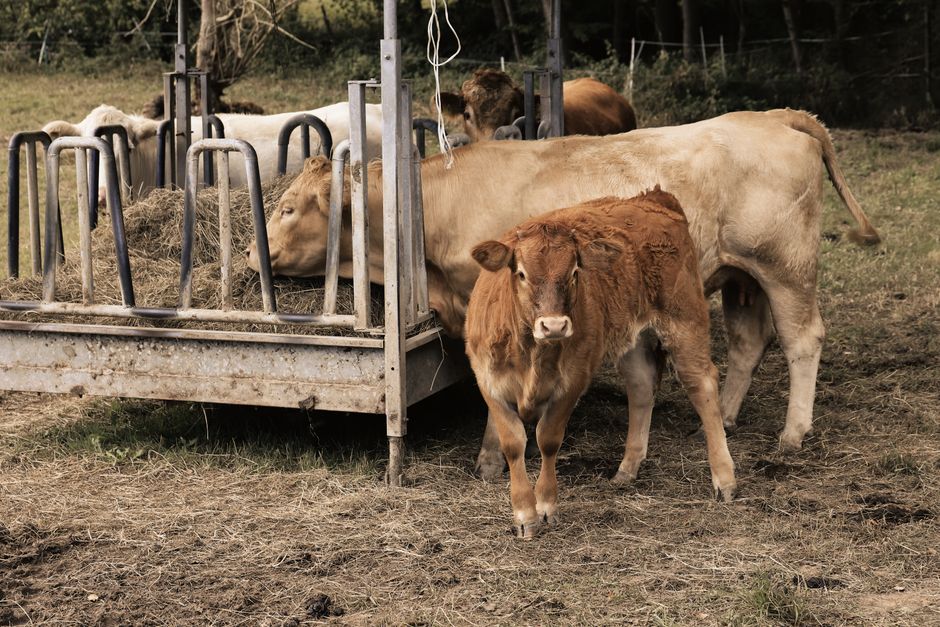
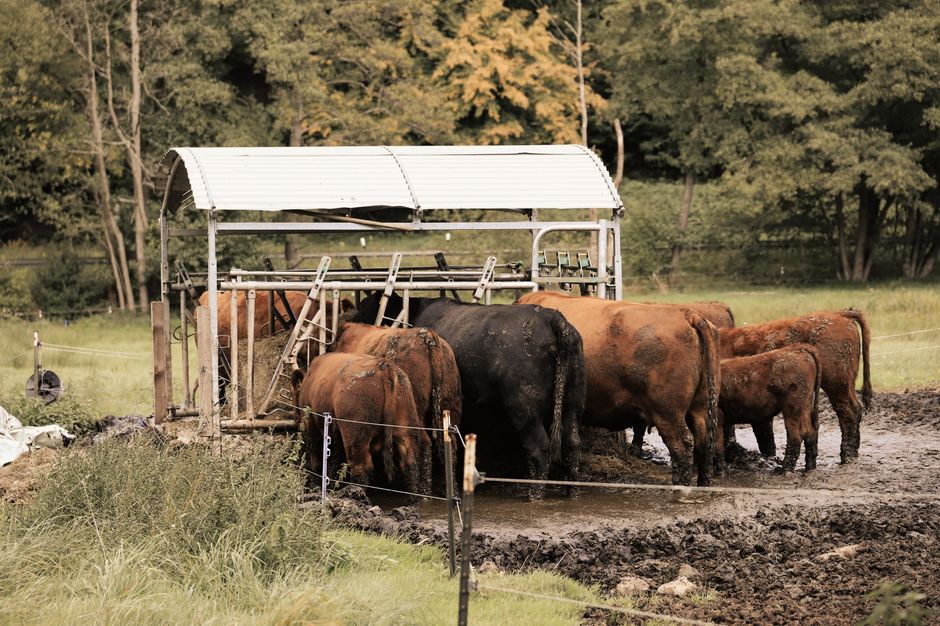
Automated watering systems, such as gravity-fed waterers or solar-powered pumps, ensure consistent hydration. A standard 50-gallon stock tank with automatic float valves costs roughly $100-$200. Feeders like the Behlen Country Livestock Feeder reduce waste and facilitate scheduled feeding, which is essential for cost control and animal nutrition. For dairy cattle, automated feed bunks with adjustable portions can optimize feed efficiency and promote digestive health. Additionally, integrating water purification or filtration systems in remote or well water sources can prevent livestock diseases linked to contaminated water.
4. Veterinary Supplies and Handling Tools
Basic veterinary equipment includes:
- Restraint halters and ropes, designed to minimize animal stress and injury during handling.
- First aid kits for cuts and infections, including antiseptics, wound dressings, and antibiotics prescribed by a vet.
- Thermometers and syringes for monitoring health and administering vaccines or medications.
- Hoof trimming tools to prevent lameness and infections, a common issue in cattle and goats.
Investing in quality tools like a hoof trimming chute (~$600) or durable halters (~$20 each) prevents injuries and ensures animal health. Specialized equipment such as dewormers, pregnancy testers, and diagnostic kits can further enhance herd health management. Maintaining a proper inventory of veterinary supplies and establishing a relationship with a veterinarian familiar with homestead operations are critical components of proactive animal care.
General Maintenance and Infrastructure Tools
1. Hand Tools
A well-stocked collection of hand tools is essential, including shovels, hoes, pruners, rakes, and axes. Brands like Fiskars and Corona offer durable options that balance quality and price (typically $15-$50 per tool). High-quality hand tools improve efficiency and reduce user fatigue, which is important during repetitive tasks like pruning or digging. For orchard management, specialized tools like pole pruners and grafting knives become necessary. Additionally, ergonomic designs with padded grips and lightweight materials enhance usability, especially for older homesteaders or those with physical limitations.
2. Power Tools
Power tools speed up many homestead tasks. Key items include:
- Chainsaw: For cutting firewood or clearing brush; models like the Husqvarna 450 Rancher cost around $400. Chainsaws with anti-vibration features and safety guards reduce operator fatigue and accidents. For homesteads with extensive woodland, investing in multiple bar sizes (16”-20”) offers versatility.
- Brush cutter or weed trimmer: To manage overgrowth; gas-powered models average $150-$300. For large pastures, heavy-duty brush cutters with brush blade attachments can clear small saplings and dense vegetation.
- Generator: Backup power supply for critical systems, especially in remote areas; reliable models like the Honda EU2200i cost about $1,100. In addition to emergencies, generators power tools, irrigation pumps, and refrigeration for perishables. Combining generators with solar panels and battery storage creates a hybrid energy system that reduces fuel consumption and noise.
3. Storage Solutions
Organizing tools and supplies is vital for productivity. Invest in sturdy sheds or barns and storage bins. Metal garden sheds, such as the Keter Factor 8×6, provide weatherproof storage at around $700. Pallet racks and PVC pipe holders also optimize space. For homesteads with large equipment, custom-built pole barns or quonset huts offer protection against elements and theft. Implementing shadow boards and labeled containers for small tools increases efficiency and reduces time spent searching. Climate control inside storage areas can preserve seeds, fertilizers, and veterinary supplies, preventing spoilage and degradation.
4. Measurement and Mapping Equipment
Accurate land mapping facilitates layout planning. Tools include:
- GPS units: Handheld devices like the Garmin GPSMAP 64st cost about $250 and allow precise boundary marking. Survey-grade GPS tools, although more expensive, provide centimeter-level accuracy useful for infrastructure development and precision agriculture.
- Measuring wheels: Useful for distance estimation; priced around $40-$100. They assist in quickly measuring fencing lengths or garden bed dimensions.
- Laser levels: For leveling irrigation or building foundations; models like the DEWALT DW088K cost about $100. Laser levels help ensure proper water flow in irrigation ditches and foundation stability, preventing costly construction errors.
Combining GPS data with mapping software allows homesteaders to design efficient crop layouts, pasture rotations, and infrastructure placement. Digital mapping also supports record-keeping, a vital practice for managing resources and planning crop rotations or grazing schedules.
Comparing Equipment for Small vs. Large Homesteads
| Equipment | Small Homestead (Under 1 acre) | Large Homestead (Over 5 acres) |
|---|---|---|
| Soil Preparation | Manual tiller or small rototiller (~$300-$600), ideal for raised beds and intensive vegetable gardening. | Garden tractor with tiller attachment ($5,000-$15,000), capable of handling extensive fieldwork and heavier soils. |
| Irrigation | Basic drip irrigation kits ($50-$150), suitable for small garden plots and container plants. | Automated multi-zone irrigation system with moisture sensors ($1,000+), designed for orchards, pasture irrigation, and row crops. |
| Fencing | Portable electric fencing ($150-$300 for kits), allowing flexible pasture management for small flocks. | Woven wire or barbed wire fencing ($1-$4 per foot), providing permanent boundaries for cattle or large livestock herds. |
| Livestock Handling | Basic gates and halters ($20-$200 total), adequate for small-scale poultry or small ruminant care. | Heavy-duty handling chute systems ($1,000+), necessary for efficiently managing large cattle herds or multiple species. |
| Power Tools | Hand tools and small chainsaw ($150-$400), sufficient for light maintenance and firewood cutting. | Full power tool collection including brush cutters and generators ($2,000+), supporting large-scale land clearing and infrastructure work. |
Additional Considerations for Cow Homesteads
For those specifically raising cattle, additional specialized equipment is necessary to ensure animal welfare, productivity, and management efficiency:
- Milking Equipment: For dairy cows, purchasing a milking machine such as the Butterfly Milker with Pulsator ($500-$1,500) improves efficiency and hygiene, reducing physical strain on operators and minimizing contamination risks. Automated milking systems (AMS) are an emerging technology in larger operations, featuring robotic arms and sensor monitoring to optimize yield and cow health.
- Cow Bedding and Shelter: Equipment for barn maintenance like straw choppers, manure spreaders, and mechanical feeders is crucial for cow comfort and health. Adequate ventilation systems and insulation help regulate barn temperatures, reducing stress and disease outbreaks. Deep bedding pack barns and compost bedding systems enhance manure management and improve cow lying times, which directly affect milk production.
- Health Monitoring: Electronic identification tags and monitoring collars, costing $20-$50 each, help track individual animal well-being and behavior. These devices can monitor activity levels, rumination, and temperature, providing early warnings of illness or calving. Integrating data into herd management software aids in timely interventions and breeding decisions.
- Manure Management: Tools such as manure scrapers, spreaders, and compost turners facilitate hygienic handling of waste, which is essential for both environmental compliance and nutrient recycling. Proper manure management supports pasture fertility and reduces pathogen loads.
Summary
Successful homestead planning hinges on having the right equipment tailored to your scale and goals. From soil testers and tillers to fencing and livestock handling gear, each tool plays a strategic role. Investing wisely upfront in suitable equipment not only boosts productivity but also fosters a safer, more sustainable homestead environment. Careful selection and maintenance of tools reduce labor demands, protect your investments, and contribute to ecological resilience. Whether you’re starting small or managing large acreage, understanding the specific functions and specifications of homestead equipment is the key to building a thriving, self-sufficient operation that supports your long-term vision.