
Introduction to Cattle Identification Equipment
Effective identification of cattle is crucial for managing herds, ensuring traceability for health and breeding, and complying with legal regulations. The equipment you select for cattle identification impacts not only the accuracy and durability of identification but also animal welfare and farm efficiency. This article outlines the specific types of equipment you need for identification, compares their features, and offers practical advice to help you choose the best tools for your operation.
Why Proper Equipment Matters for Cattle Identification
Identification systems are foundational for tracking individual animals throughout their lives. Without reliable equipment, you risk lost records, improper medication, breeding errors, and difficulties in disease control. For instance, outbreaks of contagious diseases like bovine tuberculosis or foot-and-mouth disease can be controlled more effectively if accurate identification allows quick tracing and isolation of affected animals. Moreover, traceability has become a key component in livestock marketing, as consumers increasingly demand transparency regarding the origin and health status of meat products.
Choosing the right equipment also reduces stress and injury to animals during the identification process. Improperly fitted ear tags can cause chronic ear infections or tearing, while heavy or poorly designed branding irons can inflict unnecessary pain. Additionally, investing in efficient identification methods can lead to significant labor savings, especially in large herds where manual record-keeping and identification are time-consuming. Well-implemented systems also facilitate compliance with international trade standards, such as those required by the World Organisation for Animal Health (OIE) and various country-specific traceability programs.
Types of Equipment Needed for Cattle Identification
1. Ear Tags and Tagging Tools
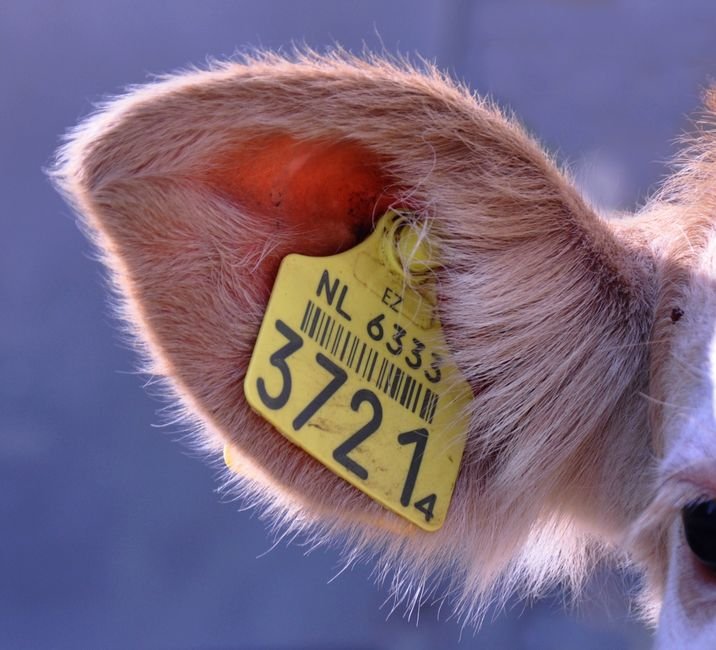
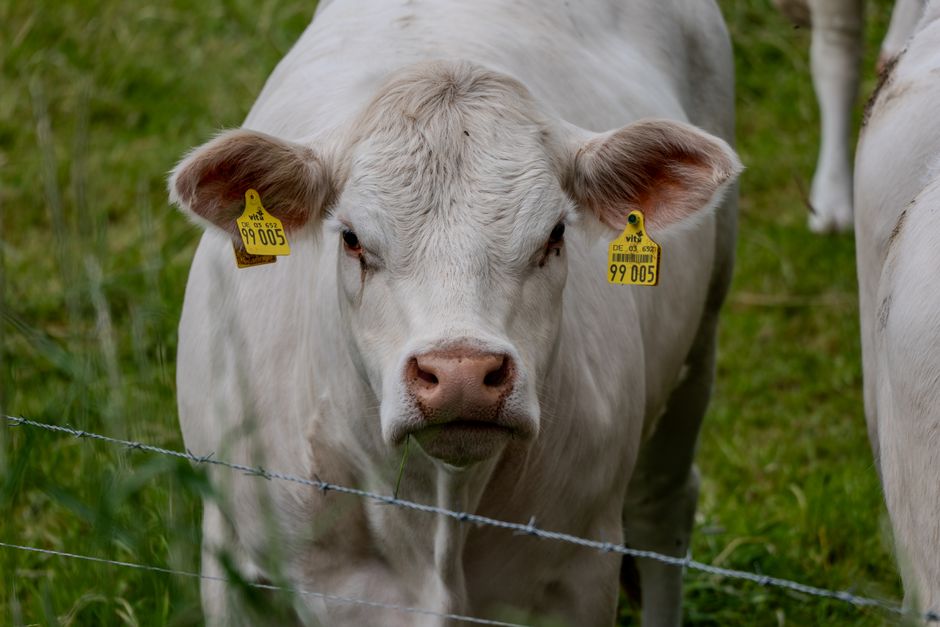
Ear tags are the most common and visible form of cattle identification. They come in various materials, shapes, and functionalities. To properly apply ear tags, several pieces of equipment are needed:
- Ear Tags: Usually made of plastic or metal, ear tags come in numeric or barcode formats. Plastic tags are lightweight, weather-resistant, and often color-coded for herd management. Some advanced plastic tags are embedded with RFID chips, combining visual and electronic identification. Metal tags, while less common today, offer durability but can be heavier and may cause more irritation.
- Tag Applicators: Handheld pliers or applicators designed to pierce the ear and secure the tag. The applicator must fit the tag style and size. There are also pneumatic applicators that reduce hand fatigue and improve precision in large-scale operations.
- Tag Backup Buttons: Small plastic or metal buttons placed on the opposite side of the ear tag to prevent tearing. Some farms opt for tags with integrated locking mechanisms to enhance retention without backup buttons.
Example: The Allflex Large Flag Tag, commonly used in North America, requires an applicator with a locking mechanism to ensure proper closure; backup buttons improve tag retention, reducing the risk of loss over time. Studies indicate that tag retention rates with backup buttons can exceed 95% over a two-year period, compared to rates as low as 70% without backups, significantly reducing the need for costly re-tagging and record-keeping errors.
In addition to standard ear tags, specialty tags such as visual implant elastomers (VIE) can be injected under the skin near the ear, offering a less invasive option and the possibility of multi-colored coding for complex herd management. However, VIE tags require close inspection and are not suitable for long-term external identification.
For more on this, see our related guide: A Year of Raising Your First Cattle: From Arrival to Year-End Planning.
2. RFID (Radio Frequency Identification) Readers and Tags
RFID technology has grown in popularity for automatic data capture and traceability systems. This approach streamlines animal identification by enabling quick, contactless scanning of large numbers of cattle with minimal handling. Equipment needed includes:
- RFID Ear Tags or Boluses: These contain microchips encoded with unique animal IDs. Boluses are swallowed and reside in the rumen, offering a tamper-proof method of identification that cannot be lost or removed but require specialized equipment to read. Ear tags with embedded RFID chips combine visual ID with electronic scanning, enhancing accuracy and allowing simultaneous reading of multiple animals.
- Handheld or Fixed RFID Readers: Devices that scan the RFID tag’s unique code. Handheld readers are portable for field use, while fixed readers can be installed in strategic locations such as gates, feed bunks, and milking parlors to automatically record animal movements and behaviors.
- Software Systems: To collect, store, and analyze RFID data, specialized livestock management software is necessary. Leading platforms offer integration with herd health records, breeding schedules, weight and production data, and can generate reports for regulatory compliance and marketing.
Example: The Tru-Test RFID system uses low-frequency (LF) technology for reliable readings in cattle, paired with handheld readers that can scan several animals per minute, significantly speeding up herd checks. In commercial feedlots, the installation of fixed RFID readers at exit gates has been shown to reduce labor costs by up to 30%, while improving accuracy and security of animal movement records. Additionally, newer ultra-high frequency (UHF) RFID tags provide longer read distances (up to several meters), enabling hands-free scanning and streamlined operations in large-scale facilities.
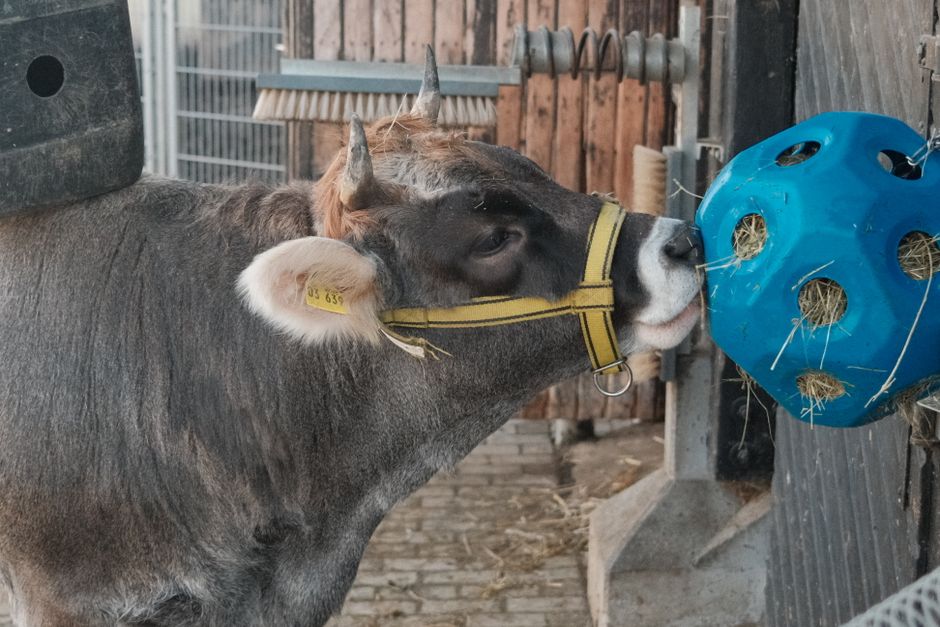
Some countries mandate RFID for cattle traceability—for example, the European Union requires all bovines to be identified with RFID ear tags for cross-border movement. This legal requirement pushes many producers to invest in compatible equipment and data management solutions.
3. Branding Equipment
Branding is a traditional, permanent identification method using equipment such as:
- Hot Iron Branding Irons: Heated metal devices used to burn a mark onto the hide. Requires a heat source like a propane torch or forge. The process must be precise and swift to minimize animal distress and ensure legible branding. Branding irons are available in a variety of sizes and shapes, customized to display unique letters, numbers, or symbols representing the ranch or herd.
- Freeze Branding Equipment: Using liquid nitrogen or dry ice to kill pigment cells, resulting in white hair growth at the brand site. Equipment includes branding irons and cooling containers like Dewar flasks. Freeze branding is preferred in some operations for its reduced pain and better visibility on darker-skinned cattle.
- Protective Gear and Restraints: To safely restrain cattle during branding and protect handlers. This includes heavy gloves, face shields, and sturdy chutes or head gates to reduce movement and injury risk.
Example: Freeze branding irons are stainless steel plates cooled in a liquid nitrogen tank before application, offering a less painful alternative to hot branding. Research shows that freeze branding causes significantly lower cortisol responses (a stress indicator) in cattle compared to hot branding. Additionally, the distinct white hair growth increases brand visibility during marketing and auctions, potentially enhancing resale value. However, freeze branding requires access to liquid nitrogen, which can be logistically challenging in remote areas.
If you’re also looking into this, our article on Why Accurate Record Keeping is Essential for Small Cattle Operations covers it in more detail.
Hot branding remains widely used due to its simplicity and permanence, especially in extensive grazing systems. However, concerns about animal welfare have led to regulations limiting its use in some regions, encouraging adoption of alternative methods. For instance, in Australia and parts of Europe, hot branding is restricted to certain circumstances, with freeze branding or electronic identification preferred.
4. Paint Markers and Spray Paint
While temporary, paint markers and spray paints are frequently used for short-term identification during handling or sorting. Equipment includes:
- Livestock Paint Sticks: Solid sticks designed to mark on hide for up to several days. These are especially useful in sorting animals in the chute or during veterinary procedures, where quick visual differentiation is needed. Some sticks are designed to be waterproof and fade slowly, lasting up to two weeks depending on environmental conditions.
- Spray Paint Cans: For quick, large markings; should be non-toxic and designed for animal use. Spray paint is commonly used in feedlots or auctions to identify groups or treatment status. Reflective or fluorescent colors enhance visibility during low-light conditions, such as early morning or dusk handling.
Paint marking is also used in breeding programs to identify animals that have been serviced or are in heat. Paint brands or chalk applied to the tailhead area allow quick identification without physical restraint. However, paint marks can fade or wash off, making them unsuitable for permanent identification.
Comparing Identification Equipment: Features and Suitability
| Equipment Type | Durability | Animal Welfare Impact | Ease of Application | Cost Range (USD) | Traceability |
|---|---|---|---|---|---|
| Plastic Ear Tags | Medium (3-5 years) | Low to moderate (minor ear discomfort) | Easy (few seconds per animal) | $0.50 – $3 per tag + applicator $20-$100 | Visual only, some with barcodes |
| RFID Tags | High (5+ years) | Low (similar to ear tags) | Moderate (requires reader equipment) | $2 – $8 per tag + readers $300-$1000+ | Electronic and automatic data capture |
| Hot Branding | Permanent | High (painful, requires care) | Difficult (restraint required) | $50 – $200 for irons + fuel cost | Visual, permanent identification |
| Freeze Branding | Permanent | Moderate (less painful than hot branding) | Moderate (needs liquid nitrogen and skill) | $100 – $400 for equipment + liquid nitrogen | Visual, permanent with white hair |
| Paint Markers | Short-term (days to weeks) | Very low | Very easy | $5 – $20 per stick or can | Temporary, non-permanent |
Additional Tools to Support Identification Procedures
Animal Restraint Equipment
Proper restraint is essential for both animal safety and handler efficiency during identification. Equipment includes squeeze chutes, head gates, and halters. Investing in good restraint systems reduces stress and injury risk during tagging or branding. For example, hydraulic squeeze chutes allow the operator to adjust the pressure to minimize discomfort while securely holding the animal. Some modern chutes incorporate integrated electronic weighing scales and RFID readers, enabling simultaneous data capture during restraint.
In extensive grazing systems, portable restraint devices such as mobile handling pens and portable head gates facilitate cattle handling in remote locations. The design of restraint equipment should consider ease of cleaning and durability, as well as ergonomic factors to reduce operator fatigue.
This ties in closely with Year-Round Cattle Care: Essential Management Tips for Every Season, worth a look if you want to go deeper.
Record-Keeping Tools
Once animals are identified, accurate record keeping is vital. Tools include:
- Digital herd management software integrated with RFID readers. These systems offer cloud-based platforms accessible from smartphones and tablets, allowing real-time data entry and retrieval even in remote areas with offline syncing capabilities. Popular software options include CattleMax, FarmWizard, and AgriWebb, which support multi-farm management, pedigree tracking, and performance analysis.
- Printed paper records and ear tag number logs. While less efficient, they are still used in small-scale operations or as backup. Proper filing and storage systems for paper records reduce errors and ease audits.
- Mobile apps that scan and store tag information in real time. Many apps use smartphone cameras to scan barcodes or QR codes on ear tags, reducing data entry time. Some systems integrate GPS tagging, enabling location-based tracking of individual animals.
Accurate record keeping supports compliance with traceability regulations, assists in monitoring animal health and reproduction, and helps optimize feed efficiency and market timing. For example, linking RFID data with weight gain records can identify underperforming animals to improve herd profitability.
Tips for Selecting Identification Equipment
- Consider herd size: Larger herds benefit more from RFID systems despite higher upfront costs due to labor savings. For herds exceeding 200 head, automated data capture can reduce processing time by up to 50%, freeing labor for other farm tasks.
- Think about longevity: Permanent methods like branding are less likely to be lost but require greater skill and animal welfare considerations. Ear tags typically need replacement every few years, so budget accordingly.
- Compliance with local regulations: Many countries or states have mandatory identification standards—ensure your equipment meets these. For example, in the United States, the National Animal Identification System (NAIS) and state-level programs require specific tagging formats and record keeping for interstate movement.
- Ease of use vs. accuracy: Balancing quick application with reliable, lasting identification is key for efficient management. Consider staff training requirements and available technical support from equipment suppliers.
- Environmental factors: Extreme climates can affect tag durability and readability. UV-resistant tags and paint markers designed for hot, sunny environments extend longevity. Similarly, cold climates may complicate freeze branding procedures due to liquid nitrogen handling challenges.
- Integration with existing farm technology: Selecting equipment that interfaces with your current herd management system maximizes data utility and minimizes workflow disruptions.
Conclusion
Choosing the right equipment for cattle identification depends on your specific needs, herd size, budget, and the level of traceability you require. Ear tags and RFID systems dominate modern cattle ID practices for their ease and data capabilities, while traditional methods like branding still hold value for permanence. Complementing identification tools with proper restraint and record systems ensures smooth, responsible herd management. As technology advances, producers have more options than ever to improve accuracy, animal welfare, and operational efficiency.
Ultimately, investing in quality identification equipment and systems not only protects your investment in livestock but also positions your operation to meet evolving market demands and regulatory requirements. Whether managing a small family herd or a large commercial feedlot, the right combination of tools tailored to your circumstances will help you maintain better control, reduce losses, and promote sustainable cattle production.