
Introduction: Why Accurate Cow Identification Matters
Proper identification of cows is fundamental in modern farm management. Whether you are running a small family farm or a large commercial operation, accurate animal identification helps track health records, breeding cycles, ownership, and compliance with government regulations. However, mistakes in cow identification remain widespread and can lead to serious complications, including mismanaged treatments, faulty record-keeping, and financial losses.
This article explores the most common mistakes made in cow identification, explaining why they happen and outlining practical steps to avoid them.
1. Using Inconsistent Identification Methods
One of the most frequent errors is mixing identification methods without a clear system—such as combining ear tags, branding, and electronic RFID tags arbitrarily. This inconsistency creates confusion and increases the risk of misidentification.
For example, if a farm uses traditional metal ear tags for some cows but switches to RFID tags for others without integrating the data, it becomes difficult to maintain a unified database. This can lead to duplicate records or missed animals during health checks.
Moreover, inconsistent methods can complicate data retrieval during emergencies or audits. For instance, during disease outbreaks, rapid identification and tracing are critical. Farms using disparate systems might struggle to quickly provide accurate animal histories, hindering containment efforts. A survey of livestock operations in the United States found that farms with standardized identification methods were 40% faster in locating and treating affected animals during health crises.
Another common challenge is the compatibility of different technologies with farm management software. Some RFID systems may not sync well with older record-keeping programs, leading to gaps in data.
- Impact: Inaccurate herd data and potential mismanagement of individual animals.
- Prevention: Standardize on a single identification system or ensure all methods are cross-referenced in the farm’s record-keeping software. Additionally, evaluate the compatibility of identification technologies with existing data management tools before implementation.
2. Poor Ear Tag Placement Leading to Loss or Damage
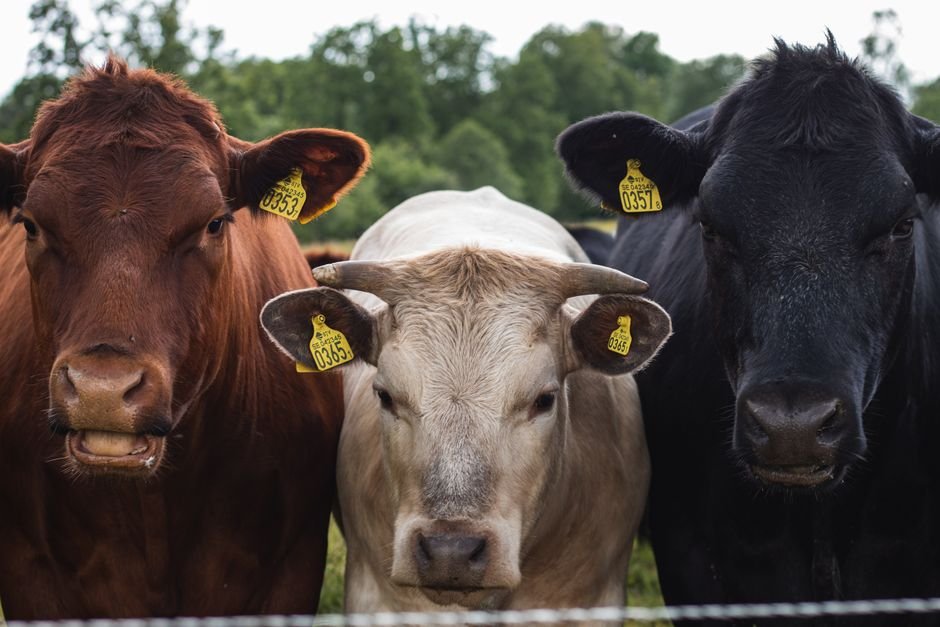
Ear tags are the most common form of cow ID, but incorrect placement can cause frequent tag loss or damage. Placing tags too close to the ear’s edge, through cartilage that is too thin, or on the wrong ear can result in tags falling off during grazing or being torn away during handling.
Research shows that between 5% and 15% of ear tags are lost annually due to improper placement or poor tag quality.
In addition to placement, the method of application matters. Using inadequate applicators or inexperienced personnel can cause tags to be inserted improperly, increasing the risk of infection or tag rejection. Studies from veterinary journals highlight that poor tagging techniques may lead to increased ear lesions and prolonged healing times, impacting animal welfare.
Farms operating in regions with dense vegetation or thorny brush also face higher tag loss rates due to physical damage during grazing.
- Impact: Lost tags lead to missing identification, requiring re-tagging and increasing labor costs. Tag loss can also delay veterinary treatments if animals cannot be easily identified.
- Prevention: Follow manufacturer guidelines for tag placement, typically in the center of the ear between the two main cartilage ribs. Train staff thoroughly on proper tagging techniques and inspect ears regularly for signs of tag damage or infection. In high-risk environments, consider using protective tag designs or supplementary identification methods.
3. Failure to Update Identification After Animal Changes
Cows may be sold, moved between herds, or change ownership, but their identification often remains unchanged on paper or in digital records. Failing to update identification details causes errors in ownership, veterinary care, and breeding records.
For instance, unmapped transfers can lead to duplicate animal entries—one under the old owner and one under the new owner—complicating regulatory compliance, especially in countries with traceability laws.

In addition, failure to update identification can cause problems during audits or livestock sales. Buyers often request comprehensive health and lineage records linked to a specific animal ID. Inaccurate or outdated records can decrease the resale value of livestock and erode buyer trust.
Countries with stringent traceability requirements, such as Australia and Canada, have digital platforms that track animal movements nationwide. Farms not promptly updating their records risk exclusion from these systems, which may limit market access.
- Impact: Regulatory fines, health risks due to misapplied treatments, and financial discrepancies.
- Prevention: Implement strict protocols for updating identification details immediately after transfers or ownership changes. Integrate identification updates with official government databases where applicable and conduct periodic audits to verify data accuracy.
4. Using Low-Quality Identification Tags or Materials
Investing in cheap or inferior tags might seem cost-effective initially but leads to high long-term expenses due to tag loss, fading, or breakage. Tags made of substandard plastic can crack in extreme weather, while metal tags can rust or corrode.
Studies indicate that durable, weather-resistant tags reduce annual replacement rates from as high as 15% to below 4%.
Beyond material quality, the legibility of tags is critical. UV exposure, mud, and barnyard grime can obscure printed or stamped numbers, making visual identification difficult. Some farms have adopted laser-engraved tags or color-coded systems to improve visibility and longevity.
Environmental factors also play a role; farms in colder climates must use tags that can withstand freezing temperatures without becoming brittle, while tropical farms need tags resistant to heat and humidity.
- Impact: Frequent replacements increase labor and material costs and interrupt herd monitoring. Poor tag durability can also impede data collection during health inspections or breeding programs.
- Prevention: Choose tags rated for local climate conditions and stress resistance, and replace damaged tags promptly. Consider investing in premium tags with UV protection, flexible materials, or antimicrobial coatings to extend lifespan.
5. Poor Record-Keeping and Data Entry Errors
Even with perfect physical identification, poor documentation can render the identification useless. Manual record-keeping or inconsistent data entry leads to errors, such as mixing animal ID numbers, incorrect birth dates, or missed health records.
A survey of 50 mid-sized farms revealed that 30% experienced errors in their paper-based records causing delays in veterinary treatment or breeding decisions.
Human error is a primary factor, especially in busy farm environments where multiple staff handle data entry. Mistyped numbers or misreading handwritten notes can lead to incorrect medication administration or missed vaccinations, risking animal health.
Furthermore, lack of real-time data synchronization means that critical updates may be delayed, complicating herd management decisions. For example, a cow identified as pregnant in one record but not in another can result in inappropriate feeding or medication.

- Impact: Reduced herd productivity and increased risk of disease outbreaks.
- Prevention: Use digital herd management software with barcode scanners or RFID readers to reduce human error and synchronize data. Implement regular staff training on data entry protocols and conduct periodic audits to identify and correct discrepancies.
6. Ignoring Regulatory Compliance Requirements
National and regional governments often mandate specific identification standards for cattle to ensure traceability for disease control, food safety, and theft prevention. Ignoring these legal requirements—such as failing to use approved tag types or not registering animals properly—can result in penalties.
For example, in the European Union, all cattle must have approved ear tags and be registered in a central database. Non-compliant farms risk fines up to thousands of euros and possible restrictions on livestock movement.
In the United States, the USDA’s Animal Disease Traceability program requires identification for interstate movement of cattle, with specific tag standards and record-keeping rules. Failure to comply can result in quarantine or denial of entry at state borders.
Additionally, compliance affects market access. Exporters must demonstrate traceability to satisfy international buyers and meet certification standards. Farms ignoring these rules may lose lucrative contracts or face shipment delays.
- Impact: Legal penalties, inability to sell or transport cattle, and damage to farm reputation.
- Prevention: Stay informed about local regulations and ensure all identification complies with current laws. Join industry groups for updates, attend training sessions, and maintain documentation proving compliance.
7. Overlooking Identification for Youngstock or Calves
Calves are often overlooked during identification, either due to the extra handling required or the assumption that they will be identified later. Delaying calf identification can cause confusion when calves are integrated into the main herd or sold.
Proper identification within the first week of life is critical to maintaining accurate birth records and health tracking.
Early identification facilitates the recording of important health interventions such as vaccinations, deworming, and weaning status. According to a study by the National Animal Health Monitoring System, calves identified within the first 48 hours showed a 25% improvement in vaccination compliance rates compared to those tagged later.
Delays also increase the risk of misidentification, especially in herds with multiple calves born in a short period. This can complicate lineage tracking, impacting selective breeding programs aimed at improving herd genetics.
- Impact: Lost early-life health data, complicated breeding records, and difficulties in traceability.
- Prevention: Establish a protocol to tag calves promptly after birth, ideally within 24 to 48 hours. Use temporary tags if necessary to ensure immediate identification, followed by permanent tags once calves are older and easier to handle.
Comparison Table: Common Mistakes vs. Their Impacts and Solutions
| Mistake | Impact | Practical Solution |
|---|---|---|
| Inconsistent ID methods | Confusing records, duplicate IDs | Standardize ID system; cross-reference data |
| Poor ear tag placement | Tag loss, re-tagging costs | Follow placement guidelines, train staff |
| Failure to update records | Ownership confusion, health risks | Immediate data updates post-transfer |
| Low-quality tags | Frequent replacements, wasted resources | Use weather-resistant, durable tags |
| Poor record-keeping | Data errors, delayed treatments | Use digital management tools |
| Ignoring regulations | Fines, restricted livestock movement | Comply with local legal requirements |
| Delayed calf ID | Lost early data, traceability issues | Tag calves within first 48 hours |
Conclusion: Building a Reliable Identification System
Effective cow identification is more than just tagging animals—it’s about creating a dependable system that supports accurate record-keeping, complies with regulations, and facilitates efficient farm operations. By recognizing and addressing these common mistakes, farmers can avoid costly errors and improve herd health management.
Investing time and resources in proper training, quality materials, and digital tracking tools will pay dividends in the long run, making herd management more transparent, effective, and profitable. Furthermore, adopting a proactive approach to animal identification not only enhances productivity but also contributes to animal welfare, biosecurity, and sustainability efforts within the livestock industry.