
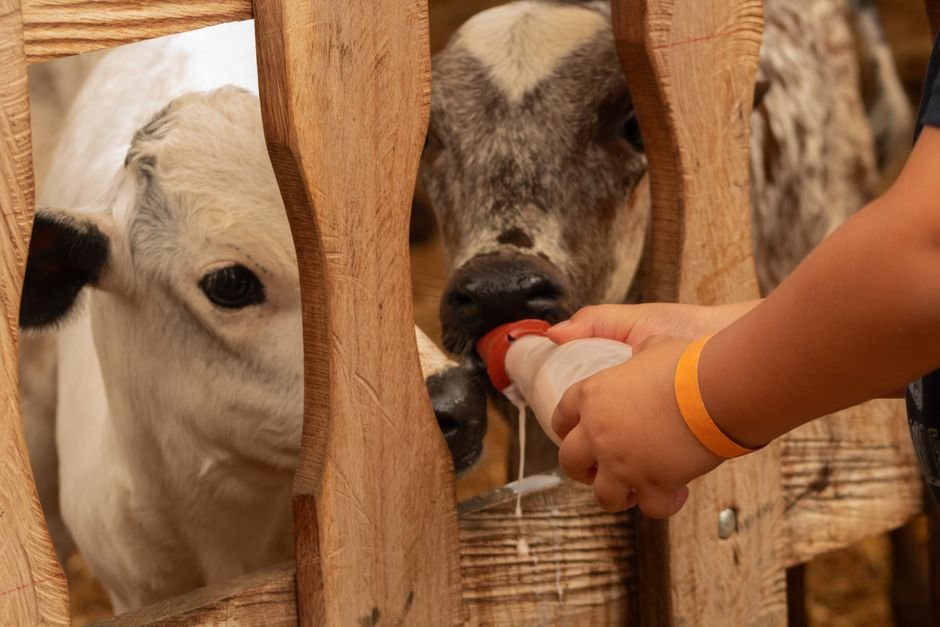
Introduction to Bottle Calf Feeding
Raising a bottle-fed calf requires a carefully planned feeding schedule to ensure proper growth, health, and development. Unlike calves that nurse from their mothers, bottle-fed calves depend entirely on human management for nutrition. This makes following a structured feeding routine crucial, especially during the first 30 weeks of life when the calf transitions from milk to solid feed.
This article provides a detailed, week-by-week feeding schedule for bottle calves, complete with a clear chart and practical tips to optimize calf care.
Why Follow a Weekly Feeding Schedule?
A week-by-week feeding schedule helps producers track the calf’s nutritional progress, avoid over- or underfeeding, and anticipate dietary transitions. Calves’ digestive systems develop rapidly during the first few months, moving from milk-only diets to including solid feed and eventually weaning. Monitoring feed amounts, frequency, and types ensures calves meet growth milestones and avoid common problems such as scours, bloat, or poor weight gain.
In addition, adhering to a structured feeding program allows for timely adjustments based on the calf’s individual growth rates and health status. For instance, calves that show slowed weight gain can have their milk volume or starter feed increased accordingly, while overly fast gainers may require adjustments to prevent excessive fat deposition that could impact future performance. Using a schedule also facilitates record-keeping and enables caretakers to identify patterns, such as decreased starter consumption, which may signal illness or digestive distress.
Key Feeding Principles
- Consistency: Feed at regular times daily to regulate digestion and intake.
- Volume: Start with smaller, frequent feedings and increase as the calf grows.
- Cleanliness: Sanitize bottles and nipples after every feeding to prevent infections.
- Gradual Transition: Slowly introduce calf starter and hay to prepare the rumen.
- Observation: Monitor the calf’s appetite, fecal consistency, and behavior to catch early signs of illness.
- Balanced Nutrition: Ensure the milk replacer or whole milk used contains adequate protein (20-22%) and energy to support rapid growth.
30-Week Bottle Calf Feeding Schedule Chart
| Week | Feeding Frequency | Milk Volume / Day | Milk Type & Notes | Feed Introductions | Additional Notes |
|---|---|---|---|---|---|
| 1-2 | 4 feedings/day | 2-3 quarts | Whole milk or milk replacer (20% protein) | None | Monitor temperature, ensure colostrum intake within first 6 hours |
| 3-4 | 3 feedings/day | 3-4 quarts | Milk replacer or whole milk | Introduce calf starter (0.5 lb/day) | Offer fresh water daily; check for starter intake |
| 5-6 | 2 feedings/day | 4 quarts | Milk replacer, 20-22% protein | Increase starter to 1 lb/day | Begin introducing small amounts of chopped hay |
| 7-8 | 2 feedings/day | 3 quarts | Milk replacer | Starter up to 1.5 lb/day; hay 0.5 lb/day | Encourage rumination by providing quality hay |
| 9-12 | 1-2 feedings/day | 2 quarts | Milk replacer | Starter 2-3 lb/day; hay 1 lb/day | Observe for weaning readiness; calf should consume >2 lb starter/day |
| 13-16 | 1 feeding/day or less | 1-2 quarts (optional) | Milk replacer or none | Starter 3-4 lb/day; hay 1.5-2 lb/day | Begin full weaning by week 16 if starter intake is adequate |
| 17-24 | None (fully weaned) | 0 quarts | None | Starter 4-5 lb/day; hay 2-3 lb/day | Monitor weight gain and health; provide clean water and minerals |
| 25-30 | None | 0 quarts | None | Gradually transition to full solid feed (forage, grain mix) | Prepare for grouping with older cattle; continue health checks |
Detailed Week-by-Week Feeding Breakdown
Weeks 1-2: Colostrum and Early Milk Feeding
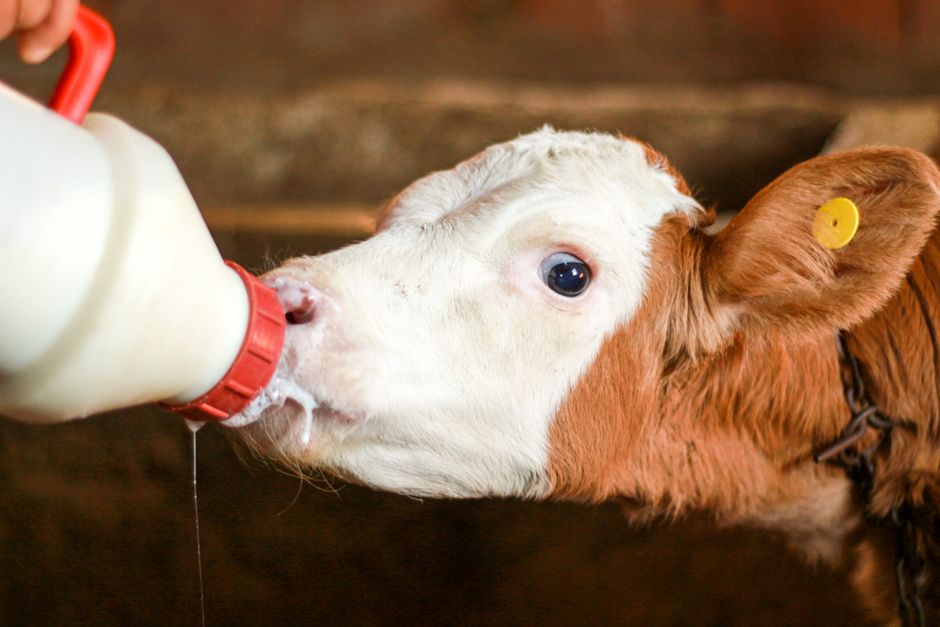
The first 24 hours after birth are critical for colostrum intake, which provides essential antibodies and nutrients. Feed 2-3 quarts of high-quality colostrum within the first 2 hours, then continue with whole milk or a milk replacer that contains at least 20% protein. Feed four times daily at evenly spaced intervals to avoid digestive upset.
Colostrum quality is a determining factor in the calf’s immune defense during early life. It’s recommended to test colostrum with a Brix refractometer to ensure IgG concentrations exceed 50 mg/mL. Failure of passive transfer due to inadequate colostrum intake increases susceptibility to infections such as pneumonia and scours. Additionally, maintaining milk temperature between 101-103°F replicates the natural nursing experience and improves feeding acceptance.
During this period, monitor the calf’s hydration status closely. Dehydration can occur rapidly if the calf experiences diarrhea or poor suckle reflex. Supplementing electrolytes in cases of mild dehydration may be necessary alongside milk feedings, but always consult a veterinarian before administering additional supplements.
Weeks 3-4: Introducing Starter Feed and Reducing Milk Feedings
At weeks 3 and 4, reduce feedings to three times per day and increase the volume to 3-4 quarts daily. This period is ideal for introducing a high-quality calf starter, beginning with about half a pound per day. Make sure fresh, clean water is available at all times to encourage consumption and maintain hydration.
Calf starter feeds at this stage should contain at least 18-20% crude protein, with highly digestible ingredients such as ground corn, soybean meal, and alfalfa meal. Introducing starter encourages rumen microbial colonization and development of the ruminal papillae, which absorb volatile fatty acids necessary for energy once milk feedings cease.
It is equally important to ensure that calves have free access to fresh, clean water. Water intake stimulates starter consumption, aids digestion, and supports overall metabolism. Research shows that calves with unrestricted water access consume 10-20% more starter feed and gain weight more rapidly than those without.
At this stage, observe the calf’s stool consistency to detect early signs of digestive upset due to feed changes. Soft, loose stool may be normal during starter introduction but prolonged diarrhea warrants consultation with a veterinarian.
Weeks 5-8: Transitioning to Two Feedings and More Solid Feed
By week 5, milk feedings can be cut to twice daily, dropping to about 3-4 quarts per day. Increase starter feed gradually to 1.5 pounds or more by week 8, and introduce chopped hay to help rumen development. Protein in milk replacers should be around 20-22% at this stage.
For more on this, see our related guide: Can Cows Eat Watermelon? How to Safely Feed Cull Fruit to Your Herd.
The introduction of chopped hay at this point aids rumen muscular development and stimulates chewing and saliva production, which buffers rumen pH. High-quality grass or legume hay chopped to 1-2 inch lengths is recommended. Avoid coarse or dusty hay to prevent respiratory issues and ensure palatability.
Some producers opt to introduce textured starter feeds containing a mix of pellets, grains, and molasses to enhance intake and palatability. It’s beneficial to monitor daily starter and hay intake carefully, aiming for a gradual increase each week. Calves consuming more solid feed are less dependent on milk, making the eventual weaning process smoother.
During this period, maintain meticulous hygiene of feeding equipment to reduce pathogen transmission, especially with increased feedings. At the same time, consider supplementing with calf minerals fortified with trace elements like zinc, copper, and selenium to support immune function and growth.
Weeks 9-12: Preparing for Weaning
Milk feedings are reduced to once or twice daily, totaling roughly 2 quarts. At this point, ensure the calf is consuming at least 2 pounds of calf starter daily. Hay should be increased to approximately 1 pound per day. This stage is critical for rumen development and preparing the calf for full weaning.
Weaning readiness depends on the calf’s solid feed intake, not solely on age. Studies show that calves consuming at least 2 pounds of starter feed per day for 3 consecutive days are ready to begin weaning. Gradual reduction of milk volume reduces dependency and encourages greater starter and forage consumption.
Continue offering good-quality hay during this phase to maintain rumination and prevent ruminal acidosis. Some producers add probiotics or direct-fed microbials to starter feed to enhance rumen microbial populations and improve feed efficiency.
Monitoring growth rates and body condition scores during this phase is essential. Calves should gain approximately 1.5 to 2 pounds per day; any reduction may indicate health or nutritional issues requiring intervention.
Weeks 13-16: Weaning Phase
Weaning begins gradually if the calf consistently consumes over 2 pounds of starter feed daily. Milk feedings are reduced to one feeding or eliminated altogether. Starter feed quantities should increase to 3-4 pounds, with hay intake between 1.5 and 2 pounds. Monitor calves closely for stress or weight loss during weaning.
Stress during weaning can predispose calves to illness. Strategies to minimize stress include:
- Gradual reduction of milk volume rather than abrupt cessation.
- Maintaining consistent feeding times and a calm environment.
- Ensuring adequate bunk space to reduce competition for starter feed.
During this time, it’s also beneficial to provide trace mineral supplements and ensure clean, fresh water is always accessible. Weight loss of up to 5% during weaning can occur; however, losses beyond this warrant examination of feeding practices and health status. Observing fecal consistency and behavior closely helps catch signs of digestive upset or respiratory disease early.
If you’re also looking into this, our article on Essential Highland Cow Care: A Comprehensive Guide to Raising Healthy Herds covers it in more detail.

Weeks 17-24: Fully Weaned and Solid Feed Focus
By week 17, calves should be fully weaned off milk and subsisting entirely on solid feed. Starter feed should be about 4-5 pounds per day, and hay intake should be increased to 2-3 pounds daily, promoting proper rumen function. Maintaining fresh water and mineral supplements is essential.
At this stage, calves are transitioning from starter diets to grower rations, which typically contain 16-18% crude protein with balanced energy levels to support steady growth. Forage quality is critical; feeding good-quality hay reduces digestive disturbances and supports rumen health.
Bodyweight gain should be consistent, ideally around 1.5-2 pounds daily. Weighing calves biweekly during this period is recommended to ensure growth targets are met. Any deviations can be addressed promptly by adjusting ration composition or seeking veterinary advice.
This phase also marks the time when socialization with other calves or groups begins, which influences feeding behavior and stress levels. Introducing play areas and ample space to reduce competition during feeding can improve overall feed intake.
Weeks 25-30: Growing on Solid Feed
Calves continue growing on solid feed, transitioning to a forage and grain mix suitable for their age and size. Starter feed may be gradually phased out and replaced with balanced grower rations. Socialization with older animals and routine health assessments are recommended during this stage.
During these weeks, nutrition programs should emphasize energy-dense feeds to support skeletal growth and muscle accretion, preparing calves for breeding or integration into the main herd. Balanced rations containing adequate fiber, energy, protein, vitamins, and minerals are imperative.
Regular health checks, including vaccination boosters and deworming protocols, should be implemented. Social grouping with older cattle must be managed carefully to prevent bullying and ensure all calves have adequate access to feed and water.
Production records during this stage provide valuable data for future management decisions, including feed efficiency and growth rates toward maturity.
Common Feeding Mistakes and How to Avoid Them
- Feeding too much milk too fast: Can cause scours and poor digestion. Follow gradual increases and proper frequency.
- Neglecting water availability: Water encourages starter intake and digestion—always provide fresh water.
- Introducing solid feed too late: Delays rumen development, making weaning difficult.
- Poor hygiene: Dirty bottles and nipples increase infection risk. Clean after every feeding.
- Rushing weaning: Wait until calves consume adequate starter feed to avoid weight loss.
- Not monitoring feed intake: Lack of record-keeping may allow slow or rapid growth to go unnoticed.
- Ignoring environmental stressors: Cold, wet, or overcrowded housing contributes to poor feed intake and disease.
- Using low-quality starters or hay: Poor feed quality reduces intake and nutrient absorption.
Practical Tips for Successful Bottle Feeding
- Warm milk replacer to 101-103°F to mimic natural cow’s milk temperature.
- Use nipple bottles designed for calves to encourage proper suckling.
- Feed calves in a calm, consistent environment to reduce stress.
- Record daily feed amounts and calf weight to detect issues early.
- Consult a veterinarian for milk replacer formulations and health concerns.
- Ensure housing is dry, draft-free, and comfortable to promote appetite and health.
- Introduce solid feeds gradually and observe calves for acceptance and any refusal.
- Consider using probiotics or yeast supplements to support rumen development and immunity.
- Maintain proper ventilation in calf housing to reduce respiratory disease risk.
Conclusion
Maintaining a precise, week-by-week bottle calf feeding schedule is vital for healthy development and smooth transitions from milk to solid feed. The chart and breakdown provided here serve as a practical reference for calf raisers to optimize nutrition and growth through the first 30 weeks of life.
By following this schedule, carefully observing your calf’s intake and behavior, and adjusting as needed, you will help ensure your bottle calf grows into a strong, healthy animal ready for the next stages of cattle management. Remember that each calf is unique, and flexibility in your feeding program combined with attentive care will yield the best results.