
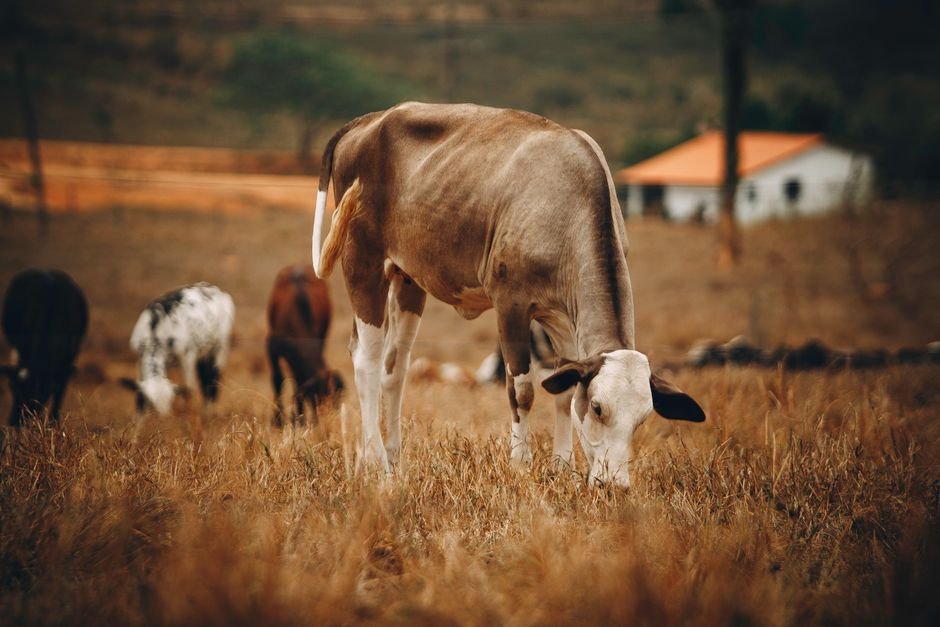
What Do Cattle Need to Eat to Stay Healthy? A Direct Answer
Cattle require a balanced diet primarily composed of high-quality forage, supplemented with necessary minerals, vitamins, and energy-rich feeds to maintain health. Their diet must provide adequate fiber for rumen function, sufficient protein for growth and repair, and essential minerals like calcium and phosphorus. Without this balance, cattle risk digestive issues, poor growth, and lower immunity.
To optimize cattle health, it is important to understand how each component of their diet interacts with their digestive system, particularly the rumen, and how nutritional needs vary according to life stage, breed, and production goals. For example, dairy cows producing high volumes of milk have considerably higher energy and protein demands than mature beef cows on pasture. Similarly, young growing calves require a nutrient-dense diet to support rapid tissue development, while dry cows (non-lactating) need lower energy intake to avoid excessive fat gain.
The Foundation of Cattle Diet: Forage
Forage is the cornerstone of a healthy cattle diet, providing the fiber critical for proper rumen fermentation. Most beef and dairy cattle consume between 1.5% and 3% of their body weight daily in dry matter forage. Common forage types include:
- Pasture grasses such as Kentucky bluegrass, Bermuda grass, and orchardgrass.
- Legumes like alfalfa and clover, which offer higher protein content.
- Hay harvested during peak nutritional periods, such as Timothy or mixed grass hay.
Good forage must be free from mold and toxic plants. The National Research Council (NRC) recommends forage with a neutral detergent fiber (NDF) content of 40-55% to support effective chewing and digestion. Fiber stimulates saliva production, which buffers rumen pH and maintains a healthy microbial population capable of breaking down complex carbohydrates into volatile fatty acids (VFAs) that serve as the primary energy source for cattle.
Forage quality is highly dependent on harvest timing and preservation methods. For instance, alfalfa harvested at early bloom stage contains more digestible protein and energy than late bloom or mature hay. Ensiling forages like corn or grass silage can preserve nutrients effectively and provide higher moisture feeds that are palatable and digestible, especially in winter months when pasture availability is limited.
Pasture management techniques such as rotational grazing can improve forage quality and availability, reducing overgrazing and soil degradation. Studies have shown that well-managed pastures can increase average daily gain (ADG) in beef cattle by up to 25% compared to continuous grazing systems, due to improved forage nutritive value.
Energy Sources Beyond Forage: Grains and Concentrates
While forage provides fiber and some energy, additional energy-dense feeds often supplement cattle diets, especially in dairy production or growing stock. Common energy feeds include:
- Corn—a starch-rich grain, widely used for finishing beef cattle.
- Barley and oats—used in cooler climates and as partial forage substitutes.
- Byproduct feeds such as distillers grains from ethanol production, which provide both energy and protein.
Corn grain, due to its high starch content, is highly fermentable in the rumen, providing energy for rapid weight gain and milk production. However, excessive starch intake can lower rumen pH, causing subacute ruminal acidosis (SARA), which impairs fiber digestion and can lead to liver abscesses and laminitis. To mitigate these risks, feedlot diets often include buffers such as sodium bicarbonate and maintain physically effective fiber levels through forage inclusion.
Barley and oats have slightly different starch structures and fiber levels than corn, making them better suited for cooler climates where forage production is limited. Barley, in particular, is more rapidly fermented and may require gradual adaptation to prevent digestive upset.
Byproduct feeds like distillers dried grains with solubles (DDGS) have gained popularity due to their high protein and energy content combined with relatively low cost. Research shows that replacing up to 30% of the diet dry matter with DDGS can improve feed efficiency and weight gain in finishing cattle without negative health effects when properly balanced.
Energy supplementation must be carefully balanced to prevent ruminal acidosis. Typically, grain inclusion should not exceed 60% of the total diet dry matter for dairy cows and often less for beef cattle grazing on forage. Dairy cows producing more than 80 pounds of milk daily may require grain and concentrate inclusions up to 50-60% of the diet dry matter, while beef cattle on pasture generally perform best with less than 40% concentrates.
Protein Requirements: Meeting Growth, Reproduction, and Milk Production Needs
Protein supports muscle growth, milk synthesis, and overall tissue repair. Cattle need both rumen degradable protein (RDP) and undegradable protein (RUP) to optimize microbial function and animal absorption. Typical crude protein requirements vary:
- Growing beef calves: 12-16% crude protein in the total diet.
- Lactating dairy cows: 16-18% crude protein due to higher production demands.
- Maintenance adult cattle: around 8-10% crude protein.
Rumen microbes utilize RDP to produce microbial protein, which is digested in the intestines and supplies essential amino acids to the host animal. RUP passes through the rumen undegraded and provides additional amino acids directly. Balancing these two protein fractions is essential to maximize nitrogen efficiency and avoid excess ammonia production, which wastes protein and can burden the liver.
For more on this, see our related guide: Can Cows Eat Watermelon? How to Safely Feed Cull Fruit to Your Herd.
Forage legumes like alfalfa naturally provide higher protein, whereas grass hays have less. For example, alfalfa hay may contain 18-22% crude protein, while mature grass hay often contains only 8-12%. Therefore, diets based mainly on grass forage typically require protein supplementation.
Protein supplements can include soybean meal and cottonseed meal. Soybean meal, with its high rumen degradability, supplies ample RDP, whereas cottonseed meal tends to have more RUP, making it useful in balancing protein fractions. Other protein sources include canola meal, fish meal, and blood meal, though the latter is less common due to cost and palatability.
In high-producing dairy cows, insufficient protein can lead to reduced milk yield and impaired fertility. Research indicates that feeding 16-18% crude protein with an optimized balance of RDP and RUP improves milk protein content and reproductive efficiency.
Vital Minerals and Vitamins for Cattle Health
Minerals and vitamins are crucial for metabolic function, skeletal integrity, and immune response. Key minerals include:

- Calcium and phosphorus: Needed in a roughly 2:1 ratio for bone health. Calcium sources include limestone and dicalcium phosphate.
- Magnesium: Critical to prevent grass tetany, especially in spring pastures.
- Selenium and copper: Trace minerals often supplemented to prevent deficiencies common in specific regions.
Calcium supports skeletal structure, muscle contraction, and nerve function, while phosphorus is essential for energy metabolism and DNA synthesis. Imbalanced calcium to phosphorus ratios can impair absorption, leading to conditions such as urinary calculi in male cattle or osteoporosis.
Magnesium deficiency causes grass tetany, a metabolic disorder characterized by muscle twitching, loss of coordination, and sudden death. This condition is most prevalent in early spring when rapidly growing lush pastures are low in magnesium. Supplementation through mineral blocks, licks, or fortified feeds is a common preventive strategy.
Selenium is vital for antioxidant defense and thyroid function. Deficiency can cause white muscle disease in calves and compromised immunity. However, excessive selenium is toxic, so region-specific soil testing guides supplementation.
Copper is involved in iron metabolism and immune function but must be carefully managed due to toxicity risks in sheep and some cattle breeds. Monitoring copper levels is especially important when cattle graze pastures with sheep or consume feeds high in molybdenum or sulfur, which interfere with copper absorption.
Vitamins A, D, and E are fat-soluble and frequently supplemented, especially when cattle consume stored feeds. Vitamin A deficiency can cause vision problems and reproductive issues, so beta-carotene rich feeds like fresh green forage are beneficial. Vitamin D regulates calcium and phosphorus metabolism, and its deficiency leads to rickets. Vitamin E acts as an antioxidant, supporting immune function and reproductive health.
Water-soluble vitamins, including B-complex and vitamin C, are generally synthesized by ruminal microbes and do not require supplementation under normal conditions.
Water: The Overlooked Essential Nutrient
Water is fundamental in cattle nutrition, influencing feed intake and metabolic functions. An adult cow drinks 10-20 gallons (38-76 liters) daily, depending on weather, diet, and lactation status. Water should be clean, fresh, and accessible at all times. Limited water availability can reduce dry matter intake and overall health.
Environmental factors heavily influence water consumption: hot weather, lactation, and high salt intake increase water needs. For example, a lactating dairy cow producing 100 pounds of milk daily may consume up to 50 gallons (190 liters) of water. Conversely, cold weather reduces water intake but the need remains significant to maintain hydration and metabolic processes.
Water quality is equally important; contamination with bacteria, excessive minerals, or toxins like nitrates can depress intake and cause illness. Regular testing and maintenance of watering systems are essential, especially in large operations.
If you’re also looking into this, our article on Proven Tips to Reduce Weaning Stress in Calves During Hot Weather covers it in more detail.
Research demonstrates that cattle with unrestricted access to clean water have better feed efficiency, weight gain, and reproductive success compared to animals with restricted or poor-quality water.
Feeding Strategies: Matching Diet to Production Stage and Breed
Cattle feeding plans vary based on breed, age, and production goals. For example, Angus beef cattle may require different energy and protein levels compared to Holstein dairy cows. Key strategies include:
- Growing calves: High protein and energy diets to support rapid growth.
- Lactating cows: Increased energy density and mineral supplementation to maintain milk yield and reproductive health.
- Dry cows and mature maintenance cattle: Balanced forage with limited concentrates to prevent overconditioning.
Genetic potential of the breed influences nutrient requirements. Holstein dairy cows, for instance, have higher dry matter intake capacity and milk production potential, necessitating nutrient-dense rations with adequate fiber, protein, and minerals. Beef breeds like Angus or Hereford tend to have slower metabolic rates and different energy partitioning, emphasizing forage quality.
Supplementation strategies vary; growing calves often benefit from creep feeding to increase nutrient intake beyond what is available from the dam’s milk and pasture. Creep feeds typically contain high-quality protein sources like soybean meal and energy-dense grains to promote lean tissue deposition.
Lactating cows require diets formulated to maximize both milk volume and components like fat and protein while maintaining reproductive function. Balancing rumen fermentable carbohydrates with effective fiber helps optimize milk production and reduce metabolic disorders like ketosis.
Dry cows need a controlled energy intake to avoid excessive weight gain, which can lead to dystocia and metabolic issues after calving. Adjusting mineral supplementation during the dry period supports fetal development and prepares the cow for lactation.
Regular body condition scoring (BCS) helps adjust feed amounts. The University of Wisconsin Extension recommends a BCS of 5 on a 9-point scale for most dairy cows at calving. Studies show that cows calving at a BCS below 4 have reduced milk yield and fertility, while those above 6 may experience metabolic diseases.
Common Feeding Mistakes That Harm Cattle Health
Missteps in cattle nutrition can lead to digestive disorders, poor growth, and disease. Frequent mistakes include:

- Overfeeding grain: Leading to ruminal acidosis and laminitis.
- Insufficient fiber: Resulting in poor rumen function and reduced feed efficiency.
- Ignoring mineral balance: Causing deficiencies or toxicities, such as copper poisoning in sheep sharing pastures.
- Poor water quality or availability: Reducing feed intake and productivity.
Overfeeding grain without adequate fiber can cause rapid fermentation of starches producing excess volatile fatty acids, dropping rumen pH below 5.5, which kills fiber-digesting microbes and damages rumen lining. Symptoms include decreased feed intake, diarrhea, and lameness. Prevention includes gradual adaptation to grain, buffering agents, and sufficient forage.
Insufficient effective fiber reduces chewing and saliva production, impairing rumen buffering. This lowers fiber digestibility and volatile fatty acid production, decreasing energy supply and growth rates. Including long-stemmed forage or physically effective fiber in total mixed rations (TMR) is essential.
Ignoring mineral balance can lead to complex issues. For example, excess sulfur in water or feed can bind copper and cause secondary copper deficiency. Conversely, excess copper can be fatal to sheep grazing alongside cattle. Testing soils, forages, and water is critical for appropriate supplementation.
Poor water quality can stem from algae blooms, bacterial contamination, or high nitrate levels, all of which reduce intake and cause illness. Ensuring water troughs are cleaned regularly and protected from contamination is a low-cost way to maintain herd health.
This ties in closely with Beginner Basics for Cattle: A Practical Guide to Starting Your Herd, worth a look if you want to go deeper.
Consultation with a livestock nutritionist can prevent costly errors and improve herd health. Nutritionists use feed analysis, animal performance data, and economic considerations to formulate balanced rations tailored to specific herd needs.
Monitoring and Adjusting Diet Based on Results
Effective cattle feeding requires ongoing monitoring. Key indicators include weight gain, milk production, reproductive performance, and signs of metabolic disorders. Feed analysis labs can test nutrient content, allowing precise ration formulation. Tools like Penn State’s Nutrient Requirements Model offer calculators for tailored feeding plans.
Body condition scoring and regular weight measurements help detect under- or overfeeding early. Milk component testing (fat, protein, lactose) provides insight into dietary adequacy and rumen function. For example, low milk fat can indicate insufficient fiber or ruminal acidosis.
Fecal scoring and rumen fluid analysis are additional diagnostic tools. Fecal consistency and particle size can reflect diet digestibility and fiber adequacy. Rumen fluid analysis for pH and microbial populations can identify subclinical acidosis or other digestive issues.
Precision feeding technologies, including automated feeders and electronic monitoring systems, allow real-time tracking of individual animal intake and behavior, enabling prompt diet adjustments to improve health and productivity.
Economic evaluation of feed costs versus production gains ensures that dietary changes are financially sustainable. Adjustments may include changing forage sources, supplement types, or feeding frequency to optimize returns.
| Production Stage | Crude Protein % | Energy (TDN %) | Typical Feed Components |
|---|---|---|---|
| Growing calves | 12-16% | 70-75% | Legume hay, grain mix, soybean meal |
| Lactating dairy cows | 16-18% | 70-80% | High-quality forage, corn silage, protein supplements |
| Maintenance adult cattle | 8-10% | 55-60% | Good-quality pasture, grass hay |
Frequently Asked Questions
What types of forage are best for maintaining cattle health?
High-quality grasses like orchardgrass and timothy, combined with legumes such as alfalfa, provide balanced fiber and protein. Forage should be free from mold and harvested at proper maturity to maximize nutrient content. For example, orchardgrass harvested at the boot stage contains higher digestible energy and protein than at the mature seed head stage. Including legumes improves nitrogen availability for microbial protein synthesis and overall dietary protein adequacy.
Can cattle rely solely on pasture for their nutritional needs?
While pasture can supply much of the needed fiber and some protein, many cattle—especially high-producing dairy cows or finishing beef—require additional energy and mineral supplements to meet their full nutritional requirements. Pasture quality fluctuates seasonally and geographically, often declining in nutrient density during hot, dry summers or cold winters. Supplementation with grains, byproduct feeds, and mineral blocks ensures consistent nutrient supply to maintain performance and health.
Why is fiber important in cattle diets?
Fiber is vital for maintaining proper rumen function and chewing activity, which supports microbial digestion and prevents digestive disorders like acidosis. Neutral detergent fiber (NDF) should generally be 40-55% of the diet dry matter. Physically effective fiber promotes rumination and saliva production, which buffers rumen pH and sustains populations of cellulolytic microbes that ferment fiber into volatile fatty acids, the main energy source for cattle. Insufficient fiber can reduce feed efficiency and lead to metabolic diseases.
How do mineral deficiencies affect cattle health?
Deficiencies in minerals such as selenium, copper, or magnesium can cause a range of problems including poor immune function, reproductive failures, and metabolic diseases like grass tetany. Region-specific mineral supplementation is often necessary. For instance, selenium-deficient soils are common in the Pacific Northwest and parts of the Midwest, where supplementation prevents white muscle disease and enhances fertility. Conversely, excess molybdenum in certain regions reduces copper absorption, necessitating higher copper supplementation.
What is the role of water in cattle nutrition?
Water directly influences feed intake and overall health. Cattle need constant access to clean water, drinking roughly 10-20 gallons daily depending on size and production stage. Water supports digestion, nutrient transport, thermoregulation, and waste elimination. During heat stress, water intake can double. Lack of adequate water reduces dry matter intake, causing weight loss, decreased milk production, and increased susceptibility to disease.