
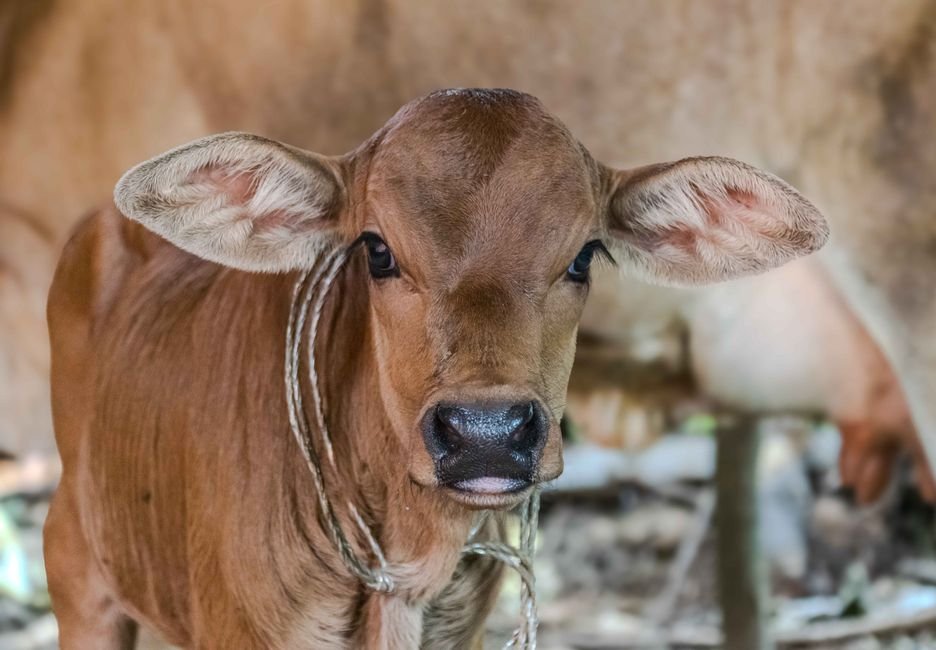
What Is Enteric Fermentation in Cattle?
Enteric fermentation in cattle is a natural digestive process where microbes in the rumen break down feed, producing methane gas as a byproduct. This methane is released primarily through belching. It contributes significantly to greenhouse gas emissions from livestock, accounting for roughly 30% of the agricultural methane worldwide, making it an important focus for both environmental impact and cattle management.
This process is not unique to cattle but occurs in all ruminants, including sheep, goats, and deer. However, cattle, due to their large population and significant feed intake, are the largest contributors globally. Estimates suggest that enteric methane emissions from cattle amount to approximately 90 million tonnes of methane annually worldwide, representing a considerable source of anthropogenic greenhouse gases.
Beyond its environmental significance, understanding enteric fermentation is crucial for improving feed efficiency and animal productivity. Methane production represents an energy loss to the animal, sometimes up to 12% of gross energy intake, which means that reducing methane could potentially improve the energy available for growth or milk production.
How Enteric Fermentation Occurs in Cattle
Cattle are ruminants, meaning they have a specialized stomach with four compartments: rumen, reticulum, omasum, and abomasum. The rumen hosts billions of microbes—bacteria, protozoa, and fungi—that ferment fibrous plant material like cellulose. This fermentation breaks down complex carbohydrates into volatile fatty acids (VFAs), which cattle absorb as a primary energy source.
These VFAs—mainly acetate, propionate, and butyrate—serve as essential energy substrates for various physiological functions including maintenance, growth, and lactation. The balance of VFAs produced influences not only energy supply but also the amount of methane generated, as different fermentation pathways yield varying hydrogen levels.
However, during this microbial fermentation, hydrogen and carbon dioxide react to form methane (CH4). Methanogenic archaea, a specific group of microbes, produce this methane to keep the rumen environment balanced by removing excess hydrogen. The methane is then expelled mainly through eructation (belching), with small amounts released in flatulence.
Research has identified that methanogens belong primarily to genera such as Methanobrevibacter and Methanosarcina, which utilize hydrogen to reduce CO2 into methane. The symbiotic relationship between fermentative microbes and methanogens maintains rumen redox balance and prevents hydrogen accumulation, which would otherwise inhibit fermentation efficiency.
Aside from hydrogenotrophic methanogenesis, other minor pathways such as methylotrophic methanogenesis occur but contribute less to total methane production. Additionally, rumen protozoa indirectly affect methane emissions by producing hydrogen and serving as hosts for methanogens embedded within their cells.
The Environmental Impact of Methane from Enteric Fermentation
Methane is a potent greenhouse gas with a global warming potential approximately 28 times greater than carbon dioxide over 100 years, according to the Intergovernmental Panel on Climate Change (IPCC). Enteric fermentation from cattle contributes about 20-25% of total methane emissions globally, making livestock one of the largest sources of methane.
The atmospheric lifetime of methane is around 12 years, much shorter than CO2, but its strong heat-trapping capability makes it a critical target for near-term climate mitigation efforts. Methane from enteric fermentation contributes significantly to global warming, with livestock methane emissions estimated to be responsible for approximately 6-8% of total anthropogenic greenhouse gas emissions worldwide.
In countries with large cattle industries, such as Brazil, the USA, and Australia, enteric methane is a major factor in agricultural greenhouse gas inventories. For example, the U.S. Environmental Protection Agency reports that enteric fermentation accounts for around 27% of all methane emissions in the United States. In Brazil, which holds the world’s largest cattle herd, enteric methane contributes substantially to national greenhouse gas emissions, driven largely by extensive pasture-based systems.
Importantly, enteric methane emissions vary with production systems. Intensive feedlot operations typically have lower methane emissions per unit of product compared to extensive grazing systems, where cattle consume high-fiber forages. This differentiation is critical when designing mitigation strategies adapted to regional agricultural practices.
For more on this, see our related guide: Proven Tips to Reduce Weaning Stress in Calves During Hot Weather.
Moreover, the growing global demand for beef and dairy products, particularly in emerging economies, threatens to increase enteric methane emissions unless sustainable livestock management practices are adopted. Therefore, mitigating methane emissions from enteric fermentation is recognized as a key component of aligning livestock production with global climate goals such as those set by the Paris Agreement.
Factors Influencing Enteric Fermentation and Methane Production
The amount of methane produced varies based on several factors:
- Diet Composition: High-fiber, low-quality forages result in more fermentation and methane, whereas diets rich in concentrates (grains) typically reduce methane per unit of feed.
Specifically, feeding cattle diets higher in readily fermentable carbohydrates, such as starch found in grains, shifts rumen fermentation toward propionate production, which consumes hydrogen and reduces methane output. For instance, replacing a portion of forage with corn or barley grain can decrease methane production by up to 20-30% per unit of feed intake. However, excessive concentrate feeding can lead to ruminal acidosis, so balance is essential.
In contrast, high lignin content in poor-quality forages limits digestibility and prolongs fermentation time, increasing methane emissions. Supplementing diets with high-quality forages or silage can improve digestibility and reduce methane intensity.

- Breed and Genetics: Some breeds like Angus or Holstein have different feed efficiency and rumen microbiota, influencing methane output.
Genetic selection offers potential for reducing methane emissions on a herd scale. Studies indicate that individual animals vary naturally in methane production even when fed identical diets, with differences linked to rumen microbial composition and feed conversion efficiency. Research in dairy cattle, for example, has identified heritability estimates for methane traits between 0.2 and 0.4, suggesting moderate genetic influence.
Breeding programs incorporating methane emission traits alongside productivity metrics are emerging, with genomic selection tools helping identify animals with favorable profiles. For example, the Low Emission Animal Research (LEAR) program in New Zealand aims to breed cattle that produce less methane without compromising output.
- Feed Additives and Supplements: Compounds such as ionophores, tannins, or 3-nitrooxypropanol (3-NOP) can inhibit methanogens, reducing methane emissions.
Ionophores like monensin have been used for decades to modify rumen fermentation, shifting hydrogen utilization away from methanogenesis. While effective, their use is regulated due to concerns over antibiotic resistance. Plant secondary metabolites such as condensed tannins and saponins have antimicrobial properties that can suppress methanogens or protozoa, with variable methane reduction effects ranging from 10-25% depending on source and dose.
3-Nitrooxypropanol (3-NOP) is a novel synthetic inhibitor targeting the enzyme methyl-coenzyme M reductase critical for methane formation. Multiple trials report methane reductions of 20-30% without negative effects on feed intake or milk production, making it a promising tool for commercial use. Research is ongoing on other additives like algae-derived compounds (e.g., bromoform from red seaweed) which have demonstrated methane reductions exceeding 50% in some studies, though large-scale application faces challenges in supply and safety.
- Animal Age and Production Stage: Growing calves and lactating cows may produce different methane levels depending on feed intake and metabolism.
Young calves produce relatively less methane due to lower feed intake and immature rumen function. As animals grow and feed intake increases, absolute methane emissions rise. Lactating cows, with their higher energy demands, often consume more feed, leading to increased methane output, although emission intensity (methane per unit of product) may improve due to higher productivity. Dry cows and finishing cattle on high-concentrate diets typically have different methane profiles reflecting metabolic demands and feed composition.
Measuring Enteric Methane Emissions in Cattle
Accurate measurement of enteric methane is essential for research and mitigation strategies. Common methods include:
- Respiration Chambers: These allow precise measurement by enclosing animals in controlled environments but are costly and limit natural behavior.
Respiration chambers provide gold-standard data by capturing all emitted gases and measuring them continuously over 24-hour periods or longer. This method enables detailed analysis of methane production in relation to feed intake, animal physiology, and environmental conditions. However, chambers are expensive to build and maintain, restrict natural movement and social interactions, and are impractical for large-scale or field studies.
- SF6 Tracer Technique: Involves placing a small permeation tube releasing sulfur hexafluoride gas in the rumen, with methane sampled from the animal’s breath.
The SF6 technique is widely used in grazing systems because it allows measurement of methane emissions from free-ranging animals. The animal’s breath is sampled via a halter-mounted collection device that captures exhaled gases, and methane emissions are estimated based on the ratio of methane to SF6 released. While less precise than respiration chambers, it is more applicable for on-farm conditions and large numbers of animals.
If you’re also looking into this, our article on Can Cows Eat Watermelon? How to Safely Feed Cull Fruit to Your Herd covers it in more detail.
- Laser Methane Detectors and Portable Analyzers: Non-invasive tools used on farms for spot measurements but less precise for daily emissions.
Laser methane detectors measure methane concentrations remotely by analyzing gas absorption spectra along a laser beam directed near the animal’s nostrils. These devices enable rapid screening but provide snapshot data rather than continuous emission rates. Portable analyzers based on infrared gas analyzers can be used similarly but are influenced by environmental factors such as wind and temperature.
Additionally, emerging technologies such as micrometeorological methods, automated breath sampling systems integrated with feeding stations, and machine learning models predicting emissions from feed intake and production data are under development to enhance measurement accuracy and scalability.
Strategies to Reduce Methane From Enteric Fermentation
Reducing methane while maintaining cattle productivity is a major goal. Strategies include:
- Optimizing Feed Quality: Feeding more digestible forages, increasing concentrates, and improving pasture management to enhance feed efficiency.
Improving forage quality through selective breeding of pasture species, fertilization, and proper harvesting techniques increases digestibility and reduces methane per unit of feed. For example, feeding legumes like alfalfa or clover, which have higher protein and lower fiber content, can reduce methane emissions compared to grasses. Rotational grazing and pasture rest periods enhance forage quality and animal performance.
- Feed Additives: Products like 3-NOP (commercially marketed as Bovaer®) have demonstrated methane reductions of up to 30% in trials by inhibiting the methane-producing enzymes in archaea.
3-NOP has undergone regulatory approvals in several countries and is entering commercial use in dairy and beef sectors. Its integration into rations offers a practical mitigation pathway, particularly for intensive systems. However, cost, supply, and long-term effects remain areas of active research. Alternative additives such as seaweed extracts (Asparagopsis taxiformis) show promise but require scaling and safety evaluations before widespread adoption.
- Breeding for Low-Emission Animals: Selecting cattle with naturally lower methane output per unit of milk or meat production.
Genomic selection for low methane-producing animals is progressing, with international efforts creating genetic evaluations for methane traits. Selecting for animals with higher feed conversion efficiency not only reduces methane but can improve profitability. However, care must be taken to maintain genetic diversity and avoid negative impacts on other traits such as fertility and disease resistance.
- Manure Management: Although technically outside enteric fermentation, managing manure emissions complements whole-farm methane reduction efforts.
Manure storage and handling generate methane and nitrous oxide emissions. Practices such as anaerobic digestion to produce biogas, frequent manure removal, and composting can reduce these emissions. Integrating enteric methane reduction with manure management contributes to holistic greenhouse gas mitigation strategies on livestock farms.
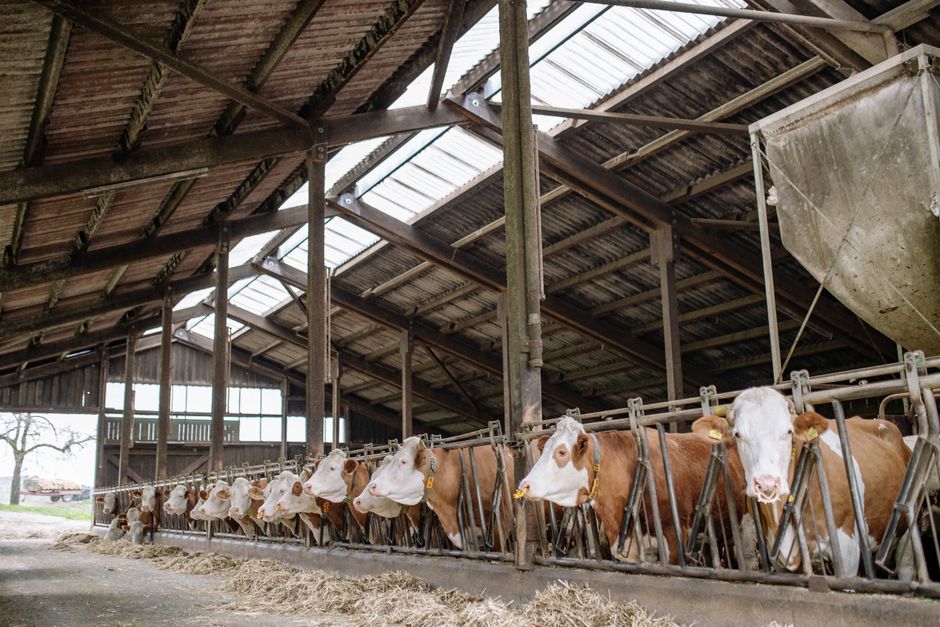
Enteric Fermentation and Cattle Health
While methane production itself does not harm cattle, the underlying fermentation process is critical for their nutrition. Disruptions in the rumen microbial balance can lead to disorders such as acidosis or bloat, impacting overall health and productivity.
Rumen acidosis occurs when rapid fermentation of high-starch diets lowers rumen pH, inhibiting fiber-digesting microbes and potentially causing systemic illness. Conversely, bloat results from excessive gas accumulation, often when cattle graze on lush legume pastures, leading to potentially fatal rumen distension.
Proper feeding and management ensure efficient fermentation, optimizing volatile fatty acid production while minimizing excessive methane losses. This balance is crucial to maintaining both cattle welfare and environmental sustainability.
Emerging research also suggests that manipulating rumen microbiota through probiotics, prebiotics, or microbial transplants could improve rumen health and reduce methane emissions. Such approaches aim to establish microbial communities that favor efficient fermentation pathways with lower methane production, offering animal health and environmental benefits simultaneously.
This ties in closely with How to Homestead Planning for Cattle: A Step-by-Step Guide for Sustainable Success, worth a look if you want to go deeper.
Global Organizations and Efforts Addressing Enteric Methane
Several global initiatives focus on reducing methane from enteric fermentation:
- FAO (Food and Agriculture Organization): Provides guidelines and data on livestock emissions and sustainable practices.
The FAO’s Global Livestock Environmental Assessment Model (GLEAM) offers comprehensive data and tools to estimate livestock emissions and evaluate mitigation options. FAO also promotes sustainable livestock intensification, integrating methane reduction with food security and rural development goals.
- Global Research Alliance on Agricultural Greenhouse Gases (GRA): Coordinates international research on methane emissions mitigation.
The GRA facilitates collaborative projects across over 40 member countries, sharing knowledge and technologies to improve livestock management practices. Their networks include specialized groups focusing on enteric methane measurement, feed additives, and breeding programs.
- World Bank’s Climate Smart Agriculture programs: Supports projects integrating methane reduction into climate and livestock management strategies.
These programs fund pilot projects demonstrating methane mitigation technologies and promote policy frameworks that incentivize sustainable livestock production. For instance, the World Bank supports dairy development in East Africa incorporating improved feeding and manure management to reduce emissions and enhance livelihoods.
Additional key players include the Global Methane Initiative, the Livestock Research Group under the CGIAR program, and private sector partnerships developing feed additives and precision livestock farming tools. Collectively, these efforts aim to balance food production needs with climate goals by improving livestock systems worldwide.
Summary Table: Enteric Fermentation Key Points
| Aspect | Description | Impact/Example |
|---|---|---|
| Process | Microbial fermentation of feed in the rumen producing methane | Methanogens convert hydrogen and CO2 into methane |
| Main Gas Emitted | Methane (CH4) | Potent greenhouse gas, ~28x CO2 warming potential |
| Measurement Methods | Respiration chambers, SF6 tracer, laser detectors | Respiration chambers offer highest accuracy but limited practicality |
| Methane Reduction Techniques | Feed additives, diet changes, selective breeding | 3-NOP feed additive can reduce emissions by up to 30% |
| Environmental Impact | Significant contributor to global methane emissions from agriculture | Accounts for 20-25% of global methane emissions |
| Feed Quality Influence | Higher digestibility lowers methane per unit feed | Legume-rich pastures reduce methane compared to poor-quality grass |
| Genetic Variability | Breed and individual differences affect emissions | Heritability estimates for methane traits ~0.2-0.4 |
| Health Considerations | Rumen balance critical for animal health | Disorders like acidosis and bloat linked to feeding management |
Frequently Asked Questions
Why do cattle produce methane during digestion?
Cattle produce methane because microbes in their rumen ferment fibrous feed, producing hydrogen that methanogenic archaea convert into methane to maintain rumen stability. This methane is then expelled through belching.
How does diet affect enteric methane emissions?
Diets high in fiber typically increase methane production as they require more fermentation. Conversely, adding grains or certain feed additives can reduce methane per unit of feed by altering rumen fermentation patterns and microbial populations.
Are there practical ways for farmers to reduce methane from their herds?
Yes. Farmers can improve feed quality, use approved feed additives like 3-NOP, and select cattle breeds with better feed efficiency. These methods have been shown in trials to reduce methane emissions without sacrificing productivity.
Does reducing methane affect cattle health or growth?
When done correctly, methane reduction strategies often improve feed efficiency and can enhance growth or milk production. However, abrupt dietary changes must be managed to avoid digestive problems like acidosis or bloat.
What global efforts are tackling methane from enteric fermentation?
Organizations like the FAO and the Global Research Alliance coordinate research and promote best practices to reduce enteric methane globally, aiming to balance livestock production with climate change mitigation.