
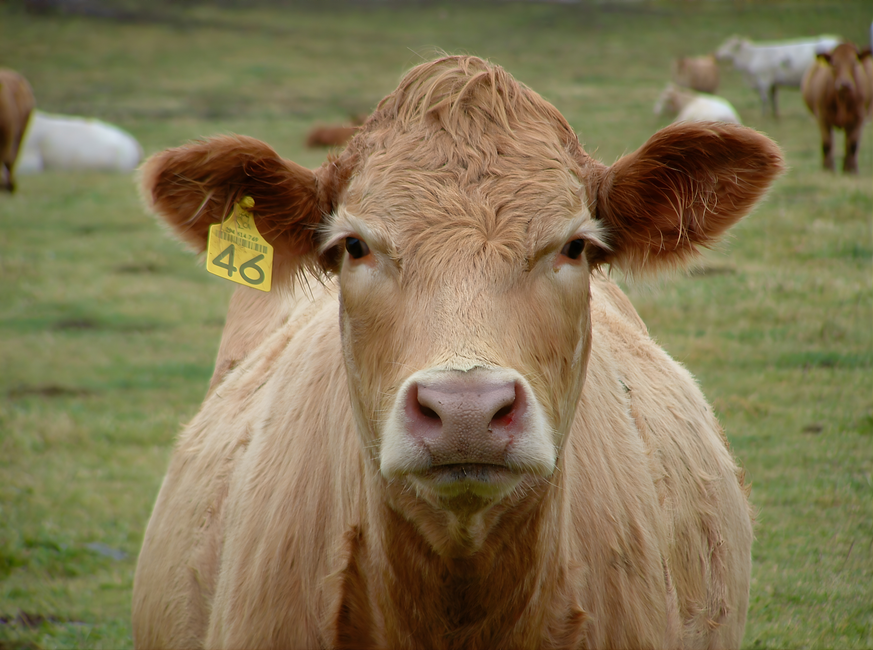
The carbon footprint of beef is usually calculated with a life cycle assessment, or LCA, that adds up greenhouse gas emissions from the whole production chain: feed production, pasture management, enteric methane from cows, manure, farm energy, transport, processing, and sometimes land-use change. The result is typically reported as kilograms of carbon dioxide equivalent, or CO2e, per kilogram of beef. The exact number depends heavily on system boundaries, the cattle’s diet, and how methane is modeled.
What “carbon footprint of beef” actually means
When people ask how the carbon footprint of beef is calculated, they are usually asking for a single emissions number attached to a steak, a box of ground beef, or a kilogram of carcass weight. That number is not a direct measurement from a farm scale. It is an accounting result built from dozens of inputs: how much feed cattle eat, how much methane they belch, how much fertilizer was used to grow feed crops, how much diesel tractors burn, and what happened to the land the cattle grazed on.
The most common unit is kilograms of CO2e per kilogram of product. “CO2e” converts methane and nitrous oxide into a common scale using their warming impact. For beef, methane matters a lot because cattle are ruminants and produce it during digestion. That is why two beef systems that look similar on the surface can have very different footprints once the accounting is done.
The standard method: life cycle assessment
Most beef footprint studies use life cycle assessment under standards such as ISO 14040 and ISO 14044. In food and agriculture, many analysts also follow FAO guidance, including the LEAP Partnership methods for livestock supply chains. LCA starts by defining the functional unit, such as “1 kilogram of boneless beef at the farm gate” or “1 kilogram of retail beef,” then tracks emissions across the chosen stages.
The method has four main steps: goal and scope definition, inventory analysis, impact assessment, and interpretation. In practice, that means deciding what is included, collecting activity data, converting those activities into emissions, and then checking whether the assumptions make sense. A footprint for beef can change a lot depending on whether it stops at the farm gate or continues through slaughter, packaging, refrigeration, and transport to the store.
What gets counted in the calculation
Beef footprints typically include three big greenhouse gases: carbon dioxide, methane, and nitrous oxide. Each comes from different sources. Carbon dioxide comes from fuel use, electricity, lime, and sometimes land-use change. Methane comes mainly from enteric fermentation, the digestion process in the cow’s rumen. Nitrous oxide comes from manure handling and nitrogen in soils, especially where fertilizers or manure are applied to grow feed.
Depending on the study, the inventory may also include emissions from producing feed ingredients like corn, soy, or silage; transporting feed and animals; housing and bedding; manure storage; and processing at the abattoir. Some studies also include capital goods, such as buildings and machinery, though many do not. The more complete the system boundary, the more data is needed and the more opportunities there are for assumptions to influence the final number.
How methane from cattle is converted into CO2e
Methane is the single biggest reason beef has a high carbon footprint in many studies. To compare methane with carbon dioxide, analysts use a metric called global warming potential, usually over 100 years. Under the IPCC Sixth Assessment Report, methane’s 100-year global warming potential is 27.2 without climate-carbon feedbacks, or 29.8 with them. Different studies may use older IPCC values, which is one reason beef numbers are not always directly comparable.
For more on this, see our related guide: 26. Best Cattle Breed for Small Acreage: 10 Top Picks for Efficient Farming.
In the calculation, researchers estimate how much methane a herd emits per year, often from feed intake, animal weight, milk or meat output, and emission factors. They then convert that methane into CO2e using the chosen warming factor. Because methane is short-lived compared with carbon dioxide, some researchers also report alternative metrics such as GWP* for a different view of warming impact. Most published beef footprints, however, still use standard 100-year CO2e accounting.
Why the same beef can have different footprints
Two beef systems can produce very different numbers because the calculation depends on how efficiently animals turn feed into meat and how the herd is managed. A feedlot finished on grain may emit differently from a grass-fed system, but the result is not automatically higher or lower in one system. Land productivity, age at slaughter, growth rate, manure handling, and whether pasture is improved or degraded all matter.

Regional differences are also huge. Beef from Brazil, Ireland, the United States, New Zealand, or Australia may be calculated with different feed mixes, climate conditions, pasture yields, and land-use assumptions. Even within one country, a dairy-beef calf system and a suckler-beef system can have very different emissions profiles. That is why broad claims like “grass-fed beef always has a lower footprint” or “all beef has the same footprint” are both too simple to be useful.
| Calculation choice | What it changes | Why it matters |
|---|---|---|
| Functional unit | Per kilogram live weight, carcass weight, or retail beef | Different units can make the same farm look better or worse |
| System boundary | Farm gate vs. retail vs. full supply chain | Adds or excludes transport, processing, refrigeration, and packaging |
| Methane metric | GWP100 values from different IPCC reports | Changes the CO2e total for enteric methane |
| Land-use change | Included or excluded | Can dramatically alter the footprint where forests or grasslands were converted |
| Allocation method | How emissions are split between beef, milk, hides, and other outputs | Especially important in dairy-beef systems |
How emissions are allocated in mixed systems
Allocation is one of the trickiest parts of beef accounting. On dairy farms, the same cow produces milk, calves, and eventually beef, so emissions must be split between outputs. Analysts may allocate by mass, economic value, or another rule set by the chosen standard. The method chosen can significantly shift the beef footprint because milk often carries most of the burden in dairy-beef systems.
Beef-only systems can also involve allocation if multiple products come from the same animal, such as meat, hides, and offal. Some studies avoid allocation by using system expansion, which credits the system for co-products that displace other products. Others assign all emissions to the main product and treat co-products separately. The important point is that the “same” animal can produce very different carbon numbers depending on the accounting rule.
What land use does to the final number
Land-use change can dominate the footprint when forests, peatlands, or native grasslands are cleared to create pasture or grow feed crops. In those cases, analysts estimate the carbon released from vegetation and soil and spread it over a chosen time period, often decades. This can add a large one-time emissions burden to beef produced on newly converted land.
If you’re also looking into this, our article on 33 Best Cattle Breeds for Grass Fed Beef: Top Picks for Small Farms covers it in more detail.
By contrast, long-established pasture on stable land may have a very different profile, especially if the study excludes land-use change and focuses only on ongoing farm emissions. Some researchers also examine soil carbon changes, which can either add to or reduce the footprint depending on grazing management, climate, and soil type. Because land carbon is difficult to measure and model, this is one of the most debated parts of beef footprinting.
How a beef footprint is actually calculated, step by step
A typical calculation begins by defining the product and boundary. For example: “farm-gate emissions per kilogram of carcass weight.” Next, the researcher gathers farm data: herd size, calving rate, daily feed intake, pasture area, fertilizer use, fuel use, manure storage method, and animal performance. Emission factors are then applied to each source, often using IPCC Tier 1, Tier 2, or Tier 3 methods depending on data quality and model detail.
After that, the analyst converts methane and nitrous oxide into CO2e, adds all sources together, and divides by the chosen output unit. If the study includes processing or retail, those emissions are added before the final division. The result is usually reported with sensitivity analysis, because changing feed conversion, slaughter age, methane factors, or land-use assumptions can move the answer noticeably.
Why published beef numbers vary so much
If you compare beef footprint studies, you may see numbers that seem wildly inconsistent. That is usually not because one study is wrong and another is right. It is because they may be measuring different things. One might report farm-gate emissions, another retail emissions, and a third might include land-use change while the others do not. One may use older methane values; another may use newer IPCC factors.
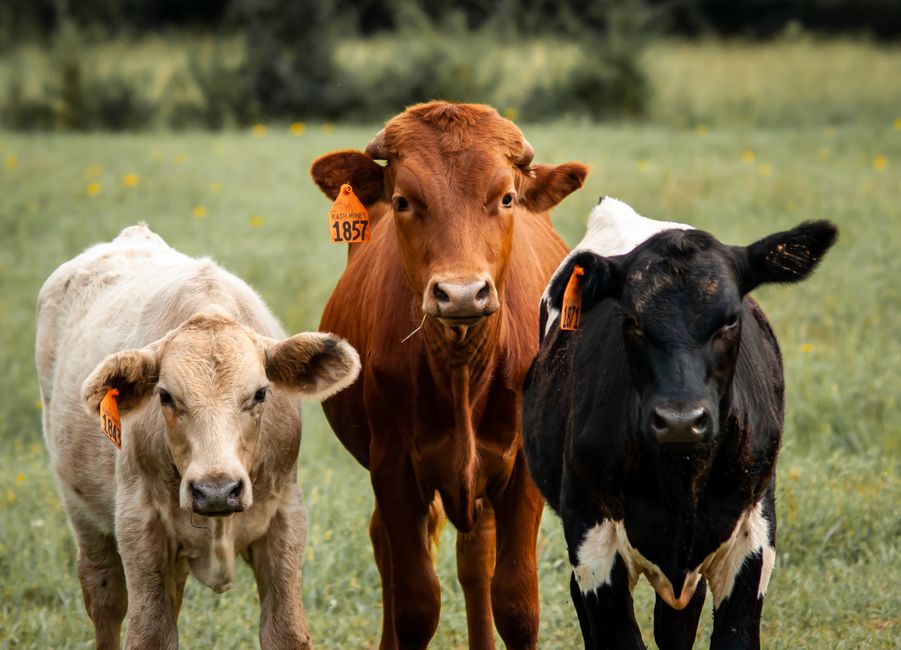
Sampling matters too. A study based on a few farms in one region will not match a global average. Breed, feed quality, climate, manure system, and productivity all affect the result. For example, a highly productive system with faster growth can spread emissions over more kilograms of beef, lowering the footprint per kilogram even if total farm emissions are similar. That is why transparent methods matter more than a single headline number.
What a consumer should look for in a beef footprint claim
If a package, report, or article gives a beef carbon number, check the fine print. Ask whether the figure is farm gate or retail, whether it includes land-use change, which methane metric was used, and whether it is based on beef from cattle only or on a dairy-beef system. Also look for the source: ISO-based LCA, FAO guidance, a peer-reviewed study, or a corporate estimate.
Good claims should explain the unit, the boundary, and the assumptions. A number without context is easy to misread. For example, “kg CO2e per kg beef” sounds precise, but it can hide major differences in how the calculation was built. Transparent methods are the best way to compare beef systems fairly and to understand whether a lower number reflects real management improvements or just a narrower accounting scope.
This ties in closely with How Much Does It Cost to Raise a Cow? Breaking Down Expenses Year by Year, worth a look if you want to go deeper.
Frequently Asked Questions
What is the main source of greenhouse gas emissions in beef production?
For most beef systems, enteric methane from digestion is the biggest source. After that come manure-related emissions, feed production, and energy use. In some regions, land-use change can become the largest factor if forests or other carbon-rich land were converted to pasture or feed crops.
Is grass-fed beef always lower in carbon footprint than grain-fed beef?
No. Grass-fed beef can be higher or lower depending on animal growth rate, pasture productivity, soil carbon change, and whether land-use change is included. Grain-fed systems often finish cattle faster, which can reduce emissions per kilogram of beef, but feed production can add its own footprint. The result depends on the full accounting.
Why do carbon footprint numbers for beef vary between studies?
They vary because studies use different boundaries, allocation methods, methane metrics, and regional data. One study may stop at the farm gate, while another includes processing and retail. Another may include land-use change, which can dramatically raise the total. Different assumptions produce different results even when they are all using accepted methods.
What standard is used to calculate beef carbon footprints?
Most use life cycle assessment under ISO 14040 and ISO 14044, often supported by FAO livestock guidance and the LEAP Partnership methodology. These frameworks help define what is counted, how emissions are calculated, and how results are reported. They do not force one universal number, but they do make the accounting more transparent.
Can a beef farm lower its carbon footprint?
Yes. Better feed efficiency, healthier cattle, lower age at slaughter, improved manure management, and higher pasture productivity can reduce emissions per kilogram of beef. The biggest gains usually come from improving productivity without increasing emissions proportionally. The exact improvement depends on the farm system and local conditions.