
What a beginner should know about Hereford cattle
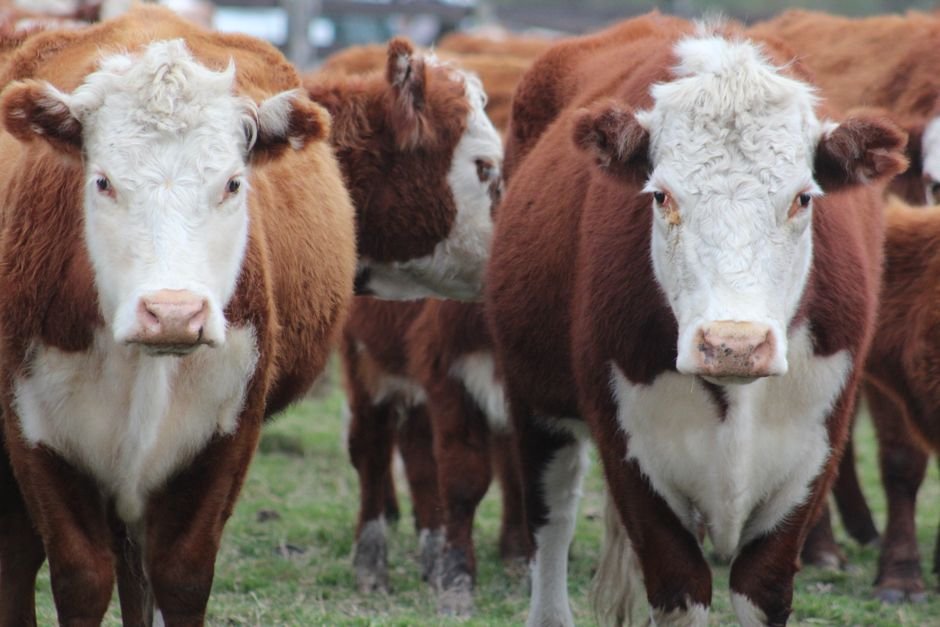
Hereford cattle are a classic beef breed known for their red bodies, white faces, calm temperament, and strong adaptability. For beginners, they are often a practical choice because they are hardy, easy to recognize, and widely available in both horned and polled lines. If you want a beef breed that is generally manageable, fertile, and efficient on grass, Herefords are one of the first breeds worth considering.
They are not the smallest or the fastest-growing beef cattle on the market, but they have a long track record in commercial and small-farm herds. That matters if you are buying your first cattle and want predictable behavior, decent mothering ability, and a breed with a lot of real-world management experience behind it.
Where Hereford cattle came from and why they’re so common
The Hereford breed originated in Herefordshire, England, in the 1700s and became popular because it could turn pasture into beef efficiently. The breed spread to the United States in the 19th century and later became one of the most influential beef breeds in North America. The American Hereford Association, founded in 1881, has helped standardize and record the breed for generations.
That history is one reason beginners see Herefords everywhere: they are established, well-documented, and easy to source from breeders, sale barns, and beef operations. You will also see two main versions today: horned Herefords and polled Herefords. Polled Herefords were developed to remove horns through selection, which can simplify handling and reduce dehorning needs.
Quick breed profile: size, color, and temperament
Herefords are medium to large beef cattle with a distinctive red-and-white pattern. The traditional look is a red body with a white face, white underline, white crest, and often white legs. Horned cattle may have curved horns, while polled cattle are naturally hornless. The breed is valued for docility, which makes routine work such as moving, sorting, and checking cattle easier for new owners.
Adult weights vary by genetics, sex, and management, but Hereford cows commonly weigh around 1,100 to 1,500 pounds, while bulls often range from about 1,800 to 2,500 pounds. Calves are usually born at a moderate size compared with some other beef breeds, which is one reason Herefords have a reputation for relatively straightforward calving.
| Feature | Hereford cattle | Why it matters for beginners |
|---|---|---|
| Breed type | Beef breed | Raised for meat production, not milk |
| Typical color | Red body, white face and markings | Easy to identify in a mixed herd |
| Temperament | Generally calm and manageable | Helpful for low-stress handling |
| Horn status | Horned or polled | Polled cattle can reduce horn-management work |
| Common use | Beef production, crossbreeding | Good fit for commercial and small herds |
Why beginners often choose Herefords
Herefords are popular with first-time cattle owners because they tend to be forgiving of less-than-perfect conditions. They handle pasture-based systems well, and many bloodlines are selected for maternal traits, fertility, and easy fleshing. “Easy fleshing” means the animal can maintain body condition without requiring extremely high feed inputs, which is useful if you are managing grass, hay, and a modest supplement program.
Another advantage is the breed’s widespread use in crossbreeding. Hereford cows are often crossed with Angus or other beef breeds to combine maternal strength with carcass traits or hybrid vigor. If you are starting with a small herd, a breed that works well in both purebred and crossbred systems gives you more flexibility later.
For more on this, see our related guide: 24 Best Cattle Breeds for Beginners: Calm, Hardy, and Easy to Manage.
Temperament and handling: what to expect in the chute and pasture
Docility is one of the Hereford breed’s strongest selling points, but “calm” does not mean “no handling needed.” Even gentle cattle can become dangerous if they are crowded, separated from herd mates, or handled too quickly. Beginners should still use a proper working system: a good fence, a sturdy corral, a squeeze chute, and a calm approach to movement. Low-stress handling principles matter as much with Herefords as with any other breed.
If you are buying young stock, spend time watching how the cattle react to people before you purchase. A heifer that walks quietly and a bull that is easy to sort are worth more to a beginner than a flashy animal that is difficult to manage. Herd behavior also matters: cattle are social animals, so one nervous animal can affect the rest of the group.

Feeding and pasture needs for Hereford cattle
Herefords are known for doing well on forage, but they still need a balanced ration based on age, weight, stage of production, and forage quality. A mature cow on good pasture may maintain condition well, while a growing calf, bred heifer, or lactating cow will need more energy and protein. Free-choice mineral is important, especially in regions where soils are low in selenium, copper, or phosphorus.
For beginners, the main mistake is assuming a hardy breed needs little attention. A hardy breed still needs clean water, adequate space, parasite control, and body condition monitoring. If pasture quality drops, hay and supplements may be necessary. In winter or drought conditions, Herefords can lose condition if feed planning is poor, so a forage inventory is just as important as breed selection.
Calving and mothering ability
Herefords have a long-standing reputation for good mothering and workable calving ease, which is one reason they remain popular in commercial herds. Calving ease is not guaranteed in every line, though, so beginners should pay attention to expected calf birth weights, sire selection, and the age of the dam. First-calf heifers need more supervision than mature cows regardless of breed.
When buying breeding stock, ask for expected progeny differences, or EPDs, if available. EPDs are a standard tool used in beef breeding to estimate how an animal’s calves may perform for traits like birth weight, weaning weight, and maternal ability. They are not perfect, but they are far more useful than appearance alone. If you are new to cattle, pairing breed knowledge with EPDs gives you a better starting point than buying on color or price alone.
If you’re also looking into this, our article on 26. Best Cattle Breed for Small Acreage: 10 Top Picks for Efficient Farming covers it in more detail.
Horned vs. polled Herefords: which is better for a beginner?
The choice between horned and polled Herefords depends on your handling setup and preferences. Horned cattle are traditional and still respected in purebred circles, but horns add management steps, especially in tight spaces or mixed-age groups. Polled Herefords are naturally hornless, which can make handling safer and reduce the need for dehorning calves.
For many beginners, polled cattle are the simpler option. Less horn-related work often means fewer injuries to cattle and handlers, and it can make hauling and penning easier. Horned cattle are not automatically a bad choice, but they require more awareness and a better system for preventing bruising, fence damage, and injuries during sorting or transport.
How Herefords compare with Angus and Simmental
If you are comparing breeds, Herefords are often measured against Angus and Simmental. Angus are widely known for marbling and black hide color, while Simmental are larger-framed, growth-oriented cattle often used to add size and performance. Herefords usually sit in the middle: strong maternal traits, solid growth, good docility, and good crossbreeding value.
| Breed | Strengths | Possible drawback | Best for |
|---|---|---|---|
| Hereford | Docility, maternal ability, forage efficiency | May not match Angus for premium black-hided market programs | Beginners, cow-calf herds, crossbreeding |
| Angus | Carcass reputation, market demand, black-hided calves | Can be more expensive, depending on genetics | Commercial beef production |
| Simmental | Growth, frame, maternal performance in many lines | May require more feed and management | Producers wanting heavier calves or crossbreeding power |
Buying your first Herefords: what to check before you pay
Start with the basics: age, sex, breeding status, vaccination history, parasite control, and body condition. Ask whether the cattle are halter-broke, bucket-trained, or pasture-raised. A calm animal is easier to manage, but health history matters even more. Check eyes, feet, legs, udder structure in cows, and testicles in bulls. Look for a clean coat, steady movement, and a good appetite.

If you are buying bred cows or heifers, ask for a pregnancy check and the expected calving date. If you are buying bulls, request information on breeding soundness exams. Also confirm registration status if you want purebred animals from the American Hereford Association. For many beginners, starting with a few quiet, healthy commercial Herefords or Hereford-cross cattle is easier than jumping straight into a large registered herd.
Basic care and facilities for a small Hereford herd
Herefords do not require fancy facilities, but they do need safe ones. At minimum, plan for secure fencing, dry shelter or windbreaks, a handling chute, and enough bunk or feeder space to prevent crowding. Fence strength matters because adult cows and bulls are powerful animals, even when they are calm.
Daily care should include checking water, manure consistency, gait, appetite, and signs of injury or illness. Routine vaccinations, deworming when needed, and fly control are standard management tasks in many herds. Hoof problems are not unique to Herefords, but poor footing, mud, and overcrowding can still create trouble. Good management is what makes a good breed look easy.
This ties in closely with How to Start a Small Cow Herd: A Practical Guide for Beginners, worth a look if you want to go deeper.
Frequently Asked Questions
Are Hereford cattle good for first-time cattle owners?
Yes. Herefords are often a strong choice for beginners because they are generally docile, adaptable, and widely available. Their calm nature can make handling easier, and their reputation for maternal ability and forage efficiency fits many small and mid-size beef operations.
Do Hereford cattle need special feed?
No special feed is required just because they are Herefords, but they still need a balanced ration that matches their stage of production. Good pasture, clean water, free-choice mineral, and enough hay or supplement during lean periods are the basics. Their hardiness should not be mistaken for a low-care diet.
What is the difference between horned and polled Herefords?
Horned Herefords naturally develop horns, while polled Herefords are naturally hornless. For many owners, polled cattle are easier to manage because they reduce horn-related injuries and may eliminate dehorning. Horned cattle are still common, but they require more caution in handling and transport.
Are Hereford cattle good mothers?
Yes, Herefords are widely recognized for good mothering ability. Many cows are attentive, fertile, and capable of raising sturdy calves on grass-based systems. As with any breed, individual genetics and management still matter, so not every cow will perform the same way.
How big do Hereford cattle get?
Adult Hereford cows often weigh about 1,100 to 1,500 pounds, while bulls commonly range from roughly 1,800 to 2,500 pounds. Actual size depends on genetics, nutrition, and whether the animal is from a smaller or larger-framed line. Always check the specific herd or breeder rather than assuming every Hereford looks the same.