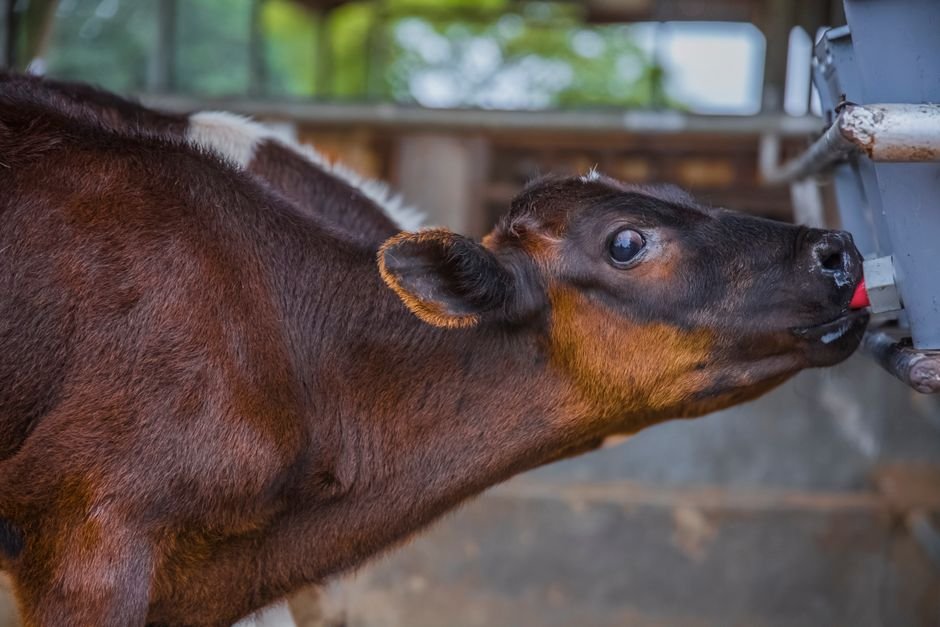
The Importance of Reading Cattle Behavior
Why Understanding Behavior Improves Welfare and Management
Recognizing and interpreting cattle behavior accurately plays a crucial role in enhancing both animal welfare and farm productivity. Early detection of illness, for example, can hinge on subtle changes like a 20-40% drop in feed intake, an animal standing apart from the herd, or a lowered head posture. Acting on these signs promptly can reduce veterinary costs by up to 40%. Beyond illness, understanding social dynamics—such as dominance disputes indicated by behaviors like head tossing, pawing, and neck stretching—helps prevent aggressive encounters. Adjusting groupings or giving animals more space based on these observations lowers stress and the risk of injuries like bruises or lameness.
Behavioral insights also shape day-to-day management. When cattle display stress signals—rapid tail flicking, restlessness, or vocal agitation before handling or transport—it’s a cue to modify practices. Quieter handling, calming aids, or facility improvements like non-slip flooring can reduce stress. These changes lead to measurable benefits, including lowered cortisol levels, improved meat tenderness, and longer shelf life. Farms that routinely monitor behavior often see weight gains and reproductive success improve by around 15%, thanks to reduced stress and better overall health.
Recent Insights from Animal Behavior Research
New research has deepened our appreciation for cattle communication and cognition. For instance, cattle can remember negative experiences with specific handlers for over six months, emphasizing the importance of consistent, gentle treatment. Ear and eye positioning reveal much about their emotions: ears pointed forward usually show curiosity or attention, while ears pinned flat back indicate discomfort or aggression.
Neurobehavioral studies demonstrate that cattle form complex social bonds and recognize individual herd members by sight and smell, reinforcing the need to maintain stable social groups. This helps reduce anxiety and stress. Meanwhile, modern technology—accelerometers, GPS trackers, and AI-driven video analysis—now allows for real-time monitoring of behavior. Detecting reduced rumination, lower activity, or unusual lying patterns helps caretakers identify health or welfare issues far earlier than traditional observation methods.
Common Body Language Signals in Cattle
Ear Position and Movement: What They Indicate
Cattle primarily communicate emotions and attention through their ears. Forward-facing ears signal alertness or curiosity, like when a cow hears an unfamiliar sound. Rapid ear flicking suggests multiple stimuli are demanding attention or mild irritation, often caused by flies. When ears are pressed tightly back against the head, it almost always signals aggression or discomfort—an unmistakable warning to keep distance. Conversely, relaxed ears that droop slightly to the side show calmness and contentment.
Tail Movements as Emotional Indicators
The tail’s position and movement also provide clues about a cow’s emotions. A tail held high with sharp side-to-side flicks often signals excitement or agitation, such as a bull sensing a rival. Slow, gentle swishing usually means mild irritation—most often from biting flies—without distress. A tail tucked firmly against the hindquarters typically indicates fear or submission, especially when paired with a lowered head and crouched posture.
Posture and Movement Patterns
Posture reveals intentions and physical wellbeing. A relaxed stance, with weight evenly distributed on all four legs, indicates comfort. By contrast, a rigid stance with legs spread wide often precedes defensive or aggressive behavior. Head position matters, too: a lowered head can show submission, fatigue, or avoidance, while a raised head with neck stretched forward signifies alertness or dominance.
| Posture/Movement | Behavioral Meaning | Example Situation |
|---|---|---|
| Relaxed, evenly balanced stance | Comfort and calmness | Grazing quietly in pasture |
| Rigid stance, legs wide apart | Defensive or aggressive readiness | Protecting calves from perceived threat |
| Lowered head | Submission, fatigue, or avoidance | Avoiding eye contact with dominant herd member |
| Raised head with stretched neck | Alertness, dominance | Noticing an unfamiliar human approaching |
Vocalizations and What They Communicate
Different Types of Calls and Their Meanings
Cattle use a variety of vocalizations to communicate among themselves and with handlers, each serving a different purpose:
- Bellowing: Deep, loud calls mainly from bulls or cows during the breeding season or when asserting dominance. These sounds carry over several hundred meters, signaling presence or claiming territory.
- Lowing: Moderate-pitched calls used by cows to keep in contact with calves or members of the herd. A mother will often low repeatedly to call her calf or express contentment.
- Squealing: High-pitched, sharp sounds that usually signal distress, pain, or discomfort. Calves separated from their mothers tend to emit repeated squeals to convey distress.
- Grunting: Soft, brief noises commonly heard during feeding or exploratory behavior, indicating relaxation and comfort.
How Stress and Social Interactions Affect Vocal Behavior
| Context | Vocalization Characteristics | Behavioral Significance |
|---|---|---|
| Stress (handling, isolation) | Frequent squealing and higher-pitched calls | Shows agitation, fear, or pain; signals need for intervention |
| Social bonding (mother-calf) | Repeated lowing and soft grunts | Maintains herd cohesion and calms calves |
| Dominance challenges | Deep bellowing and prolonged vocal bursts | Used to assert rank and territorial boundaries |
| Feeding | Soft grunting with intermittent lowing | Signals comfort and satisfaction |
Scientific studies show cattle vocalize up to 40% more during stressful handling, with higher-pitched calls linked to elevated cortisol levels in saliva or blood. On the other hand, positive social interactions feature more frequent lowing and grunting, which strengthen bonds and reduce stress hormones.
Social Behavior and Herd Dynamics
Hierarchy and Dominance Signals
Cattle naturally form social hierarchies that regulate access to resources and help avoid serious conflicts. Dominance is usually established through brief ritualized behaviors rather than prolonged fights, minimizing injury risk. Dominant cows assert control by head butting or pushing subordinates on the lower neck or shoulders. These encounters last only seconds and primarily reaffirm social rank without harm.
The most dominant animals—typically the top three to five in a herd of 20—have priority access to feed, water, and preferred resting spots. Lower-ranking cattle accept their position by showing submissive behaviors, like lowering their head, avoiding eye contact, or retreating. This social order is vital for group stability and reducing stress.
Affiliative Behaviors: Grooming and Close Contact
Beyond competition, cattle engage in affiliative behaviors that strengthen bonds. Mutual grooming, or allogrooming, is common—cows lick or nibble each other’s necks, shoulders, and backs. This helps remove parasites and promotes skin health while building trust and easing tension.
Physical closeness, such as standing side-by-side or resting heads against one another, offers comfort and a sense of security. These behaviors occur most often among related individuals or established social partners. For example, cow pairs that groom daily show lower heart rates and less stress during disruptions or handling.

Recognizing these social signals—both competitive and cooperative—helps caretakers manage herd dynamics effectively, reducing stress and boosting welfare.
Identifying Signs of Stress and Discomfort
Behavioral Indicators of Pain or Illness
Cattle often display subtle behavior changes when in pain or unwell. Watch for signs such as:
- Reduced Feed Intake: A 30-50% decrease in eating or drinking usually signals discomfort or disease.
- Altered Posture: Arched backs, lowered heads, or limping often point to musculoskeletal pain or internal issues like gastrointestinal distress.
- Isolation: Sick cattle tend to separate from the herd, standing alone or lying down more frequently.
- Restlessness or Reduced Movement: Repeated weight shifting, pacing, or lethargy indicate distress.
- Facial Expression Changes: Tension around the eyes, flared nostrils, and teeth grinding are subtle but reliable pain indicators.
Take mastitis as an example: affected cows often show udder swelling and sensitivity, reduced lying time, and reluctance to move or stand for milking. Spotting such behaviors early allows for timely treatment and better recovery.
Environmental and Social Stressors Impacting Behavior
| Stress Factor | Behavioral Impact | Typical Signs |
|---|---|---|
| Overcrowding | More aggression and competition | Head butting, mounting, disrupted feeding order |
| Poor ventilation or heat stress | Lower feed intake, faster breathing | Panting, open-mouth breathing, lethargy, drooling |
| Sudden group changes | Social instability, anxiety | Isolation, increased vocalizing, pacing, restlessness |
| Noise and human activity | Startle responses, elevated heart rate | Jumpiness, frequent tail flicking, refusal to feed |
Recognizing these stressors lets caretakers make targeted changes—reducing stocking density, improving airflow, keeping group compositions stable, and minimizing noise—all of which create a healthier, more productive environment.
Practical Applications: Using Behavioral Cues to Improve Cattle Care
Early Detection of Health Issues Through Behavior
Close observation of behavior offers valuable early warnings of illness, enabling faster intervention and limiting serious health problems. For instance, an active cow suddenly becoming lethargic and isolating itself may be in pain or fighting infection. Reduced feed intake paired with increased lying time—over 12 hours daily compared to a healthy average of 8-10 hours—often indicates digestive or metabolic disorders like ketosis.
Key behaviors to monitor include:
- Decreased rumination: Healthy cows ruminate 7-9 hours per day; less than 5 hours usually signals discomfort or sickness.
- Changes in gait or posture: Limping, uneven weight bearing, or reluctance to step down on a hoof may suggest injury or hoof disease.
- Abnormal vocalizations: Persistent low moans or groans can indicate pain or respiratory issues, differing from normal communication.
Regular behavioral assessments, combined with automated monitoring tech, give caretakers a powerful toolset to spot problems early—leading to quicker veterinary care and improved herd health.
Enhancing Handling Techniques Based on Behavioral Understanding
Understanding cattle instincts and stress signals can make handling safer and more efficient for both animals and handlers. Cattle have nearly 330-degree panoramic vision but blind spots directly behind and right in front of their noses. Approaching from a 45-degree angle into their line of sight helps avoid startling them.
Effective handling includes:
- Using flight zones wisely: Approaching cattle just inside their flight zone encourages smooth movement; crossing boundaries too quickly can trigger panic.
- Minimizing noise and sudden moves: Loud sounds, shouting, or abrupt gestures spike stress levels, seen in raised tails, vocalizations, and balking.
- Applying calm, consistent pressure: Gentle, steady guidance through chutes or pens reduces balking and improves flow, cutting stress-related bruises and weight loss.
Adapting handling to cattle behavior lowers risks of aggression and injury, while boosting productivity and overall animal welfare.
Related articles
- The Essential Guide to Effective Cattle Fencing: Safety, Costs, and Best Practices
- Everything Ranchers Need to Know About Cattle Insurance