
Understanding the Basics: What Does a Small Cattle Farm Require?
Defining “Small” in Cattle Farming
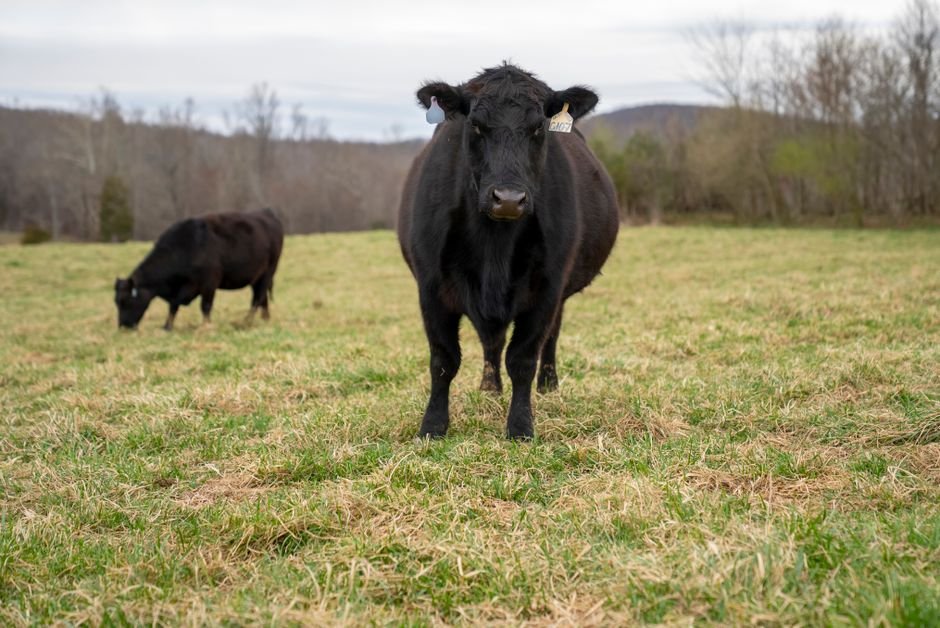
When we talk about a “small” cattle farm, it usually means managing between 10 and 50 head of cattle. This range strikes a balance—it’s large enough to be profitable but small enough to handle without the complexity of a big ranch. For example, a farmer with 20 cows and their calves might produce 15,000 to 20,000 pounds of beef annually or about 120 gallons of milk per day at peak lactation. That output can easily support direct local sales or personal consumption.
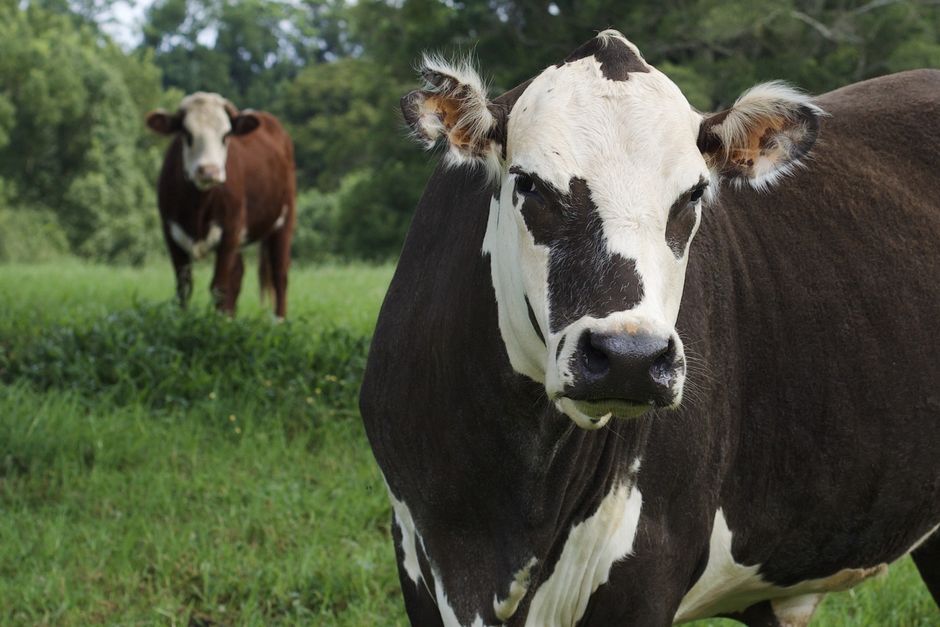
Small farms often carve out niches by focusing on certified organic beef, 100% grass-fed cattle, or heritage breeds like Red Angus or Dexter. These choices affect everything from the quality of pastures needed to the type of fencing and feed management. This specialized approach differs considerably from large-scale feedlot operations.
Essential Resources and Infrastructure
Launching a small cattle operation requires several key resources and pieces of infrastructure. Here’s a quick overview of what you’ll need:
| Resource/Infrastructure | Details | Estimated Initial Cost |
|---|---|---|
| Land | About 1.5 to 2 acres per cow-calf pair for rotational grazing. For 20 cattle, that means 30 to 40 acres divided into paddocks to keep pastures healthy. | Varies widely; $1,500–$3,000+ per acre depending on region and soil quality |
| Fencing | Strong perimeter fencing—four-strand barbed wire is common—plus interior cross-fences for paddocks. Posts should be steel or treated wood, spaced every 10 to 12 feet. | $2,000–$5,000 for roughly 5,000 feet of materials and installation |
| Water Supply | Reliable sources like wells, creeks, or ponds feeding troughs. Pumps and piping must supply at least 10 gallons per cow per day. | $500–$2,000 depending on setup and number of watering stations |
| Shelter | Simple three-sided sheds or small barns (200–400 sq ft) shelter cattle from wind, rain, and heat. | $3,000–$7,000 depending on materials and labor |
| Handling Facilities | Basic cattle chutes and pens made from steel panels to manage vaccinations, sorting, and loading. | $1,500–$4,000 depending on design and materials |
Each of these resources supports smooth daily operations. Without enough land, forage becomes scarce and costs for supplemental feed rise. Weak fencing or handling setups not only risk cattle escapes but also jeopardize safety for both animals and handlers.
Land and Pasture Preparation Costs
Buying or Leasing Land: What to Expect
Land is often the biggest upfront cost. Good grazing fields usually run between $2,000 and $5,000 per acre depending on location and soil fertility. For a 50-acre farm, buying land can cost anywhere from $100,000 to $250,000. Leasing is an alternative, generally cheaper upfront, with prices between $15 and $40 per acre annually. Leasing 50 acres would typically cost $750 to $2,000 per year but often comes with restrictions on making improvements and less long-term control.
Fencing, Water Systems, and Pasture Improvement Expenses
Fencing quality directly influences cattle control and farm efficiency. Barbed wire runs about $1.50 to $3.00 per linear foot. That means enclosing 50 acres—with roughly 25,000 feet of fencing—could cost between $7,500 and $15,000. High-tensile or electric fencing is pricier upfront ($2.50 to $5.00 per foot) but lasts longer and requires less upkeep.
Water systems—troughs, pumps, pipes—are vital for animal health. Expect to spend $2,000 to $5,000 installing them, depending on how far water is from pastures and how many watering stations you need. Solar pumps or drilled wells increase initial costs but can lower energy bills over time.
Improving pastures involves soil testing, liming to adjust pH, fertilizing to replenish nutrients, and overseeding with forage species like fescue, clover, or orchardgrass. These efforts cost between $30 and $100 per acre, totaling $1,500 to $5,000 for 50 acres.
| Item | Typical Cost Range | Notes |
|---|---|---|
| Land Purchase (per acre) | $2,000 – $5,000 | Varies by region and pasture quality |
| Land Lease (per acre/year) | $15 – $40 | Lower upfront cost; limited control over improvements |
| Fencing (per linear foot) | $1.50 – $5.00 | Depends on fencing type: barbed wire vs. high-tensile or electric |
| Water Systems | $2,000 – $5,000 | Includes pumps, troughs, and piping installation |
| Pasture Improvement (per acre) | $30 – $100 | Soil amendments, seeding, and fertilizing |
Livestock Acquisition and Health Expenses
Cost of Purchasing Starter Cattle
Buying your first animals will be one of the largest startup expenses. Many small farmers start with 5 to 10 head. Prices fluctuate based on breed, age, and purpose:
- Commercial beef calves, 6 to 8 months old, usually cost between $800 and $1,200 each.
- Replacement heifers intended for breeding range from $1,200 to $1,800 depending on genetics and breed.
- Dairy heifers, like Holstein or Jersey breeds, cost around $1,500 to $2,000 each.
For example, purchasing 5 commercial beef calves might total $4,000 to $6,000, while 5 breeding heifers could run $6,000 to $9,000. These figures don’t include transport or initial health checks.
Veterinary Care, Vaccinations, and Health Management
Keeping your herd healthy is vital for productivity and longevity. Initial veterinary costs include:
- Pre-purchase exams and health certificates: $50 to $100 per animal, to screen for disease and fitness.
- Vaccinations: Core vaccines guard against Bovine Respiratory Disease Complex, Leptospirosis, and Clostridial infections. Expect to pay $15 to $30 annually per head.
- Parasite control: Deworming and treating external parasites typically costs $10 to $20 per treatment, done two to three times a year based on regional parasite pressure.
- Routine vet visits: Budget $300 to $500 yearly for pregnancy checks, health monitoring, and minor treatments.
Keeping a contingency fund of $500 to $1,000 yearly is wise to cover unexpected health issues or emergencies.
| Expense | Typical Cost Range per Animal | Notes |
|---|---|---|
| Beef Calf Purchase | $800 – $1,200 | 6-8 months old, ready for growth |
| Breeding Heifer Purchase | $1,200 – $1,800 | Young females selected for breeding |
| Veterinary Health Check | $50 – $100 | Pre-purchase screening and certification |
| Vaccinations | $15 – $30 annually | Core vaccines for common diseases |
| Parasite Control | $10 – $20 per treatment | Multiple treatments annually as needed |
| Routine Vet Visits | $300 – $500 annually | Pregnancy checks and health monitoring |
Equipment and Facility Investments
Necessary Farming Equipment for Small-Scale Cattle Operations
To run a small cattle farm efficiently and care well for your animals, certain equipment is essential. For a herd of 20 to 50 cattle, key tools include:
- Tractor (40-60 HP): Used for moving feed, hauling manure, and maintaining pastures. Reliable used models cost $15,000 to $30,000.
- Feeders and Waterers: Weatherproof feed bunks cost between $150 and $300 each. Automatic waterers range from $500 to $1,000 depending on size and features.
- Fencing Tools: Post drivers, wire stretchers, and fencing pliers total $500 to $1,000, crucial for fence installation and upkeep.
- Manure Spreader: Small utility spreaders are great for pasture fertility, costing about $3,000 used or $6,000 new.
- ATV or UTV: These vehicles help you move around the farm quickly. New ones typically cost $6,000 to $15,000; used models range from $3,000 to $8,000.
Barns, Shelters, and Handling Facilities
Good structures protect your cattle and make managing them easier. Here’s a quick cost and purpose guide:
| Facility Type | Purpose | Typical Cost Range | Notes |
|---|---|---|---|
| Basic Pole Barn | Weather protection and feed storage | $10,000–$25,000 for a 30’x40’ building | Metal or wood framing; DIY kits can reduce labor costs |
| Run-in Shed | Simple, open-sided shelter for pasture use | $3,000–$7,000 | Usually open on one side for easy cattle access |
| Handling Facilities (chutes, squeeze chutes) | Secure cattle for vaccinations and other procedures | $2,000–$6,000 | Steel construction preferred for durability and safety |
| Fencing (perimeter and cross fences) | Containment and pasture rotation | $1.50–$3.00 per linear foot | Wire options include barbed, woven, or high-tensile electric |
Strong handling facilities reduce stress for both animals and handlers, making routine care like vaccinations or breeding safer and smoother. While upfront costs add up, durable structures save money over time by cutting down on repairs and replacements.
Operational Costs: Feed, Labor, and Utilities
Feed Types and Feeding Costs Throughout the Year
Feeding your cattle is one of the biggest ongoing expenses, and costs shift throughout the seasons according to pasture growth and animal needs.
- Pasture Grazing (Spring to Fall): Cattle primarily graze on pasture grasses during the growing season. To keep pasture healthy, plan on annual fertilization and weed control costing about $15–$30 per acre. For 10 acres stocked at 1.5 animals per acre, that’s $225–$450 per year.
- Hay (Winter Months): When pasture growth slows in winter, hay becomes essential. Prices vary from $70 to $150 per ton depending on geography and quality. A mature 1,200-pound cow eats around 30 pounds of dry matter daily. Over five winter months, 10 cows need about 22.5 tons of hay, costing between $1,575 and $3,375.
- Supplemental Feed: Minerals, protein supplements, and grain help pregnant or lactating cows meet nutritional demands. Costs run $150 to $300 per cow annually depending on the herd and supplement type.
Labor Considerations and Utility Expenses
Labor and utilities are necessary expenses that affect profitability and smooth farm operations.
| Cost Category | Typical Monthly Expense | Notes |
|---|---|---|
| Labor | $1,200–$2,000 | Assumes 20–40 hours/week of part-time labor at $15–$25/hour for feeding, pasture work, and herd health management |
| Electricity | $75–$150 | Powering water pumps, lighting, and charging equipment; varies by farm size and season |
| Water | $30–$70 | For drinking water and irrigation, depending on local rates and usage |
| Fuel | $100–$250 | Diesel or gasoline for tractors, feeders, and vehicles |
Combined, these operational costs typically range from $1,400 to $2,500 a month. Factors like herd size, labor hours, and efficiency play major roles. Including these costs early in your budget helps keep your farm’s cash flow realistic and stable.
Budgeting for Contingencies and Long-term Growth
Setting Aside Funds for Unexpected Costs
Unplanned expenses happen regularly in cattle farming, so having a contingency fund is critical. Experts recommend reserving 10–15% of your total startup costs to cover emergencies. For example, if your startup costs are $50,000, setting aside $5,000 to $7,500 safeguards you against surprises.
Typical unexpected expenses include:
- Animal health emergencies: Treatments for illness or injury can cost anywhere from $200 to $1,500 per incident.
- Equipment breakdowns: Repairs or replacements for tractors, pumps, or fencing often run $500 to $3,000.
- Weather-related damage: Floods, droughts, or storms might force extra feed purchases or pasture repairs costing several thousand dollars.
Having this cushion helps avoid disruptions and keeps your farm financially stable through rough patches.
Planning Future Investments and Expansion
Once your farm is running smoothly, planning for growth is the next step. Reinvesting profits into expanding your herd, upgrading facilities, or adopting new technology can boost productivity and income.
| Investment Area | Estimated Cost | Potential Benefit | Timeline for Investment |
|---|---|---|---|
| Adding 5-10 Head of Cattle | $7,000 – $15,000 | Boosts production capacity and market reach | 1–2 years after startup |
| Upgrading Fencing and Water Systems | $3,000 – $6,000 | Improves pasture management and animal welfare | Within 2 years |
| Investing in Feed Storage Facilities | $5,000 – $10,000 | Reduces feed spoilage and lowers costs | 2–3 years |
Setting clear timelines and budgets for these investments makes growth manageable and sustainable. Many farmers put aside 10–20% of annual profits to fund expansion without risking cash flow.