
Introduction to Beginner Cattle Equipment
Starting with cattle farming can be exciting but requires careful preparation. Proper equipment is fundamental to ensure your cows are healthy, safe, and managed efficiently. This guide focuses on the essential gear a beginner cattle keeper needs, offering specific recommendations, product examples, and practical insights. Beyond simply owning the right tools, understanding how to use and maintain them properly is also critical for long-term success. Good equipment not only facilitates daily tasks but also contributes to animal welfare and handler safety, which are paramount for sustainable cattle operations.
Basic Handling and Restraint Equipment
Before acquiring cattle, it’s crucial to have reliable handling equipment to ensure both animal and handler safety. Handling tools help control and move cattle during routine tasks like health checks, feeding, and transportation. In addition to physical safety, effective restraint reduces stress for the animals, which can improve health outcomes and ease veterinary procedures. Selecting durable, well-designed equipment will also minimize the risk of injury and equipment failure during handling.
1. Cattle Headgate
A headgate is a metal frame used to safely restrain a cow’s head during veterinary treatments or tagging. For beginners, a manual, portable headgate is ideal, costing around $400-$600. Brands like Priefert and Tarter offer durable models with adjustable widths to accommodate various cattle sizes. Some models include quick-release mechanisms for added safety, allowing handlers to free the animal rapidly in an emergency. When choosing a headgate, consider the ease of installation—portable units can be moved between handling areas, which is advantageous for small operations. A well-maintained headgate will last for years even with regular use; routine lubrication of moving parts and inspection for wear are recommended.
2. Cattle Chute
The chute holds the entire animal securely during procedures. Entry-level chutes can range from $1,000 to $3,000 depending on features. A basic squeeze chute with solid panels and a manual squeeze mechanism is sufficient for beginners. For example, the BudBox Squeeze Chute is popular for its ease of use and safety features. It is designed to minimize stress by using an open-front design, which makes cattle feel less confined. Some chutes include integrated scales or headgates for weighing or individual animal restraint, ensuring you can perform multiple tasks in one place. Chutes constructed of powder-coated steel resist rust and are easier to clean, which is important for biosecurity. When setting up a chute, ensure it is on firm, level ground to prevent slipping and injury.
3. Halters and Lead Ropes
- Halters: Made from nylon or leather, halters assist in leading and controlling cattle individually. Nylon halters are economical ($10–$25 each) and easy to clean. Leather halters, though more expensive ($30–$50), offer greater durability and comfort for the animal. For calves, smaller, softer halters help prevent injury and stress. It’s important to fit halters properly to avoid rubbing or chafing.
- Lead Ropes: Typically 6 to 8 feet long, made of soft hemp or nylon, lead ropes should be sturdy ($15–$30 each) and comfortable for handlers. Some ropes feature snap hooks or quick-release knots for added safety. Calf ropes are often thinner and lighter to match their size but still need to be strong enough to handle sudden pulls. Practicing proper tying and handling techniques with lead ropes reduces the risk of accidents.
Feeding and Watering Equipment
Proper nutrition and hydration are cornerstones of healthy cattle. Feeding and watering equipment must be durable and designed to prevent feed waste. Selecting the right equipment not only saves money in feed costs but also improves feed conversion efficiency, directly impacting animal growth and productivity.
1. Feeders
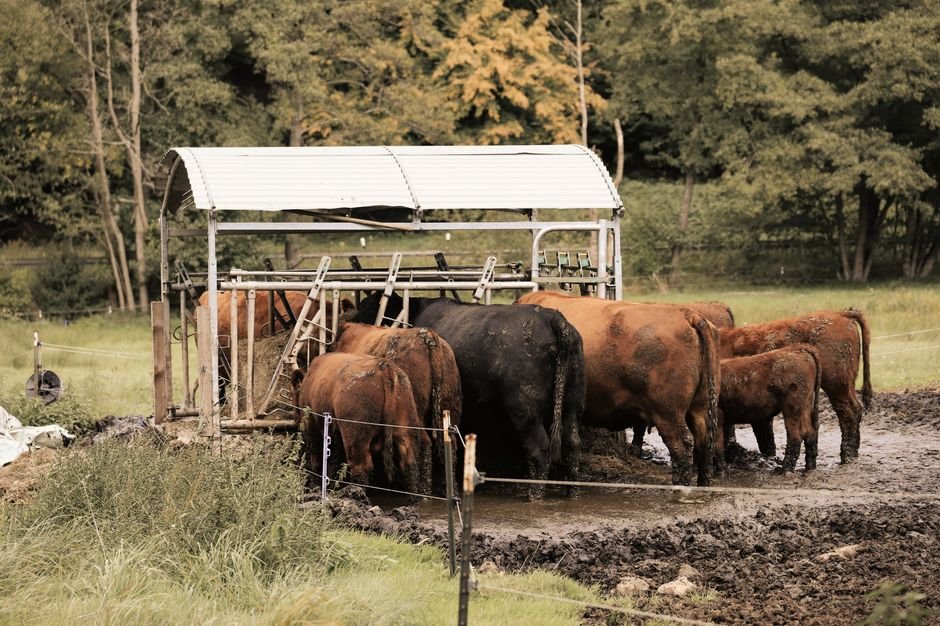
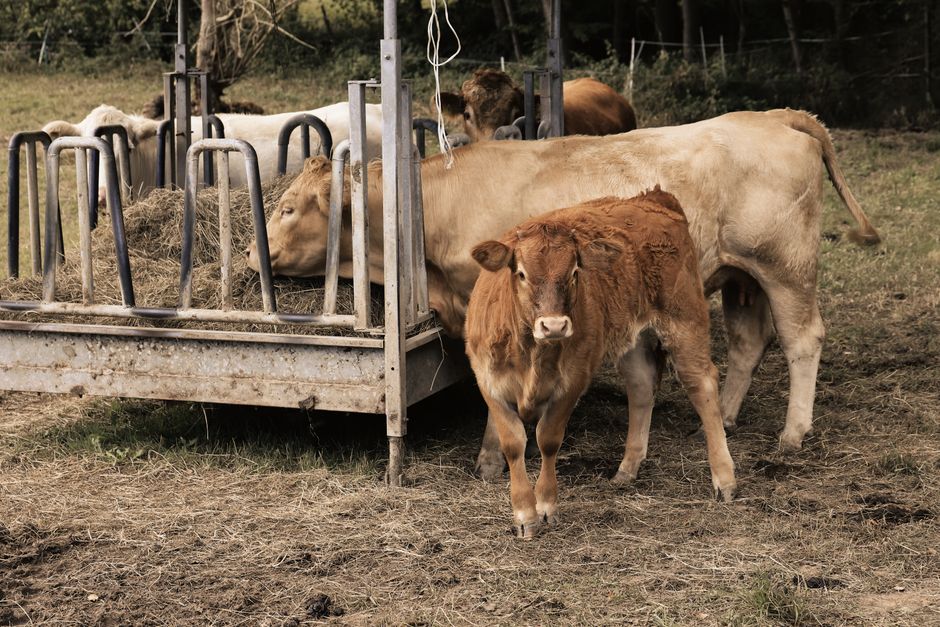
Feeders vary depending on whether you feed hay, grain, or mixed rations. For beginners, an easy-to-clean metal round bale feeder for hay is a smart investment. A 6-foot diameter round bale feeder costs approximately $150–$250 and helps reduce hay waste by up to 30% compared to ground feeding. These feeders also discourage trampling and soiling of hay, which maintains feed quality. Some feeders have built-in weight scales or feeding stations to monitor individual feed intake, useful for managing herd nutrition.
For grain or concentrate feeding, consider a heavy-duty feeder box or trough. Sizes vary but a 10 to 15-bushel heavy metal feeder priced around $200 is practical for small herds. Feeders with adjustable partitions or lids help protect feed from moisture and pests. Automated feeding systems are available but usually beyond beginner budgets; however, upgrading to automated feeders can improve efficiency as herd size grows. Proper placement of feeders in shaded, dry areas also reduces feed spoilage and encourages consistent feeding behavior.
2. Water Troughs
Cattle consume 10 to 20 gallons of water daily, so a constant water supply is essential. Polyethylene water troughs are durable and insulated, costing between $150 and $400 depending on size (50 to 150 gallons). Automatic waterers with float valves help maintain water levels without manual refilling. Models like the Moultrie or Zimmatic automatic waterers start around $250. These systems often include frost protection features for colder climates, preventing freezing and ensuring year-round water availability.
When locating water troughs, position them on level ground with good drainage to prevent mud and contamination. Regular cleaning of troughs is necessary to avoid algae buildup and bacterial growth. For small herds, multiple smaller troughs spaced throughout pasturelands can reduce competition and stress during hot weather. Additionally, water quality testing is recommended periodically to monitor for contaminants like nitrates or bacteria that could harm cattle health.
Fencing and Pasture Management
Secure fencing protects your cattle and property. For beginners, understanding fence types and materials is key to selecting the right ones. The choice of fencing depends heavily on your herd size, terrain, and management style, including whether you practice rotational grazing or free-range systems.
1. Types of Fencing
- Barbed Wire Fencing: Economical and effective for adult cattle, costs roughly $0.50–$1.00 per foot installed. Requires at least 4 strands and sturdy wooden or metal posts. Barbed wire is best suited for perimeter fencing rather than internal pasture divisions due to its potential to cause injury to cattle if used improperly.
- High-Tensile Wire Fencing: More durable and lower maintenance. Installation costs around $1.50–$2.00 per foot but lasts longer and is safer for cattle. High-tensile fencing uses steel wire that can be tensioned tightly to create a strong barrier with fewer posts, reducing overall maintenance. It’s less likely to sag, and when combined with smooth wire strands, reduces injury risk.
- Electric Fencing: Ideal for rotational grazing. Chargers cost $100–$300, while wire and posts typically add $1–$2 per foot. Electric fences provide psychological barriers, teaching cattle to respect boundaries without physical contact. They are quick to install and flexible for temporary paddocks. Solar-powered energizers are an option for remote locations without electricity. Combining electric fencing with physical barriers maximizes security and flexibility.
2. Posts and Gates
Wooden posts are traditional and cost approximately $4–$8 each for 6- to 8-foot posts. They provide excellent stability and are easy to nail or staple fencing materials onto, but require regular treatment or replacement due to weathering. Steel T-posts are cheaper ($3–$5 each) and easier to install, especially in rocky or hard soil. They are compatible with wire clips and insulators for electric fencing.
Gates should be heavy-duty and no less than 12 feet wide for easy cattle movement. A typical 12-foot steel gate costs about $150–$250. For larger equipment access, 16 to 20-foot gates may be necessary, particularly on larger farms. Hinges and latches must be robust and regularly maintained to prevent sagging or accidental openings. Self-closing gates or spring latches can enhance security in busy operations.
Safety Gear for Handlers
Working with cattle can be dangerous, so handlers should use appropriate safety equipment. Protective gear reduces injury risk from kicks, trampling, or accidental falls. Additionally, proper attire helps handlers maintain control and confidence during cattle management tasks.
1. Protective Clothing
- Sturdy Boots: Steel-toed boots provide protection against trampling. Prices range from $80 to $150. Boots with good traction reduce slips in wet or muddy conditions. Waterproof or insulated boots are beneficial in cold or wet climates.
- Gloves: Durable leather gloves help prevent rope burns and cuts. Expect to pay $15–$30 per pair. Some gloves offer reinforced palms for handling rough materials. Breathable gloves are preferable in hot weather to maintain dexterity.
- Helmet or Hard Hat: For working in confined spaces like chutes, helmets ($40–$100) reduce head injury risk. Some models include face shields or earmuffs for additional protection during noisy or high-risk procedures.
2. First Aid Kit
A well-stocked first aid kit for both humans and cattle is indispensable. For cattle, kits should contain items like wound antiseptics, bandages, fly control spray, and topical antibiotics. Including instruments such as hoof knives, sterile needles, and syringes can be helpful for minor treatments or emergencies. Expect to invest around $75–$150 for a basic livestock first aid kit. In addition, handlers should be trained in basic first aid techniques and emergency response to ensure prompt and effective care.

Additional Tools and Supplies
Beyond the basics, several supplementary tools improve daily cattle management. These products enhance efficiency, animal identification, and overall farm cleanliness.
1. Cattle Tags and Tagging Equipment
Identification is vital for record-keeping. Ear tags cost approximately $0.30–$1 each, while applicators range from $20 to $60. Color-coded tags help track age, breed, or health status and simplify management during breeding or medical treatments. RFID tags are a higher-cost option but allow electronic tracking and automated data collection, useful for larger or more technologically advanced operations. Proper hygiene during tagging is essential to prevent infections; disinfecting applicators and tags is recommended.
2. Manure Forks and Cleaning Tools
Maintaining clean pens reduces disease risk. Sturdy manure forks ($30–$50) and wheelbarrows ($80–$120) are standard cleaning tools. Using ergonomic tools with padded handles can reduce strain during prolonged use. In larger operations, mechanized manure spreaders or skid steer loaders may be necessary. Regular pen cleaning also improves fly control and reduces ammonia buildup harmful to respiratory health.
3. Portable Panels and Corrals
For flexible handling and pasture division, portable steel panels are invaluable. A 10-foot panel costs about $70–$120. Sets of 4 to 6 panels allow creating temporary pens or alleyways. These panels are easy to rearrange, making them ideal for sorting cattle, quarantine areas, or controlled breeding setups. Panels with rounded edges and no sharp welds improve animal and handler safety. When storing panels, stacking them properly prevents damage and extends their life.
Sample Equipment Cost Overview for Beginners
| Equipment | Purpose | Typical Cost Range (USD) |
|---|---|---|
| Manual Headgate | Safely restrain cattle heads | $400 – $600 |
| Squeeze Chute | Full body restraint | $1,000 – $3,000 |
| Nylon Halters and Lead Ropes | Individual animal control | $10 – $30 each |
| Round Bale Feeder (6-foot) | Hay feeding, reduces waste | $150 – $250 |
| Polyethylene Water Trough (100 gal.) | Water supply for cattle | $250 – $400 |
| Barbed Wire Fencing (per foot) | Perimeter security | $0.50 – $1.00 |
| Steel T-Posts | Fence support posts | $3 – $5 each |
| Steel Gate (12-foot) | Access control | $150 – $250 |
| Steel-Toed Boots | Handler safety | $80 – $150 |
| Livestock First Aid Kit | Basic animal medical care | $75 – $150 |
Conclusion: Prioritize Quality and Safety
Investing in the right equipment from the outset sets a strong foundation for successful cattle keeping. While initial costs may seem high, prioritizing durable, safe, and functional tools reduces long-term expenses and enhances animal welfare. Equipment that improves efficiency and safety can also decrease labor time, freeing you to focus on herd health and management strategies. Whether you start with a small backyard herd or a modest pasture, the gear outlined here is designed to meet a beginner’s basic needs effectively. Planning your purchases based on herd size, management style, and available resources will help you build a sustainable and productive cattle operation.