
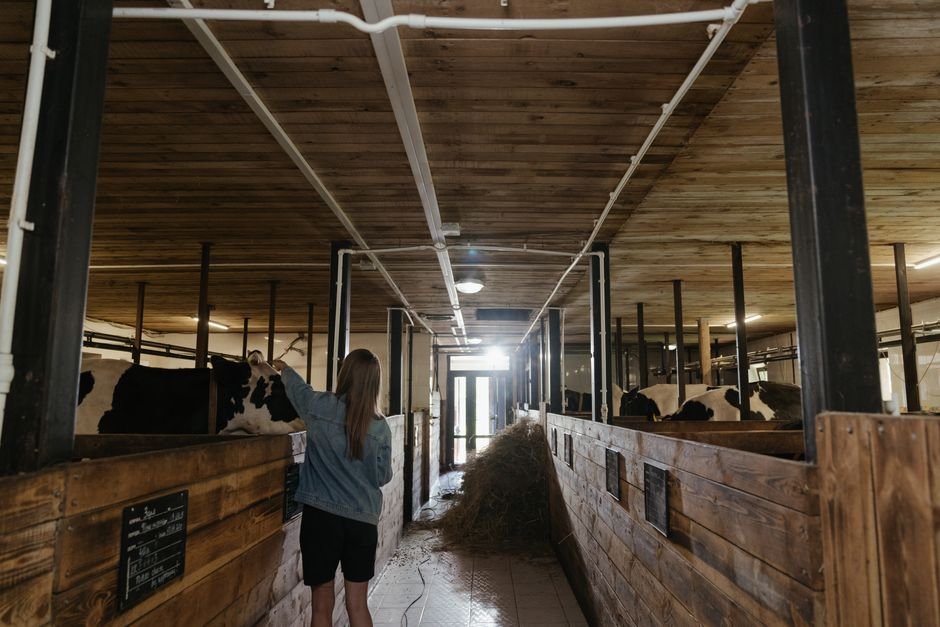
Introduction to Beginner Mistakes in Cow Management
Starting out with cows can be both rewarding and challenging. Many new cattle keepers face common pitfalls that can affect the health and productivity of their herd. Understanding these mistakes early on can save time, money, and animal welfare issues. This article breaks down the most frequent beginner errors and how to avoid them through practical advice and real-world examples.
Effective cow management requires a blend of knowledge, experience, and attention to detail. Newcomers often underestimate the complexities involved, from understanding animal behavior to implementing proper health protocols. Whether raising beef cattle or dairy cows, the principles remain consistent: good nutrition, proper housing, attentive health care, and safe handling practices form the backbone of a successful operation. By shedding light on the most common mistakes, this article aims to empower new farmers with actionable insights to help their herds thrive.
Common Mistakes with Cow Nutrition
Feeding Inadequate or Improper Diets
One of the most critical aspects of cow care is providing the right nutrition. Beginners often make the mistake of either underfeeding or overfeeding, or providing unbalanced diets that lack essential nutrients.
For example, a common rookie error is relying solely on pasture without supplementing minerals or protein. According to research from the University of Missouri Extension, cows require about 7-10% protein in their diet during maintenance, and this increases to 12-16% during lactation or growth phases. Pasture quality varies seasonally, and without supplementation, deficiencies in phosphorus, calcium, and trace minerals like selenium can occur, leading to poor growth and reproductive issues.
Adding to this, pasture alone may not provide sufficient energy, particularly in colder months when forage quality declines. Corn silage, hay, and grain concentrates can help fill these gaps, but must be carefully balanced to avoid digestive upset. For instance, sudden introduction of high-concentrate feeds can lead to acidosis, a potentially fatal condition in cattle. The National Animal Health Monitoring System (NAHMS) reports that about 15% of cattle deaths in feedlots are related to digestive disorders, highlighting the importance of gradual diet changes and proper ration formulation.
Additionally, different classes of cattle have varying nutritional needs. Growing calves require diets richer in protein and energy than mature dry cows. Lactating cows have the highest nutritional demands; failing to meet these can drastically reduce milk yield and calf growth rates. The Cornell University Cooperative Extension recommends formulating rations based on regular forage testing to determine nutrient content and supplement as necessary rather than relying on fixed feeding schedules.
Ignoring Water Quality and Availability
Water intake is often overlooked. A mature dairy cow drinks between 30 to 50 gallons (113 to 189 liters) of water daily, depending on temperature and production level. Dirty or insufficient water can cause dehydration, reducing feed intake and milk production.
Beyond quantity, water quality is paramount. Contaminated water sources can harbor bacteria like Escherichia coli or parasites such as Giardia, leading to diarrhea and other illnesses that impair nutrient absorption. Monitoring water pH and total dissolved solids (TDS) is important; water with high mineral content can reduce palatability and intake. The USDA suggests testing well water annually, especially in areas with known contamination risks.
Water delivery systems should also be designed to minimize contamination and waste. Automatic waterers must be cleaned regularly to prevent algae buildup, and troughs should be sized to allow multiple cows to drink simultaneously to reduce competition and stress. Research from the University of Wisconsin demonstrates that cows deprived of adequate water for even a few hours show a 10-15% drop in milk yield due to decreased feed consumption.
Health Management Errors
Neglecting Vaccination and Parasite Control
Many beginners underestimate the importance of preventative health care. Vaccination schedules vary depending on region and diseases but failing to vaccinate against common illnesses like Bovine Viral Diarrhea (BVD), Infectious Bovine Rhinotracheitis (IBR), and Clostridial diseases can lead to outbreaks.
Parasite infestations also reduce productivity. Internal parasites like gastrointestinal worms can cause anemia and poor weight gain, while external parasites such as ticks and lice cause irritation and skin damage. A 2022 study by the American Veterinary Medical Association found that untreated parasite infestations can lower weight gain in beef cattle by up to 20%.
It’s important to develop a herd-specific parasite control program that includes strategic deworming based on fecal egg counts rather than routine treatment alone. Overuse of anthelmintics can lead to drug resistance, a growing concern globally. A 2021 report by the World Association for the Advancement of Veterinary Parasitology (WAAVP) highlighted increasing resistance to common dewormers in cattle herds worldwide, emphasizing the need for diagnostic-based treatments and pasture management strategies to disrupt parasite life cycles.
Vaccination timing is equally critical. For example, vaccinating calves too early may result in interference from maternal antibodies, reducing vaccine efficacy. Collaborating with a veterinarian to tailor a vaccine protocol based on local disease prevalence and herd history is essential. Additionally, stress from transport, weaning, or poor nutrition can impair immune response to vaccines, underscoring the interconnectedness of management practices.
Failing to Establish Routine Health Checks
Infrequent observation or health checks mean early warning signs are missed. Beginner farmers sometimes only react when animals become visibly ill, by which time treatment is less effective and more costly.
Regularly assessing body condition score (BCS) is a simple, non-invasive way to monitor herd health. Maintaining cows within an optimal BCS range (typically 5-6 on a 9-point scale) supports reproduction and productivity. An overlooked thin or overly fat cow may signal nutritional imbalances or underlying disease. In addition, daily observation can catch subtle behavioral changes such as reduced feed intake, isolation from the herd, or altered gait—which often precede overt illness.
Implementing routine health protocols including hoof inspections, dental checks, and thermal monitoring can prevent long-term complications. For instance, early detection of lameness and prompt treatment not only improves animal welfare but reduces economic losses estimated at $200 per affected cow annually in dairy operations. Many herd management software tools now facilitate tracking of these parameters, helping beginners maintain consistent health surveillance.
Housing and Environment Mistakes
Inadequate Shelter and Overstocking
Cows need protection from harsh weather—extreme heat, cold, wind, and rain. Many beginners underestimate the importance of providing adequate shelter or shade. For instance, dairy cows exposed to temperatures above 75°F (24°C) without shade or cooling mechanisms experience heat stress, which can reduce milk production by up to 25%, according to the University of Florida.
Overstocking pens or pastures leads to soil degradation, mud, and increased disease risk. Providing at least 40 square feet per mature cow in a dry lot is recommended to maintain comfort and reduce stress.
In colder climates, windbreaks and insulated barns help prevent cold stress, which increases energy requirements and reduces immune function. The National Institute of Food and Agriculture (NIFA) recommends designing winter housing to maintain a temperature range between 32°F and 50°F (0°C to 10°C) for adult cows to avoid excessive energy loss.
Beyond space, layout design is crucial. Narrow alleys or slippery surfaces increase injury risks, while inadequate ventilation can promote respiratory diseases. Cross-ventilation and natural lighting improve air quality and cow comfort. Dairy facilities that implement fans and sprinklers during hot months have reported up to a 15% increase in milk yield due to reduced heat stress.
Poor Bedding and Sanitation Practices
Failure to maintain clean, dry bedding increases mastitis incidence in dairy cows and lameness in both beef and dairy herds. Mastitis alone causes billions of dollars in losses annually in the U.S. dairy industry. Beginners often overlook the need for daily cleaning or replacement of bedding material.
Selecting appropriate bedding materials such as sand, straw, or wood shavings affects udder health and comfort. Studies have shown that sand bedding reduces bacterial counts associated with mastitis compared to organic materials, though it requires specialized handling equipment. Meanwhile, organic bedding must be replenished frequently to prevent microbial growth.
In addition to bedding management, routine sanitation of feeding troughs, waterers, and handling facilities reduces disease transmission. Biosecurity measures such as quarantining new arrivals and sanitizing equipment between groups further protect herd health. A survey by the Dairy Farmers of America revealed that farms implementing strict sanitation protocols saw a 30% reduction in clinical mastitis cases within a year.
Breeding and Reproduction Missteps
Attempting Breeding Without Understanding the Cycle
Many new cattle keepers attempt to breed cows without properly tracking heat cycles or understanding the optimal breeding window. The average estrous cycle in cows is 21 days, with heat lasting 12-18 hours. Missing this window results in failed pregnancies and wasted resources.

Failure to identify signs of heat—such as mounting behavior or restlessness—can delay breeding by weeks. A study from the University of Nebraska found that improper heat detection reduces conception rates by up to 30%.
To improve heat detection, technologies like activity monitors, pedometers, and automated estrus detection systems are becoming more accessible. These devices track movement and behavior changes, alerting farmers to optimal breeding times. According to a 2023 industry report by AgriTech Insights, farms using precision estrus detection tools increased conception rates by 15-20% compared to visual observation alone.
In addition, nutritional status heavily influences reproductive success. Cows deficient in energy or trace minerals like zinc and copper exhibit irregular cycles and delayed return to estrus postpartum. Therefore, integrating reproductive management with nutrition and health care optimizes breeding outcomes.
Using Inappropriate Bulls or Artificial Insemination Techniques
Choosing bulls without considering genetics, temperament, or health leads to poor herd quality and increased calving difficulties. Similarly, improper artificial insemination (AI) technique can result in low conception rates. Beginners should seek training or professional assistance to ensure success.
Genetic evaluation tools, such as Expected Progeny Differences (EPDs), aid in selecting bulls that improve traits like growth rate, milk production, and disease resistance. Incorporating bulls with favorable genetics accelerates herd improvement and economic returns. Conversely, ignoring calving ease traits can increase dystocia rates, causing injury or death to both cow and calf.
Artificial insemination requires precision in timing, handling of semen, and hygiene. Improper thawing or contamination can reduce sperm viability. According to the National Cattlemen’s Association, AI conception rates average around 60-65% under expert management, but fall below 40% when done improperly. Training courses and veterinary support are invaluable for novices attempting AI.
Handling and Safety Errors
Improper Handling Leading to Stress and Injury
Handling cattle incorrectly causes stress, which negatively affects growth, milk production, and overall health. For instance, using loud noises, rapid movements, or rough physical contact can frighten animals, making them difficult to manage.
Stress also increases cortisol levels, suppressing the immune system. The National Cattlemen’s Beef Association estimates that stress-related losses cost the U.S. cattle industry hundreds of millions annually.
Low-stress handling principles, pioneered by experts like Dr. Temple Grandin, emphasize calm, deliberate movements, minimizing stimuli that trigger flight responses. Well-designed facilities with curved chutes and solid sides reduce balking and improve flow. Training handlers to understand cattle psychology benefits both animal welfare and worker safety.
Additionally, stressed animals often produce tougher meat with lower marbling, impacting product quality. Studies have demonstrated that meat from cattle handled gently has improved tenderness and consumer acceptance, providing an economic incentive for proper handling techniques.
Ignoring Personal Safety Protocols
Beginners often underestimate cows’ size and strength. Mishandling can lead to serious injuries such as kicks or crush injuries. Always use barriers, proper equipment, and never work alone when managing mature cattle.
Utilizing safe handling equipment such as head gates, squeeze chutes, and alleyway gates protects both humans and animals. Wearing appropriate personal protective equipment (PPE), including steel-toed boots and gloves, further reduces injury risk. Safety training should be mandatory for anyone working with cattle, as the Centers for Disease Control and Prevention (CDC) reports thousands of livestock-related injuries annually.
Emergency protocols, including communication devices and first aid kits, should be accessible. New farmers should also familiarize themselves with cattle behavior cues, such as ear position and vocalizations, that signal agitation or aggression, allowing preemptive action to avoid accidents.
Record-Keeping and Management Oversights
Not Keeping Detailed Records
Maintaining accurate records of vaccinations, breeding dates, health treatments, and production levels is essential for managing a successful herd. Beginners frequently neglect this, leading to missed vaccinations, poor breeding decisions, and difficult problem diagnosis.
Modern herd management software enables easy tracking of individual animal data, facilitating informed decision-making. For example, recording birth weights, weaning dates, and growth rates helps identify underperforming animals for culling or special care. Similarly, tracking milk yields over time can highlight health or nutritional issues early.
In addition, good record-keeping supports compliance with regulatory requirements, such as traceability during disease outbreaks. This is increasingly important with rising consumer demand for transparency and food safety assurance.
Failing to Plan for Seasonal Changes
Ignoring seasonal management issues such as winter feeding, mud season challenges, and calving season preparation can create avoidable hardships. For instance, inadequate winter feed storage often leads to ration shortages when pasture is unavailable.
Proper feed budgeting based on predicted consumption and weather patterns prevents emergency shortages. Supplementing hay with stored silage or grains during winter helps maintain body condition. Ensuring water sources remain unfrozen and accessible in cold months is equally vital.
During mud season, high soil moisture creates muddy, unsanitary conditions that contribute to foot rot and other infections. Rotational grazing, proper drainage, and providing dry loafing areas reduce these risks. Preparing for calving involves adequate space, clean birthing areas, and close monitoring to assist difficult deliveries. Planning also includes ensuring availability of colostrum and neonatal care supplies.
Seasonal planning tools and consultation with extension agents enhance preparedness and reduce stress on both animals and farmers.
Summary Table: Beginner Mistakes and Solutions
| Mistake | Impact | Recommended Solution |
|---|---|---|
| Feeding unbalanced diet | Poor growth, reduced milk, reproductive issues | Consult nutritionist; supplement minerals and protein |
| Ignoring water quality | Dehydration, lowered feed intake | Provide clean, ample water; test regularly |
| Skipping vaccines/parasite control | Disease outbreaks, weight loss | Follow local vaccination schedule; regular parasite treatment |
| Inadequate shelter/overstocking | Heat stress, injury, disease | Provide proper shelter; maintain recommended space per cow |
| Poor breeding timing | Low conception, wasted resources | Track heat cycles; learn heat signs; use trained AI providers |
| Improper handling | Stress, injury to animals and humans | Use low-stress handling techniques; ensure safety equipment |
| Neglecting record-keeping | Missed treatments, poor herd management | Keep detailed logs of all herd activities |
Final Thoughts
Beginning cattle keepers face a steep learning curve, but avoiding these common mistakes can significantly improve herd health, productivity, and safety. By focusing on nutrition, health care, environment, breeding, handling, and management records, new farmers can build a strong foundation for successful cattle operations.
Ultimately, success in cow management comes down to continuous learning and adaptation. Engaging with local extension services, veterinary experts, and experienced producers creates a support network that accelerates knowledge acquisition. Attending workshops and utilizing online resources can enhance understanding of best practices. Patience and commitment to animal welfare and sound management principles will pay dividends in both the well-being of the herd and the profitability of the operation.