
Understanding Stocking Rates: What They Mean for Your Farm
Defining Stocking Rate and Its Importance
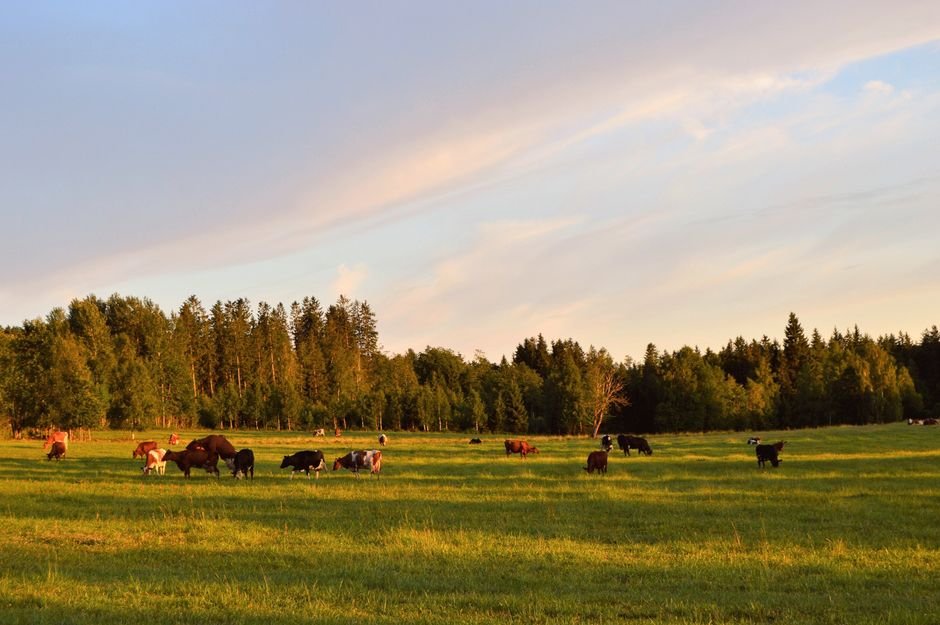
Stocking rate measures how many animal units a given area of land can support sustainably over time. It’s often expressed as acres per cow or animal units per acre (AU/acre). For example, a stocking rate of 2 acres per cow means each animal needs two acres of quality grazing land annually to meet its nutritional needs without harming the pasture.
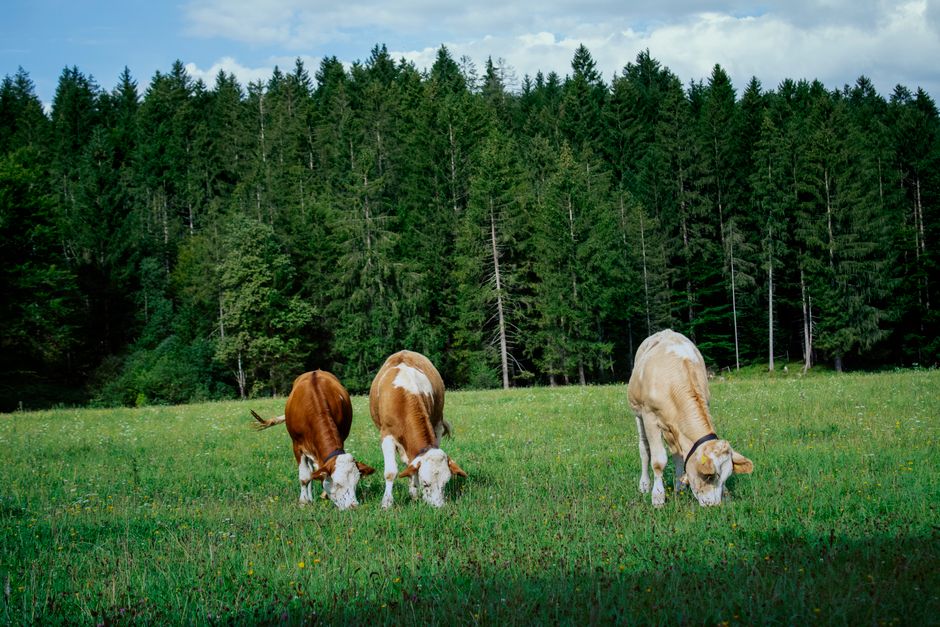
Maintaining the right stocking rate is crucial. If you overstock, the land gets overgrazed, which depletes pasture productivity, causes soil erosion, and harms forage regrowth. On the flip side, understocking means you’re not making the most of your pasture, missing potential income, and wasting land resources. The goal is to find a balance that supports both healthy cattle and sustainable pasture over the long haul.
Factors Influencing Stocking Rates: Climate, Soil, and Forage Quality
Several environmental and management factors play a big role in determining how many animals your land can support. Here’s a closer look at climate, soil type, and forage quality:
| Factor | Impact on Stocking Rate | Example |
|---|---|---|
| Climate | Sets the length of the grazing season and how much forage grows. Regions with moderate rainfall and temperatures can produce more forage, supporting higher stocking densities. Dry or drought-prone areas grow less forage, requiring lower stocking rates to avoid overgrazing. | Midwestern US typically supports 1 cow per 1.5 to 2 acres. Western US rangelands with less than 15 inches of annual rainfall often need 10 or more acres per cow. |
| Soil Fertility and Type | Soils rich in organic matter and nutrients produce denser, more nutritious forage. Well-drained loam soils yield more biomass than sandy or rocky soils, which affects carrying capacity directly. | Loamy soils in temperate zones might support 2 to 3 cows per 5 acres, while sandy soils with lower nutrient retention often support only 1 to 2 cows in the same area. |
| Forage Quality | High-quality forage with crude protein above 12% and good digestibility lets cattle meet nutritional needs more efficiently, allowing more animals per acre. Pastures dominated by lower-quality native grasses require more land per animal. | Pastures rich in ryegrass or orchardgrass can sustain 1 cow per 1.5 acres, while native grasslands with 8-10% crude protein may need 3 to 4 acres per cow to maintain body condition. |
How Much Land Does a Single Cow Actually Need?
Typical Acreage Requirements per Cow-Calf Pair in Different Regions
How much land you need for a cow-calf pair varies widely depending on local climate and pasture productivity. Here’s a snapshot of typical acreage needs in different areas:
| Region | Typical Acres per Cow-Calf Pair | Notes |
|---|---|---|
| Midwestern US (e.g., Iowa, Illinois) | 1.5 – 2 acres | Reliable rainfall around 30-40 inches, fertile soils, improved pastures |
| Western US (e.g., Montana, Wyoming) | 15 – 25 acres | Lower precipitation (10-20 inches), native rangeland with sparse forage |
| Southeastern US (e.g., Georgia, Alabama) | 2 – 4 acres | Warm climate, moderate rainfall (40-50 inches), mixed pasture types |
| Australian Outback | 30+ acres | Semi-arid to arid zones with erratic rainfall below 10 inches annually |
Differences Between Beef and Dairy Cattle Land Needs
Beef and dairy cattle have different land requirements, mainly due to feeding and management strategies:
- Beef Cattle: Typically graze pasture year-round and need more land per animal. In temperate zones, beef operations generally allocate 2 to 5 acres per cow-calf pair.
- Dairy Cattle: Often fed a mix of pasture and harvested feed like silage, hay, and grains. They might be confined during winter, cutting grazing land needs to less than 1 acre per cow, with supplemental feed grown elsewhere.
Intensive dairy farms often use forage cropping and stored feeds to increase stocking density on grazing land compared to beef operations that rely solely on pasture.
Assessing Your Land’s Productivity Before Stocking
Evaluating Forage Yield and Quality
Knowing how much and how good your forage is plays a key role in setting the right stocking rate. For instance, a temperate cool-season pasture that produces about 4,000 pounds of dry matter (DM) per acre annually can support roughly 1.5 to 2 animal units per acre, assuming each animal consumes around 25 pounds of DM daily.
On the other hand, pastures with low productivity, producing only about 1,500 pounds of DM annually, typically support just 0.5 animal units per acre. Forage quality, measured by crude protein and digestibility, influences these numbers. Forage with over 12% crude protein helps cattle maintain weight and cuts down on supplemental feed, unlike forage with protein levels below 8%.
Regular forage sampling during peak growth periods, like spring and early summer, helps you monitor nutrient content and digestibility. This data refines your stocking rate decisions and guides your feed supplementation plans.
Soil Testing and Pasture Management Practices
Soil fertility has a direct impact on forage growth. If your soil tests show a pH below 5.5 or phosphorus and potassium deficiencies, you’ll likely need lime and fertilizer applications. For example, liming acidic soils to bring the pH to between 6.3 and 6.8, along with applying about 40 pounds of phosphorus per acre, can boost forage yields by 20-30% during the growing season.
Beyond soil amendments, specific pasture management techniques can increase both forage quality and availability:
- Rotational Grazing: Rotating cattle through paddocks allows forage to rest and regrow, often increasing biomass by 15-25% compared to continuous grazing.
- Overseeding: Adding legumes like red or white clover raises pasture protein levels and overall productivity.
- Weed Control: Managing invasive plants such as thistles or Johnsongrass reduces competition, freeing up more palatable forage.
When combined, these strategies can reduce land needed per cow from about 2 acres down to as little as 1.2 acres in well-managed pastures.
Calculating Stocking Rates Based on Forage Availability
Using Carrying Capacity to Determine Optimal Cow Numbers
Carrying capacity is the maximum number of cattle your land can support without damaging pasture resources. You calculate it by dividing total forage production by the annual forage needs of your animals. For example:
- Total forage production: 5,000 pounds dry matter per acre per year
- Annual forage need per cow: 26 pounds dry matter × 365 days = 9,490 pounds
- Carrying capacity per acre = 5,000 ÷ 9,490 ≈ 0.53 cows per acre
So, with these numbers, one cow could be supported on roughly every 1.9 acres. Keep in mind this example assumes no supplemental feeding and doesn’t factor in forage losses or wildlife grazing.
Adjusting Stocking Rates for Seasonal and Yearly Changes
Forage availability changes throughout the year and from one year to the next, so stocking rates should be flexible to protect pasture health and maintain animal performance. Here are some common adjustments:
| Factor | Impact on Stocking Rate | Example Adjustment |
|---|---|---|
| Dry Season | Forage growth can drop 30-50%, limiting feed supply | Reduce herd size by 20-40% or supply supplemental hay during 3-4 dry months |
| Wet Season | Forage grows quickly, boosting carrying capacity | Increase grazing intensity or temporarily add animals to use surplus forage |
| Drought Year | Forage production falls below 50% of average | Start destocking early, cutting herd size by 40-60% to protect pastures |
| High Rainfall Year | Forage production exceeds average | Possible to increase stocking rate by 10-20% temporarily |
Keeping a close eye on pasture conditions and forage supply throughout the grazing season helps you make timely adjustments and avoid overgrazing.
Practical Examples: Stocking Rates Across Different Farm Sizes
Small-Scale vs. Large-Scale Cattle Farming
Stocking rates vary between small and large cattle operations because of differences in land availability, management, and pasture quality. Small farms under 100 acres often need precise grazing management to avoid stressing limited pastures. For example, a 25-acre farm in a moderately productive area might support about 10 cow-calf pairs at a stocking rate of 1 cow per 2.5 acres.
Large ranches with hundreds or thousands of acres often include less productive land, which lowers average stocking densities to around 1 cow per 4 to 5 acres. Still, with good management like rotational grazing and pasture improvements, some large operations push densities closer to 1 cow per 2 acres on their best pasture.
- Small farm example: 25 acres at 1 cow per 2.5 acres → about 10 cows
- Large farm example: 1,000 acres at 1 cow per 4 acres → about 250 cows
Case Study: Stocking Rates in the U.S. Midwest vs. Arid Western States
| Region | Typical Stocking Rate | Land Type | Example Farm Size | Approximate Cattle Supported |
|---|---|---|---|---|
| U.S. Midwest (e.g., Iowa, Missouri) | 1 cow per 1.5 – 2 acres | Fertile soils with average rainfall of 30-40 inches/year | 100 acres | 50 – 66 cows |
| Arid Western States (e.g., Nevada, Arizona) | 1 cow per 30 – 50 acres | Dry rangeland with less than 15 inches of precipitation | 1,000 acres | 20 – 33 cows |
This comparison highlights how soil fertility, rainfall, and forage productivity shape stocking rates. Midwest farms benefit from richer soils and steady rain, supporting more cattle per acre. Western ranches, with sparse forage and low rainfall, require far more land per animal to maintain balance.
Cow Size, Breed, and Production Goals: Tailoring Your Herd
How Breed Choice Affects Feed Requirements
Choosing the right breed is crucial when working with limited land. Breeds vary widely in mature size, feed needs, and forage consumption. For example, mature Angus cows usually weigh 1,200 to 1,400 pounds and eat about 2.5% of their body weight in dry matter daily—that’s roughly 30 to 35 pounds. Smaller breeds like Dexter or South Devon weigh 800 to 1,000 pounds and consume 18 to 22 pounds daily, making them a better fit for limited pasture.
British breeds such as Hereford and Angus tend to be efficient grazers with moderate nutritional demands. Continental breeds like Charolais and Limousin grow faster and mature larger, but they require more energy and protein, which may limit stocking density on small acreage.
Balancing Calving Rates, Growth, and Land Limits
Your production goals—whether raising replacement heifers, selling calves early, or finishing stockers—affect breed and herd size choices. High calving rates increase herd numbers and forage demand. For example, a 90% calving rate in a 10-cow herd produces about nine calves annually; raising that to 95% adds to feed and management needs.
Fast-growing breeds like Charolais or Simmental can bring calves to market sooner but require richer pasture or supplemental feed, which may not fit small acreage well. Moderate-growth breeds such as Angus or Hereford often align better with pasture limitations, supporting steady, sustainable production.
| Breed | Average Mature Weight (lbs) | Daily Forage Intake (lbs) | Typical Growth Rate (lbs/day) | Suitability for Small Acreage |
|---|---|---|---|---|
| Angus | 1,200 – 1,400 | 30 – 35 | 2.0 – 2.5 | Good; moderate feed needs, efficient grazers |
| Dexter | 800 – 1,000 | 18 – 22 | 1.5 – 2.0 | Excellent; small size, low forage demand |
| Hereford | 1,200 – 1,300 | 28 – 33 | 1.8 – 2.3 | Good; hardy and adaptable |
| Charolais | 1,600 – 2,000 | 40 – 50 | 2.5 – 3.0 | Limited; high feed needs, better for larger acreage |
Common Challenges and Solutions for Raising Cattle on Limited Land
Preventing Overgrazing and Soil Degradation
Overgrazing quickly damages pasture health on small acreage. Rotational grazing—moving cattle through smaller paddocks every 7 to 10 days—gives plants time to recover. For instance, rotating a 5-acre pasture divided into five paddocks helps maintain ground cover and reduces soil erosion.
Supplementing feed during dormant seasons also lowers grazing pressure. Soil tests every 2 to 3 years help track nutrient levels, allowing timely lime or fertilizer applications to keep soil fertile and prevent compaction. Adding cover crops such as red clover or annual ryegrass boosts soil organic matter and nitrogen, supporting stronger forage stands.
Dealing with Predators
Predators like coyotes, feral dogs, and mountain lions can threaten small herds, especially near wild or forested areas. Effective deterrents include:
- Guardian Animals: Livestock guardian dogs such as Great Pyrenees, Anatolian Shepherds, or donkeys provide protection through their presence and behavior.
- Nighttime Corrals: Keeping cattle in predator-resistant corrals overnight significantly lowers attack risk.
- Motion-Activated Lights and Alarms: These can surprise and discourage predators without needing constant human vigilance.
Using several methods together strengthens protection and improves safety on small acreage.
Fencing and Infrastructure Constraints
Fencing needs to balance cost, durability, and effectiveness on small acreage to contain cattle and keep predators out. Here’s a comparison of common fence types:
| Fence Type | Cost per Foot | Effectiveness | Maintenance |
|---|---|---|---|
| Barbed Wire | $0.50 – $1.00 | Moderate; good for adult cattle containment | Requires regular tightening and repairs |
| Electric Fence | $1.00 – $3.00 | High; controls younger/smaller cattle and deters predators | Needs energizer, batteries, and frequent checks |
| Woven Wire | $1.50 – $3.50 | High; best for calves and predator exclusion | Durable with moderate maintenance; may sag over time |
Addressing infrastructure challenges like water access can be managed by installing automatic waterers with wells or solar pumps to ensure consistent supply. Compact handling facilities designed for small herds save space and reduce cattle stress during tasks like vaccinations or sorting.
Sustainable Stocking: Balancing Land, Cattle, and Environmental Health
Signs of Overgrazing and How to Avoid It
Overgrazing happens when animals eat forage faster than it can regrow, leading to pasture damage and soil problems. Watch for these warning signs:
- Patchy Vegetation: Bare spots and erosion, often near water or shade areas.
- Declining Forage Quality: Invasive or unpalatable weeds replacing desirable grasses.
- Reduced Grass Height: Plants grazed below 3 inches consistently, limiting regrowth.
- Soil Compaction: Hard, crusted soil that stops water infiltration and root growth.
To prevent this, keep stocking rates within your land’s carrying capacity. For example, in pastures producing about 3,000 pounds of dry matter per acre annually, allocate 2 to 3 acres per cow-calf pair. Exceeding that without management risks damaging your pastures.
Rotational Grazing and Other Strategies to Improve Land Use Efficiency
Rotational grazing splits pastures into smaller paddocks, letting cattle graze in one area while others rest and regrow. This can boost stocking rates by 20-30% without harming pasture health. Benefits include:
- Better Forage Recovery: Rest periods of 30 to 45 days encourage deeper roots and more biomass.
- More Uniform Grazing: Stops cattle from overgrazing preferred plants, keeping pastures diverse and vigorous.
- Improved Soil Fertility: Even manure distribution enhances nutrient cycling and soil conditions.
Other helpful strategies include:
| Strategy | Description | Impact on Land Use |
|---|---|---|
| Cross-Fencing | Divides pasture into paddocks for controlled grazing | Allows better control of grazing intensity and rest time, improving forage use |
| Seasonal Stocking Adjustments | Reducing herd size during drought or low forage periods | Protects pasture by preventing overgrazing when feed is scarce |
| Supplemental Feeding | Providing hay, silage, or grain when pasture forage falls short | Reduces grazing pressure and maintains animal nutrition |
By adopting these approaches, you balance livestock production goals with pasture health, securing your farm’s long-term productivity and environmental sustainability.