
Understanding the Importance of Water for Cattle Health and Productivity
The Role of Water in Digestion, Milk Production, and Growth
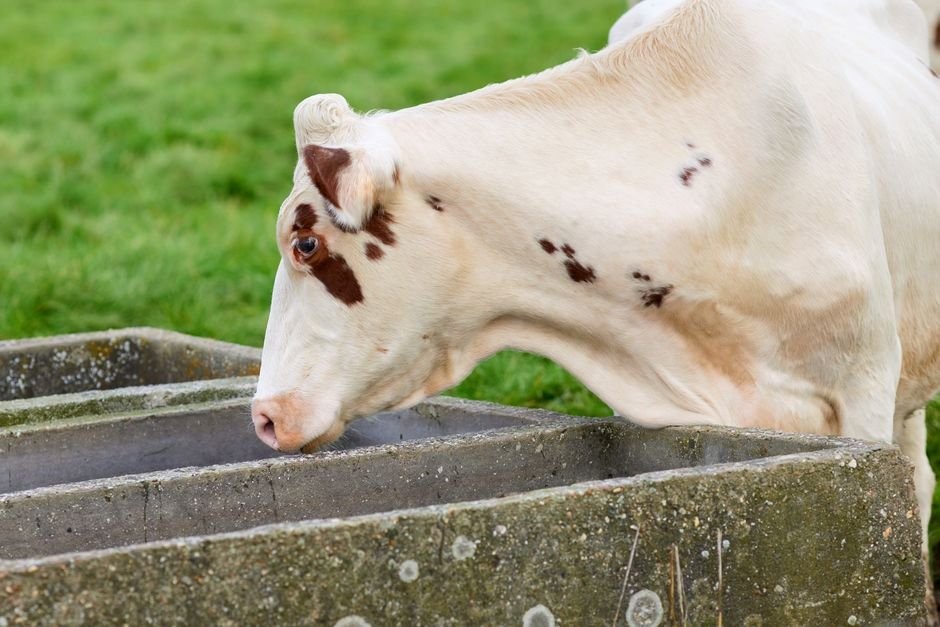
Water is crucial for almost every bodily function in cattle. It helps keep the rumen fluid balanced, enabling microbes to break down fibrous plants effectively. These microbes need plenty of water to digest cellulose and hemicellulose, producing volatile fatty acids—the main energy source for cattle. For example, a mature dairy cow producing 30 liters of milk daily typically drinks between 90 and 150 liters of water, highlighting how milk production depends heavily on water intake.
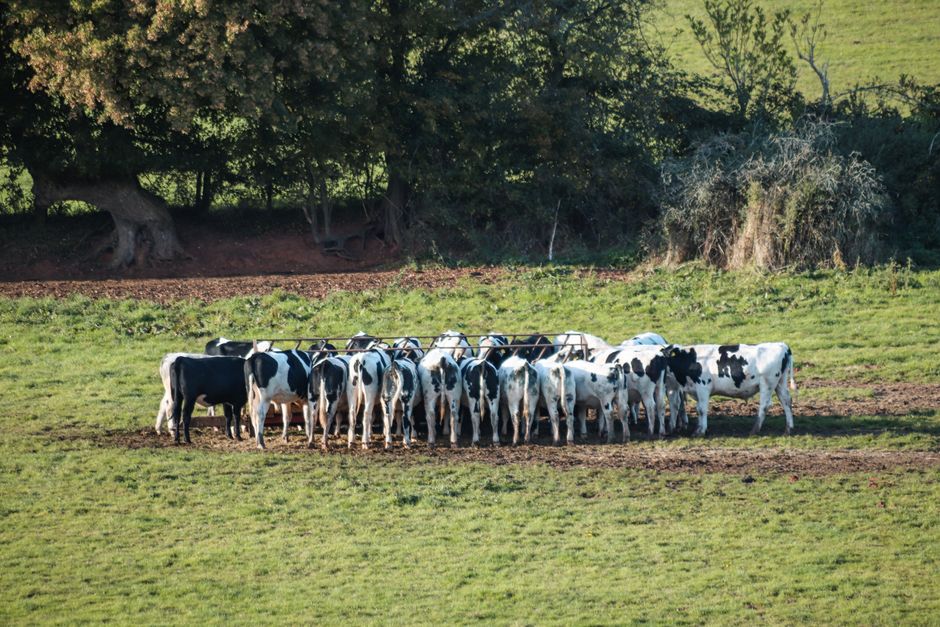
Growing calves also rely on water to fuel their cellular metabolism and nutrient transport. Since water makes up about 70% of a calf’s body weight, any shortage can slow feed efficiency, weight gain, and muscle growth. Lactating cows have even higher water requirements because milk itself contains roughly 87% water. Reliable access to fresh water is essential to maintain high milk yields.
Consequences of Inadequate Water Intake
Lack of clean water can lead to serious health and productivity setbacks, such as:
- Lower Feed Intake and Digestive Issues: When water is scarce, cattle eat less, which disrupts rumen fermentation. This raises the risk of ruminal acidosis or impaction from poor fiber digestion.
- Drop in Milk Production: Lactating cows that don’t get enough water may see milk yields fall by 10-20% within just a few days, directly reducing farm income.
- Slower Growth and Greater Disease Risk: Young cattle with restricted water intake often gain weight more slowly and have weaker immune systems, making them vulnerable to respiratory and gastrointestinal infections.
- Serious Health Threats: Extended dehydration can cause hyperthermia (high body temperature), tachycardia (increased heart rate), acute kidney damage, and even death.
Ensuring cattle always have access to clean, fresh water is one of the most basic yet vital management practices to support their wellbeing and performance.
How Much Water Do Cattle Need? Key Factors Influencing Intake
Effects of Age, Weight, and Lactation Stage on Water Needs
Water consumption varies widely depending on the animal’s age, size, and physiological state. Young calves drink about 2 to 4 liters daily, mainly through milk, which itself is about 87% water. As they start eating solid feed, their water intake naturally increases to support rumen microbes.
Adult cattle’s water needs scale with body weight and production level. For instance, a 500 kg (1100 lbs) beef steer typically drinks 40 to 60 liters (10 to 16 gallons) per day in moderate temperatures. High-yield dairy cows weighing around 600 kg (1320 lbs) can consume 90 to 150 liters (24 to 40 gallons) daily, especially during peak lactation.
The stage of lactation significantly affects water demand. Early lactation cows producing 30 liters (8 gallons) of milk daily may need as much as 150 liters (40 gallons) per day. In contrast, dry cows without milk production usually drink 50 to 70 liters (13 to 18 gallons) daily.
Impact of Environmental Temperature and Weather Conditions
Ambient temperature has a strong influence on how much water cattle drink. As temperatures rise, cattle increase water intake to cool off through evaporation and to stay hydrated. For example, a 500 kg steer drinking 40 liters at 15°C (59°F) may consume over 70 liters (18 gallons) when temperatures reach 30°C (86°F) or higher. Heat stress also causes greater water loss through respiration, pushing demand even higher.
Cold weather can reduce voluntary water intake, especially if water sources freeze or become less accessible. Still, cattle need enough water to maintain rumen fermentation and metabolic processes. Dry, windy conditions can increase water requirements as evaporative losses rise.
| Factor | Water Intake Range (liters/day) | Example |
|---|---|---|
| Calves (up to 6 months) | 2 – 10 | Milk-fed calf: ~3 liters/day |
| Mature Beef Steer (500 kg) | 40 – 70+ | 40 L at 15°C, 70 L at 30°C+ |
| Lactating Dairy Cow (600 kg) | 90 – 150 | 150 L during peak lactation (30 L milk/day) |
| Dry Cow | 50 – 70 | No milk production, lower intake |
Types of Water Sources for Cattle: Pros and Cons
Natural Water Sources: Streams, Ponds, and Rivers
Streams, ponds, and rivers have long been traditional water sources for cattle. They usually require minimal infrastructure, but their quality and availability can change with the seasons and weather.
- Streams: Flowing water tends to stay fresher and better oxygenated, which helps limit stagnation and bacterial buildup. However, streams may dry up during droughts, and unrestricted cattle access can cause bank erosion and sediment pollution.
- Ponds: These usually hold water year-round but can suffer from algal blooms—including toxic blue-green algae (cyanobacteria). Sediment buildup and fecal contamination from cattle drinking directly in the pond also degrade water quality.
- Rivers: Rivers provide large volumes of water but may have strong currents or seasonal flooding, making access unsafe. Pollution from upstream farms or industries can introduce chemicals or pathogens downstream.
To protect natural water sources, fencing or controlled access points help reduce erosion and contamination. Regular testing for microbial and chemical contaminants is also critical to ensure water safety.
Man-Made Watering Systems: Tanks, Troughs, and Automatic Drinkers
Artificial watering systems offer greater control over water availability and quality, which is especially important in intensive or large-scale operations.
| Water Source | Pros | Cons |
|---|---|---|
| Tanks (e.g., stock tanks) |
|
|
| Troughs |
|
|
| Automatic Drinkers |
|
|
Choosing the right watering system depends on herd size, water availability, climate, and budget. Adding filtration or treatment systems improves water safety and benefits cattle health and productivity.
Best Practices for Supplying Water to Cattle
Ensuring Adequate Water Quality and Cleanliness
Water quality directly affects cattle health and how much they drink. Water should be free from harmful bacteria like E. coli and Salmonella, as well as excessive sediment, algae, or chemical pollutants such as nitrates and sulfates. Cleaning water troughs or tanks at least once a week helps prevent algae and bacterial buildup.
Using natural water sources calls for filtration units or sedimentation basins to reduce debris and microbes. Testing water twice a year is recommended, checking pH (ideally 6.5–8.5), total dissolved solids (TDS under 500 mg/L), nitrates (under 100 mg/L as nitrate-nitrogen), and coliform bacteria levels. High nitrate or salt content lowers water palatability, reduces intake, and can cause nitrate poisoning or scours.
Consistently providing fresh, clean water encourages steady drinking, supporting better digestion, rumen health, and milk production.
Placement and Accessibility of Water Points in Pasture and Feedlot Settings
Positioning water points thoughtfully improves cattle comfort and reduces health risks. In pastures, locate water near shade and grazing areas on elevated, well-drained ground. Avoid low, muddy spots that become contaminated. Ideally, water sources should be spaced no more than 0.5 miles (800 meters) apart to minimize travel and maximize grazing time.
In feedlots, provide at least one waterer per 20 to 25 cattle to prevent competition and aggression. Place troughs on solid, well-drained surfaces like concrete or gravel to avoid mud and hoof problems. Ensure 12 to 18 inches (30 to 45 cm) of linear drinking space for every 10 animals so multiple cattle can drink comfortably at once.
| Setting | Water Placement Guidelines | Accessibility Recommendations |
|---|---|---|
| Pasture | Near shade and grazing areas; elevated, well-drained sites; avoid low, muddy depressions | Water points spaced within 0.5 miles (800 m) |
| Feedlot | On firm, well-drained surfaces like concrete or gravel pads | One waterer per 20–25 head; 12–18 inches (30–45 cm) linear trough space per 10 head |
Monitoring and Managing Water Intake for Optimal Cattle Performance
Behavioral Signs of Dehydration and Water Stress
Spotting dehydration early helps maintain cattle health and productivity. Mature cattle generally drink between 25 and 50 gallons (95 to 190 liters) daily, depending on size, diet, and environment. Watch for these signs of water stress:
- Reduced Feed Intake: Dehydrated cattle tend to eat less, which causes weight loss and lowers milk production.
- Increased Restlessness: Animals may pace, vocalize, or gather anxiously near water sources when access is limited.
- Dry Mucous Membranes: Check eyes, nostrils, and mouth for dryness or tackiness—classic dehydration indicators.
- Sunken Eyes and Skin Tent Test: Pinching skin over the shoulder; if it stays tented or returns slowly, and eyes look sunken, dehydration is likely.
- Altered Urination: Less frequent urination or dark, concentrated urine signals reduced hydration.
Addressing these signs quickly by improving water access and quality can prevent drops in growth, reproduction, and overall health.
Using Technology and Tools to Track Water Consumption
Technology now offers precise ways to monitor water intake and manage cattle more efficiently:
| Technology/Tool | Function | Benefits | Limitations |
|---|---|---|---|
| Automated Water Meters | Measure exact water volumes consumed by groups or individual animals | Provide real-time accurate data; detect sudden drops pointing to health or equipment issues | Higher installation and upkeep costs; need regular calibration and maintenance |
| Wearable Sensors | Track drinking frequency and duration via collars, ear tags, or halters | Monitor individual health; enable early detection of dehydration or illness | Initial investment; potential durability and battery life concerns |
| Remote Cameras | Visual surveillance of water points and cattle behavior | Non-invasive monitoring; quickly spot water system problems or access issues | Require manual review or AI software; lighting and weather can affect performance |
Regularly reviewing data from these tools helps make timely changes in watering routines, ensuring steady access to clean water and quick response to problems.
Seasonal and Environmental Challenges in Water Supply and How to Overcome Them
Managing Water Supply During Droughts and Heatwaves
Drought and heatwaves can boost cattle water needs by up to 50%. For example, mature cows may increase intake from 30-50 gallons (115-190 liters) to 60-75 gallons (230-285 liters) daily during peak heat. Meanwhile, natural water sources may shrink and lose quality, making supply a real challenge.
Strategies to tackle these conditions include:
- Supplemental Water Storage: Install large storage tanks of 5,000 gallons (19,000 liters) or more to collect water during wet periods, creating a reserve for dry spells.
- Alternative Water Sources: Use wells, boreholes, or haul water when natural supplies dwindle. Regularly test well water for minerals like sulfates and nitrates, and other contaminants.
- Shade and Cooling: Provide shade structures or plant trees to reduce heat stress, which lowers respiratory water loss and overall water demand.
- Monitor Consumption: Use water meters or check water levels daily to spot reduced intake early, which may indicate heat stress or equipment failure.
Preventing Freezing and Maintaining Water Access in Winter
Freezing temperatures can block water access, raising risks of dehydration and lower feed intake. To keep water flowing in cold months, consider:
- Heated Waterers: Electric or propane tank heaters keep water above freezing (around 4-5°C or 40°F) to prevent ice buildup.
- Insulated Tanks: Double-walled or insulated tanks with floating covers help retain heat and reduce ice formation.
- Manual Ice Removal: In less-equipped farms, breaking ice regularly with long tools keeps water accessible.
- Running Water Systems: Circulating water or trickle flow systems discourage freezing by maintaining movement.
| Challenge | Problem | Solution | Notes |
|---|---|---|---|
| Drought/Heatwave | Increased water demand and reduced natural water volume | Install large storage tanks, use alternative water sources, provide shade | Water intake may rise to 75 gallons (285 liters) per cow per day during peak heat |
| Winter Freezing | Frozen water restricts access | Use heated waterers, insulated tanks, running water systems, and manual ice removal | Maintaining water temperature above 4°C (40°F) prevents ice formation |