
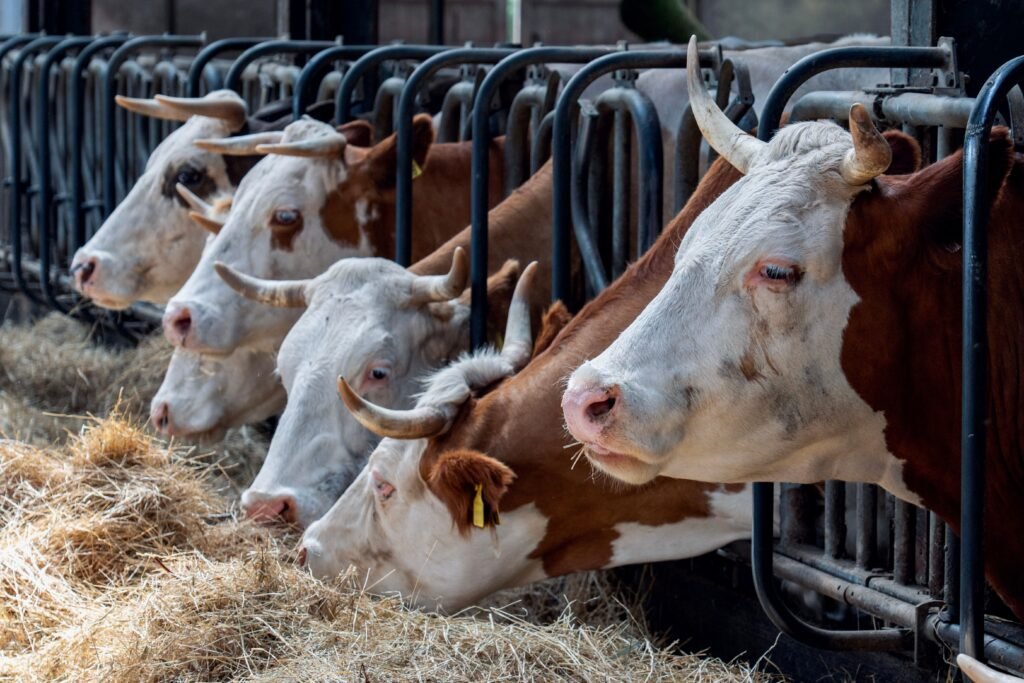
Understanding the Importance of Land and Acreage in Cattle Farming
Choosing the right land and acreage is a critical decision for anyone planning to raise cattle. The quality, size, and location of the land directly influence herd health, productivity, and profitability. Unlike other livestock enterprises, cattle require sufficient grazing space, access to water, and suitable terrain to thrive. Without proper land management, farmers can face overgrazing, soil erosion, and poor animal performance.
Moreover, the interplay between land and cattle farming extends beyond immediate nutrition. The ecological balance maintained by proper land use affects biodiversity, carbon sequestration, and the long-term viability of the farming operation. Well-managed pasturelands can act as carbon sinks, improving soil organic matter and reducing greenhouse gas emissions associated with livestock production. Conversely, poor land choices can exacerbate environmental degradation, contributing to desertification and loss of native species. Therefore, land selection is not just an economic decision but also an environmental stewardship responsibility that modern cattle farmers must embrace.
Key Factors to Consider When Selecting Land for Cattle
1. Soil Quality and Pasture Composition
Soil fertility and pasture type are foundational for productive grazing. Fertile soils rich in nutrients support better grass growth, which is crucial for cattle nutrition. For instance, Loam and Silt Loam soils are highly preferred because they retain moisture and nutrients effectively. Conversely, sandy or rocky soils often require expensive amendments or are less suitable for pasture.
In addition to soil texture, soil biology plays a vital role. Healthy soils harbor beneficial microorganisms like mycorrhizal fungi and nitrogen-fixing bacteria that enhance nutrient availability to plants. Practices such as minimizing soil disturbance, maintaining ground cover, and applying organic amendments promote microbial activity and improve pasture resilience.
Ideal pasture grasses depend on your climate but commonly include:
- Cool-season grasses: Kentucky bluegrass, orchardgrass, ryegrass
- Warm-season grasses: Bermuda grass, Bahia grass, switchgrass
Research from the University of Nebraska shows that pasture land with a mixture of these grasses can provide year-round forage, reducing feed costs by up to 40%. Incorporating legume species such as clover and alfalfa can further enhance forage quality by fixing atmospheric nitrogen and improving protein content, which supports higher weight gains in cattle.
Moreover, pasture composition should be assessed for invasive species and weeds that compete with desirable forage. Species like Johnsongrass or sericea lespedeza can reduce pasture quality and need to be managed through targeted herbicide applications or mechanical removal.
2. Acreage Size Based on Herd Needs
The acreage required depends on the number of cattle and the carrying capacity of the land. Carrying capacity is the number of animals the land can support without degradation. This varies widely based on pasture quality, rainfall, and management practices.
As a general rule, in moderate rainfall areas (about 20-30 inches annually), one cow-calf pair requires about 2 to 5 acres. In more arid regions, this can increase to 10 or more acres per pair. For example:
| Region | Annual Rainfall | Acreage per Cow-Calf Pair | Notes |
|---|---|---|---|
| Midwestern US | 30-40 inches | 2-3 acres | Good soil fertility, productive pasture |
| Western US (semi-arid) | 10-15 inches | 15-20 acres | Requires rotational grazing to prevent overuse |
| Southeastern US | 45-60 inches | 1.5-2.5 acres | Extended growing season, potential for winter forage |
A well-planned stocking rate ensures sustainable pasture usage and healthy cattle growth.
For a more precise determination, farmers can use tools like the Animal Unit Month (AUM) metric, which estimates the forage consumption for one 1,000-pound cow and her calf for a month. Local extension services often provide regional AUM values that help in planning pasture utilization. For example, in regions with poorer forage value, stocking at 75% of the theoretical carrying capacity can prevent overgrazing during drought years.
Additionally, land heterogeneity must be considered. Areas with mixed terrain or vegetation types may have uneven carrying capacities, requiring adaptive management. Practices such as strategic supplementary feeding and seasonal pasture rest can optimize land use without risking pasture degradation.
3. Water Availability and Quality
Access to clean, reliable water sources is paramount. Cattle typically consume 10-20 gallons of water daily depending on temperature, lactation, and growth stage. When selecting land, ensure there are natural water bodies such as ponds, streams, or reliable wells, or consider the cost of developing these resources.
For instance, in drought-prone areas, installing a solar-powered well or water troughs throughout the pasture can maintain hydration and prevent cattle from congregating in small water points, which can cause land degradation.
Water quality is equally important. Contaminated water sources with high levels of bacteria, nitrates, or heavy metals can lead to health issues such as mastitis, reduced feed intake, and lower weight gains. Regular testing of water quality, ideally annually or biannually, can detect problems early. Additionally, fencing off natural water bodies can prevent cattle trampling, reduce sedimentation, and maintain water clarity.
Innovations in water management include the use of automated waterers with monitoring sensors to track consumption patterns and detect potential health issues early. Coupling water systems with shade structures encourages cattle to drink regularly and reduces heat stress during summer months.
4. Terrain and Topography
Flat to gently rolling terrain is ideal as it facilitates easier grazing, handling, and fencing. Steep or rocky land increases erosion risk and complicates farm operations. Moreover, hillside pastures may reduce grazing quality due to less plant growth and water runoff.
Topography also impacts soil moisture retention. Valleys and low-lying areas may accumulate water and support lush forage growth but can also become breeding grounds for pests like mosquitoes or be prone to flooding. Conversely, ridges may be drier but provide better drainage. Effective pasture design often includes integrating contour fencing and terraces in sloped areas to reduce runoff and erosion.
In some cases, integrating riparian buffers—areas of vegetation along waterways—helps protect water quality, provide shade for cattle, and improve wildlife habitat. Terrain mapping technologies such as GPS and drones provide farmers with detailed elevation data to optimize paddock layouts and water distribution systems.
5. Proximity to Markets and Services
While remote land might be cheaper, proximity to sale barns, feed stores, veterinarians, and processing facilities reduces transportation costs and stress on cattle. For example, farms within 50 miles of a livestock market generally save 10-15% on transportation expenses.
Moreover, access to extension services, feed suppliers, and emergency veterinary care can drastically enhance response times during critical events like disease outbreaks or calving complications. This proximity can also influence the ability to adopt new technologies and participate in cooperative marketing programs.
When evaluating location, consider transportation infrastructure as well. Well-maintained roads reduce wear and tear on vehicles and minimize stress on animals during transit. Some regions may have seasonal road closures or restrictions that affect market access.
Steps to Acquire and Prepare Your Land
1. Conduct Soil and Pasture Testing
Before purchase, invest in soil testing to assess nutrient levels, pH, and presence of contaminants. Many agricultural extension services offer testing for $15-$30 per sample. Pasture testing includes identifying the species present and their nutritional value.
Advanced soil analyses can include tests for cation exchange capacity (CEC), organic matter content, and soil compaction. These parameters help in creating a detailed soil fertility map, guiding lime, fertilizer, and seed applications. Additionally, pasture assessments might involve biomass sampling to estimate forage availability and nutritional profiling through laboratory analysis of crude protein, fiber, and energy values.
Understanding soil salinity and heavy metal contamination is critical in areas with a history of industrial activity or irrigation with poor-quality water. Such contaminants can impair plant growth and pose risks to animal health.

2. Evaluate Legal and Zoning Restrictions
Confirm zoning laws support cattle farming and check for any land-use restrictions, water rights, or conservation easements. For instance, some counties mandate minimum acreage for livestock or forbid certain fence types.
Additionally, farmers should investigate deed restrictions, easements, and rights-of-way that may limit fencing or land use. Water rights can be especially complex in western states where prior appropriation doctrines govern usage, requiring permits or adherence to specific withdrawal limits.
Environmental regulations may also affect land use, such as buffer zones around wetlands or endangered species habitats. Failure to comply with these regulations can lead to fines or forced cessation of activities. Consulting local agricultural agencies and legal advisors early in the acquisition process can mitigate such risks.
3. Plan for Fencing and Infrastructure
Proper fencing protects your herd and neighbors. Common fencing options include:
- Barbed wire: Cost-effective, $1-$2 per foot, durable but can injure cattle.
- High-tensile wire: More expensive ($2-$3/foot), safer and lasts longer.
- Electric fencing: Flexible and cost-effective for rotational grazing.
Innovations like portable electric fencing allow for dynamic pasture management and improved rotational grazing practices. Combining fence types, such as barbed wire for perimeter and electric fencing for internal paddocks, balances cost and effectiveness.
Infrastructure like feeding areas, shade structures, and handling facilities also need budgeting and land planning. Handling facilities, including squeeze chutes and sorting pens, improve animal welfare and operational efficiency during vaccinations, weaning, and transport preparations.
Water infrastructure should be integrated with fencing plans to ensure easy access without causing soil compaction or erosion. Shade structures can be natural (trees) or artificial and are especially important in hot climates to reduce heat stress, which negatively impacts weight gain and reproduction.
4. Implement Rotational Grazing Systems
Divide your acreage into paddocks to rotate cattle, allowing pasture regrowth and reducing parasite buildup. For example, a 50-acre farm might be split into 5 paddocks of 10 acres each, with cattle moved every 7-10 days.
Rotational grazing improves pasture utilization by up to 30%, enhances plant diversity, and reduces the prevalence of parasitic worms by interrupting their life cycles. Advanced systems may include adaptive grazing, where movement timing and stocking density change based on forage growth rates and weather conditions.
Using technologies such as GPS-enabled virtual fencing can automate grazing patterns, reduce labor, and allow precise management of forage resources. Combining rotational grazing with multispecies grazing—such as integrating sheep or goats—can further optimize pasture use and predator management.
Real-World Examples of Successful Land and Acreage Use
Example 1: Smith Family Ranch, Kansas
The Smiths run a 150-head cow-calf operation on 600 acres of mixed grass prairie. They utilize rotational grazing with 12 paddocks, averaging 4 acres per cow-calf pair. With annual rainfall around 30 inches, their well-managed pastures sustain year-round grazing, reducing supplemental feed by 35%. Water is supplied by two natural ponds and a solar-powered well.
In addition, the Smith Ranch has implemented soil health monitoring, using cover cropping during the off-season to regenerate soil organic matter and reduce erosion. Their grazing plan incorporates rest periods of at least 30 days per paddock during the growing season, which promotes deep-rooted perennial grasses improving drought resilience.
The ranch also participates in a local conservation program, receiving cost-sharing for fencing upgrades and water development that supports wildlife corridors, enhancing biodiversity on their property while maintaining production.
Example 2: Green Valley Ranch, Texas
This ranch operates on 1,200 acres in a semi-arid region with 15 inches of rainfall annually. They stock about 80 cow-calf pairs, roughly 15 acres per pair. The ranch invested heavily in water infrastructure, installing solar wells and multiple water troughs to maintain herd health during dry seasons. Their rotational grazing schedule includes 20 paddocks, rotated every 14 days.
Green Valley Ranch employs drought-tolerant forage species like Bermuda grass mixed with native bluestem, enhancing forage availability through the hot summer months. They have also installed remote water monitoring systems that alert managers to flow interruptions, allowing timely repairs and minimizing cattle stress.
Economic diversification through agrotourism and direct-to-consumer beef sales supplements their income, offsetting high land and infrastructure costs. This holistic approach emphasizes sustainable land use and community engagement, serving as a model for semi-arid cattle operations.
Cost Considerations When Purchasing Land for Cattle
Land prices vary greatly by location, soil quality, and infrastructure. According to USDA 2023 data:
| Region | Average Price per Acre (USD) | Typical Acreage Needed per 10 Cattle | Estimated Land Cost |
|---|---|---|---|
| Midwestern US | $3,500 | 30 acres | $105,000 |
| Western US | $1,800 | 150 acres | $270,000 |
| Southeastern US | $2,700 | 25 acres | $67,500 |
Budgeting for fencing ($1,500-$3,000 per mile), water systems ($2,000-$10,000), and pasture improvements (lime, seed, fertilizer) is essential for a complete financial plan.
Additionally, consider ongoing costs such as property taxes, insurance, and maintenance. Infrastructure depreciation and replacement planning are vital to avoid unexpected large expenses. For example, fencing typically requires inspection and repairs every 5 years, while water pumps may need replacement or servicing every 10 years.
Financial assistance programs, such as USDA’s Environmental Quality Incentives Program (EQIP), may help offset costs related to conservation practices and infrastructure improvements, improving the long-term financial viability of cattle operations.
Tips for Maximizing Land Use and Cattle Productivity
- Utilize mixed-species grazing: Combining cattle with other livestock like sheep can improve pasture utilization and reduce parasites. Sheep preferentially graze broadleaf plants, complementing cattle’s grass consumption, which leads to more uniform forage use and reduced weed pressure.
- Integrate forage crops: Plant winter rye or clover to extend grazing seasons and reduce feed costs. Forage crops can fill feed gaps during cold months or drought, maintaining steady weight gain and reducing reliance on stored feeds.
- Invest in soil health: Regular soil testing and amendments maintain pasture productivity. Practices like no-till overseeding, cover cropping, and organic fertilization boost soil organic matter and improve water retention.
- Manage stocking rates carefully: Avoid overstocking to prevent pasture damage. Using livestock performance data and forage growth monitoring helps adjust herd size dynamically based on pasture conditions.
- Use technology: GPS for pasture mapping and monitoring cattle health can improve efficiency. Wearable sensors track activity, rumination, and temperature, enabling early detection of illness and optimizing grazing patterns.
- Implement record-keeping systems: Detailed records of pasture conditions, animal performance, and inputs allow data-driven decision-making that enhances productivity and sustainability.
- Encourage biodiversity: Incorporating native grasses and legumes increases pasture resilience to pests and climate variability, supporting a balanced ecosystem.
Conclusion
Finding the best way to acquire and manage land and acreage for cattle involves balancing several factors: soil quality, water access, acreage size relative to herd needs, terrain, and budget. Success comes from thoughtful planning, understanding local environmental conditions, and proper pasture management. Whether you’re purchasing 30 acres in the Midwest or 150 acres in the West, investing in quality land and infrastructure will pay dividends through healthier cattle and more sustainable production.
Furthermore, embracing innovations in grazing management, water technology, and soil health can improve profitability while minimizing environmental impacts. By viewing the land not just as a resource but as a dynamic ecosystem, cattle farmers can create resilient operations capable of adapting to climate variability and market fluctuations. Ultimately, the synergy between land stewardship and livestock management defines the long-term success and sustainability of cattle farming ventures.