Preparing for Arrival: Months 1-2
Selecting Your First Cattle and Setting Up Proper Housing
Choosing your first cattle is a big step that depends on your goals, available space, and experience. For beginners, breeds like Angus or Hereford are often recommended because they’re hardy, adapt well to different climates, and have a gentle temperament. You’ll need to decide whether to start with a weaned calf—usually 6 to 9 months old—or a mature cow. While weaned calves require more frequent feeding and careful monitoring, they usually settle into new environments more easily and offer a longer productive lifespan.
When it comes to housing, safety and comfort should be your top priorities. A sturdy three-sided shelter or barn that provides at least 40 square feet per animal is essential. Good ventilation, along with dry bedding like straw or wood shavings, helps keep cattle comfortable and healthy. For fencing, 4.5 feet high woven wire with 4-inch spacing works well, or you can use strong electric fencing with multiple strands. This setup prevents escapes and keeps predators such as coyotes or stray dogs at bay.
Essential Equipment and Initial Health Checks
Before your cattle arrive, make sure you have the following equipment ready:
- Feeding troughs: Opt for galvanized steel or heavy-duty plastic, measuring 4 to 6 feet long to accommodate several animals, and designed for easy cleaning to prevent mold or bacterial growth.
- Water source: Reliable water troughs or automatic waterers that provide 10 to 15 gallons per animal daily are crucial. In colder climates, ensure freeze protection.
- Handling facilities: A squeeze chute or headgate made of steel allows for safe restraint during vaccinations, deworming, or health checks.
- Basic tools: Include well-fitted halters for calves or cows, grooming brushes like curry combs and stiff-bristled brushes, plus a cattle-specific first aid kit stocked with antiseptics, wound dressings, and syringes.
Initial health checks should cover:
- A thorough physical exam focusing on respiratory rate, temperature—typically between 100.5 and 102.5°F—and signs of external parasites such as lice or ticks.
- Vaccinations tailored to your region and herd risk. These usually include multivalent clostridial vaccines against Blackleg, Tetanus, and Malignant Edema, as well as respiratory vaccines for Infectious Bovine Rhinotracheitis (IBR), Bovine Viral Diarrhea (BVD), Parainfluenza-3 (PI3), and Bovine Respiratory Syncytial Virus (BRSV).
- Deworming based on fecal egg counts or veterinarian guidance, using products like ivermectin or fenbendazole following recommended dosages.
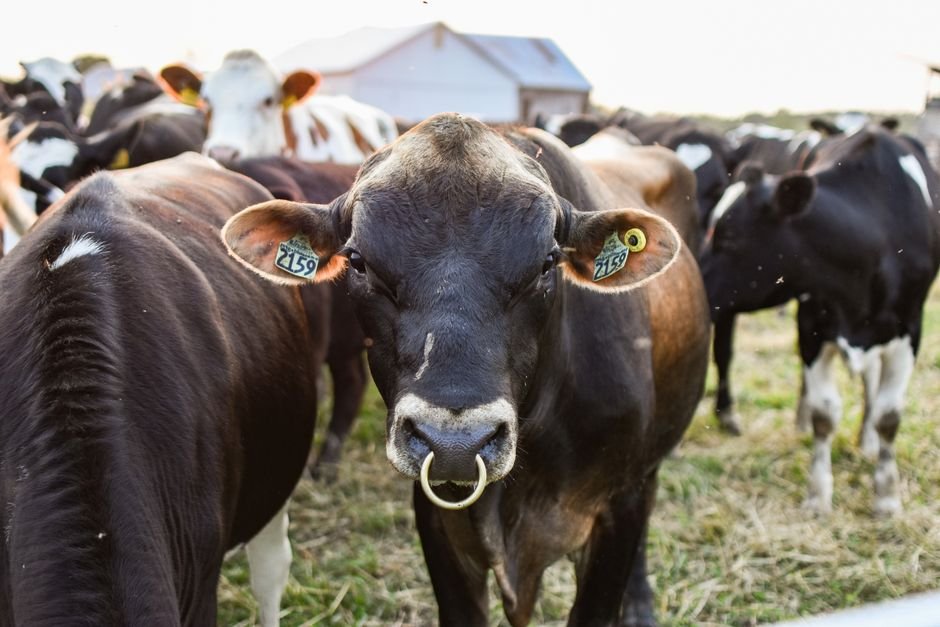
- Identification methods such as USDA-compliant ear tags or freeze branding to keep accurate health, breeding, and traceability records.
Arrange a visit from a large-animal veterinarian within the first week after your cattle arrive. An early professional assessment helps establish a preventive health plan and tackles any emerging issues promptly.
Establishing Feeding and Nutrition Routines: Months 3-4
Transitioning to Pasture and Supplementary Feeding
During months 3 and 4, your calf will start shifting from a milk-based diet to solid feeds and pasture grazing. Introduce high-quality pasture slowly—starting with 2 to 3 hours per day on well-managed paddocks rich in red clover (Trifolium pratense) and perennial ryegrass (Lolium perenne). These forage plants provide a balanced mix of protein and energy that supports healthy growth.
Supplementary feeding remains important at this stage. Offer a commercially formulated calf starter grain containing 18 to 20% crude protein. Typical ingredients include rolled corn, soybean meal, ground oats, and a vitamin-mineral premix supplying vitamins A, D, E, along with trace minerals like zinc and selenium. Feed 2 to 3 pounds per day in two separate meals to minimize digestive upset.
Always provide clean, fresh water and refill it daily. Adding 1 to 2 pounds of good-quality alfalfa hay can promote rumen development by supplying fiber and essential nutrients.
Monitoring Growth and Adjusting Diets
Keep track of your calf’s weight and body condition score (BCS) every two weeks, using a livestock scale or weight tape. Aim for an average daily gain (ADG) between 1.5 and 2 pounds (0.7 to 0.9 kg). On a 1-9 BCS scale, target a moderate condition between 4 and 6 by the end of month 4—this reflects healthy growth without excess fat or thinness.
If weight gain slows or BCS falls below 4, increase the calf starter grain by about half a pound per day or offer more high-quality hay. If the calf gains too quickly and becomes overly fleshy (BCS above 6), reduce grain by half a pound and extend pasture time to encourage lean muscle development and avoid metabolic problems.
| Feed Type | Recommended Amount (per day) | Purpose | Notes |
|---|---|---|---|
| Pasture (red clover/ryegrass mix) | 2-3 hours grazing | Main forage, provides fiber and nutrients | Introduce gradually over 7-14 days to prevent digestive upset |
| Calf starter grain (18-20% CP) | 2-3 lbs (split feedings) | Energy and protein support growth | Adjust based on weight gain and BCS |
| Alfalfa hay (optional) | 1-2 lbs | Fiber and rumen development | Choose early-cut, leafy hay for best nutrition |
| Water | Free access | Hydration and digestion | Keep fresh and clean at all times |
Health Management and Vaccinations: Months 5-6
Scheduling Vaccinations and Parasite Control
At five to six months, booster vaccinations are crucial to maintain strong immunity. These typically include clostridial vaccines against Blackleg, Tetanus, and malignant edema, plus respiratory vaccines for IBR, BVD, PI3, and BRSV. Consult your veterinarian to tailor vaccine types and timing based on local disease risks.

Controlling internal parasites is also important to prevent stunted growth. Use broad-spectrum dewormers suitable for your cattle and region, such as injectable or pour-on ivermectin or oral fenbendazole. Fecal egg counts, performed by your vet, help determine when and what to treat, reducing the chance of resistance. For external parasites like lice and ticks, use approved topical treatments, including pyrethroid sprays or medicated mineral blocks, especially if pastures have a history of infestations.
Recognizing Early Signs of Illness
Spotting illness early can make treatment much more effective. Watch your calf daily during this period for:
- Behavioral changes: Less activity, separating from the herd, or reluctance to move.
- Reduced appetite: Eating or drinking less for more than 24 hours.
- Respiratory signs: Persistent coughing, nasal discharge (clear or thick), or rapid breathing exceeding 40 breaths per minute.
- Digestive upset: Watery diarrhea or constipation lasting over a day, potentially leading to dehydration.
- Physical issues: Swollen joints or limbs, limping, or unusual gait that could indicate injury or infection.
If you notice any of these symptoms, isolate the calf promptly to prevent spreading illness and contact your veterinarian for assessment and treatment. Regular daily health checks at this stage can greatly reduce the risk of serious disease outbreaks.
Handling and Training Basics: Months 7-8
Building Trust and Safe Handling Practices
By seven to eight months, your calf is stronger and more aware, so calm, consistent handling is key. Start each interaction by speaking softly and moving slowly to avoid startling your animal. Spend 10 to 15 minutes daily near the calf, gently stroking areas like the neck and shoulders to build trust.
Introduce halter training gradually. Fit a halter that comfortably suits the calf’s head and allow it to wear the halter for 5 to 10 minutes at first, extending the time as it becomes more comfortable. Lead the calf short distances—5 to 10 feet—using a lead rope, rewarding it with small treats like a teaspoon of molasses or a handful of grain to create positive associations.
Always approach from the front or side, never from behind to avoid startling the calf. When leading, stand on its left side and hold the lead rope gently but firmly, avoiding pulling. Use a stock stick or sorting paddle calmly to guide the calf when necessary, steering clear of force.
Introducing Routine Grooming and Hoof Care
This is a great time to get into regular grooming and hoof care. Grooming not only keeps the coat healthy but also helps you detect skin problems or parasites early.
- Grooming: Start with a rubber curry comb or stiff-bristled brush to remove dirt and loose hair. Follow with a softer body brush to smooth the coat. Groom for 10 to 15 minutes every other day, paying special attention to sensitive areas like behind the ears, under the neck, and along the spine.
- Hoof care: Check hooves weekly, cleaning away mud and manure with a hoof pick. Look for cracks, soft spots, or bad odors that might signal infection. Practice lifting each hoof briefly so the calf gets used to foot handling, which will make future trimming or treatment easier.
Good hoof maintenance now helps prevent lameness and mobility issues later. If possible, arrange a professional hoof trim around month 8, or train your calf to stand calmly on a hoof trimming stand to facilitate care.
Breeding Considerations and Seasonal Care: Months 9-10
Understanding Breeding Cycles and Selecting Bulls
At nine to ten months, understanding the cow’s estrous cycle becomes essential for breeding success. Most cows cycle every 21 days, with estrus (heat) lasting 12 to 18 hours. Signs include increased restlessness, mounting or standing to be mounted by others, swelling and redness of the vulva, and a clear, stringy mucus discharge.
Choose bulls based on temperament, size, and genetics that fit your herd’s goals. For beef herds, Hereford bulls are prized for their calm nature and efficient feed-to-muscle conversion. Dairy operations often prefer Holstein bulls for their milk production genetics. Always ensure bulls are healthy, free of sexually transmitted diseases, and have passed breeding soundness exams.
Artificial insemination (AI) offers access to top genetics and reduces physical risks and disease spread linked to natural service. If you use natural breeding, keep a ratio of one mature bull per 25 to 30 cows to ensure effective coverage without overtaxing the bull.

Preparing for Seasonal Weather Challenges
As fall turns to winter, it’s time to prepare for colder weather and increased moisture. Provide well-ventilated shelters such as three-sided windbreaks or barns with dry, insulating bedding like straw. This helps protect cattle from wind chill and dampness, which can cause hypothermia and respiratory problems.
Adjust feeding to meet higher energy needs during cold spells. Increase grain or top-quality hay by about 0.5% of body weight daily—for example, a 1,200-pound cow would need roughly 6 extra pounds of feed each day during cold weather to maintain condition.
Keep water sources from freezing by using heated troughs or regularly breaking ice. Check fencing to ensure it can withstand snow loads and keep paths to feed and water clear to prevent slips or injuries.
Year-End Review and Planning Ahead: Months 11-12
Evaluating Growth, Health, and Behavioral Progress
As your first year with cattle wraps up, take time for a thorough review. Compare your animals’ current weight and frame size with breed standards and your initial goals. For example, an Angus heifer typically weighs 800 to 900 pounds at 12 months. Significant deviations could point to nutritional or health concerns that need addressing.
Look over health records for recurring issues such as respiratory infections or parasite problems. Assess how well your vaccination and deworming schedules worked to maintain steady body condition scores (BCS) between 5 and 7, which support reproduction and longevity.
Reflect on behavioral progress too. Notice how calmly your cattle react to routine handling like weighing, grooming, and hoof care. If they show stress or fear, increase the frequency of low-stress handling and positive interaction to ease future management and reduce health risks related to stress.
Setting Goals and Preparing for Year Two of Ownership
Use your review to set clear, measurable goals for the year ahead. Consider focusing on:
- Weight gain targets: Aim for steady growth rates like 1.5 to 2 pounds per day for feeder calves, adjusting for breed and market needs.
- Health milestones: Plan booster vaccinations, deworming intervals, and quarterly veterinary checkups to keep your herd healthy.
- Behavioral improvements: Schedule monthly handling and training sessions to reinforce calm, cooperative behavior during care.
Don’t forget to prepare your facilities for seasonal challenges. Make sure shelters are winter-ready, feed supplies are sufficient and nutritious, and that fencing and handling equipment are maintained or upgraded based on what you learned in your first year.
| Focus Area | Year 1 Status | Year 2 Goal | Action Steps |
|---|---|---|---|
| Growth | Average 1.2 lbs/day | Steady 1.8 lbs/day gain | Improve feed quality, monitor intake, weigh biweekly |
| Health | Minor respiratory issues | Healthy with stable BCS 5-7 | Update vaccines, schedule quarterly vet visits |
| Behavior | Moderate stress during handling | Calm and cooperative | Monthly low-stress handling and positive reinforcement |
Completing this year-end evaluation and planning helps set the stage for a healthier, more productive, and easier-to-manage herd in your cattle’s second year with you.