
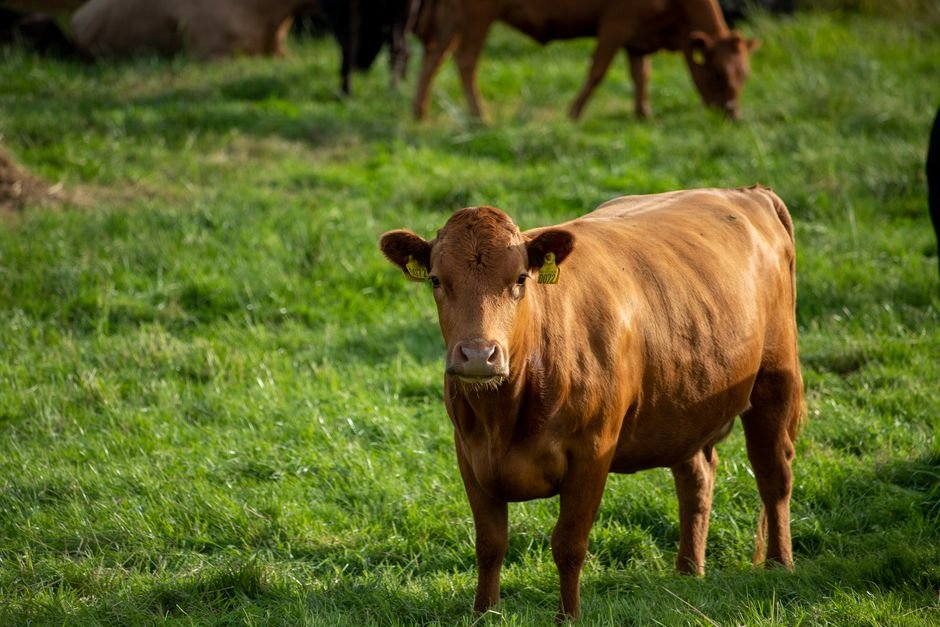
Using Cattle Behavior to Improve Handling
Good handling starts with knowing when an animal is calm and when it is stressed. Rapid breathing, loud bellowing, pawing, and showing the whites of the eyes all mean an animal needs more space and a slower approach. For a detailed look at ear position, tail signals, vocalizations, and other cues, see our guide: Cattle Body Language: How to Read What Your Cows Are Telling You.
How Herd Dynamics Influence Movement and Control
Cattle are naturally social creatures with clear hierarchies that shape how they move as a group. Understanding these herd dynamics helps handlers manage movement efficiently:
- Leader-Follower Behavior: Typically, one or two dominant cows lead the way. These leaders are usually calm and confident. Identifying and guiding them first makes moving the entire herd smoother.
- Flight Zone: Each cow has a personal space—the flight zone—ranging from about 6 to 12 feet depending on their temperament and past experiences. Approaching near the edges of this zone prompts forward movement, while moving straight into it or too close can cause unpredictable or aggressive reactions.
- Group Cohesion: Cattle prefer staying together. Isolating individuals, especially in new environments, increases stress and resistance, often leading to vocalizing and balking.
| Herd Behavior | Handling Implication | Practical Tip |
|---|---|---|
| Leader-Follower | Move leaders first to prompt group movement | Spot calm, confident individuals to lead the herd |
| Flight Zone | Determines direction and pace of movement | Approach from the zone’s edge to guide cattle smoothly |
| Group Cohesion | Separating cattle raises stress and resistance | Keep animals together when moving through pens or chutes |
Matching stress signals with herd behavior insights allows handlers to ease cattle movement, improving safety and efficiency.
Designing Safe and Efficient Handling Facilities
Importance of Proper Chute and Alley Design
Handling facilities designed with cattle comfort in mind make a big difference. For mature cows, chute widths between 26 and 30 inches (66 to 76 cm) work best. This size stops animals from turning around or backing up, which lowers stress and injury risk. Chutes narrower than 26 inches can cause agitation from feeling cramped, while wider ones let cattle turn around, causing blockages. Alleys with solid, non-slip flooring should measure 12 to 20 feet (3.7 to 6 meters) to offer enough room for steady, unhurried movement.
The angle where the alley meets the chute also affects flow. Aligning chutes at roughly 25 degrees to the alley reduces balking by about 30% compared to a 90-degree setup. This gentler turn feels more natural to cattle and keeps them moving.
Using Solid Panels and Curved Corridors for Better Flow
Solid panels play a crucial role in reducing distractions that cause cattle to hesitate. Unlike open or barred panels, solid sides shield cattle from outside movements, shadows, or people, helping them focus on moving forward. Panels made of steel or sturdy plywood and standing at least 5 feet (1.5 meters) tall work well to maintain steady flow and discourage escape attempts.
Curved corridors take advantage of cattle’s natural tendency to follow a rounded path when moving in groups. A curve radius between 30 and 50 feet (9 to 15 meters) gently guides animals toward the chute, avoiding sharp turns or dead ends. This approach reduces stress and balking, speeding up processing by mimicking their instinctive movement patterns.
| Feature | Recommended Specification | Benefit |
|---|---|---|
| Chute Width | 26-30 inches (66-76 cm) for mature cows | Prevents turning or backing, reduces injury risk |
| Alley Length | 12-20 feet (3.7-6 meters) | Supports orderly cattle movement without crowding |
| Chute Angle | Approx. 25 degrees from alley | Minimizes balking and hesitation |
| Panel Type | Solid steel or plywood, ≥5 feet (1.5 m) high | Blocks distractions, encourages forward movement |
| Corridor Shape | Curved, 30-50 foot (9-15 m) radius | Aligns with natural herd movement for smooth flow |
Low-Stress Handling Methods for Better Outcomes
The Principles of Pressure and Release
Low-stress cattle handling relies on a simple but effective principle: apply pressure to prompt movement, then release it as soon as the animal responds. Pressure means positioning yourself to encourage the animal to move—for example, stepping into the cow’s flight zone—but stepping back immediately once the cow moves forward is the “release,” which tells the animal it’s done the right thing.
Patience is key. Use the least amount of pressure necessary to avoid triggering fear. Overdoing it with shouting, fast chasing, or harsh touch leads to stress behaviors like freezing, bolting, or balking, which slow things down. Studies have found that properly timed pressure and release can reduce sorting time by up to 30% and decrease injury risk for cattle and handlers alike.
Techniques to Minimize Stress During Sorting and Loading
Sorting and loading are often the most stressful points for cattle. Using low-stress techniques here improves safety and speed:
- Curved chutes and solid-sided alleys: These prevent distractions that cause hesitation.
- Work within the flight zone: Approach cattle near their shoulder or slightly behind, avoiding chasing that sparks panic.
- Keep noise and sudden moves down: Avoid yelling, slamming gates, or abrupt gestures that startle cattle into freezing or backing up.
- Load in smaller groups of 5–10: Smaller groups reduce crowding stress and make movement onto trailers smoother.
- Let cattle pause briefly: Allow animals to stop on ramps or at trailer entrances so they can find secure footing, reducing slips and falls.
Farmers who adopt these methods have reported up to a 40% drop in bruising and much easier cattle movement, leading to faster, safer loading.
Tools and Equipment Every Farmer Should Use
Essential Handling Tools and Their Proper Use
The right tools make cattle handling safer and less stressful for everyone involved. Key items include:

- Cattle Prod: Use sparingly and always on the lowest effective electric setting. Overuse can cause fear and break trust.
- Sorting Stick or Cane: A 3-4 foot (0.9-1.2 meter) lightweight stick helps guide cattle gently through tapping or applying subtle pressure without harm.
- Headgate and Chute: Properly sized and smoothly operating, these devices securely restrain animals for procedures like vaccinations or tagging, reducing stress and injury risk.
- Halters and Ropes: Soft, durable materials minimize skin irritation. Avoid chains or tight knots that can cause injury. Ensure ropes are strong but flexible and tied correctly.
- Protective Gear for Handlers: Gloves protect against rope burns, steel-toed boots shield feet, and helmets are advisable in confined or high-risk settings.
Maintenance Tips to Ensure Equipment Safety
Routine maintenance extends equipment life and keeps everyone safe:
- Headgate and Chute: Apply non-toxic grease monthly to moving parts. Inspect quarterly for rust, bent bars, or loose bolts. Replace damaged components promptly.
- Ropes and Halters: Clean halters every 3-4 months with mild soap and water to avoid skin irritation. Regularly check ropes for frays and replace when necessary.
- Cattle Prod Batteries: Test before each use and replace batteries at least twice a year to ensure consistent operation.
- Sorting Sticks: Inspect annually for splinters or cracks; sand smooth or replace if damaged to prevent injury.
Regular care reduces downtime, prevents accidents, and supports smooth handling operations.
Training and Safety Practices for Handlers
Personal Protective Equipment (PPE) and Safe Movement
Handler safety starts with the right gear. Steel-toed boots protect feet from trampling injuries, gloves prevent rope burns and scrapes, and durable long pants and sleeves guard against scratches and bites. In low-light or busy areas, high-visibility vests help avoid accidental collisions.
Moving safely around cattle means approaching calmly and deliberately. Avoid sudden movements or loud noises that might spook animals. In tight spaces like chutes or pens, keep clear pathways and never turn your back on cattle to avoid surprise encounters. Staying 6 to 10 feet (1.8 to 3 meters) away strikes a good balance between control and safety, keeping you close but out of kicking range.
Developing Handler Skills Through Experience and Observation
Experience combined with careful observation sharpens handling skills. Watching herd behavior, especially during stressful tasks like sorting or loading, helps anticipate cattle reactions and refine techniques.
Structured learning—such as working alongside experienced handlers or attending specialized workshops—accelerates mastery. For instance, handlers trained to use flags or sorting sticks often report fewer injuries and calmer cattle. Regular self-assessment through video reviews or peer feedback also encourages continuous improvement.
| Training Method | Key Benefits | Example |
|---|---|---|
| Mentorship | Real-time guidance and correction | Working with veteran handlers during cattle sorting |
| Workshops | Focused skill-building and exposure to best practices | Attending cattle handling safety seminars from extension services |
| Self-Observation | Identifies personal weaknesses and reinforces strengths | Recording handling sessions for review |
Benefits of Proper Handling on Cattle Health and Farm Profitability
Reduced Injury and Disease Risk
Good cattle handling practices reduce injuries and lower disease risks, directly boosting farm productivity. Calm handling cuts stress, which otherwise suppresses immune function and elevates disease chances. Farms adopting low-stress techniques report up to a 30% decrease in bruising and lameness compared to those using rougher methods.
Proper handling also minimizes physical injuries like broken limbs, cuts, or bruises, cutting veterinary costs and preventing production losses caused by sick or injured animals. Injured cattle often need extra care, grow more slowly, or face early culling. Preventing injuries keeps herds healthier and supports quicker recovery, ensuring steady output.
Improved Weight Gain, Reproduction, and Overall Productivity
Handling cattle gently translates into better weight gain and reproduction. Research shows that calmly handled cattle gain 5-10% more weight during finishing periods due to lower cortisol levels improving appetite and digestion. For example, a low-stress steer may reach market weight weeks earlier than a stressed one, increasing turnover and profits.
Reproductive success improves as well. Cows handled gently have higher conception rates and shorter calving intervals. Stress disrupts hormones, delaying estrus and raising miscarriage risk. Farms practicing good handling report up to 15% higher calving rates and healthier calves with improved survival rates.
| Benefit | Impact of Proper Handling | Comparison to Rough Handling |
|---|---|---|
| Injury Rate | Reduced by up to 30% | Higher bruising and fractures |
| Weight Gain | Increased by 5-10% | Slower growth due to stress |
| Reproductive Success | Up to 15% higher conception rate | Delayed estrus, higher miscarriage risk |
| Veterinary Costs | Lower from fewer injuries and illnesses | Higher from treatment needs |
Investing in proper cattle handling not only improves animal welfare but also boosts key production metrics and overall farm profitability through healthier, more productive herds.