
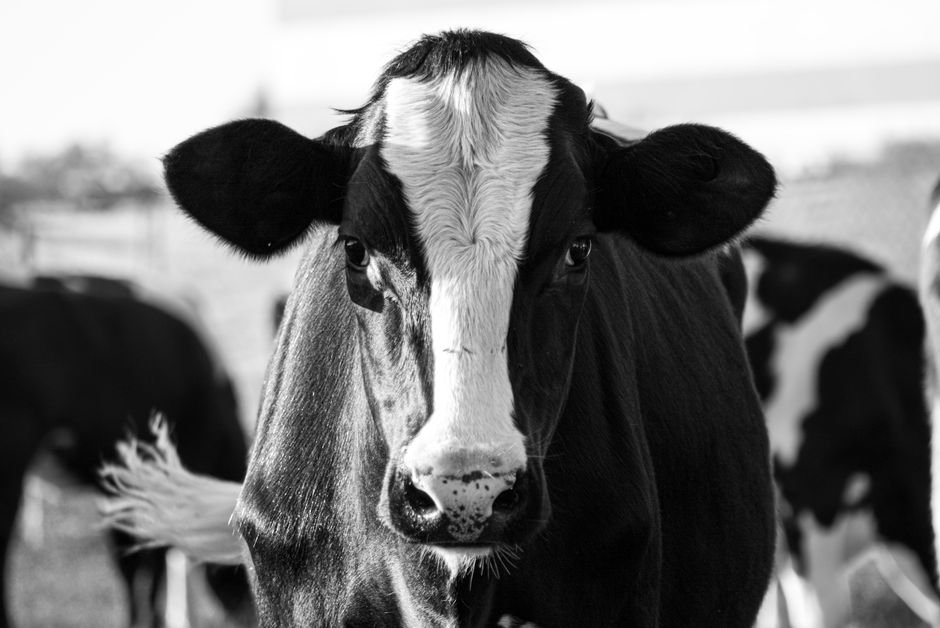
Introduction: Understanding Nighttime Mooing on Your Farm
If you’ve ever been up late on your farm and heard the unmistakable sound of cows mooing in the dark, you’re not alone. Nighttime mooing is a common phenomenon that can puzzle new and experienced farmers alike. But why do cows moo at night? Understanding the reasons behind this behavior can provide valuable insights into the well-being of your herd and help you manage your farm more effectively.
This article explores five key reasons cows moo during the night and what these vocalizations mean in the context of your farm’s environment and herd management.
1. Communication: Staying Connected in the Dark
Cows are highly social creatures that rely on a complex system of communication to maintain herd cohesion and safety. Vocalizations are a primary method they use to stay connected, particularly at night when their vision is limited. The darkness profoundly restricts their ability to see one another, making audible communication essential for orientation and reassurance.
For example, when grazing during the day, cows can visually track each other, but at night, when visibility drops dramatically, their calls become crucial to avoid isolation. This auditory connection is especially vital for calves, which are more vulnerable and prone to becoming separated from their mothers. Research indicates that mother-calf pairs use distinct “contact calls” that differ in tone and frequency from other herd vocalizations. These specific moos help the mother locate her calf and vice versa, reducing the risk of the calf becoming lost, which could expose it to danger.
Moreover, cows use mooing to maintain social bonds within the herd. In unfamiliar environments or after changes to the herd structure—such as the introduction of new animals or relocation—cows may increase their nighttime vocalizations to alleviate stress and establish social hierarchies. For instance, a study published by the University of Edinburgh found that cows separated from their familiar group members exhibit increased vocal activity at night, which decreases as social bonds are reestablished.
Additionally, scientists have identified that cows can even recognize individual voices, implying that specific mooing patterns are used to address particular herd members. This nuanced form of communication underlines why consistent nighttime mooing is not just noise but a critical social behavior that sustains herd stability.
2. Environmental Stressors and Disturbances
Nighttime can present a variety of environmental stressors that contribute to increased vocalizations among cows. Understanding these stressors not only helps explain why cows moo more at night but also allows farmers to implement preventive measures.
- Predator Presence: Even on well-managed farms, the perceived or actual presence of predators such as coyotes, wolves, or stray dogs can provoke alarm moos. Research from wildlife biologists shows that when cows hear predator sounds—whether directly or through indirect cues like howling or rustling—they emit sharp, loud vocalizations that alert the herd and potentially ward off the threat. In some regions, night predation risk remains significant, and farmers who use livestock guardian dogs or enhanced fencing notice a reduction in nighttime vocal distress.
- Weather Changes: Sudden weather shifts, such as drops in temperature, increased wind speeds, or approaching storms, can cause cows to become restless and vocal. For example, cows are sensitive to barometric pressure changes and may moo more frequently as a response to discomfort or anticipation of adverse weather. A study conducted in the Midwest found that during cold snaps, nighttime mooing increased by approximately 30%, correlating with the animals’ attempts to seek shelter or huddle together for warmth.
- Unfamiliar Noises: The farm environment is rarely silent at night. Nocturnal wildlife like raccoons, owls, or foxes, as well as mechanical noises from irrigation systems, generators, or distant traffic, can disturb cows’ rest. Additionally, activities such as nighttime milking, tractor use, or human movement near the barn can elevate stress levels and prompt mooing. Noise pollution studies suggest that cows exposed to unpredictable or loud noises may exhibit more vocal distress signals, which can be mitigated by soundproofing barns or scheduling noisy tasks during daylight hours.
Farmers who invest in environmental monitoring technology, such as weather stations or predator detection systems, often gain an advantage in identifying and responding to these triggers. For instance, motion-activated lights or alarms can deter predators, while insulated or windproof shelters reduce weather-induced discomfort and subsequent vocalizations.
3. Hunger and Thirst: Signals of Basic Needs
Contrary to the common belief that cows only feed during daylight hours, many cattle exhibit nocturnal feeding behaviors, especially if their diet is insufficient or their feeding schedule is irregular. Hunger and thirst are fundamental motivators for vocalization, and nighttime mooing often serves as a clear signal that these basic needs are unmet.
For more on this, see our related guide: Essential Highland Cow Care: A Comprehensive Guide to Raising Healthy Herds.
Several factors contribute to hunger or thirst-driven nighttime mooing:
- Feed Accessibility: When feed supplies run low or become difficult to access due to overcrowding or poor feed bunk design, cows may vocalize persistently at night. This behavior is particularly acute in dairy herds where high-producing cows have elevated nutritional requirements. Farmers have observed that implementing automated feeding systems that deliver smaller, more frequent meals can reduce hunger-related vocalizations by preventing long fasting periods.
- Water Availability: Water is critical for rumination and overall health, and its availability at night is equally important. In cold climates, water troughs can freeze overnight, depriving cows of hydration and prompting increased mooing near the water source. Research from agricultural extension services recommends heated waterers or insulated troughs to maintain liquid water access across seasons, which significantly decreases vocal demand signals.
- Feeding Schedule Irregularity: Cows thrive on routine, and deviations from established feeding times can cause anxiety and vocal complaints during the night. Studies have shown that herds with consistent feeding schedules demonstrate lower levels of nocturnal mooing, indicating greater comfort and satisfaction.
Farmers can apply best practices such as ensuring feed bunks are adequately filled before nightfall, providing continuous water access, and maintaining a regular feeding timetable to minimize hunger-related mooing. Additionally, monitoring body condition and feed intake helps identify individuals who may be underfed or experiencing competition within the herd, which can complicate feeding behaviors and increase distress vocalizations.
4. Health Issues and Discomfort
Nighttime mooing can be an important early warning sign of health problems or physical discomfort in cows. Because cattle are prey animals, they often mask signs of illness or pain during the day to avoid appearing vulnerable. However, at night, when the herd is quieter and less active, affected animals may vocalize more frequently as a distress signal.
Common health-related causes of increased nighttime mooing include:

- Digestive Disorders: Conditions such as bloat, acidosis, or indigestion cause significant discomfort and can prompt cows to moo persistently. For example, bloat can cause abdominal distension and pain, leading to vocalizations that alert farmers or herdmates. Prompt identification and intervention are critical since untreated bloat can be fatal.
- Injuries and Pain: Physical injuries—such as lameness, bruises from rough terrain, or trauma sustained during handling—often result in increased vocalization. Cows experiencing pain may isolate themselves and vocalize more at night when the herd is stationary, which contrasts with quieter daytime behavior.
- Respiratory or Infectious Diseases: Respiratory infections or systemic illness can cause discomfort, coughing, and coughing-related vocalizations. A sudden increase in night mooing combined with other signs such as nasal discharge or reduced appetite should prompt veterinary assessment.
Farmers should incorporate nighttime mooing patterns into their health monitoring protocols, using audio or video surveillance technology where possible. Devices that track vocalizations can alert caretakers to abnormalities, allowing for quicker diagnosis and treatment. For example, farms employing remote monitoring systems have reported a 25% reduction in delayed illness detection, improving animal welfare and reducing treatment costs.
5. Mating and Estrus Behavior
During the breeding season, cows and bulls increase their vocal activity as part of reproductive behaviors, including nighttime mooing. These vocalizations serve multiple purposes: attracting mates, signaling estrus readiness, and establishing dominance among bulls.
Estrus vocalizations in cows are often characterized by louder, more frequent, and sometimes higher-pitched moos. Heifers and cows in heat are known to vocalize extensively to signal their fertility status. The duration of estrus vocalization can last several hours, often peaking at night when environmental distractions are minimal.
Bulls, in turn, respond with their own vocalizations to assert dominance or approach receptive cows. This vocal exchange is crucial in natural breeding systems for successful mating. In addition, some farmers have reported that tracking the intensity and timing of nighttime mooing helps them better identify optimal insemination windows, improving breeding efficiency. For example, a study from a large commercial herd in Texas found that integrating vocalization data with heat detection devices enhanced artificial insemination success rates by 15%.
If you’re also looking into this, our article on Essential Water Management for Healthy, Productive Cattle covers it in more detail.
Beyond breeding, these vocalizations also serve to establish social hierarchy during the mating season, which can temporarily increase noise levels within the herd. Farmers managing multi-bull herds may observe more frequent nighttime mooing as bulls compete for access to cows in estrus.
Table: Summary of Common Reasons for Nighttime Mooing
| Reason | Description | Indicators | Farm Management Tips |
|---|---|---|---|
| Communication | Maintaining contact in low visibility | Repeated calls among herd, mother-calf separation | Keep calves close, maintain herd grouping |
| Environmental Stressors | Response to predators, weather, or noise | Sudden, alarm-like vocalizations | Improve shelter, reduce noise disturbances |
| Hunger and Thirst | Basic needs not met or irregular feeding | Loud, persistent mooing near feed/water areas | Ensure regular feeding, fresh water access |
| Health Issues | Discomfort or illness causing distress | Isolated, unusual vocal patterns | Monitor health, consult vet if needed |
| Mating Behavior | Estrus or breeding season vocalizations | Loud, frequent mooing from certain cows | Track cycles, plan breeding accordingly |
Practical Steps to Address Nighttime Mooing
To effectively manage nighttime mooing, farmers should consider a combination of observation, environment control, and herd health monitoring:
- Routine Checks: Conduct regular nighttime or pre-dawn inspections to understand patterns and identify trouble spots. Using night-vision cameras or thermal imaging can help detect signs of distress or separation without disturbing the animals.
- Improve Shelter: Provide secure, comfortable housing that shields cows from weather and predators. Incorporating features such as windbreaks, insulated walls, and predator-proof fencing can reduce environmental stressors that trigger mooing.
- Consistent Feeding Schedule: Align feed and water availability with cows’ natural rhythms to minimize hunger-related vocalizations. Automated feeders and heated waterers can ensure accessibility during all hours, especially in extreme temperatures.
- Health Monitoring: Use night mooing as one indicator among many for early health intervention. Consider integrating acoustic monitoring technologies that distinguish distress vocalizations, enabling timely veterinary response.
- Breeding Management: Track mooing alongside heat detection tools to optimize breeding success. Combining behavioral observation with technology improves accuracy and reduces unnecessary animal handling.
Real-World Example: A Midwest Dairy Farm Case Study
John, a dairy farmer in Wisconsin, noticed that his herd began mooing persistently at night during the early spring. Initial concern suggested predators, but upon inspection, John realized that the water troughs near the barn entrance had frozen overnight, leaving cows thirsty. After installing heated waterers and adjusting feeding times to include a late-night feed, the nighttime mooing reduced by over 70% within a week.
Additionally, John incorporated a routine of frequent nighttime checks using a handheld thermal camera, which allowed him to monitor the herd without disturbing them. This helped detect minor injuries and early signs of illness, further reducing stress vocalizations. By combining environmental improvements with attentive management, John improved herd comfort and productivity significantly.
This example highlights that simple environmental adjustments, coupled with attentive observation and timely intervention, can significantly improve herd comfort and reduce unnecessary noise disturbances, ultimately leading to more efficient farm operations.
Conclusion: Listening to Your Herd’s Nighttime Voices
While nighttime mooing can sometimes seem like a nuisance, it’s a valuable form of communication that offers clues about your cows’ needs and well-being. By understanding the five key reasons—communication, environmental stress, hunger or thirst, health issues, and mating behavior—you can take targeted steps to improve your farm’s management and the quality of life for your cattle.
Paying close attention to when and why your cows moo at night will help you create a safer, calmer, and more productive farm environment. Embracing both traditional observation methods and modern technology can enhance your ability to interpret these vocal signals, ensuring your herd remains healthy, comfortable, and well-managed around the clock.
Related articles
- Essential Highland Cow Care: A Comprehensive Guide to Raising Healthy Herds
- Essential Water Management for Healthy, Productive Cattle