
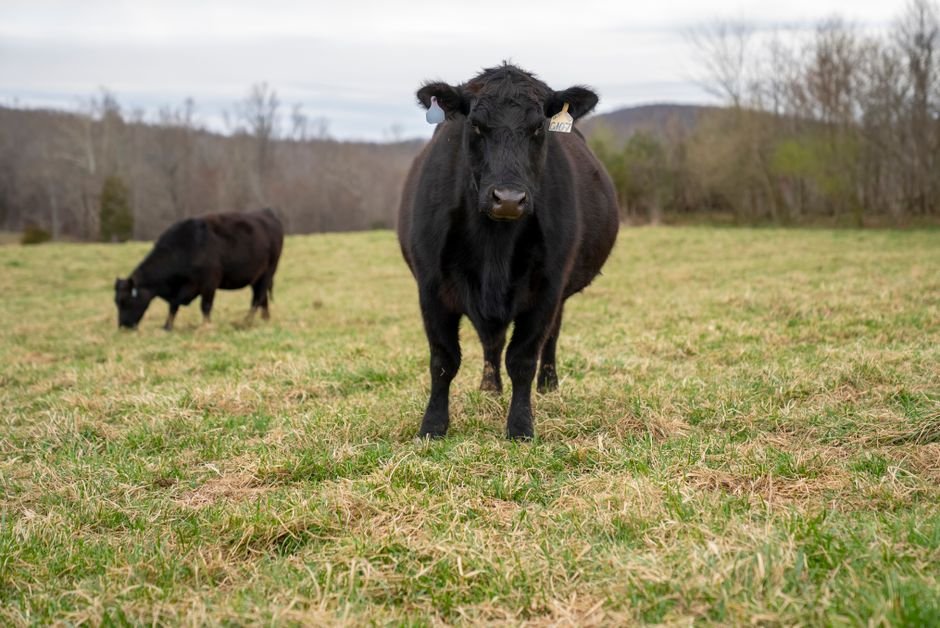
Introduction: Why Raise Beef Cattle on a Small Farm?
Raising beef cattle on a small farm offers a unique opportunity to generate income while managing land sustainably. Unlike large-scale operations, small farms require careful planning to optimize each animal’s return without overextending resources. This article presents 27 targeted steps and strategies designed to help small-scale farmers raise beef cattle profitably, balancing costs, animal health, and market demands.
Small-scale beef production can also serve as a meaningful way to preserve agricultural heritage, maintain biodiversity, and contribute to local food systems. Given increasing consumer interest in locally sourced, ethically raised meat, small farms have a competitive advantage in branding and marketing. Additionally, integrating beef cattle into a diversified farm operation can improve soil health through manure deposition and rotational grazing, enhancing pasture productivity and reducing the need for synthetic fertilizers.
1. Assess Your Farm’s Resources and Goals
Start by evaluating your available land, pasture quality, water sources, and budget. Profitability hinges on matching cattle stocking rates to your land’s carrying capacity. For example, a typical stocking rate might range between 1 to 2 acres per animal unit depending on forage quality.
Key Considerations:
- Available grazing acreage
- Access to clean, reliable water
- Infrastructure (fencing, shelters, handling facilities)
- Financial goals and timeline for returns
Beyond the physical resources, consider your long-term goals: Are you aiming for quick turnover of animals, or is a slower, pasture-finished approach preferable? For instance, if your objective is to produce grass-fed beef with a premium price, a lower stocking density with longer grazing periods is ideal, whereas a quicker finishing system may require supplemental feeding and higher inputs. Soil testing and forage analysis can also inform your pasture management plan by identifying nutrient deficiencies or invasive species that need attention.
Additionally, evaluate your labor availability—raising cattle demands consistent daily attention. Consider whether you have family members or hired help to assist during intensive periods like calving, breeding, and weaning.
2. Choosing the Right Beef Cattle Breed
Breed selection directly impacts growth rates, feed conversion, and market preference. Here are three breeds suited for small farms:
| Breed | Average Mature Weight | Growth Rate | Feed Efficiency | Market Demand |
|---|---|---|---|---|
| Angus | 1,000 – 1,200 lbs | Moderate to Fast | High | Premium for marbled beef |
| Hereford | 1,100 – 1,300 lbs | Moderate | Moderate | Strong regional demand |
| Dexter | 600 – 900 lbs | Slower | Very Efficient | Niche, small beef markets |
Small farms often benefit from breeds like Angus for market recognition or Dexters for easier management and lower feed requirements.
In addition to these, other breeds like Gelbvieh, Simmental, or Red Poll may offer advantages depending on your climate and market. For example, Gelbvieh cattle are known for rapid growth and maternal traits, making them valuable in crossbreeding programs. Meanwhile, heritage breeds such as Senepol or Red Devon can appeal to niche markets emphasizing sustainability and genetic preservation.
Using crossbreeding strategies can also harness hybrid vigor, improving fertility, calf survival rates, and overall performance. For example, breeding an Angus cow with a Hereford bull often results in calves with better adaptability and feed efficiency.
Consider climate resilience as well; in hotter, humid regions, breeds with higher heat tolerance such as Brahman crosses may reduce heat stress-related production losses.
3. Develop a Grazing and Feeding Plan
Feed costs can represent up to 70% of total expenses. Efficient pasture management reduces reliance on supplemental feed.
- Rotational Grazing: Rotate pastures every 3-7 days to maintain forage quality and prevent overgrazing.
- Forage Diversity: Introduce legumes like clover or alfalfa to improve protein intake naturally.
- Supplemental Feeding: Use grain or mineral blocks strategically during winter or dry spells.
Example: A small herd of 5 cows might require 10 acres of quality pasture with occasional hay supplementation in colder months.
To further optimize grazing, employ tools such as pasture measurement apps or forage monitoring techniques to gauge biomass availability and regrowth rates. For instance, utilizing a rising plate meter to measure pasture height can help determine the optimal timing for rotation, maximizing forage utilization while maintaining pasture health.
Incorporate cover crops or warm-season annual grasses during periods of pasture dormancy. Crops like oats, ryegrass, or millet can extend the grazing season and provide additional nutrition. Additionally, interseeding with nitrogen-fixing legumes reduces fertilizer costs and enhances forage protein content.
When planning supplemental feed, balance cost and nutrient requirements carefully. For example, feeding a grain mix with a high energy and protein ratio during winter can prevent excessive weight loss and maintain reproductive performance. Mineral supplementation tailored to regional soil deficiencies—such as selenium or copper—can improve immune function and growth.
For more on this, see our related guide: A Year of Raising Your First Cattle: From Arrival to Year-End Planning.
Also consider hay storage and quality—feeding poor-quality hay can lead to weight loss, increasing days to market and reducing profitability. Investing in hay analysis can guide rations and feed supplementation.
4. Establish a Health and Vaccination Protocol
Cattle health is non-negotiable for profitable beef production. Work with a veterinarian to schedule vaccinations and parasite control.
- Core vaccines: Bovine respiratory disease, clostridial diseases, and leptospirosis
- Parasite control: Regular deworming and fly control strategies
- Record keeping: Track individual animal health, treatments, and vaccinations
Disease outbreaks can devastate small herds, so biosecurity measures such as quarantining new animals for 30 days before introduction, controlling visitor access, and disinfecting equipment are essential. Regular testing for diseases like Bovine Viral Diarrhea (BVD) or Johne’s disease can help identify carriers early.
Fly control is particularly important in summer months to prevent stress and disease transmission. Techniques include the strategic use of insecticide ear tags, fly traps, and pasture management to reduce breeding sites.
Implementing a herd health calendar aligned with seasonal risks, such as vaccinating for respiratory pathogens before cold months, helps maintain optimal immunity throughout the year.
5. Calving Management and Breeding Strategies
Efficient breeding schedules help maintain a steady supply of market-ready cattle.
- Time breeding to match forage availability (spring calving is common)
- Use artificial insemination or select a high-quality bull for genetic improvement
- Monitor cows closely during calving season to reduce losses
Spring calving aligns calf growth with peak pasture production, reducing feed costs during lactation. However, some farms opt for fall calving to take advantage of different market timing or to spread labor demands.
Using estrus synchronization protocols combined with artificial insemination (AI) can condense the calving season, simplifying management and enabling uniform calf groups, which often sell for higher prices. While AI requires initial investment and learning, it opens access to superior genetics without the costs of maintaining a bull year-round.
Close observation during calving is crucial to identify dystocia (difficult births) early, reducing calf mortality and post-partum cow complications. Tools like calving cameras, calving alarms, or hiring trained labor during peak calving months can improve outcomes.
Record calving dates, calf birth weights, and any complications to inform future breeding decisions and culling.
6. Optimize Weaning and Growth Phases
Weaning calves between 6 to 8 months allows for faster growth and reduces stress on cows.
After weaning, provide high-quality feed to accelerate weight gain. Target an average daily gain (ADG) of 2.5 lbs for faster turnarounds.
Implement weaning strategies that minimize stress, such as fence-line weaning where calves and cows are separated by a fence allowing visual and limited contact. This reduces vocalization and weight loss compared to abrupt separation.
Post-weaning nutrition should focus on balanced energy and protein ratios to support skeletal and muscle growth. Feeding creep feed—a supplemental grain mix—before weaning can help calves transition smoothly and boost ADG.
If you’re also looking into this, our article on What It Takes to Start a Small Cattle Farm: Essential Costs and Considerations covers it in more detail.
Weight monitoring at weaning and regularly afterward helps adjust rations and identify underperforming animals early.
Consider backgrounding calves on pasture with supplemental feed to prepare them for finishing phases. This approach spreads feed costs over time and can improve final carcass quality.
7. Handling Facilities and Equipment
Safe and efficient handling facilities reduce stress-related weight loss and injuries.
- Build sturdy working chutes and pens
- Invest in weighing scales to monitor growth accurately
- Ensure fencing is secure to prevent escapes and predator access
Design handling systems with cattle behavior in mind—curved chutes and solid-sided alleys minimize balking and stress. Non-slip flooring surfaces reduce injury risk during movement.
Portable or modular handling equipment can be advantageous for small farms, allowing flexibility in pasture layout changes or seasonal management.
Regularly inspect and maintain fencing to prevent escape or injury. Combining traditional woven wire fencing with electric wire can provide both durability and cost savings.
Consider investing in electronic identification (EID) tags or RFID systems for quick, accurate individual animal tracking during handling.
8. Record-Keeping and Financial Tracking
Track all inputs and outputs to analyze profitability. Key metrics include:
- Feed costs per head
- Growth rates and weight at sale
- Veterinary and labor expenses
- Sale prices and market trends
Effective record-keeping systems—whether paper-based or digital—allow farmers to identify trends, calculate cost of gain, and make timely management decisions. For example, comparing feed cost per pound of gain between animals can inform culling or breeding choices.
Utilizing herd management software programs can integrate data on breeding, health, weights, and finance, improving accuracy and saving time.
Keep track of seasonal price fluctuations and market demands to optimize timing of cattle sales.
9. Marketing Your Beef for Maximum Profit
Small farms benefit from direct marketing strategies that capture premium prices.
- Farmers markets and local butcher shops
- Community Supported Agriculture (CSA) beef shares
- Online sales and farm-to-table programs
- Labeling for grass-fed, organic, or heritage breed beef
Building relationships with customers and telling a compelling farm story—highlighting sustainable practices, animal welfare, and local roots—can justify premium pricing. Use social media platforms and farm websites to engage consumers and provide transparency.
This ties in closely with Understanding Heritability in Cattle Genetics: Why It Matters and How to Use It, worth a look if you want to go deeper.
Offering custom processing options or packaging tailored to consumer preferences (e.g., portion sizes, cuts) increases customer satisfaction and repeat business.
Participating in local food events, farm tours, or cooking demonstrations can further increase visibility and trust.
Explore partnerships with restaurants or specialty grocers seeking locally sourced, high-quality beef.
10. Leveraging Niche Markets and Value-Added Products
Creating specialty products like dry-aged beef, sausages, or custom cuts can add significant value.
Dry-aging beef enhances flavor and tenderness but requires controlled environment facilities with proper humidity and temperature management. Though it involves additional time and costs, dry-aged steaks can command 20-30% higher prices in some markets.
Making sausages, jerky, or smoked products offers diversification and extends selling opportunities beyond fresh beef seasons. Ensure compliance with local food safety and licensing regulations when processing value-added products.
Another niche is organic or grass-fed certified beef, which demands adherence to strict protocols but can open access to premium markets. Certification processes require detailed record-keeping and verified practices.
Consider offering heritage breed beef or specialty cuts like bone-in steaks or roasts tailored for specific ethnic or gourmet markets.
11-27. Additional Tips for Small Farm Beef Profits
- 1. Use crossbreeding to improve hybrid vigor and growth rates.
- 2. Implement low-stress cattle handling techniques to improve weight gain.
- 3. Maintain soil fertility to improve pasture yields.
- 4. Practice winter feeding strategies to reduce weight loss.
- 5. Explore government grants or cost-share programs for livestock farming.
- 6. Use technology like herd management software to optimize breeding and health tracking.
- 7. Sell breeding stock to diversify income.
- 8. Rotate bulls every few years to maintain genetic diversity.
- 9. Invest in education—attend workshops or join local cattle associations.
- 10. Keep a contingency plan for drought or market downturns.
- 11. Monitor body condition scores regularly to adjust feeding.
- 12. Consider pasture inter-seeding to improve forage quality.
- 13. Use low-cost fencing alternatives like electric wire for rotational grazing.
- 14. Evaluate feed conversion ratios to identify the most efficient animals.
- 15. Cull unproductive animals early to reduce feed waste.
- 16. Practice biosecurity to prevent disease outbreaks.
- 17. Use manure management to fertilize pastures sustainably.
- 18. Build relationships with local processors for better pricing.
- 19. Time sales to take advantage of seasonal price fluctuations.
- 20. Use body weight and condition scoring to determine optimal sale times.
- 21. Experiment with different feeding regimes to find cost-effective approaches.
- 22. Use mineral supplements tailored to regional forage deficiencies.
- 23. Market the story behind your farm—transparency sells premium beef.
- 24. Keep breeding seasons short and intense to simplify management.
- 25. Incorporate cover crops to improve pasture health.
- 26. Avoid overcrowding to reduce stress and disease.
- 27. Focus on quality over quantity—better beef commands better prices.
Delving deeper into a few of these, maintaining soil fertility through regular soil testing and organic amendments ensures pastures deliver consistent high-quality forage, directly affecting cattle growth rates. Similarly, implementing manure management techniques such as composting or rotational spreading reduces environmental impact and recycles nutrients efficiently.
Keeping breeding seasons condensed simplifies labor and health management, while also producing uniform calf crops that attract better prices at sale time.
Participating in local cattle associations or extension programs provides access to the latest research, networking opportunities, and potential cooperative marketing ventures.
Summary Table: Cost vs. Return Factors in Small-Scale Beef Farming
| Cost Factor | Estimated Annual Cost per Head | Return Impact |
|---|---|---|
| Feed (pasture + supplements) | $300 – $500 | Directly affects growth rate and final weight |
| Veterinary and Health | $50 – $100 | Prevents losses; improves weight gain |
| Labor | $100 – $200 | Efficient handling reduces stress and injury |
| Infrastructure (amortized) | $50 – $150 | Improves cattle management and reduces losses |
| Marketing & Sales | $20 – $50 | Good marketing increases price per pound |
Final Thoughts
Profitably raising beef cattle on a small farm requires detailed attention to breed selection, pasture management, health protocols, and marketing. By applying these 27 practical steps, small farmers can improve their margins, produce high-quality beef, and sustain their farm operations long-term. Incremental improvements in management often translate to significant gains in profitability.
Ultimately, success in small-scale beef production hinges on a holistic approach—balancing animal welfare, environmental stewardship, and customer engagement. By continuously monitoring herd performance, adapting management practices, and seeking out niche opportunities, small farmers can carve out a resilient and rewarding niche in the beef market.
Related articles
- A Year of Raising Your First Cattle: From Arrival to Year-End Planning
- What It Takes to Start a Small Cattle Farm: Essential Costs and Considerations
- Understanding Heritability in Cattle Genetics: Why It Matters and How to Use It