
Introduction: Why Breed Choice Matters on Small Acreage
Managing cattle on limited land requires careful breed selection to optimize space, feed efficiency, and productivity. Unlike large ranches with vast grazing areas, small acreage farms—typically under 20 acres—demand cattle that are manageable, hardy, and multipurpose or highly specialized depending on your goals. Choosing the right breed can mean the difference between profitable, sustainable herd management and excessive costs or land degradation.
Small acreage farming presents unique challenges, such as limited pasture rotation options, heightened risk of overgrazing, and the necessity for cattle that thrive in more confined environments. In addition, smaller farms often require breeds that are not only efficient in feed conversion but also exhibit temperament traits that facilitate easier handling and reduced labor intensity. This is especially important for operators who may be managing cattle alongside other responsibilities or with limited assistance.
Furthermore, selecting the appropriate breed can influence other operational aspects, including breeding cycles, veterinary care, and market positioning of the animal products—whether beef, milk, or even specialty products like artisanal cheeses. A well-chosen breed can enhance land health by supporting sustainable grazing practices, reduce infrastructure costs due to manageable size and behavior, and provide a steady, diversified income stream through efficient production. Ultimately, thoughtful breed choice underpins the long-term viability and success of small-scale cattle farming ventures.
Criteria for Selecting Cattle Breeds for Small Acreage
Several factors determine whether a cattle breed is suitable for smaller properties:
- Size and Weight: Smaller breeds ease handling and require less feed.
- Feed Efficiency: Breeds that convert forage into weight gain or milk efficiently reduce feed costs.
- Temperament: Docile breeds are safer and easier to manage in confined spaces.
- Climate Adaptability: Certain breeds thrive better in specific climates, impacting health and productivity.
- Purpose: Whether dairy, beef, or dual-purpose, the breed’s yield should align with farm goals.
Expanding on these criteria:
- Size and Weight: On limited acreage, a breed’s mature size directly affects not only feed consumption but also the physical infrastructure needed, such as fencing strength and barn space. For example, a breed averaging 700 lbs requires lighter fencing than one that reaches upward of 1,600 lbs. Moreover, smaller cattle naturally exert less pressure on the land, reducing soil compaction and overgrazing risks, which is crucial when pasture resources are limited.
- Feed Efficiency: Feed represents one of the largest ongoing costs in cattle farming, often accounting for 50-70% of production expenses. Efficient breeds that convert forage into milk or muscle with minimal supplementary feeding reduce operational costs and help maintain pasture quality. For example, breeds like Jerseys yield higher milk per pound of feed consumed, while breeds such as Dexters can maintain healthy weight gains on modest forage alone.
- Temperament: Managing cattle on small acreage usually means closer interactions with animals. Docile breeds are easier and safer to handle, reducing the risk of injury to both animals and handlers. Calm cattle are also less likely to damage fencing or facilities and are more amenable to training, which is critical when space constraints limit movement.
- Climate Adaptability: Cattle that are well adapted to the local climate require less veterinary intervention and show better reproductive performance and growth rates. For instance, thick-coated Highland and Galloway cattle excel in colder climates due to their insulation, while Jerseys and Normandes thrive in temperate to warmer environments due to their heat tolerance and metabolic efficiency.
- Purpose: Clarifying your farm’s primary focus—dairy, beef, or both—helps determine breed choice. Dual-purpose breeds offer flexibility for diversified income streams, whereas specialized breeds often excel in their niche but may require more precise management. For example, Jerseys produce high-quality milk ideal for dairy-focused operations, while Lowline Angus may be better suited for premium beef production.
Table: Key Traits of 10 Best Cattle Breeds for Small Acreage
| Breed | Average Mature Weight | Primary Use | Temperament | Feed Efficiency | Climate Suitability |
|---|---|---|---|---|---|
| Dexter | 700-1,000 lbs | Dual-purpose (beef & milk) | Docile | High | Temperate |
| Highland | 900-1,200 lbs | Beef | Calm | Moderate | Cold/Harsh |
| Jersey | 800-1,200 lbs | Dairy | Gentle | Very High (milk) | Temperate/Warm |
| Miniature Hereford | 850-1,100 lbs | Beef | Docile | High | Temperate |
| Shorthorn | 1,000-1,400 lbs | Dual-purpose | Calm | Moderate | Wide Range |
| Galloway | 900-1,200 lbs | Beef | Docile | Moderate | Cold |
| Red Poll | 1,000-1,350 lbs | Dual-purpose | Friendly | High | Temperate |
| Normande | 1,200-1,600 lbs | Dual-purpose | Docile | Good | Temperate |
| British Blue | 1,200-1,600 lbs | Beef | Calm | Moderate | Temperate |
| Lowline Angus | 800-1,000 lbs | Beef | Docile | High | Wide Range |
1. Dexter: The Smallest Dual-Purpose Breed
Dexters are among the smallest cattle breeds, making them ideal for limited space. Mature cows weigh only 700-1,000 lbs but provide respectable milk yields—about 2-3 gallons daily—and quality beef. Their calm temperament simplifies handling, and they adapt well to temperate climates. For a small farm aiming to produce both milk and beef, Dexters offer a compact, cost-effective solution.
Originating from Ireland, Dexters have been recognized for their hardiness and efficiency, traits that are especially valuable on small acreage. They have relatively low maintenance requirements, with the ability to thrive on pasture and minimal supplementation. This breed exhibits good fertility and calving ease, with fewer complications compared to larger breeds, which is a significant advantage when labor resources are limited.
In terms of milk production, Dexter cows provide milk rich in butterfat, typically around 4.5%, making it suitable for cream, butter, and cheese production. Their beef is lean but tender, often favored by niche markets emphasizing sustainable and grass-fed meat. Furthermore, Dexters are known for longevity, with many cows remaining productive well into their teens, enhancing return on investment over time.
2. Highland: Tough Beefers for Harsh Climates
Highlands are known for their thick coats and ability to thrive in colder, rough terrain. They average 900-1,200 lbs and have a slow growth rate but produce flavorful, lean meat. If your acreage is in a colder region with rugged pasture, Highland cattle can graze efficiently on lower-quality forage, preserving your land’s health.
The Highland breed, hailing from the Scottish Highlands, boasts a double coat of long, protective hair that enables survival in extreme weather conditions with minimal shelter. This natural adaptation reduces winter feed costs, as they can maintain body condition by efficiently utilizing coarse grasses and browse.
Highlands are also notable for their longevity and calving ease, often able to calve unassisted in challenging environments. Their meat is highly prized for its tenderness and distinctive flavor, with less fat and cholesterol compared to conventional beef. This can command premium prices in specialty markets catering to health-conscious consumers.
Because of their tough constitution, Highlands require fewer veterinary interventions, which is a boon for small operations where veterinary access might be limited. However, their slower growth rate means that producers should plan for longer finishing times, potentially increasing time before market but resulting in superior meat quality.
3. Jersey: Premium Dairy in a Compact Package
Jerseys are a top choice for small dairy farmers due to their small size (800-1,200 lbs) and exceptionally high milk fat content, around 4.9%. Their gentle nature and feed-to-milk conversion efficiency make them perfect for limited acreage where pasture quality may vary. Expect about 4-6 gallons of milk per day under good management.
Originally from the British Channel Island, Jerseys are celebrated for producing milk with some of the highest butterfat and protein percentages among dairy breeds—essential for high-quality cheese and butter production. Their smaller frame means lower maintenance costs and reduced feed volumes relative to larger dairy cows like Holsteins, making them highly efficient on smaller farms.
For more on this, see our related guide: Understanding Heritability in Cattle Genetics: Why It Matters and How to Use It.
Jerseys also have a reputation for strong fertility and adaptability to various climates, from temperate to warmer regions, though they benefit from shade and ample water during heat stress. Their temperament is notably calm and curious, facilitating easier milking and handling routines in confined or smaller barn setups.
In addition, Jerseys have relatively low somatic cell counts, contributing to superior milk quality and udder health, reducing veterinary expenses. Their high feed efficiency means they can thrive on pasture-based systems supplemented with minimal grain, an advantage for sustainability-focused farms.
4. Miniature Hereford: Beef Quality, Smaller Frame
Miniature Herefords maintain the classic beef qualities of larger Herefords but fit better onto smaller tracts of land. They weigh 850-1,100 lbs and have excellent docility. Their smaller size reduces feed needs and makes fence and shelter requirements more manageable for small acreage farmers.
This breed was developed to retain the hardiness, fertility, and meat quality for which Herefords are renowned but in a smaller, more manageable package. Miniature Herefords perform well on grass-based diets and require less supplemental feeding, which reduces overall production costs on limited acreage.
They are known for good mothering instincts and high calving ease, which reduces labor and veterinary interventions. Their moderate size also helps with ease of handling, reducing risk of injury to handlers especially where fencing or handling facilities may be less elaborate.
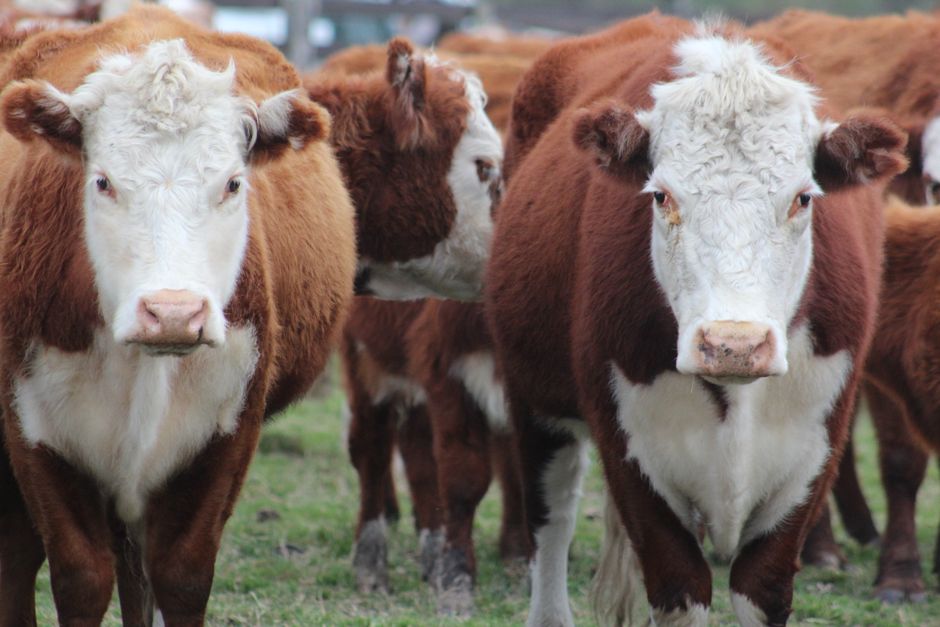
The beef produced by Miniature Herefords has excellent marbling and tenderness, competitive with standard-sized Herefords, making them an attractive option for farm-to-table or niche beef markets. Their adaptability to a range of climates, including temperate zones with seasonal variations, enhances their appeal for diverse small-farm settings.
5. Shorthorn: Versatile and Adaptable Dual-Purpose Breed
Shorthorns are a solid choice when you want flexibility. They produce both beef and milk competently, with weights ranging from 1,000 to 1,400 lbs. Their calm disposition and adaptability to diverse climates make them a practical option, though they require slightly more space than the smallest breeds.
Originating in northeastern England, Shorthorns come in both beef and dairy strains, and the breed often blends both traits in dual-purpose lines. This versatility allows farmers to tailor their production goals, whether focusing on steady milk supply, quality beef, or a combination.
Shorthorns are also valued for their docile nature, ease of calving, and good fertility, making them manageable on smaller operations. Their ability to thrive on moderate-quality forage while still producing high-quality meat and milk makes them well suited for sustainable, mixed-purpose farms.
In terms of marketing, Shorthorn beef is known for tenderness and flavor, with moderate marbling, and their milk is well-suited for fluid consumption or cheese making. Their moderate frame size means infrastructure demands are intermediate, so farms with slightly larger acreage may find them ideal.
6. Galloway: Low Maintenance and Hardy
Galloway cattle excel in cold climates and are prized for their lean, well-marbled beef. They average 900-1,200 lbs and have a thick double coat that reduces winter feed costs. For farms in cooler northern zones, Galloway cattle can make efficient use of pasture while requiring less veterinary care.
Galloways are an ancient Scottish breed known for their resilience and the distinctive “Belted Galloway” variant with a characteristic white belt. Their thick, curly coats provide superior insulation, enabling them to maintain weight during harsh winters without the need for heavy supplementary feeding.
Their beef is particularly popular among consumers looking for lean but flavorful meat, with natural marbling and a tender texture. Galloways have a slower growth rate compared to conventional beef breeds, but their efficiency in converting rough forage offsets this, especially in climates where pasture quality can be seasonal.
Additionally, Galloways are noted for their quiet temperament and hardiness, showing fewer health issues such as parasites and respiratory problems, which reduces veterinary costs and management challenges on small farms. Their ability to graze on less fertile or hilly terrain also makes them useful for land conservation goals.
If you’re also looking into this, our article on Mastering Cattle Behavior and Handling for Safer, More Efficient Farming covers it in more detail.
7. Red Poll: Friendly and Efficient Dual-Purpose Breed
Red Polls weigh between 1,000 and 1,350 lbs and are known for their easygoing temperament. They provide decent milk yields and good-quality beef. Their adaptability to temperate climates and moderate size makes them a balanced choice for owners who want versatility without large space demands.
Developed in England primarily as a dual-purpose breed, Red Polls combine moderate frame size with solid production traits, including good fertility and mothering ability. They produce milk with moderate butterfat content (about 3.8%) alongside beef that has fine marbling and tenderness.
Red Polls are particularly noted for their docility, making them easy to handle in smaller pastures or barn settings. Their forage efficiency is good, allowing them to maintain condition on mostly pasture-based diets, supplemented minimally.
They also possess strong resistance to common diseases and parasites, reducing management complexity and allowing small-scale producers to focus on sustainable practices. These traits make Red Polls a good choice for farmers seeking a manageable, multi-purpose breed adaptable to varying market demands.
8. Normande: French Dual-Purpose with High Milk Quality
Normande cattle are prized for their rich milk, high in protein and fat—ideal for cheese production. Although larger (1,200-1,600 lbs), they have a calm disposition and are efficient grazers. Small acreage farms focused on dairy products, especially artisan cheese, may find Normandes a rewarding investment.
Originating from Normandy, France, Normandes have been a traditional choice for dairy farmers producing specialty dairy products, thanks to their milk’s excellent casein content, which enhances cheese yield and quality. Milk typically contains 4.5% butterfat and 3.6% protein, making it prized among cheesemakers globally.
Normandes are robust animals with sturdy legs and hooves, capable of grazing on diverse pastures, including hilly or less fertile land. Their docile temperament facilitates handling, which is important on smaller farms where labor may be scarce.
While their larger size may initially seem a challenge for limited acreage, their efficient feed conversion and high milk quality can offset the space and feed investment. They are also known for good reproductive performance and moderate calving ease compared to some specialized dairy breeds. For farmers targeting premium dairy markets, especially with value-added goods, Normandes offer a distinctive advantage.
9. British Blue: Lean Meat from Moderate-Sized Beefers
British Blue cattle, weighing 1,200-1,600 lbs, are muscular and produce lean, tender beef. Their docile nature and ability to thrive on pasture make them suitable for farmers who prioritize beef quality. While larger, their efficient feed conversion can offset the greater space needed.
British Blue cattle descend from the Belgian Blue breed and have been selectively bred for muscling without the extreme double-muscling traits that complicate calving. This results in a more manageable animal for small farms while still producing high yields of premium beef with low fat.
The breed grows relatively quickly and converts feed efficiently under pasture-based systems. Their beef is favored in gourmet markets due to its tenderness and leanness, often commanding premium prices.
Though their size is on the upper end for small acreage, proper pasture management and rotational grazing can accommodate British Blues on acreage as low as 15-20 acres when combined with supplemental forage production. They are also known for calm temperaments and ease of handling, critical for smaller operations.
10. Lowline Angus: Compact Angus with Quality Beef
Lowline Angus are a dwarf variant of the traditional Angus, weighing 800-1,000 lbs, perfectly sized for small farms. They deliver the classic Angus beef quality, with excellent marbling and flavor, while requiring less feed and housing space. Their calm temperament and adaptability to various climates add to their appeal.
This ties in closely with The Essential Guide to Understanding Cattle Registration Certificates, worth a look if you want to go deeper.
Developed in Australia, Lowline Angus retain all the genetic qualities of traditional Angus cattle, including black coat color, high fertility, and superior meat quality, but with a smaller frame size that makes them ideal for limited land. Their beef consistently meets USDA Prime or Choice grades, with rich marbling and tenderness highly valued by consumers.
Lowline Angus are also known for their efficient feed conversion, thriving on pasture and requiring less grain supplementation than many conventional beef breeds. They have reliable calving ease and strong maternal instincts, which reduce labor and veterinary expenses.
Additionally, their adaptability allows them to perform well in a variety of climatic conditions, from temperate to warmer regions, making them a versatile choice for small-scale producers seeking premium beef production without scaling up acreage.
Comparing Feed Requirements and Space Needs
On small acreage, feed costs and pasture management are critical. Smaller breeds typically consume 30-40% less feed than standard large breeds, directly lowering expenses. For example, a Dexter cow requires roughly 15-18 lbs of dry matter intake per day, whereas a typical Angus cow may need 25-30 lbs. Efficient breeds like Jersey and Dexter can convert feed to product more effectively, reducing the acreage needed per head.
Understanding feed requirements in the context of available pasture is essential. For instance, a farm with 10 acres of quality pasture might sustainably support 3-4 Dexter cows but only 2 larger British Blue cattle without supplemental feeding. Rotational grazing practices can improve pasture utilization, but breed size and feed conversion efficiency remain limiting factors.
Feed efficiency is often measured in feed-to-gain ratios for beef cattle or feed-to-milk ratios for dairy. Jerseys can produce approximately 1.5 to 2 times more milk per pound of feed compared to larger dairy breeds, enabling smaller herds to meet production goals with fewer resources. Similarly, breeds like the Lowline Angus and Miniature Hereford exhibit favorable feed conversion ratios, which translate to lower input costs and higher sustainability.
Space needs extend beyond feeding. Smaller breeds require less fencing material and can be housed comfortably in smaller shelters or barns, reducing initial investment and ongoing maintenance. For example, Dexter and Lowline Angus require at least 20-30 square feet of shelter space per animal, compared to 40-50 square feet for larger breeds. This difference can be critical for farms with limited infrastructure budgets.
Additional Considerations for Small Acreage Cattle
- Fencing and Shelter: Breeds with calmer temperaments reduce damage to fencing and lower stress-related health issues.
- Breeding and Calving Ease: Smaller breeds generally calve more easily, a major advantage for small operations with limited labor.
- Genetic Diversity: Consider sourcing breeding stock from reputable breeders to avoid health problems common in closed gene pools.
- Multi-Purpose Use: Some breeds offer both milk and meat, allowing diversified income streams from limited land.
- Veterinary Needs: Breeds adapted to your local environment often require fewer medical interventions, lowering costs and improving herd health.
- Behavioral Traits: Consider herd cohesion and social behavior—breeds that tend to be less flighty reduce stress and facilitate easier handling during routine care.
- Market Access and Demand: Select breeds whose products (milk, beef, hides) have established or emerging markets in your region to maximize profitability.
When planning facilities, remember that calm, smaller breeds reduce not only fencing wear and tear but also help maintain pasture quality by limiting destructive behaviors like fence pushing or excessive trampling. For calving, breeds like Dexters and Miniature Herefords have lower dystocia rates, which is critical when veterinary access may be limited.
Maintaining genetic diversity is essential to avoid inbreeding depression, which can lead to reduced fertility, increased health problems, and decreased productivity. Engaging with breed associations and certified breeders ensures better stock quality and health records. Furthermore, considering breed suitability for your farm’s end-market—whether local direct sales, farmers markets, or value-added products—can influence success dramatically.
Summary: Matching Breed to Your Farm’s Specifics
Each small-acreage farm has unique goals and environmental conditions. Choosing a breed requires balancing size, productivity, temperament, and climate adaptability. Here’s a quick decision aid:
- Smallest size + dual-purpose: Dexter, Miniature Hereford
- Dairy focus with high milk fat: Jersey, Normande
- Beef focus in cold climates: Highland, Galloway
- Balanced, friendly dual-purpose: Red Poll, Shorthorn
- Premium beef with manageable size: Lowline Angus, British Blue
Invest time in visiting breeders, consulting local extension services, and assessing your farm’s forage and climate before finalizing your choice. Proper breed selection tailored to your acreage will increase profitability, animal welfare, and farm sustainability.
Additionally, consider establishing a trial period with a small number of animals or crossbreeding for hybrid vigor, which can improve productivity and hardiness. Networking with other small-scale cattle farmers can provide valuable insights and share best practices tailored to your region. Remember that breed selection is not static; ongoing evaluation of your herd’s performance and adapting to market or environmental changes will help ensure long-term success.