
Introduction to Handling Basics in Cattle Management
Handling basics refer to the fundamental methods and skills used for managing cattle during routine procedures such as feeding, moving, vaccinating, or examining animals. While mastering these basics is essential for any cattle farmer or rancher, relying solely on these fundamentals without upgrading techniques or equipment can introduce several disadvantages. These drawbacks can impact animal welfare, safety, farm efficiency, and the overall productivity of the herd.
Understanding these downsides is crucial for producers aiming to optimize their management systems in an increasingly competitive agricultural market. The evolution of cattle handling practices, incorporating scientific insights and technological innovations, reflects the industry’s response to growing demands for animal welfare, worker safety, and operational sustainability. Recognizing the limitations of basic handling methods opens the door to adopting comprehensive strategies that enhance outcomes across multiple dimensions of cattle management.
What Constitutes Handling Basics?
Handling basics typically include:
- Manual restraint and movement techniques
- Basic use of handling facilities such as chutes, pens, and gates
- Simple communication and herd behavior understanding
- Routine procedures like tagging, dehorning, and vaccinations
These foundational skills are necessary but can fall short in complex or large-scale operations if not supplemented by advanced practices or technologies.
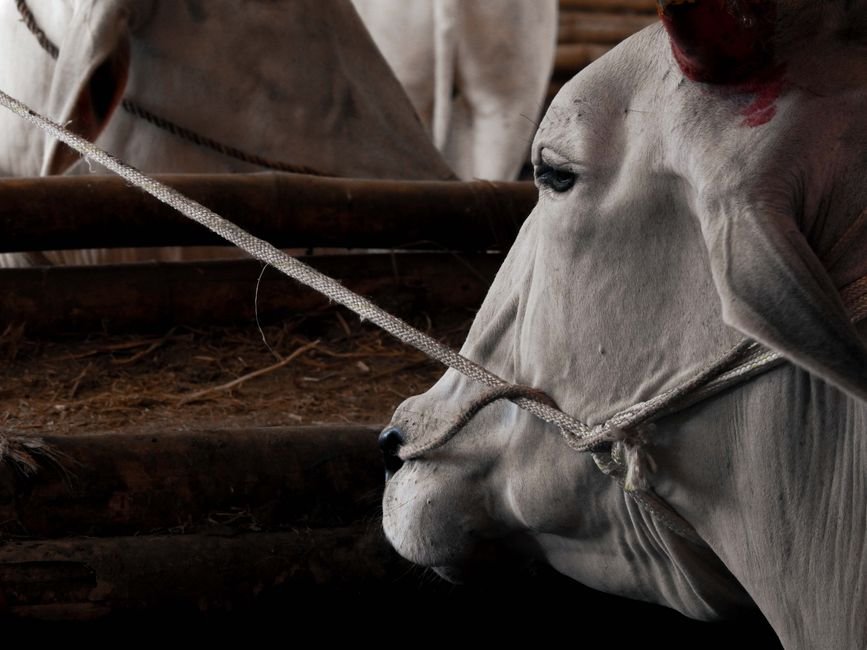
Manual restraint often involves physical force or simple devices such as rope halters or head gates, which require a handler to be in close proximity to the animal. While these methods can be effective with a small number of cattle, they become increasingly impractical and hazardous as herd sizes grow. Basic chutes and pens, often constructed with minimal consideration for cattle behavior, can cause bottlenecks and increase stress levels among animals. Additionally, understanding herd behavior at a basic level typically involves recognizing flight zones and point of balance but may lack deeper insights into cattle psychology that can be leveraged to improve handling efficiency and reduce stress.
Routine procedures conducted under handling basics may not fully incorporate pain mitigation strategies or the latest vaccination protocols, potentially impacting animal health outcomes. For instance, dehorning performed without analgesics or proper timing can lead to prolonged discomfort, influencing weight gain and general well-being.
Disadvantage 1: Increased Risk of Animal Stress and Injury
One of the most significant disadvantages of sticking strictly to handling basics is the heightened risk of stress and injury to the cattle. Studies show that improper or outdated handling methods can elevate cortisol levels in cows, indicating stress, which negatively affects immune function, milk production, and reproduction.
For example, using excessive manual force or improperly designed handling facilities can lead to bruising and lameness. According to a 2019 research report by the University of Missouri Extension, bruising caused by rough handling can reduce carcass value by up to 20%, translating to substantial financial losses for producers.
For more on this, see our related guide: Mastering Cattle Behavior and Handling for Safer, More Efficient Farming.
Further compounding stress levels, cattle subjected to confusing or poorly designed handling systems may exhibit balking, vocalizing, or balking behaviors, which not only increases the risk of injury but also slows down handling operations and increases labor fatigue. Research published in the Journal of Animal Science highlights that cattle exposed to low-stress handling techniques demonstrate a 15-30% improvement in weight gain and a 10-15% increase in reproductive success compared to those handled with traditional, basic methods.
How Stress Impacts Cattle Productivity
- Reduced Milk Yield: Stress reduces oxytocin release, leading to lower milk letdown and production. Studies have shown that cows handled with high-stress methods can experience up to a 10% drop in milk yield over a lactation period, significantly affecting dairy profitability.
- Delayed Growth: Chronic stress impairs feed conversion efficiency, slowing weight gain. For beef cattle, this can translate into several weeks of delayed finishing times, increasing feed costs and reducing turnover rates.
- Weakened Immunity: Stress increases susceptibility to diseases like bovine respiratory disease (BRD). BRD alone accounts for roughly 70% of feedlot morbidity and mortality, with stress identified as a primary predisposing factor.
Additionally, stress can interfere with reproductive hormones, leading to lower conception rates and increased calving intervals. This results in fewer calves produced over the lifespan of breeding females, directly impacting herd expansion and profitability.
Disadvantage 2: Safety Risks for Handlers
Handling basics often depend heavily on manual labor without sufficient protective measures or ergonomic tools. This reliance exposes handlers to significant risks of injury. Cattle are large, powerful animals, and improper handling techniques increase the likelihood of kicks, trampling, or being crushed against fences and gates.

According to data from the National Institute for Occupational Safety and Health (NIOSH), livestock handling is among the top causes of agricultural injuries, accounting for nearly 15% of all farm-related accidents. Many of these injuries occur due to reliance on basic, outdated handling methods that do not incorporate modern safety protocols.
Furthermore, inadequate facility design such as narrow gates, slippery floors, and poor lighting exacerbate these risks, increasing the chance of sudden animal reactions that endanger handlers. In many cases, the absence of emergency escape routes or personal protective equipment (PPE) leaves workers vulnerable during unexpected events.
Common Handler Injuries Related to Handling Basics
- Fractures and contusions from trampling or kicks, often resulting in extended recovery periods and lost workdays.
- Musculoskeletal disorders due to repetitive heavy lifting, bending, and awkward postures common in manual restraint and movement tasks.
- Crush injuries from getting caught in gates or chutes, which can cause severe trauma and permanent disability.
Statistics from agricultural safety reports indicate that improving handler training and investing in ergonomic equipment can reduce injury rates by up to 40%, highlighting the tangible benefits of moving beyond basic handling techniques.
Disadvantage 3: Reduced Efficiency in Large-Scale Operations
Handling basics are often effective in small or moderate herd sizes but become inefficient as operation scale increases. Manually moving or restraining hundreds of cows using simple techniques can be time-consuming, labor-intensive, and stressful for both animals and handlers.
For example, a ranch managing 500 head with basic handling practices may spend several hours per day simply moving cattle between pastures or into handling facilities. In contrast, farms that invest in mechanized handling systems, such as hydraulic squeeze chutes or automated sorting gates, can reduce handling time by up to 50%, according to a 2021 report by the American Society of Animal Science.
If you’re also looking into this, our article on Mastering Cattle Behavior: A Guide to Health, Welfare, and Management covers it in more detail.
In large-scale operations, labor is often the largest operational expense after feed costs. Inefficient handling methods not only increase time spent per animal but also require more staff to manage the workload, inflating wage costs and complicating scheduling. Additionally, prolonged handling times increase animal stress and injury risk, further impacting productivity and worker satisfaction.
Impact on Labor Costs and Time Management
- Increased labor hours lead to higher operational costs, which can reduce profit margins, especially for operations with tight budgets or fluctuating market prices.
- Delays in procedures like vaccinations can compromise herd health schedules, increasing vulnerability to disease outbreaks and potentially resulting in costly treatments or losses.
- Excessive handling time reduces time available for other essential farm tasks, such as pasture management, equipment maintenance, and record keeping, which can indirectly affect overall farm productivity and sustainability.
Innovative technologies like electronic identification systems integrated with automated gates enable selective sorting and treatment of animals, dramatically improving throughput and reducing labor dependencies. For example, systems that integrate RFID with hydraulic chutes can process 100+ animals per hour, compared to 30-40 animals per hour under manual methods.
Disadvantage 4: Limited Adaptability to Modern Animal Welfare Standards
Animal welfare standards and regulations have evolved to emphasize low-stress handling and the use of appropriate equipment to minimize fear and pain in livestock. Relying only on handling basics may not comply with these standards, potentially exposing farms to legal risks and reputational damage.
For instance, the Five Freedoms framework—a widely recognized guideline for animal welfare—advocates freedom from fear and distress, which requires handlers to use knowledgeable, calm, and low-stress techniques supported by adequate facilities.
Farms that do not graduate beyond basic handling methods risk:
- Failing third-party welfare audits, which are increasingly required by retailers and export markets as a condition for product acceptance.
- Restrictions from buyers demanding welfare certification, limiting access to premium markets or value-added product lines.
- Reduced marketability of products because of welfare concerns, as consumer awareness and demand for ethically produced meat and dairy products continue to rise globally.
Compliance with welfare standards often involves design improvements such as curved raceways that exploit cattle’s natural behavior to reduce stress, non-slip flooring, and the use of calming aids during handling. For example, the Beef Quality Assurance (BQA) program recommends specific facility designs and handling techniques that have been demonstrated to reduce stress-induced cortisol spikes by up to 40%. Adhering to these guidelines not only improves animal welfare but also enhances meat quality and consumer confidence.
Disadvantage 5: Insufficient Data Collection and Monitoring
Basic handling methods rarely incorporate technology for monitoring cattle health and behavior in real-time. Without advanced equipment such as RFID tagging, automated weighing scales, or health sensors, farmers miss out on valuable data that can improve herd management decisions.
This ties in closely with The Essential Guide to Effective Cattle Fencing: Safety, Costs, and Best Practices, worth a look if you want to go deeper.
This lack of data integration can lead to:
- Delayed disease detection and treatment, as early warning signs such as reduced feed intake or abnormal movement patterns often go unnoticed until clinical signs appear.
- Inaccurate records of growth rates and breeding cycles, limiting the ability to optimize genetic selection and nutrition strategies.
- Suboptimal feeding regimes due to poor tracking of individual animal needs, which can increase feed costs and reduce overall herd performance.
Example: RFID vs. Manual Identification
| Attribute | Handling Basics (Manual ID) | Advanced Handling (RFID) |
|---|---|---|
| Accuracy | Prone to errors, lost tags, misreading | High accuracy, automated scanning |
| Time Efficiency | Slow, requires physical contact | Fast, non-invasive |
| Health Monitoring | Manual, subjective | Automated, objective data |
Beyond identification, integrating RFID with other sensor technologies enables continuous monitoring of parameters such as temperature, activity levels, and rumination patterns. Early detection of deviations from normal behavior enables prompt interventions, reducing the incidence and severity of illnesses. For example, a study conducted at Iowa State University found that farms using automated health monitoring systems reduced disease treatment costs by 25% and improved average daily gains by 8% compared to farms relying on manual observations alone.
Mitigating the Disadvantages: Moving Beyond Handling Basics
While mastering handling basics is necessary, integrating modern tools and techniques addresses many of the outlined disadvantages. Strategies include:
- Investing in low-stress handling facilities designed to align with cattle behavior. This includes implementing curved raceways, non-slip flooring, solid-sided chutes, and wide gates, which facilitate smoother cattle movement and reduce stress.
- Training handlers on animal behavior and ergonomics to minimize injuries. Comprehensive training programs that incorporate behavioral science, communication skills, and safety protocols have been shown to reduce handler injury rates and improve overall herd temperament.
- Implementing technology such as RFID, automated sorting, and health monitoring systems. These technologies streamline operations, improve data accuracy, and enable proactive herd health management.
- Adopting welfare standards that exceed minimum regulatory requirements. Participation in industry certification programs such as BQA, Certified Humane, or Global Animal Partnership not only improves animal welfare but also opens access to premium markets and consumer trust.
- Regularly reviewing and updating handling protocols based on scientific research. Keeping abreast of the latest findings in animal science and welfare ensures that management practices remain effective and compliant with evolving standards.
Case studies from leading cattle operations demonstrate that investments in these areas yield returns through improved animal performance, reduced labor costs, enhanced worker safety, and superior product quality. For instance, a large dairy in California reported a 15% reduction in somatic cell counts and a 12% increase in milk yield after upgrading its handling facilities and training programs.
Conclusion: Why Handling Basics Alone Are Not Enough
Handling basics form the foundation of effective cattle management, but relying exclusively on them can lead to increased animal stress, handler injuries, inefficiencies, and non-compliance with welfare standards. Modern cattle operations benefit greatly from combining these fundamentals with technology, improved facilities, and ongoing education.
Producers who invest in these advancements often see measurable improvements in animal health, worker safety, operational efficiency, and product quality—ultimately translating into better profitability and sustainability. In an industry facing rising regulatory scrutiny, consumer expectations, and market pressures, evolving beyond basic handling practices is not simply an option but a necessity for long-term success.