
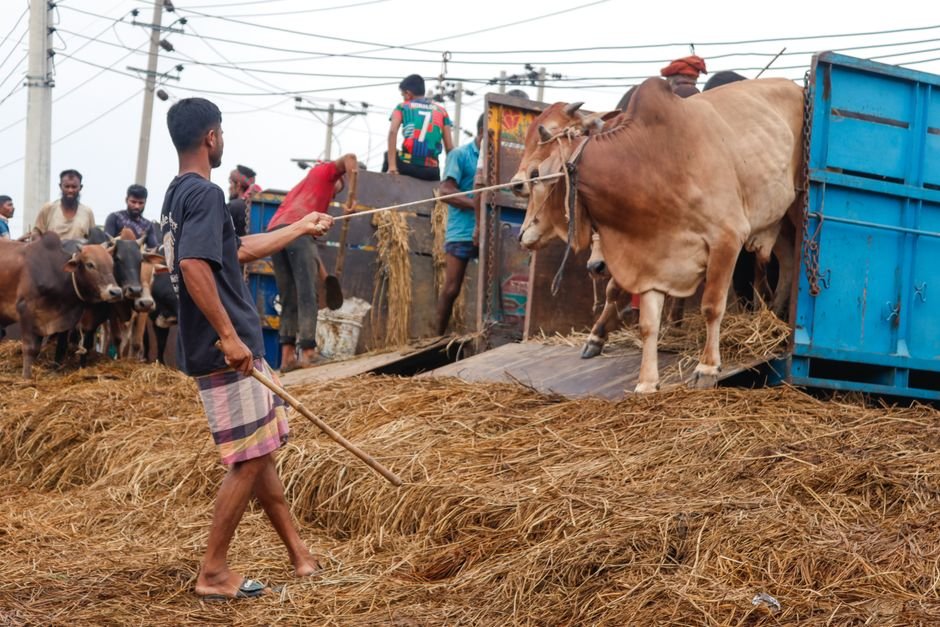
Understanding Handling Basics: Why It Matters in Cattle Management
Handling basics refers to the essential approaches, tools, and techniques used to manage cows safely and effectively. Whether you are a small-scale farmer or managing a large herd, choosing the right handling options not only improves animal welfare but also ensures the safety of handlers and boosts productivity.
Improper handling can cause stress to cattle, leading to reduced milk production, slower weight gain, and increased risk of injury. Studies show that calm, well-handled cows can increase feed efficiency by up to 10%. Additionally, stress-related cortisol spikes can negatively impact immune function, making cattle more susceptible to disease and reducing overall herd health. For dairy cows, stress before milking can decrease milk letdown by interfering with oxytocin release, causing losses of up to 5% daily milk yield in some herds. In beef cattle, stress can reduce average daily gain (ADG) by as much as 0.1 to 0.2 pounds per day, which, over a finishing period, translates into significant economic losses.
Furthermore, safe and efficient handling reduces labor costs and injury risks for farm workers. According to the National Institute for Occupational Safety and Health (NIOSH), cattle-related injuries account for a substantial percentage of farm workplace incidents annually, highlighting the importance of effective handling systems. Therefore, investing time and research into selecting appropriate handling methods is crucial not only for animal welfare but also for operational efficiency and human safety.
Key Factors to Consider When Choosing Handling Options
1. Herd Size and Farm Scale
Handling options suitable for a herd of 20 will differ greatly from those needed for 200 or more cattle. Small herds may benefit from portable equipment and manual techniques, while large operations require more robust, mechanized, or automated systems.
For example, a small family farm with fewer than 30 animals might rely on portable panels and handheld tools, allowing flexibility to move equipment between pastures or barns easily. This approach keeps upfront costs low and reduces the need for permanent infrastructure. Conversely, large-scale feedlots or dairy farms managing hundreds or thousands of head often implement fixed handling systems integrated with electronic identification (EID) readers, automated sorting gates, and hydraulic squeeze chutes to maximize throughput and minimize labor.
Scaling considerations also include the frequency and speed of handling events. Large herds require systems that can process animals quickly without causing bottlenecks, especially during vaccination or weighing times. Investing in flow-optimized design elements, such as curved alleys and holding pens, helps maintain steady movement and reduces stress-induced balking, which can cause delays and injuries.
2. Cattle Temperament and Breed Characteristics
Some breeds, like Angus or Hereford, tend to be calmer, while others such as Brahman or Zebu can be more flighty or aggressive. Understanding your herd’s temperament can influence the design of handling facilities and equipment choices.
Breed temperament impacts not only the choice of equipment but also the layout and materials used. For example, Brahman cattle, known for their higher reactivity and tendency to jump fences or push gates, may require sturdier fencing panels and more secure holding areas. The use of solid-sided chutes helps prevent distractions, which is particularly important for reactive breeds.
Additionally, age and sex of cattle influence behavior; bulls and bulls’ progeny often require more secure handling due to their size and aggressive tendencies. Young calves need gentler facilities designed to reduce fear and avoid injury. In mixed herds, adjustable systems or separate handling areas may be necessary.
Moreover, individual temperament can vary widely within breeds. Some animals may develop negative associations with handling equipment if previous handling was rough or stressful, leading to balking or refusal to enter chutes. Implementing low-stress handling principles and acclimating cattle to facilities from a young age can mitigate these issues and improve overall handling efficiency.
3. Handling Purpose: Routine Care vs. Special Procedures
Basic handling includes daily tasks like moving cows between pastures or taking measurements, while special procedures such as vaccinations, hoof trimming, or artificial insemination require more secure and specialized equipment.
Routine movements generally benefit from simple, portable panels or well-designed alleyways that encourage natural forward movement without causing stress. For instance, curved alleys take advantage of cattle’s natural tendency to follow curves, reducing balking and making movement smoother.
Special procedures often require facilities that provide safe and secure restraint to protect both animals and handlers. For example, hoof trimming chutes immobilize cattle to prevent movement that could cause injury during the procedure. Similarly, head gates or squeeze chutes with adjustable widths are essential for veterinary exams, vaccinations, or artificial insemination to ensure precise and humane restraint.
Some farms invest in multi-functional handling systems equipped with modular components that can be rearranged depending on the task. This flexibility can improve workflow and reduce equipment redundancy.
For more on this, see our related guide: Essential Highland Cow Care: A Comprehensive Guide to Raising Healthy Herds.
Additionally, some advanced handling systems integrate technology for electronic data capture during procedures, facilitating record-keeping and herd health management. For example, RFID (radio-frequency identification) readers placed at chutes can log individual animal treatments automatically, reducing paperwork and errors.
4. Budget and Investment Horizon
Initial costs for handling systems can vary from a few hundred dollars for simple chutes to tens of thousands for automated or hydraulic systems. Balancing upfront investments with long-term benefits such as labor savings and reduced injuries is essential.
Cost considerations extend beyond purchase price to include installation, maintenance, and potential upgrades. For instance, a fixed chute may require concrete foundations and fencing integration, which add to initial expenses but provide durable, long-lasting infrastructure. Portable systems usually have lower upfront costs but may need more frequent replacement or repair due to wear and transport.
Return on investment (ROI) calculations should factor in improved labor efficiency, reduced veterinary bills due to fewer injuries, better animal performance, and increased safety for handlers. For example, a farm spending $10,000 on automated sorting gates might save several thousand dollars annually in labor costs and reduce injury-related downtime, paying off the system within a few years.

Grant programs or agricultural subsidies in some regions may help offset equipment costs, especially when improvements contribute to animal welfare or environmental sustainability. Farmers should consult local agricultural agencies for potential funding opportunities.
5. Available Labor and Skill Level
Highly skilled farmhands can manage cattle with minimal equipment, but for less experienced workers, systems designed for ease-of-use and safety can prevent accidents and improve efficiency.
Training is a critical component of handling system success. Even the most advanced equipment can become hazardous if users are unfamiliar with proper operation. Conversely, simple designs combined with thorough training can reduce stress and injury, particularly in family-run farms or those with seasonal labor.
For operations employing temporary or seasonal workers, investing in handling systems with intuitive controls, clear safety features, and minimal manual exertion can reduce turnover and improve morale. For example, hydraulic head gates with foot pedal controls allow one person to safely restrain cattle without direct physical force.
Moreover, newer technologies such as electronic gates or automated sorting systems may require technical skills for troubleshooting and maintenance. Farms must evaluate whether their labor force can support such systems or if outside technical support is available.
Common Handling Options: Features, Advantages, and Considerations
| Handling Option | Typical Use | Advantages | Disadvantages | Cost Range (USD) |
|---|---|---|---|---|
| Manual Handling with Ropes and Panels | Small herds, pasture movement | Low cost, flexible, easy repair | Labor-intensive, risk of injury, less control over large animals | $100 – $500 |
| Fixed Cattle Chutes | Routine procedures, vaccinations, weighing | Secure restraint, improved safety, durable | High upfront cost, requires permanent installation | $2,000 – $10,000 |
| Hydraulic or Pneumatic Restraint Systems | Specialized procedures, large herds | Precise control, reduced animal stress, labor-saving | Expensive, requires maintenance, power source needed | $10,000 – $30,000+ |
| Portable Handling Systems | Small to medium herds, variable locations | Mobility, flexibility, moderate cost | Less durable, setup time required | $1,000 – $5,000 |
| Automated Cattle Gates and Sorting | Large scale or commercial operations | Labor reduction, improved data tracking, efficiency | Very high cost, technical expertise required | $20,000+ |
To elaborate, manual handling with ropes and panels is often favored for mobile use such as rotational grazing. While low-cost, it demands knowledge of animal behavior to avoid injury. Fixed chutes, typically made of steel, offer robust solutions for repeated use but lack flexibility. Hydraulic restraint systems allow for gentler, more precise handling, lowering stress-induced hormone release during veterinary procedures.
Portable handling systems have gained popularity in regions practicing strip grazing or when handling occurs at different locations throughout the year. They are often designed with modular components for easy transport on trailers. However, they may lack the solid footing and integration of fixed systems, which can sometimes lead to increased balking or animal injury if not carefully managed.
Automated gates and sorting systems, often integrated with RFID and herd management software, provide real-time data such as weight, health status, and reproductive cycles. These systems enable farmers to make faster, data-driven decisions but require significant investment and technical support.
Step-by-Step Guide to Selecting the Right Handling Option
Step 1: Assess Your Herd and Handling Needs
Start by evaluating your herd size, temperament, and the most frequent handling tasks. For example, a 50-head dairy farm needing frequent milking and health checks may prioritize quick and secure restraint systems. Alternatively, a small beef producer focusing on pasture rotation might emphasize portable handling.
If you’re also looking into this, our article on Mastering Cattle Behavior and Handling for Safer, More Efficient Farming covers it in more detail.
Consider the frequency of handling events as well. Farms performing monthly vaccinations or quarterly hoof trimming may design their system differently than those conducting daily milking or weekly weighing. Detailed task mapping helps identify bottlenecks and areas needing more secure or efficient handling.
Include future herd growth and possible changes in management practices in your evaluation to avoid costly upgrades shortly after installation.
Step 2: Define Your Budget and Space Constraints
Determine what investment you can make upfront and the physical space available for permanent structures. Some handling equipment requires concrete pads and fencing integration, while others are standalone.
Space planning should incorporate animal flow patterns to prevent congestion and allow safe movement. For example, a handling area that is too small can cause cattle to bunch up, increasing stress and the chance of injury. Conversely, overly large pens may reduce control and extend handling time.
Also, factor in drainage and ground conditions to maintain footing and reduce mud, which can cause slips and falls.
Step 3: Research Available Products and Local Vendors
Look for equipment tested in climates and operation sizes similar to yours. Contact local agricultural extension services or fellow farmers for recommendations. Visiting farms with similar setups can offer invaluable insights.
Review product warranties, after-sales support, and availability of spare parts. Vendor reputation and customer service are crucial for long-term satisfaction, especially for complex systems requiring technical maintenance.
Consider attending agricultural trade shows or equipment demonstrations to see handling systems in action and ask manufacturer representatives detailed questions.

Step 4: Evaluate Safety Features and Animal Welfare Impact
Choose options with smooth surfaces, no sharp edges, and designs that minimize stress. For instance, curved chutes encourage forward movement by utilizing natural cattle behavior. Safety for handlers is equally important—look for options with emergency exits and secure locking mechanisms.
Incorporate anti-slip flooring materials and avoid materials that can cause injury or disease transmission, such as rusted steel or splintered wood. Well-placed lighting and visibility also help handlers monitor cattle behavior during processing.
Animal welfare certification programs such as Certified Animal Welfare Approved provide guidelines and recommendations for handling system designs that can also serve as benchmarks during selection.
Step 5: Plan for Maintenance and Longevity
Simple mechanical systems with fewer moving parts often last longer and require less maintenance. Hydraulic systems, while efficient, should only be selected if you have access to specialist repair services and can budget for upkeep.
This ties in closely with Mastering Cattle Behavior: A Guide to Health, Welfare, and Management, worth a look if you want to go deeper.
Establish a maintenance schedule including lubrication, bolt tightening, and component inspection to prolong equipment life and prevent breakdowns during critical handling events.
Weather resistance is another critical factor; galvanized or powder-coated steel resists corrosion, extending outdoor equipment lifespan, especially in humid or rainy climates.
Step 6: Pilot and Train
If possible, trial equipment on a small scale before full purchase. Training all handlers in the proper use reduces accidents and improves overall handling success.
Conduct hands-on training sessions focusing on low-stress cattle handling techniques, emergency procedures, and equipment operation. Use video resources and manuals to supplement in-person training and refresh knowledge regularly.
Establish standard operating procedures (SOPs) and safety checklists to ensure consistent use of handling systems and reduce variability when different personnel are involved.
Real-World Examples: How Farms Choose Handling Basics
Case Study 1: Mid-Sized Dairy Farm Upgrading Facilities
A 120-head dairy farm in Wisconsin recently replaced their aging manual handling equipment with fixed cattle chutes featuring hydraulic head gates. This investment ($15,000) reduced injuries by 40% and improved milking prep times by 30%, demonstrating a clear return on investment within two years.
The new system also integrated electronic ID readers, allowing automated recording of health interventions and milk yields, which improved herd management decisions. Prior to installation, workers reported frequent back strain due to manual restraint; after the upgrade, worker absenteeism dropped by 15%, showing benefits to human welfare as well.
Case Study 2: Small Beef Producer Using Portable Systems
On a 30-head beef farm in Texas, the owner opted for portable handling panels and a collapsible squeeze chute costing around $3,000 total. This setup allowed quick assembly in various pastures, making routine handling less stressful for both cows and handlers.
By rotating handling locations, the farm minimized soil compaction and manure buildup, improving pasture health. The portable system’s modular design also enabled easy expansion as herd size increased by 20% over three years, demonstrating adaptability.
The owner emphasized the importance of training family members in low-stress techniques, which resulted in smoother cattle movement and fewer injuries despite limited prior experience.
Additional Tips for Successful Handling
- Use Low-Stress Handling Techniques: Move slowly, avoid shouting or sudden movements, and work in low-light conditions when possible. Cattle have wide-angle vision but limited depth perception, so slow movements and shadows help reduce fear.
- Design Facilities with Animal Behavior in Mind: Cattle prefer curved paths and solid sides to prevent distractions and balking. Incorporate non-slip floors, proper lighting, and noise reduction to minimize stress.
- Regularly Inspect Equipment: Prevent injuries by checking for rust, loose bolts, and sharp edges. Routine checks before and after each handling event help identify potential hazards early.
- Keep Equipment Clean: Sanitize chutes and gates after use to reduce disease transmission. This is especially important during outbreak periods or when handling multiple herds.
- Acclimate Cattle to Facilities: Gradually introduce new handling equipment to cattle to reduce fear and improve flow. Use feed rewards and quiet handling to build positive associations.
- Monitor Animal Health Post-Handling: Observe cattle for signs of injury or stress after handling events and adjust procedures or equipment accordingly to improve welfare.
Conclusion: Matching Your Farm’s Unique Needs to the Right Handling Solution
Choosing the right option for handling basics involves balancing multiple factors—herd size, cattle temperament, intended procedures, budget, and labor skills. By thoroughly assessing these criteria and reviewing available equipment options, you can select a handling system that enhances safety, efficiency, and animal welfare. Thoughtful investment and proper training will pay dividends in farm productivity and the well-being of your cattle.
Ultimately, handling systems are not one-size-fits-all. Taking a strategic, informed approach to selection, installation, and operation ensures that your cattle experience minimal stress while handlers work in safer, more efficient environments. Continuous evaluation and adaptation as your farm evolves will keep your handling practices aligned with best industry standards and animal welfare principles.