
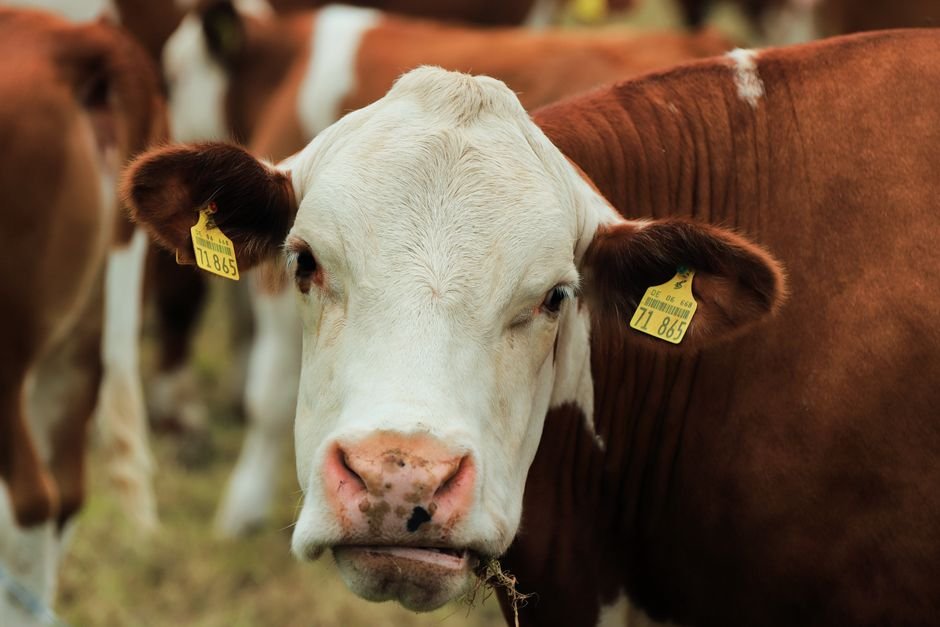
Introduction to Cow Behavior and Its Importance in Cattle Management
Understanding how to interpret cow behavior is critical for effective cattle management. Cows communicate through subtle body language, vocalizations, and social interactions that reveal their health, stress levels, and needs. Recognizing these signals helps farmers optimize animal welfare, improve productivity, and ensure safety for both livestock and handlers. This article provides a detailed guide on how to read and respond to cow behavior based on scientific observations and practical experience.
Effective cattle management hinges not only on technical skills but also on a deep understanding of the animals themselves. Behavioral cues often precede physical symptoms of illness or distress, making early recognition vital for successful intervention. Moreover, fostering a low-stress, well-managed environment translates directly into better milk yields, higher reproductive success, and reduced veterinary costs. This holistic approach to cattle management ultimately supports sustainable farming practices and animal ethics.
Key Aspects of Cow Behavior
Social Structure and Herd Dynamics
Cows are social animals with a well-defined hierarchy often called a “pecking order.” Within a herd, dominant cows control access to feed and resting areas, while submissive cows tend to avoid conflict. Typically, dominance is established through head-butting, pushing, and other physical interactions. For example, studies show that dominant cows eat first and have priority access to water, which can affect the health of more timid animals if space is limited.
Research into social networks within cattle herds reveals that these hierarchies are relatively stable but can shift with changes such as the introduction of new animals or changes in group composition. Dominant individuals tend to be older, larger, or more experienced cows, whereas younger or smaller individuals often occupy lower ranks. For instance, a 2015 study published in Applied Animal Behaviour Science demonstrated that dominant cows spent up to 30% more time feeding during peak periods compared to lower-ranking herd members.
Understanding the social rank of your cattle helps prevent undue stress and injury. For instance, separating aggressive dominant cows during feeding can reduce competition and improve overall herd nutrition. In larger herds, creating multiple feeding stations and ensuring adequate space can reduce aggressive encounters and promote equitable feed access. Additionally, recognizing social stress can help explain why some cows may exhibit reduced reproductive performance or slower weight gain, as chronic social stress negatively impacts physiological functions like hormone levels and immune response.
Communication through Body Language
Cows use body posture, ear position, tail movement, and eye contact to communicate. Here are some common behaviors and their meanings:
- Ear Position: Forward ears indicate alertness or curiosity; backward ears often suggest irritation or aggression.
- Tail Movement: A gently swishing tail typically means contentment, while a rapidly flicking tail can signal annoyance or the presence of flies.
- Head Position: Lowered head may show submission or readiness to graze; raised head often means vigilance or alarm.
- Eye Expression: Soft, half-closed eyes indicate relaxation, whereas wide, staring eyes can indicate fear or pain.
Beyond these basic signals, other nuanced behaviors offer deeper insights. For example, the position and movement of the nostrils can indicate stress; flared nostrils often accompany heightened alertness or respiratory distress. The direction of gaze can also signal focus or avoidance. When cows avert their eyes or turn their heads away from a handler, it often reflects discomfort or submission.
Tail behavior is particularly telling during fly seasons. Rapid tail flicking is a classic response to irritation from flies but excessive tail movement, especially alongside head shaking, can indicate neurological issues such as listeriosis or other diseases. Similarly, ear flicking combined with head tossing may be a sign of parasitic infestation or skin irritation.
Body tension is another crucial indicator. A relaxed cow displays loose muscles and calm movements, while a tense posture—with stiff legs, raised hackles, or rigid neck—often signals fear, pain, or aggression. For instance, a cow preparing for a defensive action might lower its head and fix its ears backward just before initiating a charge.
Vocalizations and Their Interpretations
Cows produce a variety of sounds that convey different messages. For example, low-moaning calls are common when calves seek their mothers, while high-pitched bellowing may indicate distress or pain. Recognizing these vocal cues helps farmers respond quickly to the needs of individual animals.
Scientific studies have categorized cow vocalizations into specific types linked to emotional states. For example, research using spectrographic analysis identifies “contact calls” used to maintain herd cohesion, “isolation calls” emitted by separated calves, and “alarm calls” signaling threats. A study at the University of Sydney demonstrated that cows produce distinct vocal patterns when in pain, which can be differentiated from normal communicative sounds by their higher pitch and longer duration.
Farmers can use vocalization patterns as an early warning system. For instance, an increase in bellowing frequency within a herd may indicate environmental stressors such as extreme weather, poor feed quality, or the presence of predators. Additionally, monitoring vocal activity during calving can alert handlers to difficulties requiring immediate assistance.
Interestingly, some farms have experimented with audio playback systems mimicking maternal calls to calm calves during stressful procedures like weaning, reducing agitation and improving welfare outcomes. Understanding and leveraging vocal communication is an emerging area in precision livestock farming, with potential for automated recognition systems that aid in herd monitoring.
For more on this, see our related guide: Essential Cattle Terminology: A Beginner’s Guide to Understanding and Managing Your Herd.
Common Behavioral Patterns and What They Reveal
Feeding Behavior
Cows typically spend 6 to 8 hours a day grazing or feeding. Observing their feeding behavior can highlight issues like illness, stress, or social problems. For example, if a cow isolates itself during feeding or shows reduced appetite, it may be ill or in pain. Research indicates that cattle with early-stage diseases like mastitis often reduce feed intake by 10–20% before other symptoms become obvious.
Feeding behavior varies depending on diet type and management system. In pasture-based systems, cows tend to graze intermittently throughout daylight hours, with peak feeding activity during cooler parts of the morning and late afternoon. Conversely, in confined or feedlot systems, feeding occurs primarily during scheduled feed deliveries. Changes in these patterns may signal distress; for example, a cow refusing to enter a feeding area or abruptly stopping feeding can indicate lameness or digestive upset.
Social factors also influence feeding behavior. Lower-ranking cows may be displaced at feeding troughs, leading to uneven nutrition and potential weight loss. Providing sufficient feed bunk space—recommended at 60 cm per cow in feedlot systems—helps minimize competition. Similarly, ensuring feed availability during early morning hours reduces stress among dominant individuals who tend to eat first.
Additionally, rumination behavior linked to feeding provides insight into digestive health. Cows that ruminate less than six hours daily often experience suboptimal fiber digestion or underlying illnesses. Monitoring cud chewing frequency and duration is a non-invasive way to assess well-being.

Rest and Rumination
Rest is vital for cows’ health and productivity. A cow generally lies down 12 to 14 hours daily, ruminating while resting. Changes in lying time or rumination patterns can signal health problems. For instance, a drop in rumination time by more than one hour per day can indicate digestive upset or discomfort. Automated rumination monitoring systems used in modern dairy farms track these changes to alert farmers about sick animals earlier than visual inspection alone.
Rest periods serve multiple physiological functions, including energy conservation, muscle recovery, and rumen function optimization. Disruptions in resting behavior often precede clinical disease; for example, cows with lameness show reduced lying time due to pain during transitions from standing to lying. Conversely, excessive lying may indicate weakness or fatigue.
Rumination, the process of regurgitating and re-chewing feed, is crucial for proper digestion of fibrous plant material. A healthy cow typically ruminates 400 to 600 minutes per day. Factors such as heat stress can reduce rumination time, leading to decreased feed efficiency and milk production. In hot climates, cows may stand more to facilitate heat dissipation, sacrificing rumination time.
Technological advances like collars equipped with accelerometers and microphones now track rumination in real time, providing continuous data streams to farmers. Such systems can detect deviations as small as 5% from baseline behavior, allowing early disease detection. These innovations are revolutionizing herd health management by supplementing traditional observation methods.
Reproductive Behavior
Recognizing signs of estrus or heat is crucial for successful breeding. Signs include increased restlessness, mounting behavior, and vocalizations. A cow in heat may mount other cows or allow mounting. The standing heat phase lasts about 18 hours on average, and identifying this window improves artificial insemination success rates significantly, sometimes by 20% or more.
In addition to mounting activity, other subtle estrus indicators include frequent urination, swelling and redness of the vulva, and a drop in milk yield. Behavioral changes such as increased social interaction or aggressive behavior toward other cows are also common during heat. Accurate estrus detection remains a challenge, contributing to inefficiencies in breeding programs.
To enhance detection accuracy, many farms implement technology-based solutions such as pedometers or activity monitors that track increased movement and restlessness typical of cows in heat. Combining these data with manual observations increases the precision of insemination timing, directly benefiting reproductive efficiency and herd genetics.
Moreover, understanding post-breeding behaviors and early pregnancy indicators, like changes in feeding or rumination patterns, can help in early pregnancy diagnosis. Behavioral stress during estrus can negatively affect conception rates, emphasizing the need to minimize environmental disturbances during this period.
If you’re also looking into this, our article on Mastering Cattle Behavior: A Guide to Health, Welfare, and Management covers it in more detail.
How to Cow Behavior for Practical Cattle Management
Step 1: Observe Regularly and Systematically
Consistent observation is the foundation of understanding cow behavior. Set aside time daily to watch your herd, noting unusual postures, interactions, or vocalizations. Use checklists or behavior logs to track trends over time. For example, record the number of cows feeding, resting, or showing signs of stress at various times of day to detect patterns.
Effective observation also requires understanding normal behavior baselines specific to your herd and management conditions. For example, cows in different breeds or ages may exhibit unique resting or feeding patterns. Documenting these helps distinguish true abnormalities from natural variability.
Incorporating video recordings can supplement live observation, allowing detailed review and analysis. Behavioral assessments can be structured using standardized protocols such as the Welfare Quality® assessment, which measures parameters like lameness, body condition, and behavioral expression. Regular staff training in behavioral observation techniques ensures consistency and accuracy, fostering a proactive management culture.
Step 2: Create a Low-Stress Environment
Cows are sensitive to environmental stressors such as overcrowding, loud noises, or abrupt handling. Providing ample space—at least 1.5 square meters per animal in feeding areas and 3 square meters per animal for resting—reduces aggression and competition. Additionally, gentle handling practices, such as moving cattle calmly and using flight zones effectively, help maintain low stress levels and improve overall behavior.
Beyond spatial considerations, environmental enrichment plays an important role. Providing soft bedding materials like sand or straw enhances lying comfort and reduces hock injuries. Shade structures and access to clean water are essential in mitigating heat stress, which significantly affects behavior and productivity. For instance, heat-stressed cows increase standing time, decrease feed intake, and show altered social interactions.
Handling facilities designed with curved chutes and non-slip flooring facilitate smooth cattle movement, minimizing stress and injury. Research shows that cattle moved through well-designed facilities exhibit fewer stress-related behaviors such as balking, vocalizing, or defecating.
Implementing predictable routines also reduces stress. Cows respond positively to consistent feeding and milking schedules, which help regulate their circadian rhythms. Disruptions in routine, such as sudden changes in feed composition or handling times, often lead to increased restlessness and decreased performance.

Step 3: Use Technology to Supplement Observation
Modern cattle farms increasingly rely on technology to monitor behavior. Activity trackers, rumination collars, and video analytics provide real-time data on cow movement and well-being. For example, activity monitors can detect increased restlessness associated with calving, enabling timely intervention. These tools complement hands-on observation and improve herd management precision.
Emerging technologies include machine learning algorithms that analyze video footage to identify lameness, aggression, and other behavioral anomalies automatically. Such systems can evaluate subtle gait changes or isolation behavior that may escape human detection, providing alerts for early intervention.
Wearable devices measuring physiological parameters such as heart rate, temperature, and respiration are being integrated with behavioral monitoring to create comprehensive health profiles. These multi-modal data streams enable predictive analytics, forecasting illness or calving events with greater accuracy.
Furthermore, farm management software platforms consolidate behavioral, production, and environmental data, facilitating data-driven decisions. For example, correlating reduced rumination with milk yield changes and weather data helps identify environmental stressors needing mitigation.
This ties in closely with Mastering Cattle Behavior and Handling for Safer, More Efficient Farming, worth a look if you want to go deeper.
Step 4: Respond Appropriately to Behavioral Signs
When identifying abnormal behavior—such as isolation, aggressive fighting, or decreased feeding—take prompt action. This may include isolating sick animals, adjusting feed management to reduce competition, or consulting a veterinarian when pain or disease is suspected. Early behavioral intervention can prevent larger health issues or herd disruptions.
Intervention strategies should be tailored to the specific behavioral issue. For example, aggression stemming from social hierarchy disputes can be mitigated by adjusting herd composition or increasing resource availability. If isolation or lethargy suggests illness, immediate health assessment and supportive care are critical.
Behavioral signs can also guide pain management decisions. Cows with lameness or mastitis often display subtle changes such as reduced locomotion or decreased grooming. Prompt treatment not only alleviates suffering but also improves recovery times and productivity.
Engaging trained personnel in regular behavioral assessments enhances early problem detection. Additionally, maintaining detailed records of behavioral changes supports veterinary diagnosis and treatment evaluation, contributing to continuous herd health improvement.
Comparing Cow Behavior in Different Herd Settings
| Behavior Aspect | Pasture-Based Herds | Feedlot or Confined Herds |
|---|---|---|
| Social Interaction | More natural groupings; larger space allows stable hierarchies Pasture herds often form subgroups based on age, kinship, or personality, promoting social cohesion and reducing conflict. |
Higher competition due to limited space; more frequent aggressive encounters Confined herds may experience frequent disruptions of hierarchy due to stocking density and mixing, leading to increased stress. |
| Feeding Behavior | More grazing time, less concentrated feeding Cows select forage based on preference, which influences nutrient intake and social feeding patterns. |
Concentrated feeding schedules; dominance affects feed access more Feed delivery timing and bunk space heavily influence feeding order and competition in feedlots. |
| Stress Indicators | Lower stress signs if pasture quality is good; natural behaviors allowed Exposure to natural stimuli and movement opportunities support behavioral needs and reduce cortisol levels. |
Higher stress signs if overcrowded; requires vigilant monitoring Confinement may elevate stereotypies (repetitive behaviors), vocalization, and cortisol, indicating welfare challenges. |
| Monitoring Methods | Visual observation and periodic checks Pasture herds rely more on direct observation and manual health checks due to environmental variables. |
Often utilizes technology like cameras and activity sensors Confined systems facilitate technology use for continuous monitoring and automated alerts. |
Case Study: Behavioral Management in a Midwestern Dairy Farm
A dairy farm in Wisconsin managing 150 Holstein cows implemented a behavioral observation protocol by training staff to recognize early signs of heat and illness. Over six months, this led to a 15% improvement in conception rates and a 20% reduction in cases of mastitis through early intervention. The farm combined traditional observation with rumination collars to verify behavioral changes. This integrated approach helped optimize both animal welfare and farm profitability.
The farm initially faced challenges with inconsistent estrus detection, leading to missed breeding opportunities and inefficient herd turnover. By retraining staff to identify subtle behaviors such as increased mounting, restlessness, and vocalization, conception rates improved markedly. Simultaneously, the use of rumination monitoring technology allowed for prompt identification of cows reducing feed intake or rumination, key indicators of mastitis or digestive disorders.
Intervention protocols were established, where cows showing abnormal behavior were promptly examined and treated. This proactive approach reduced costly clinical cases and minimized production losses. The farm also adjusted its feeding management, increasing bunk space and improving feed quality, which contributed to lowered aggressive interactions.
Periodic review of behavioral data facilitated continuous improvement. For example, trends showing increased restlessness during summer led to the installation of shade structures and fans, mitigating heat stress. The case study illustrates how combining observational skills with technology and environmental management creates a resilient, productive dairy operation.
Conclusion
Mastering how to cow behavior is an essential skill for effective cattle management. By understanding social structures, reading body language, and recognizing vocal cues, farmers can maintain healthier, less stressed herds. Coupled with consistent observation and appropriate responses, this knowledge improves productivity and welfare. Incorporating technology further enhances the ability to detect subtle changes, ensuring timely interventions.
Behavioral knowledge not only benefits animal health but also improves handler safety by anticipating aggressive or fearful reactions. It fosters a deeper human-animal bond, encouraging more compassionate and informed management. Future advances in behavioral science and technology promise even greater opportunities to optimize cattle welfare and farm efficiency.
Adopting these practices leads to better outcomes for cattle and the people who care for them, making behavioral understanding a cornerstone of modern livestock management. Ultimately, investing time and resources in learning to read and respond to cow behavior contributes to sustainable agriculture and ethical stewardship of animal resources.