
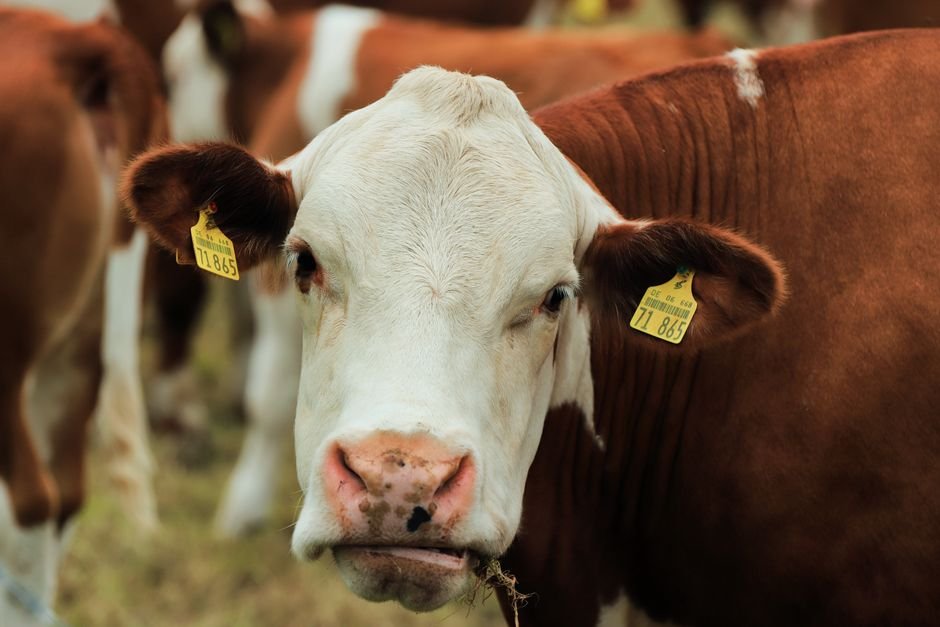
Introduction to Understanding Cow Behavior
When it comes to managing cattle effectively, understanding cow behavior is crucial. The best way to cow behavior involves a combination of observation, knowledge of natural instincts, and practical management strategies that promote animal welfare and optimize productivity. This article explores scientifically-backed techniques and real-world examples to help farmers, ranchers, and animal enthusiasts decode the complex social and physiological behaviors of cows.
Cows, as large herbivores, have evolved behaviors that are inherently linked to their survival and reproduction. These behaviors encompass social interactions, feeding habits, resting patterns, maternal instincts, and responses to environmental stimuli. Each aspect plays a role in the overall well-being and performance of the animal. By delving deeper into the intricacies of these behaviors, managers can anticipate challenges, tailor interventions, and design facilities that align with the natural predispositions of cattle, thereby enhancing both animal welfare and operational efficiency.
Why Understanding Cow Behavior Matters
Cattle are social herd animals with distinct patterns of interaction that affect their health, stress levels, milk production, and overall productivity. Misinterpretation of these behaviors can lead to poor handling practices, increased injury risk, and reduced output. Conversely, a deep understanding of cow behavior allows managers to create environments that cater to natural tendencies, improve welfare, and maximize performance.
For example, stress in cows triggers the release of cortisol, a hormone that negatively impacts immune function and milk yield. Chronic stress can lead to metabolic disorders such as ketosis or displaced abomasum. Furthermore, behavioral signs like decreased feeding, increased lying time, or changes in social behavior often serve as early indicators of illness. Recognizing these subtle cues can lead to timely intervention, reducing veterinary costs and losses due to morbidity.
Moreover, the welfare of cows has direct economic consequences. The United Nations’ Food and Agriculture Organization (FAO) estimates that improving animal welfare practices could increase dairy productivity by up to 20%. A well-managed herd with reduced stress and optimized social structures not only yields more milk and healthier calves but also reduces labor costs by minimizing injuries to handlers and animals alike.
Core Principles of Cow Behavior
1. Herd Mentality and Social Structure
Cows are herd animals that rely on group dynamics for safety and comfort. Within a herd, there is a recognized dominance hierarchy, usually established through subtle displays rather than outright aggression. For example, dominant cows will have priority access to feed and preferred lying areas. Studies show that in a herd of 50 cattle, the top 10% of the hierarchy control nearly 60% of high-quality resources at any time.
This hierarchy is typically linear but can become more complex when herds are large or frequently mixed. Dominance is often asserted through behaviors such as head butting, mouth opening, or displacement at the feed bunk, but most cows avoid escalation through ritualistic displays. Younger calves learn social positioning by observing and mimicking others, which is vital for their integration into adult groups.
Interestingly, maintaining stable hierarchies reduces aggression and stress, but introducing new individuals can disrupt this balance. For instance, research by the University of Edinburgh found that integrating unfamiliar cows into an established herd increased cortisol levels for several days and led to a temporary drop in milk yield. This highlights the importance of minimizing unnecessary herd mixing and allowing gradual introductions when new animals must be added.
2. Communication and Body Language
Cows communicate through vocalizations, ear position, tail movements, and posture. For example, a relaxed cow will often have ears pointed slightly forward, a loose tail, and a calm gait. Conversely, rapid tail flicking and raised heads can indicate agitation. Understanding these signals helps handlers anticipate behaviors and apply appropriate management techniques.
Vocalizations serve multiple purposes; low-frequency calls can signal contentment or mother-calf communication, while higher-pitched or louder moos often indicate distress or the presence of threats. Studies show that cows can differentiate between familiar and unfamiliar voices, suggesting a complex social memory system. Additionally, tail flicking can deter flies but also intensify during irritation or discomfort, and ear postures combined with eye expression can provide nuanced information about a cow’s emotional state.
For more on this, see our related guide: A Year of Raising Your First Cattle: From Arrival to Year-End Planning.
Handlers trained to read these cues can prevent accidents by recognizing early signs of fear or aggression. For example, a cow whose head is held high with wide eyes and tense muscles might be preparing to flee or charge. Similarly, prolonged avoidance of eye contact or backing away can indicate submission, helping handlers gauge safe distances and appropriate approaches.
3. Flight Zones and Pressure Points
Each cow has a “flight zone,” the area around it that triggers a flight response when entered. Skilled handlers use knowledge of this zone to move cattle calmly and efficiently. For instance, approaching a cow at the edge of its flight zone causes it to move forward, while entering too close may trigger panic or aggression. Proper use of pressure points reduces stress and injury risks during handling.
Flight zone size varies depending on the animal’s previous experiences, temperament, and environmental factors. Animals accustomed to human contact typically have smaller flight zones, making handling easier. Conversely, wild or unhandled cattle can have flight zones extending up to 20 meters.

Pressure points, such as the point of balance near the shoulder, can be used to direct cattle movement with minimal force. For example, standing behind the point of balance encourages a forward movement, while positioning in front causes the animal to back up. Using these techniques, combined with understanding herd psychology, reduces stress-induced behaviors like balking or scattering.
Research from Colorado State University found that low-stress handling techniques based on flight zone principles can reduce bruising in beef cattle by 50%, improving meat quality and reducing economic losses.
The Best Ways to Manage and Influence Cow Behavior
1. Consistent Routine and Environment
Cows thrive on predictability. Establishing consistent feeding times, clean water availability, and stable living conditions reduces stress. According to a 2018 study by the University of Wisconsin, dairy cows with consistent daily routines produced an average of 1.5 liters more milk per day than those with irregular schedules.
Beyond feeding schedules, environmental stability includes consistent lighting, ventilation, and bedding management. For example, lighting cycles mimicking natural daylight can regulate hormonal rhythms, supporting estrus detection and improving reproductive efficiency. Similarly, well-maintained bedding reduces mastitis incidence and encourages lying—critical for rumination and hoof health.
Seasonal adjustments also influence behavior; in hot climates, cows seek shade and water more frequently. Providing cooling systems such as sprinklers or fans can alleviate heat stress, which otherwise decreases feed intake and milk production. A 2021 review published in the Journal of Animal Science found that dairy cows with access to shade and cooling devices increased milk yield by up to 10% during summer months.
2. Positive Reinforcement and Gentle Handling
Using low-stress handling techniques such as quiet voices, slow movements, and minimal physical force encourages trust between cattle and handlers. For example, New Zealand farms that adopted gentle handling reported a 25% decrease in injury rates and improved milk let-down efficiency.
If you’re also looking into this, our article on Essential Water Management for Healthy, Productive Cattle covers it in more detail.
Positive reinforcement can include offering treats or rewards after desired behaviors, such as entering a chute or calmly standing for examination. This approach fosters voluntary cooperation and reduces the need for physical restraint. In behavioral trials, cows trained with positive reinforcement showed faster learning and reduced fear responses compared to those subjected to aversive methods.
Additionally, handler demeanor plays a crucial role. Studies reveal that cows are sensitive to human emotional states, with calmer handlers eliciting less stress in cattle. Training programs for stockpersons that emphasize empathy and understanding have demonstrated improvements in both animal welfare and worker safety.
3. Social Grouping and Space Management
Maintaining stable social groups within herds minimizes conflicts and stress. When cows are frequently reshuffled, dominance fights increase by up to 40%, according to livestock behavior research. Providing ample space—at least 15 square meters per animal in feedlots—also reduces competition and promotes natural behaviors like lying and grooming.
Group size also influences behavior. Smaller groups of 10-15 animals have been found to reduce competition at feeders and water points, improving access for lower-ranking individuals. When space is limited, subordinate cows may experience chronic stress, leading to poor body condition and higher susceptibility to disease.
Designing pens and pastures to allow escape routes and visual barriers can further reduce aggression by permitting subordinate cows to avoid dominant individuals. For example, placement of solid partitions or separate feeding stations has been shown to decrease displacements and improve feeding times.

4. Environmental Enrichment
Offering natural elements like brushes, varied terrain, and shaded rest areas encourages positive behaviors and reduces boredom-induced aggression. A 2020 study from Wageningen University found that cows with access to grooming brushes spent 20% more time engaged in grooming behaviors, which correlates with lower cortisol (stress hormone) levels.
Enrichment can also include access to pasture, which allows for exploration, foraging, and social interactions that are often limited in confined systems. A study in Australia demonstrated that cows with pasture access showed fewer stereotypic behaviors such as tongue rolling or bar biting, signs commonly associated with frustration or poor welfare.
Varied terrain, including gentle slopes and soft soil, encourages natural locomotion, supporting hoof health and reducing lameness. Providing shade and windbreaks enables cows to thermoregulate effectively, contributing to comfort and productivity.
This ties in closely with Why Accurate Record Keeping is Essential for Small Cattle Operations, worth a look if you want to go deeper.
Common Behavioral Challenges and Solutions
| Behavioral Issue | Cause | Best Management Practice |
|---|---|---|
| Aggression Within Herd | Unstable social groups or overcrowding | Maintain stable groups, provide adequate space, separate aggressive individuals |
| Stress During Handling | Improper use of flight zones, loud noises, sudden movements | Use low-stress handling, approach calmly, minimize noise and sudden actions |
| Decreased Milk Production | Stress, poor environment, inconsistent feeding | Implement routine feeding, gentle handling, and environmental enrichment |
| Restlessness or Stereotypic Behaviors | Boredom, lack of stimulation, insufficient space | Provide enrichment, increase space, allow access to pasture if possible |
| Calf Separation Anxiety | Early or abrupt separation from mother | Gradual weaning, use of foster cows or social companions |
Real-World Examples of Successful Cow Behavior Management
Dairy Farming in the Netherlands
Dutch dairy farms have incorporated behavioral science into herd management by using automated monitoring systems that track cow movement, eating, and lying behavior. Farmers receive alerts when deviations occur—often early signs of illness or stress. This technology, combined with low-stress handling, has led to a 10% increase in milk yield and a 15% reduction in disease incidence.
These systems utilize accelerometers, GPS tracking, and rumination sensors to provide a comprehensive picture of each cow’s health and behavior. For example, a sudden drop in rumination time or increased restlessness may indicate mastitis onset or estrus. Early detection allows for prompt veterinary intervention, reducing antibiotic use and improving recovery rates.
Additionally, these farms often implement robotic milking systems that reduce human-animal conflict by allowing cows to choose milking times voluntarily, improving animal comfort and milk let-down efficiency. The integration of precision livestock farming with behavioral insights represents a cutting-edge approach to sustainable dairy production.
Beef Cattle Operations in Texas
Ranchers in Texas manage large herds by carefully considering social groups and environmental design. Using rotational grazing, they allow cattle to exhibit natural foraging behavior, reduce parasite loads, and minimize aggressive encounters. This method improved weight gains by 8% over two years compared to continuous grazing practices.
Rotational grazing involves moving cattle between pastures to optimize forage regrowth and reduce overgrazing. This not only improves nutrition but also reduces parasite exposure by breaking life cycles. Ranchers also use mineral supplements and water trough placement to encourage even distribution and reduce crowding at resources.
Furthermore, Texas ranchers often evaluate temperament during purchasing and breeding, selecting calmer animals that adapt better to handling and have reduced stress responses. This genetic selection complements management practices, leading to healthier herds with better growth rates and meat quality.
Summary Table: Key Elements in the Best Way to Cow Behavior
| Element | What It Involves | Benefits | Example |
|---|---|---|---|
| Routine Consistency | Regular feeding, milking, and care schedules | Reduced stress, higher production | UW Dairy Study: +1.5 liters milk/day |
| Low-Stress Handling | Calm, gentle movements, knowledge of flight zones | Fewer injuries, better trust | New Zealand farms: 25% fewer injuries |
| Stable Social Groups | Maintaining herd hierarchy, minimal reshuffling | Reduced fights, better welfare | Research shows 40% fewer conflicts |
| Environmental Enrichment | Brushes, shade, varied terrain | Lower stress, more natural behaviors | Wageningen study: 20% more grooming |
| Precision Monitoring | Use of sensors for behavior and health tracking | Early detection, improved health management | Dutch farms: 15% disease reduction |
| Rotational Grazing | Pasture management to optimize nutrition and reduce parasites | Better weight gain, reduced aggression | Texas ranches: +8% weight gain |
Conclusion
The best way to cow behavior is through a holistic approach that prioritizes understanding herd dynamics, communication cues, and environmental needs. By applying consistent routines, gentle handling techniques, and enriching environments, cattle managers can foster healthier, more productive herds. Real-world examples from around the world confirm that investing in behavior-based management not only improves animal welfare but also delivers tangible economic benefits.
As research continues to uncover the complexities of bovine behavior, incorporating this knowledge into everyday practices will become increasingly essential. Combining traditional husbandry wisdom with modern technology allows for tailored interventions that meet the unique needs of each herd. Ultimately, recognizing cows as sentient beings with intricate social and emotional lives enhances not only the ethical standards of livestock management but also the sustainability and profitability of cattle operations worldwide.