
Introduction: Defining the Best Way to Farm Setup
Setting up a cow farm is a complex process that requires a strategic approach to maximize productivity, animal welfare, and profitability. The “best way to farm setup” is not a one-size-fits-all formula; it depends heavily on factors such as farm size, location, available resources, and production goals (dairy or beef). However, certain core principles and practices have proven effective across diverse scenarios. This guide breaks down these essential elements, providing practical, data-driven insights and real examples to help you establish an optimized cow farming operation.
Choosing the Right Location and Land Setup
The foundation of any successful cow farm is the land. Selecting appropriate land and preparing it correctly can save costs and improve herd health and productivity.
Soil Quality and Pasture Management
Good pasture is critical. Cows require nutrient-rich grasses for optimal milk production or weight gain. Soil tests should be conducted to assess pH, nutrient levels, and drainage. Ideally, soil pH should range from 6.0 to 7.0 for optimal grass growth.
- Example: A farm in Wisconsin found that after liming their acidic soil, pasture yield increased by 25%, directly improving milk output.
- Pasture species: Include ryegrass, fescue, and clover for mixed grazing, which promotes nutrient balance and soil health.
Beyond basic soil pH and nutrient balance, managing soil organic matter is essential for pasture longevity. Maintaining organic matter levels above 3% can improve water retention and microbial activity, leading to more resilient forage production during drought or heavy rainfall. In addition, integrating legumes such as alfalfa or white clover into pastures can fix atmospheric nitrogen, reducing reliance on synthetic fertilizers by up to 50%, which lowers input costs and environmental impacts.
Seasonal pasture management should also be tailored to local climate patterns. For example, in temperate regions, cool-season grasses dominate growth in spring and fall, while warm-season grasses can fill the summer growth gap. This complementary approach can maintain consistent forage availability year-round, reducing the need for supplemental feed.
Land Size and Layout
Land size must match herd size and farming goals. A general rule of thumb for pasture-based systems is to allocate about 1.5 to 2 acres per cow-calf pair to ensure enough forage throughout the year.
- Rotational grazing paddocks of 5 to 10 acres encourage grass regrowth and reduce parasite loads.
- Water access points should be strategically placed to avoid overgrazing near water sources.
In addition to pasture allocation, fencing design plays a vital role in managing herd movement and pasture utilization. Electric fencing allows flexible subdivision of paddocks and can be adjusted seasonally or as forage availability changes, promoting optimal grazing patterns and rest periods for regrowth. Research shows that farms using rotational grazing with well-planned fencing report up to 30% higher forage utilization compared to continuous grazing systems.
Topography and drainage are also key factors in land layout decisions. Avoiding low-lying areas prone to waterlogging reduces hoof diseases such as foot rot, which can decrease productivity. Contour farming and installing drainage ditches where necessary prevent soil erosion and maintain pasture quality over time.
Water distribution within the farm is equally crucial. Installing multiple water troughs spaced throughout paddocks encourages even grazing and can reduce trampling damage to pastures near central watering points. Farms implementing this practice have noted a 15% improvement in pasture condition and animal performance.
Infrastructure Essentials for Cow Farming
Infrastructure investments affect both operational efficiency and animal welfare. Planning cow housing, feeding systems, and waste management early on is crucial.
Housing and Shelter
Cows need shelter from extreme weather, especially in colder or hotter climates.
- Barn design: Ventilated barns with ample space reduce heat stress and respiratory issues.
- Space requirements: For dairy cows, at least 80-100 square feet per animal inside the barn is recommended.
- Example: A New Zealand dairy farm used open-sided barns, reducing cooling costs by 30% while maintaining cow comfort.
In colder climates, incorporating insulated roofing and windbreaks can significantly reduce energy costs associated with heating, as well as improve animal comfort. Research from Canadian farms shows that well-insulated barns can reduce winter heat loss by up to 40%, resulting in lower respiratory disease incidence and improved milk yield during cold months.
For more on this, see our related guide: The Essential Guide to Effective Cattle Fencing: Safety, Costs, and Best Practices.
For beef cattle, providing ample shade structures in pastures is equally important to prevent heat stress, which can cause up to a 10% reduction in weight gain during summer. Shade trees or man-made shelters should cover at least 30% of pasture areas in hot regions. Some farms have successfully integrated silvopastoral systems—combining trees with pasture—which not only provide shade but also improve biodiversity and carbon sequestration.
Ventilation systems should be designed to allow airflow without drafts. Automated ventilation controls that adjust based on temperature and humidity can further optimize barn environments. These systems help reduce the incidence of respiratory diseases by maintaining cleaner air and reduce heat stress during warmer months.
Feeding and Watering Systems
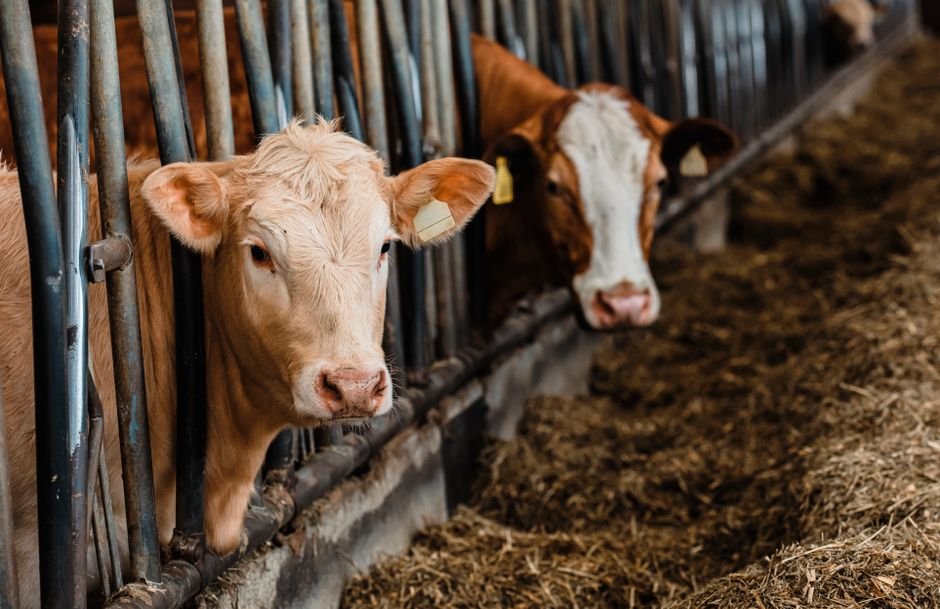
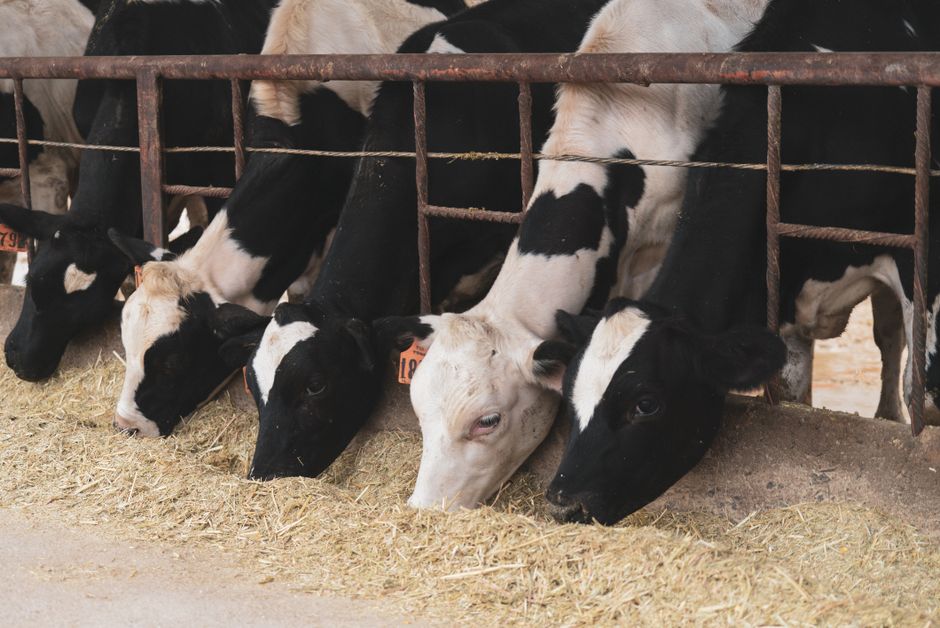
Efficient feeding systems reduce waste and labor. Automatic waterers ensure constant clean water availability, which is crucial; a lactating dairy cow drinks about 30-50 gallons of water per day.
- Feed bunks should allow 24-30 inches per cow to reduce competition.
- Implementing Total Mixed Ration (TMR) systems on larger farms ensures balanced nutrition and increases milk yields by up to 10% compared to traditional feeding.
In addition to space at feed bunks, feed delivery frequency and timing influence intake and productivity. Studies indicate that feeding cows multiple times per day—rather than once or twice—can increase dry matter intake by 5-7%, leading to higher milk production. Automated feed pushers that ensure feed is always within reach can prevent feed sorting and reduce waste.

Water quality management is also critical. Water sources should be tested regularly for contaminants and temperature. Water temperatures between 10-15°C encourage higher intake. Installing filtration and UV treatment systems can prevent waterborne diseases such as leptospirosis, which can affect herd health and fertility.
On pasture-based systems, strategically locating water troughs and employing solar-powered pumps can reduce labor and improve water availability in remote paddocks, supporting higher stocking densities without compromising welfare.
Manure and Waste Management
Proper handling of manure improves farm hygiene and minimizes environmental impact.
- Use slurry tanks or composting systems to recycle nutrients.
- Example: Farms using anaerobic digesters not only process waste but produce biogas, generating additional income.
Beyond nutrient recycling, well-designed manure management systems reduce greenhouse gas emissions, particularly methane and nitrous oxide. According to the EPA, manure management contributes about 9% of methane emissions in the agricultural sector, so adopting technologies like covered lagoons or anaerobic digesters can significantly reduce a farm’s carbon footprint.
Composting manure before land application stabilizes nutrients and reduces pathogens, allowing safer use as fertilizer. Composting also reduces odor and fly populations, improving farmworker conditions.
Integration of manure management with crop fertilization planning improves nutrient use efficiency. For example, matching nitrogen application rates to crop needs reduces leaching and eutrophication risks. Precision application techniques, such as GPS-guided manure spreaders, can further enhance environmental stewardship and reduce input costs.
Herd Selection and Management for Optimal Productivity
Choosing the right breed and managing the herd effectively are key factors in the best farm setup.
If you’re also looking into this, our article on Mastering Cattle Behavior and Handling for Safer, More Efficient Farming covers it in more detail.
Selecting the Right Breed
Your choice depends on the primary product:
- Dairy breeds: Holstein-Friesians are the highest yielding, averaging 23,000 pounds of milk per cow per year. Jersey cows produce less volume but higher butterfat content, ideal for cheese production.
- Beef breeds: Angus and Hereford are popular for their feed efficiency and meat quality, with feed conversion ratios around 6:1 (6 pounds of feed per 1 pound of weight gain).
In addition to primary breed characteristics, crossbreeding is increasingly popular to combine traits such as disease resistance, fertility, and longevity. For example, crosses between Holsteins and Jerseys (termed “HoJo”) can yield intermediate milk volumes with higher butterfat, improved fertility rates, and better overall health. Crossbred cows often show hybrid vigor, with studies showing 5-10% improvements in reproductive performance and longevity compared to purebreds.
Breed selection should also take into account local environmental conditions. For instance, breeds with higher heat tolerance such as the Gir or Sahiwal are favored in tropical climates, while British breeds perform better in temperate zones. Understanding these traits helps reduce stress-related production losses.
Calving and Breeding Management
Maintaining an efficient calving interval maximizes lifetime productivity. For dairy cows, a calving interval of 12 to 13 months is ideal.
- Artificial insemination (AI) allows for genetic improvement and disease control.
- Record-keeping software can track breeding dates, health records, and milk production metrics.
Incorporating estrus detection technologies, such as activity monitors or pedometers, can improve heat detection rates from 50-60% (with visual observation alone) to over 90%, leading to more timely inseminations and shorter calving intervals. Reduced calving intervals improve lifetime milk yield by increasing the number of lactations per cow.
Genetic selection programs using genomic testing enable farmers to identify cows with superior traits early in life. This accelerates genetic progress, allowing for higher milk production, improved feed efficiency, or disease resistance within a few generations.
Health and Nutrition Management
Regular health checks and tailored nutrition plans prevent disease and optimize production.
- Vaccination schedules should be based on regional risk factors.
- Balanced rations must meet energy, protein, vitamin, and mineral requirements. For example, lactating cows need 16-18% crude protein in their diet.
- Example: A Minnesota dairy farm reduced mastitis incidence by 40% after implementing a strict hoof and udder hygiene protocol.
In addition to vaccination, implementing a comprehensive herd health plan including parasite control, hoof trimming, and regular veterinary assessments improves longevity and production efficiency. For instance, controlling gastrointestinal parasites can improve weight gain by up to 15% in beef calves.
Precision feeding technologies such as electronic feed bins and cow-specific ration adjustments optimize nutrient delivery, reducing feed costs and minimizing environmental nitrogen excretion. Monitoring body condition scores monthly helps inform dietary adjustments to avoid under- or over-conditioning, which can affect fertility and milk yield.
Water and electrolyte balance are critical during heat stress or transition periods (e.g., dry to lactating). Providing buffered diets and supplemental vitamins (such as vitamin E and selenium) supports immune function and reduces incidence of metabolic diseases such as ketosis and milk fever.
Technology and Automation: Enhancing Farm Efficiency
Modern technology can significantly improve farm setup and management efficiency.
This ties in closely with Essential Cattle Terminology: A Beginner’s Guide to Understanding and Managing Your Herd, worth a look if you want to go deeper.
Precision Farming Tools
- GPS-guided pasture management allows precise fertilizer application, reducing costs by up to 20%.
- Drones can monitor pasture conditions and herd movement over large areas.
Beyond fertilizer application, precision tools can map soil variability within fields, allowing site-specific amendments that improve pasture uniformity and reduce input waste. Variable rate technology (VRT) can direct seed, lime, and herbicide application where needed most, improving pasture establishment success rates by 15-20%.
Drones equipped with multispectral cameras provide real-time data on pasture biomass, detecting areas of overgrazing or nutrient deficiency. This data, combined with GIS software, enables fine-tuned grazing management plans that optimize forage utilization and animal performance.
Wearable sensors on cattle can monitor vital signs such as body temperature, rumination, and activity levels, providing early warnings of illness or heat stress. Using machine learning algorithms, these systems can predict health events days before visible symptoms, allowing timely intervention and reducing treatment costs.
Automated Milking Systems (AMS)
Robotic milking allows cows to be milked multiple times daily, increasing yields and improving labor efficiency.
- AMS systems can increase milk production by 5-10% and reduce labor needs by up to 50%.
- They also collect detailed data on each cow, facilitating health and production monitoring.
AMS technology also improves animal welfare by allowing cows to be milked at their own pace and reduces stress associated with fixed milking schedules. Data collected on milking frequency, milk yield, and conductivity can be integrated into herd management software to identify cows with mastitis or other health issues rapidly.
Some advanced AMS units integrate with feed pushers and climate controls, creating a fully automated environment that maximizes cow comfort and productivity. While initial investment is high, the combination of labor savings, increased production, and improved animal health often leads to payback within 5-7 years.
Economic Considerations for the Best Farm Setup
Setting up a profitable farm requires balancing initial costs with long-term gains.
| Farm Setup Aspect | Estimated Initial Cost | Impact on Productivity | Return on Investment (ROI) Timeline |
|---|---|---|---|
| Land Preparation and Pasture Seeding | $200 – $500 per acre | Improves forage yield by 20-30% | 1-3 years |
| Barn and Shelter Construction | $1,000 – $2,000 per cow space | Improves animal comfort and reduces health costs | 3-5 years |
| Feeding and Watering Systems | $150 – $300 per animal | Enhances feed efficiency and water intake | 1-2 years |
| Automated Milking Systems | $150,000+ per unit (for 50 cows) | Increases milk yield and labor savings | 5-7 years |
Investing in areas like pasture improvement and basic infrastructure yields quicker returns, while advanced automation requires more capital but can deliver significant long-term efficiency gains. A detailed cost-benefit analysis is recommended before major investments. Factors such as local labor costs, market prices for milk or beef, and farm expansion plans should be incorporated to tailor financial strategies effectively.
Additionally, farmers should explore grants, subsidies, or low-interest loans available through agricultural development programs, which can offset upfront costs for sustainable technologies and infrastructure improvements.
Summary: Core Steps to the Best Farm Setup
- Conduct thorough site and soil assessments before purchasing land.
- Design land layout with rotational grazing and proper access to water.
- Build well-ventilated shelters and efficient feeding/watering systems.
- Select breeds aligned with your production goals and regional conditions.
- Implement rigorous herd health, nutrition, and breeding protocols.
- Incorporate technology gradually to enhance productivity and reduce labor.
- Balance costs with expected returns and plan for scalable growth.
By systematically addressing these factors, farmers can build a sustainable and profitable cow farming operation tailored to their unique circumstances.