
Understanding Why Cattle Terminology Matters
For anyone involved in cattle farming, ranching, or livestock management, mastering cattle terminology is crucial. The language used within the cattle industry goes beyond casual conversation—it’s a specific vocabulary that describes animals, their life stages, breeding statuses, and even handling processes. Knowing these terms precisely helps farmers communicate effectively, make better management decisions, and optimize cattle health and productivity.
This article breaks down essential cattle terminology to ensure that whether you’re a beginner or an experienced cattleman, you can confidently navigate the world of cattle with clarity and precision.
Basic Cattle Terminology: Identifying Cattle by Age and Sex
The foundation of cattle terminology starts with understanding how to classify cattle based on their age and sex. These distinctions are fundamental because cattle management practices often vary depending on these factors.
| Term | Description | Typical Age Range | Sex |
|---|---|---|---|
| Calf | A young bovine animal, generally recently born | Birth to 6 months (approx.) | Male or Female |
| Heifer | A young female that has not yet had a calf | 6 months to first calving (typically 12-24 months) | Female |
| Cow | A mature female that has given birth to at least one calf | Typically > 24 months | Female |
| Bull | An uncastrated mature male used for breeding | Typically > 12 months | Male |
| Steer | A castrated male, generally raised for beef | Varies, castrated before sexual maturity | Male (castrated) |
Additional Terms for Age and Sex
- Yearling: A cattle animal between one and two years old, often used in reference to both males and females. Yearlings are important targets for certain management practices such as vaccination boosters, weaning follow-ups, or preparation for breeding or finishing programs.
- Springer: A cow or heifer that is close to calving, typically within a few weeks. This term is especially useful for scheduling close observation and preparation in calving areas, as springers require increased monitoring for timely assistance in difficult births.
- Dry Cow: A cow that is not currently nursing a calf and has been “dried off” from milking or lactation for a period, usually 60 days before calving. Managing dry cows properly is critical for udder health, replenishing body condition, and optimizing colostrum quality for the newborn calf.
- Dam: The female parent of a calf; this term is frequently used in pedigree records and breeding evaluations to track lineage and genetic traits.
- Sire: The male parent of a calf. Knowledge of sires helps in selective breeding programs focused on improving specific traits such as growth rate, feed efficiency, or carcass quality.
Reproductive and Breeding Terminology in Cattle
Breeding is a vital area where precise terminology guides reproductive management decisions.
| Term | Meaning | Importance |
|---|---|---|
| Artificial Insemination (AI) | The process of manually depositing semen into the female reproductive tract without natural mating | Offers genetic improvement and controlled breeding |
| Estrus (Heat) | The period when a female is sexually receptive and ovulating | Critical timing for breeding to ensure conception |
| Pregnancy Diagnosis | Methods (ultrasound or palpation) to determine if a cow or heifer is pregnant | Confirms breeding success and aids in herd management |
| Calving Interval | The time between successive calvings, ideally around 12-13 months | Indicates reproductive efficiency |
Key Concepts in Reproductive Cycles
The estrous cycle in cattle typically runs for 21 days. Understanding when a heifer or cow is in heat allows ranchers to time breeding accurately. For example, if a cow comes into heat every 21 days and is successfully bred during one cycle, the gestation period of about 283 days (roughly 9.5 months) will determine when to expect calving.
For more on this, see our related guide: Profit-Driven vs. Homestead Cattle Raising: Choosing the Right Path.
Additionally, estrous detection methods include visual observations of behavioral signs such as mounting other cattle, restlessness, increased vocalization, and mucus discharge. Some producers use aids like tail paint or electronic heat detection collars to improve accuracy. Timely detection is essential not only for natural breeding but also to optimize the timing of artificial insemination, which typically occurs around 12 hours after the onset of standing heat.
Pregnancy diagnosis methods have evolved with technology. While manual rectal palpation has been a standard for decades, ultrasound technology is now widely used, allowing earlier and more accurate pregnancy detection as early as 30 days post-breeding. Early diagnosis helps in culling open cows promptly, reducing economic losses and improving overall herd reproductive performance.
The calving interval is one of the most important benchmarks in cattle reproductive efficiency. A 12-month interval means the cow produces one calf per year, which is the ideal goal for maximizing lifetime productivity. Factors influencing calving intervals include nutrition, health status, breeding management, and environmental conditions. Strategies such as controlled breeding seasons and nutritional supplementation can help maintain optimal intervals.
Feeding and Nutrition Terminology
Nutrition terms specific to cattle help describe diets and feeding plans that maximize health and production.
- Forage: Plant material such as grasses and hay that cattle primarily consume. Forages provide fiber necessary for rumen function and make up the bulk of a ruminant’s diet. Quality and type of forage affect digestion, growth, and milk production. Common forages include alfalfa, clover, timothy, and various types of native grasses.
- Concentrates: Energy-dense feed such as grains (corn, barley) or protein supplements. These are often fed in combination with forage to meet higher energy or protein requirements, especially in finishing cattle, lactating cows, or growing calves. Concentrates improve average daily gain and feed efficiency but must be balanced carefully to avoid digestive upset.
- Silage: Fermented high-moisture stored fodder like corn or grass, fed during off-season. Silage preserves nutrients through fermentation and provides a reliable feed source when pasture is not available. Different types of silage, such as corn silage or sorghum silage, offer varying energy and fiber levels depending on the crop and fermentation quality.
- Ration: The daily amount of feed allocated to an animal, balanced for nutrients. Formulating rations involves calculating energy, protein, vitamins, and minerals to meet the specific needs of cattle at different production stages—such as maintenance, growth, reproduction, or finishing.
- Body Condition Score (BCS): A numerical score (usually 1-9) assessing the fat cover and overall condition of cattle to adjust feeding regimes accordingly. BCS is a critical management tool used to evaluate nutritional status and predict reproductive performance. For example, cows with a low BCS (<4) at breeding may have delayed estrus cycles and lower conception rates.
- Mineral Supplement: Specific mineral formulations provided as loose minerals or blocks to meet cattle’s micronutrient needs such as calcium, phosphorus, magnesium, and trace minerals like selenium and copper. Mineral deficiencies can lead to poor growth, reproductive failure, and health problems.
- Feed Conversion Ratio (FCR): The amount of feed required to gain a unit of body weight, an important efficiency metric in beef production systems. Lower FCR values indicate better feed efficiency and profitability.
Cattle Handling and Management Terms
When managing cattle on a farm or ranch, many terms describe how cattle are moved, restrained, or grouped.
If you’re also looking into this, our article on A Year of Raising Your First Cattle: From Arrival to Year-End Planning covers it in more detail.
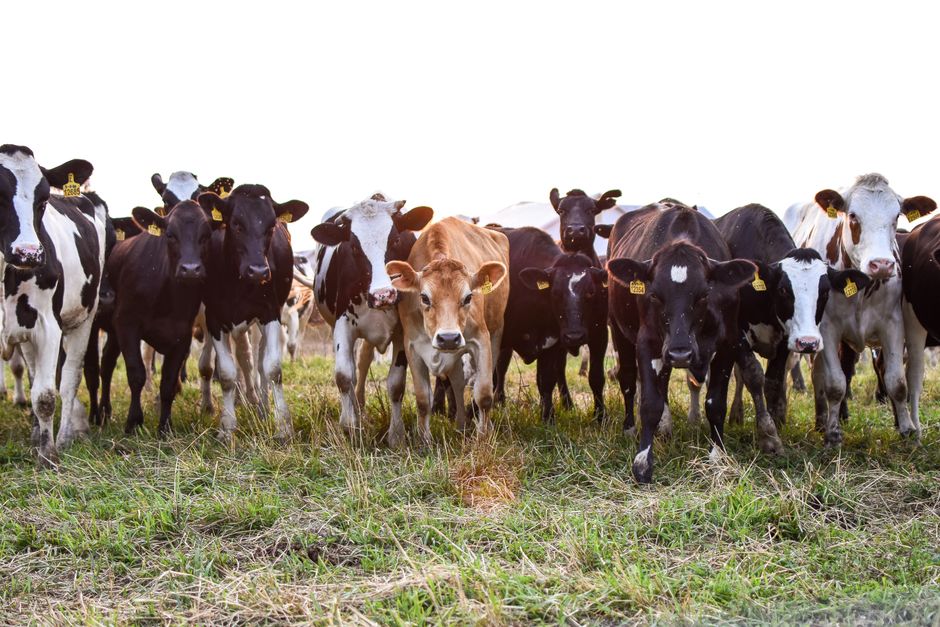
- Herd: A group of cattle kept together. Herd size can vary from a few animals to several hundred depending on operation scale. Managing herd dynamics, such as social hierarchy and spacing, affects stress levels and animal welfare.
- Pen: An enclosure or corral used for holding cattle temporarily. Pens are useful during sorting, vaccination, or weighing and should be designed to minimize injury and stress.
- Working Chute: Narrow alleyway or chute that guides cattle for handling or veterinary procedures. Proper chute design, including non-slip flooring and solid sides, helps ensure safety for both cattle and handlers during procedures like vaccinations and tagging.
- Weaning: The process of separating calves from their mothers, usually around 6-8 months old. Weaning can be stressful for calves, so various methods such as fence-line weaning or gradual separation are employed to reduce stress and improve weight gain post-weaning.
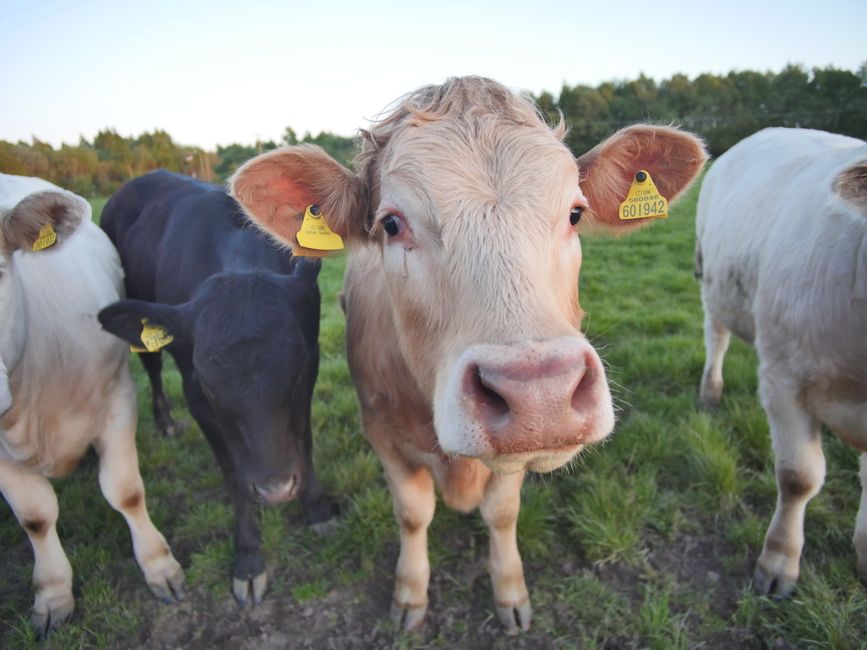
- Tagging: Attaching an identification ear tag to cattle for record-keeping. Tags often include numbers or barcodes linked to individual animal data such as birth date, lineage, and health records. Electronic RFID tags are increasingly common for precise tracking.
- Branding: Marking cattle with a hot iron or freeze brand to indicate ownership. Though less common with modern identification methods, branding remains a traditional practice especially in large open-range operations. Freeze branding uses liquid nitrogen and is considered less painful and more humane than hot branding.
- Sorting: Separating cattle based on criteria such as age, weight, or reproductive status. Efficient sorting reduces handling time and stress during management tasks.
- Drafting: The process of grouping cattle into smaller subsets, often for marketing or specialized feeding. Drafting helps tailor management practices to specific animal groups.
- Biosecurity: Practices designed to prevent the introduction and spread of diseases within cattle herds. This includes quarantine protocols for new animals, regular sanitation of equipment, and vaccination programs.
Common Industry-Specific Terms and Their Practical Uses
Some terms are frequently used in cattle markets, production reporting, and veterinary care.
| Term | Definition | Example Usage |
|---|---|---|
| Finished Cattle | Cattle that have reached target weight and condition for slaughter | A finished steer might weigh 1,200 to 1,400 pounds before processing. At this point, they have adequate fat cover and muscle development to yield high-quality beef cuts. |
| Feedlot | A specialized facility where cattle are fed concentrated diets to rapidly gain weight | Many beef cattle spend 100-150 days in a feedlot before slaughter. Feedlots focus on high energy rations to maximize average daily gain and marbling. |
| Loadout | The process of loading cattle onto trucks for transport | Proper loadout procedures reduce stress and injury during shipment. This includes gentle herding techniques, minimizing time in crowded holding areas, and ensuring appropriate trailer design. |
| Purebred | A cattle animal with documented ancestry in a single breed | Purebred Angus cattle are prized for meat quality traits, such as marbling and tenderness, and are often used in crossbreeding programs to improve commercial herds. |
| Crossbred | An animal resulting from the mating of two different breeds | Crossbred cattle often exhibit hybrid vigor, such as increased growth rates, fertility, and disease resistance compared to purebreds. |
| Carcass Weight | The weight of a slaughtered animal’s body after removal of the hide, head, and internal organs | Used to assess yield and value of beef; typically, carcass weight is about 60% of live weight. |
| Marbling | Intramuscular fat within the meat, influencing flavor, tenderness, and juiciness | High marbling scores in beef, such as USDA Choice or Prime grades, command premium prices in the market. |
How to Incorporate Cattle Terminology in Everyday Practice
Once you understand these terms, practice using them in daily herd management and record keeping. For example, maintaining detailed herd books listing animal ID, birthdates, breeding dates, and growth milestones using proper terminology ensures accuracy and supports decision-making.
Digital herd management software solutions are increasingly popular tools that incorporate cattle terminology into record-keeping and data analysis. These platforms allow producers to track reproductive cycles, vaccination schedules, feeding regimes, and market readiness, facilitating data-driven management decisions that improve herd productivity.
Attending cattle shows or sales events also provides opportunities to hear and use these terms in conversation with other producers and buyers. The more familiarity you build, the more confident you will be in managing your cattle enterprise. Additionally, networking in these environments can provide insights into emerging industry trends, breed standards, and new management technologies.
This ties in closely with How to Buy Your First Cow at Auction: A Complete Beginner’s Guide, worth a look if you want to go deeper.
Continuous education through extension services, workshops, and industry publications will also help deepen your understanding of cattle terminology and its practical applications. For example, learning advanced concepts like genetic selection indices or feed efficiency measurements can further optimize herd performance.
Final Thought: Building a Strong Vocabulary for Effective Cattle Management
The cattle industry’s specialized terminology may seem overwhelming at first, but it’s an essential tool for success. Clear communication, precise record keeping, and efficient management all depend on fluency in cattle terms. Whether it’s distinguishing a “heifer” from a “cow,” or knowing when a bull is “in season,” mastering these words empowers cattle professionals to optimize animal health, productivity, and profitability.
By integrating this terminology into everyday practices and continuing to expand your knowledge, you not only improve your operational effectiveness but also contribute to the broader goals of sustainability and animal welfare within the cattle industry. In an evolving agricultural landscape, a strong vocabulary is the foundation for innovative and responsible cattle management.