
Introduction to Setting Up a Cattle Farm
Starting a cattle farm requires more than just purchasing cows and land. It demands careful planning, investment in infrastructure, and a clear understanding of cattle management. This comprehensive checklist outlines crucial steps and considerations to ensure your cattle farm setup is efficient, compliant, and profitable from day one. Additionally, establishing solid operational protocols and anticipating potential challenges will help you build a resilient and sustainable enterprise. From initial land assessment to marketing strategies, each phase plays a vital role in the success of your cattle venture.
1. Land and Location Assessment
Choosing the right land is foundational for cattle farming. Consider soil type, water availability, topography, and proximity to markets or veterinary services. Ideally, select pasture-friendly land with well-draining soils and natural water sources. Beyond physical attributes, also evaluate local climate patterns, risk of natural disasters like floods or droughts, and accessibility for transportation of animals and feed.
- Size: For beef cattle, an average stocking rate ranges from 1.5 to 2 acres per cow-calf pair, depending on pasture quality. In regions with highly productive forage, stocking density may be increased to 1 acre per pair, while arid or less fertile areas require more land. Consider also future expansion plans when selecting property size.
- Water Access: Reliable water sources are essential—streams, wells, or ponds. Each cow drinks 10-20 gallons daily, so ensure water points are strategically placed to prevent overgrazing around a single source. Installing water troughs connected to trough float valves can maintain consistent availability. Additionally, regular water quality testing is necessary to prevent contamination and disease.
- Soil Quality: Conduct soil tests to determine nutrient levels and plan for fertilization or pasture improvement. Soil pH ideally ranges from 6.0 to 7.0 for optimal forage growth. Based on soil reports, consider liming acidic soils, applying phosphorus and potassium fertilizers, and selecting forage species adapted to soil conditions. Maintaining soil health through rotational grazing reduces compaction and erosion.
- Topography: Land slope affects erosion risk and drainage. Gentle slopes are preferable for pasture health and machinery use. Avoid flood-prone depressions or areas with poor drainage that may cause mud and hoof problems.
- Proximity to Services: Being near veterinary clinics, feed suppliers, livestock markets, and processing facilities reduces transportation costs and response times during emergencies. Consider road quality and seasonal accessibility.
2. Infrastructure and Facilities Checklist
Efficient cattle farm operations depend on well-designed infrastructure. Below is a detailed breakdown of essential facilities and their specifications, including practical design tips and maintenance recommendations to maximize functionality and longevity.
Fencing
Secure, durable fencing protects cattle and defines grazing areas. Well-planned fencing enables rotational grazing to improve pasture utilization and animal health. Consider electric fencing as a cost-effective option for temporary or movable boundaries.
- Types: High-tensile wire fencing is favored for durability and low maintenance, while woven wire is better for containing smaller animals or mixed farms. Electric fencing offers flexibility and can be integrated with permanent fences for added security.
- Height: Minimum 4.5 to 5 feet for cattle containment; bulls may require higher fences (up to 6 feet) due to their strength and behavior.
- Maintenance: Inspect quarterly to repair damage and maintain tension. Use corner and brace posts to prevent sagging. Replace rusted wires promptly to prevent breaks. Seasonal inspection before and after harsh weather is recommended.
- Gates: Install heavy-duty gates with secure latches to facilitate easy movement of cattle and equipment. Position gates to optimize pasture access and minimize animal stress during handling.
Shelters and Barns
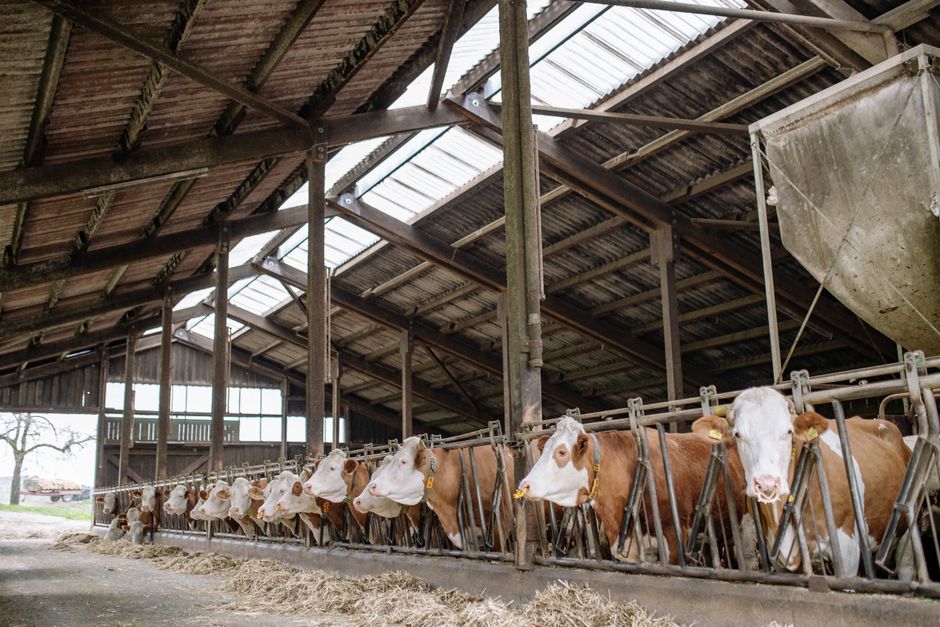
Cattle require protection from extreme weather, especially calves and high-production dairy cows. Proper shelter reduces stress, improves health, and increases productivity.
- Size: Provide 40-50 sq ft per animal in shelters or barns, allowing ample space for comfort and movement. For dairy cattle, allocate extra space for feeding and resting areas.
- Ventilation: Ensure natural airflow to reduce respiratory illnesses. Use adjustable sidewalls, ridge vents, and open eaves to promote air circulation while minimizing drafts.
- Flooring: Use non-slip, durable materials like compacted gravel or concrete with rubber mats to reduce hoof injuries and improve comfort. Proper drainage systems must prevent water accumulation.
- Additional Features: Incorporate calving pens that allow monitoring and assistance, as well as isolation areas for sick animals.
Handling Facilities
Safe and efficient handling reduces stress and injury to both cattle and handlers. Proper design improves animal flow and labor efficiency, facilitating routine procedures such as vaccination, weighing, and sorting.
For more on this, see our related guide: How to Choose the Right Land and Acreage for Cattle Farming.
- Components: Chutes, squeeze crushes, loading ramps, and holding pens are essential. Ensure pens are solid-sided to prevent distractions.
- Design: Curved chutes encourage smoother movement by exploiting cattle’s natural behavior of following curves and avoiding sharp corners. Non-slip flooring prevents animals from slipping.
- Capacity: Equipment must accommodate your maximum herd size to prevent bottlenecks. Design pens to allow simultaneous handling of multiple animals.
- Safety: Install escape routes for handlers and ensure lighting is adequate for nighttime operations.
Feed and Water Systems
Proper feeding infrastructure promotes healthy growth and productivity, while reducing feed wastage.
- Feed Troughs: At least 18 inches per animal to minimize competition and aggression. Design troughs to be easy to clean and durable to withstand weather and animal pressure.
- Waterers: Automatic waterers are preferred; ensure 1 water point per 20 cows to reduce crowding. Use heated waterers in cold climates to prevent freezing.
- Storage: Secure, dry storage for hay, grains, and supplements protects feed quality and prevents spoilage or rodent infestations. Consider covered barns or silos with easy access to feeding areas.
- Feeding Schedule: Regular feeding times reduce stress and improve feed conversion efficiency.
3. Cattle Selection and Breeds
Choosing the right breed depends on your region, farm goals, and market demand. Genetic selection impacts growth rates, feed efficiency, disease resistance, and temperament, all crucial for profitability and animal welfare.
| Breed | Purpose | Climate Suitability | Average Weight (Adult Female) | Feed Efficiency |
|---|---|---|---|---|
| Angus | Beef | Temperate | 1,200 lbs | High |
| Hereford | Beef | Temperate, cold | 1,100 lbs | Moderate |
| Holstein | Dairy | Temperate | 1,500 lbs | High (milk production) |
| Brahman | Beef | Hot, humid | 1,200 lbs | Good heat tolerance |
Select breeding stock from reputable breeders to minimize disease risk and ensure desirable traits. Budget for initial purchase costs between $1,200 to $2,500 per head depending on breed and quality. When purchasing, inspect animals for structural soundness, vaccination history, reproductive status, and temperament. Genetic testing and artificial insemination (AI) are advanced options to improve herd quality over time.
Additionally, consider hybrid vigor by crossbreeding complementary breeds to enhance performance traits like growth rate and disease resistance. For example, crossing Angus with Brahman can produce animals better suited for warmer climates while maintaining quality beef characteristics.
4. Feed and Nutrition Planning
Balanced nutrition is vital for cattle health and farm productivity. Develop a feeding strategy based on cattle type (beef or dairy), age, and production goals. Consult with animal nutritionists to tailor rations that optimize growth, milk production, and reproductive performance.
If you’re also looking into this, our article on A Year of Raising Your First Cattle: From Arrival to Year-End Planning covers it in more detail.
- Pasture Management: Rotate pastures every 3-4 weeks to prevent overgrazing and maintain forage quality. Use mixed-species forage including legumes and grasses to improve protein content and digestibility. Consider overseeding and fertilizing pastures to extend grazing seasons.
- Supplemental Feeding: Incorporate hay, silage, and grain during winter or drought. Silage made from corn or sorghum offers energy-dense feed options. Use feed testing labs to measure nutrient content and adjust rations accordingly.
- Mineral Supplements: Provide free-choice mineral blocks containing calcium, phosphorus, and trace minerals. Adjust formulations seasonally and according to forage analysis. Deficiencies in minerals like selenium or copper can lead to health issues.
- Feed Conversion Rates: Beef cattle typically convert 6-8 pounds of feed per 1 pound of weight gain. Efficient feed conversion contributes directly to profitability. Monitor body condition scores regularly to fine-tune nutrition plans.
- Water Quality and Availability: Adequate clean water intake is essential for digestion and nutrient absorption. Implement measures to prevent contamination from manure or algae.
5. Health Management and Veterinary Care
Establish a health protocol to prevent disease and handle emergencies efficiently. Collaborate with a veterinarian to design herd health programs specific to local disease risks and herd demographics.
- Vaccination Schedule: Common vaccines include Bovine Respiratory Disease complex, Clostridial diseases, and Leptospirosis. Calves require vaccinations early in life, with boosters at recommended intervals. Maintain cold chain for vaccine storage to ensure efficacy.
- Deworming: Conduct every 3-6 months based on fecal egg counts. Rotate dewormers to prevent resistance. Consider strategic deworming timed to seasonal parasite life cycles.
- Record Keeping: Track treatments, breeding, births, and deaths meticulously. Use software or farm management apps to facilitate data analysis. Accurate records help identify trends and improve decision-making.
- Quarantine: Isolate new or sick animals for at least 30 days to prevent disease spread. Monitor closely during quarantine and conduct tests for common diseases such as bovine viral diarrhea (BVD) or Johne’s disease.
- Biosecurity Measures: Limit visitor access, disinfect equipment and vehicles, and control wildlife to reduce disease introduction.
- Parasite Control: Integrate pasture management with chemical controls to minimize parasite burdens.
6. Staffing and Labor Considerations
Labor needs depend on herd size and mechanization level. Efficient staffing improves animal care and operational efficiency while reducing burnout and accidents.
- Basic Tasks: Feeding, cleaning, cattle health checks, pasture management, breeding management, and equipment maintenance.
- Staffing: One full-time worker can manage around 50-70 cows with mechanized equipment; smaller herds may require part-time labor. Larger operations often need specialized roles including a herd manager, equipment operator, and livestock handlers.
- Training: Provide training on animal handling, safety protocols, and basic veterinary care. Regular refresher courses improve skills and morale. Encourage use of personal protective equipment (PPE) to reduce injury risks.
- Seasonal Labor: Plan for additional help during calving, weaning, and marketing periods.
- Labor Efficiency: Implement standard operating procedures (SOPs) for routine tasks to streamline workflows.
7. Equipment and Machinery Essentials
Investing in the right equipment improves productivity and animal welfare. Choose machinery based on herd size, terrain, and farming practices.
- Tractors with front loaders facilitate feed handling, manure removal, and land maintenance. Select models with appropriate horsepower, attachments, and fuel efficiency.
- ATVs or utility vehicles enable rapid pasture inspections and transport of tools or medication, especially on large farms.
- Feed mixers or grinders are useful if producing your own feed blends; consider scale and power requirements.
- Water pumps and tanks support irrigation and reliable water supply for troughs and cleaning.
- Portable fencing tools, including posts, electrifiers, and wire reels, support flexible pasture management and rotational grazing systems.
- Additional equipment: squeeze chute scales, manure spreaders, calf feeders, and hoof trimming tools enhance herd management.
- Regular maintenance plans extend equipment lifespan and prevent costly breakdowns during critical periods.
8. Financial Planning and Budgeting
Budget realistically across initial setup and ongoing operational costs. Detailed financial planning helps secure funding, manage cash flow, and track profitability. Consider consulting agricultural financial advisors or participating in farm business workshops.
This ties in closely with Why Accurate Record Keeping is Essential for Small Cattle Operations, worth a look if you want to go deeper.
| Expense Category | Estimated Cost Range | Notes |
|---|---|---|
| Land Purchase or Lease | $1,000 – $3,000 per acre | Varies by region; leasing may reduce upfront costs |
| Fencing | $1.50 – $3.00 per foot | High-tensile wire preferred; includes posts and gates |
| Infrastructure (Barns, Shelters) | $10,000 – $50,000 | Depends on size, materials, and features such as ventilation |
| Cattle Purchase | $1,200 – $2,500 per head | Breed and quality dependent; includes transportation costs |
| Equipment | $20,000 – $100,000 | Includes tractors, handling equipment, and maintenance tools |
| Veterinary and Health Supplies | $500 – $2,000 annually | Vaccines, medicines, vet visits, and diagnostic testing |
| Feed and Supplements | Variable, ongoing cost | Seasonal fluctuations; bulk purchasing can reduce costs |
| Labor | Variable | Includes salaries, benefits, and training expenses |
| Utilities and Miscellaneous | Variable | Water, electricity, fuel, repair, and insurance |
Include contingency funds for unexpected expenses such as disease outbreaks, equipment breakdowns, or market fluctuations. Monitor financial performance regularly and adjust your business plan as needed.
9. Legal and Environmental Compliance
Ensure your cattle farm meets local regulations and environmental standards to avoid penalties and support sustainable operations.
- Permits: Obtain necessary agricultural, water use, and waste disposal permits before commencing operations. Requirements vary by jurisdiction and may include land use permits, water rights, and livestock registration.
- Environmental Impact: Implement manure management plans to prevent runoff and pollution. This may include storage facilities for manure, buffer zones near waterways, and nutrient management to prevent soil degradation. Compliance with Clean Water Act or similar legislation is often required.
- Zoning: Verify that farming is allowed on your land parcel to avoid legal disputes. Check for any restrictions such as building height limits, noise ordinances, or animal density caps.
- Animal Welfare Laws: Adhere to humane treatment guidelines including adequate space, proper feeding, and veterinary care. Maintain records to demonstrate compliance during inspections.
- Biosecurity and Disease Reporting: Comply with mandatory disease notification laws and follow biosecurity protocols to protect your herd.
- Worker Safety Regulations: Follow occupational health standards to protect laborers, including proper training, equipment use, and accident reporting.
10. Marketing and Sales Plan
Develop a clear strategy to sell your cattle or products effectively, maximizing returns and building customer loyalty.
- Identify Target Markets: Local processors, direct consumers, meat wholesalers, specialty markets (organic, grass-fed), or dairy processors. Understand customer preferences and pricing trends to tailor production accordingly.
- Branding: Build a farm brand to add value (e.g., organic, grass-fed, heritage breeds). Use labels, certifications, and storytelling to differentiate your products. Consistency in quality enhances reputation.
- Sales Channels: Auctions offer convenience but may yield variable prices. Farmers markets and direct-to-consumer sales often achieve premium prices but require marketing efforts. Online platforms can expand reach but need logistics planning.
- Record Customer Contacts: Maintain relationships for repeat business through newsletters, social media, or loyalty programs. Collect feedback to improve products and services.
- Value-Added Products: Consider processing beef into packaged cuts, jerky, or specialty dairy products to diversify income.
- Seasonal Demand: Align marketing with holidays and local events when beef or dairy demand peaks.
Summary Table: Key Elements for Cattle Farm Setup
| Element | Key Considerations | Typical Cost Range |
|---|---|---|
| Land & Location | Size, water, soil quality, topography, climate | $1,000 – $3,000/acre |
| Fencing | Durability, height, maintenance, gate placement | $1.50 – $3.00/foot |
| Infrastructure | Shelters, handling facilities, ventilation, flooring | $10,000 – $50,000 |
| Cattle Purchase | Breed, health status, genetics, sourcing | $1,200 – $2,500/head |
| Feed & Nutrition | Pasture quality, supplementation, minerals, water | Variable, ongoing cost |
| Equipment | Tractors, waterers, handling gear, maintenance | $20,000 – $100,000 |
| Health Management | Vaccination, deworming, records, quarantine | $500 – $2,000 annually |
| Labor | Number of workers, training, safety | Variable |
| Legal & Environmental | Permits, zoning, manure management, welfare laws | Variable |
| Marketing | Target markets, branding, sales channels | Variable |
By systematically addressing each item on this checklist, you can launch a cattle farm that is well-prepared for operational challenges and positioned for sustainable growth. Continuous learning, adaptation to local conditions, and investment in animal welfare and farm efficiency will ensure your enterprise remains competitive and profitable over the long term.