
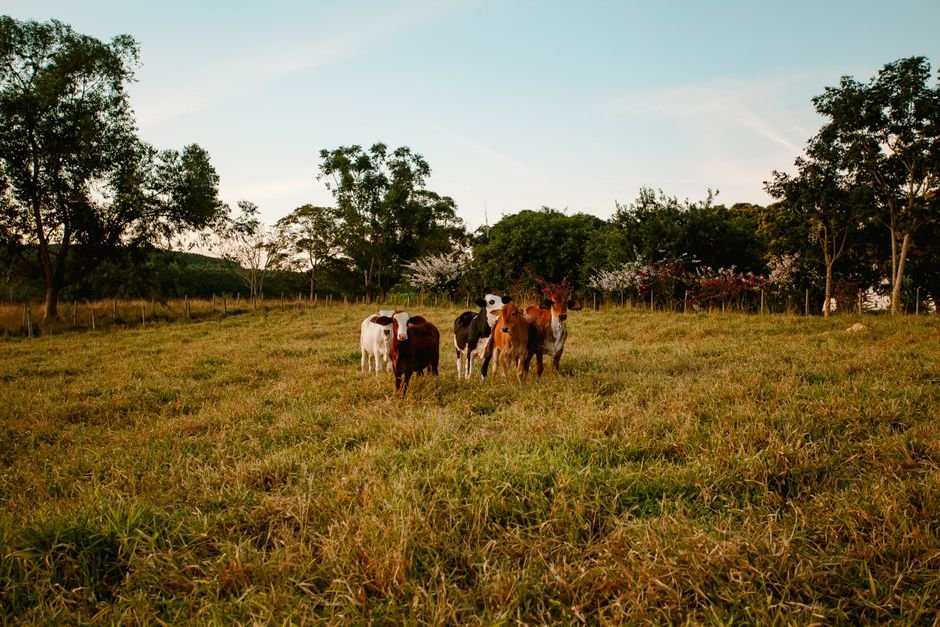
Understanding the Basics: Why Land Matters for Cattle Farming
Choosing the right land and acreage is one of the most critical decisions for starting or expanding a cattle operation. The quality of your land directly impacts the health and productivity of your herd, feed availability, and long-term sustainability. Cattle require sufficient pasture for grazing, reliable water sources, and terrain conducive to handling livestock safely.
Before diving into specific factors, it’s important to recognize that cattle farming varies widely depending on breed, climate, and farming goals. For example, beef cattle operations might prioritize large grazing areas, while dairy farms may need more controlled forage and housing facilities. Knowing your farming objectives will help guide your land selection.
Moreover, understanding regional differences in climate and soil types is crucial. For instance, land suitable for Angus beef cattle in the humid Southeast may not be ideal for Hereford cattle in the arid West. Different cattle breeds also have varying forage preferences and tolerance to environmental conditions, which must align with your land characteristics.
Furthermore, land plays a pivotal role in mitigating risks such as drought, flooding, and disease outbreaks. Well-chosen land can buffer against these challenges by offering diverse pastures, reliable water, and natural shelter, thereby enhancing herd resilience.
How Much Acreage Do You Need?
The right amount of land depends on your forage quality, rainfall, and how many animals you plan to keep. Before you buy, estimate how many cattle the property can realistically support so you do not overpay for land you cannot use or buy too little to feed your herd.
For a full breakdown of stocking rates, carrying capacity, and worked examples, read our guide: How Many Cows Per Acre? Stocking Rate Guide for Small Farms.
Key Land Characteristics for Cattle Farming
1. Soil Quality and Forage Production
The foundation of cattle grazing is healthy forage, which depends directly on soil quality. Soils rich in organic matter and nutrients support better grass growth. Typical forage species include Bermuda grass, fescue, clover, and ryegrass.
Testing soil before purchase is essential. A soil test provides pH levels, nutrient content, and recommendations for lime or fertilizer. For example, fescue thrives in soils with a pH between 5.5 and 7.0.
Beyond pH and nutrient content, soil texture and structure affect water retention and root penetration. Loam soils with balanced sand, silt, and clay fractions typically support robust forage growth, whereas sandy soils may require more frequent irrigation and fertilization. Conversely, heavy clay soils can become waterlogged, adversely affecting forage health.
Implementing soil conservation practices such as no-till planting, cover cropping, and organic amendments can enhance soil fertility over time, increasing pasture productivity and sustainability.
Introducing legumes such as clover or alfalfa into pastures not only improves forage quality but also naturally fixes atmospheric nitrogen, reducing fertilizer needs. For example, integrating 20-30% clover into pasture mixes can increase crude protein content by up to 15%, benefiting cattle growth and milk production.
2. Terrain and Topography
Gentle rolling hills are preferable to steep slopes, which can lead to erosion, difficult cattle movement, and uneven grazing. Flat or moderately sloped land simplifies fencing, water distribution, and pasture management.

In addition to erosion risks, steep terrain can increase labor and equipment costs for pasture maintenance, such as mowing or seeding. Slopes exceeding 10-15% may require terracing or contour fencing to minimize runoff and soil loss.
Topography also influences microclimates on the farm. South-facing slopes in northern latitudes can extend the grazing season by warming pastures earlier in spring, while low-lying areas might be prone to frost pockets or flooding.
Strategic land selection includes identifying natural windbreaks, such as tree lines or hills, which provide shelter for cattle during extreme weather, reducing stress and improving animal welfare.
3. Water Access
Cattle require constant access to clean water. Natural water sources such as ponds, creeks, or springs are valuable, but they must have adequate flow year-round and be accessible without risk of contamination.
If natural sources are unavailable or insufficient, installing wells and water tanks is necessary. For example, a mature beef cow drinks approximately 10–20 gallons of water daily, so plan your water infrastructure accordingly.
Water quality is as important as quantity. Contaminated water sources can lead to health issues such as bacterial infections or parasite infestations. Regular testing for pathogens, nitrates, and mineral imbalances is recommended.
Efficient water delivery systems, including solar-powered pumps or gravity-fed pipelines, can reduce labor and energy costs. Installing multiple watering points distributed throughout pastures helps prevent overgrazing near water and reduces soil compaction.
Additionally, consider seasonal variability; in some regions, natural water bodies may dry during summer months, necessitating supplemental water storage like tanks or reservoirs to ensure uninterrupted supply.
4. Fencing and Infrastructure
Land suitable for cattle should allow easy installation of durable fencing. Typical fencing options include barbed wire, high-tensile wire, and electric fences. Consider terrain challenges when planning fence lines.
Fencing is a major investment affecting animal containment, predator control, and pasture management. For example, high-tensile electric fencing offers flexibility and lower maintenance costs but requires reliable power sources and regular monitoring.
Additional infrastructure such as cattle handling facilities (chutes, loading ramps), shade structures, and feeding stations also need to be factored into land planning. Proper layout minimizes stress during handling and improves operational efficiency.
Access roads and gates should be well-placed to facilitate equipment movement and emergency access. In wet or muddy conditions, constructing gravel or crushed stone roads can prevent equipment bogging and soil degradation.
Financial Considerations in Purchasing Land for Cattle
Cost varies widely based on location, land quality, accessibility, and availability. As of 2024, average cattle grazing land prices in the U.S. range from:
- $1,000–$2,000 per acre in less fertile, rural areas
- $3,500–$6,000 per acre in prime pastureland near good market access
For example, a 100-acre farm in central Kansas might cost around $150,000, whereas a similar-sized plot in Kentucky’s Bluegrass region could approach $400,000.
Land prices are also influenced by proximity to infrastructure such as highways, processing facilities, and feed suppliers, which reduce operational costs and improve profitability.

Additional Expenses to Budget For
- Land improvements: Clearing brush, soil amendments, and fencing can add $200+ per acre. For instance, clearing heavy brushland can cost upwards of $300 to $500 per acre depending on vegetation density.
- Water infrastructure: Wells and tanks installation range from $5,000 to $20,000 depending on depth and system size. Deep wells (over 300 feet) can substantially increase costs, and water rights may require additional legal fees.
- Equipment and buildings: Barns, handling facilities, and storage may require significant investment based on operation size. A standard cattle handling facility with chute and scales can range from $15,000 to $50,000 depending on materials and complexity.
- Operational costs: Ongoing expenses such as fencing repairs, fertilizer applications, veterinary care, and supplemental feed should be planned for in annual budgets.
- Insurance and taxes: Land and livestock insurance protect against losses but add to yearly expenditures. Property taxes vary by county and can be influenced by land classification.
Legal and Zoning Aspects
Before purchasing, verify that the land is zoned for agricultural use, which generally allows livestock. Restrictions can exist on herd size, types of structures, or manure management. Contact your local county or municipal planning office for specifics.
Additionally, check for water rights if you plan to use natural water sources. Water rights laws vary regionally and can affect your access.
Environmental regulations may also dictate management practices, such as buffer zones around water bodies to prevent runoff, manure storage requirements, or endangered species protection. Compliance avoids fines and preserves long-term land viability.
It is wise to review any easements or covenants attached to the property. For example, conservation easements may restrict development or certain farming practices, influencing your operational flexibility.
Optimizing Land Use: Rotational Grazing and Multi-Pasture Systems
Effective management can reduce your acreage needs and improve pasture health. Rotational grazing divides land into paddocks and rotates cattle to prevent overgrazing. This system increases forage yield and soil health over time.
For example, a 100-acre farm split into 8 paddocks can maintain higher stocking densities than continuous grazing, potentially reducing the total acreage needed by 20-30%.
Rotational grazing benefits include:
- Improved forage utilization: Rest periods allow grasses to regrow, increasing total biomass and extending grazing seasons.
- Reduced parasite loads: Rotating cattle disrupts parasite life cycles, decreasing dependence on dewormers.
- Enhanced soil health: Properly managed grazing promotes nutrient recycling and increases soil organic matter.
Multi-pasture systems can also incorporate diverse forage species suited for different seasons or animal needs, such as legumes for protein supplementation or warm-season grasses during hot summers.
Integrating technology such as remote waterers, solar-powered fencing, or GPS tracking can further optimize grazing patterns and labor efficiency.
Case Study: A Midwestern Beef Operation
| Attribute | Details |
|---|---|
| Location | Central Iowa |
| Acreage | 120 Acres |
| Rainfall | ~36 inches/year |
| Stocking Rate | 1.5 acres per cow-calf pair |
| Herd Size | 75 cow-calf pairs |
| Water Source | Two natural ponds + drilled well for backup |
| Infrastructure Investment | $25,000 (fencing, water tanks, barn) |
| Annual Maintenance | $5,000 (fertilizers, repairs, pasture reseeding) |
This operation balances adequate acreage with sustainable pasture management and reliable water access, supporting a profitable beef business.
Notably, this farm employs rotational grazing with the 120 acres divided into 10 paddocks, allowing for periodic rest and regrowth. The owner has integrated clover and ryegrass mixes to enhance forage quality, which has improved average daily gains and calf weaning weights.
Water management includes solar-powered pumps delivering water from ponds to tankers distributed across paddocks, ensuring cattle have easy access regardless of location. The backup well secures water availability during drought conditions, illustrating proactive risk management.
Financially, the farm’s investment in fencing and infrastructure has lowered labor costs and increased operational efficiency, with long-term benefits reflected in herd health and pasture productivity.
Final Considerations When Purchasing Land for Cattle
- Visit multiple properties: Look for land that offers a balance of pasture quality, water, and terrain. Take note of access roads, nearby markets, and any potential environmental issues.
- Consult local agricultural extension agents: They provide region-specific advice and may have data on soil and forage suitability. Extension services often offer workshops on pasture management and livestock health, which can be invaluable.
- Review prior land use: Heavy chemical use or previous contamination can affect soil health. Request historical land use information and consider environmental testing for pesticides or heavy metals.
- Plan for future expansion: Purchase slightly more acreage than current needs to allow herd growth and pasture rest. This flexibility can reduce stress on pastures and improve long-term sustainability.
- Assess community and market access: Proximity to livestock auctions, feed suppliers, and processing plants impacts operational costs and profitability.
- Consider labor availability: Larger or more complex farms require skilled labor for animal care and pasture management; evaluate local labor markets accordingly.
Investing in the right land is a foundation for success. Taking the time to assess your farming goals, local conditions, and financial capacity will set your cattle operation on a path to productivity and sustainability. Informed land choice combined with sound management practices can maximize return on investment and enhance environmental stewardship for future generations.