
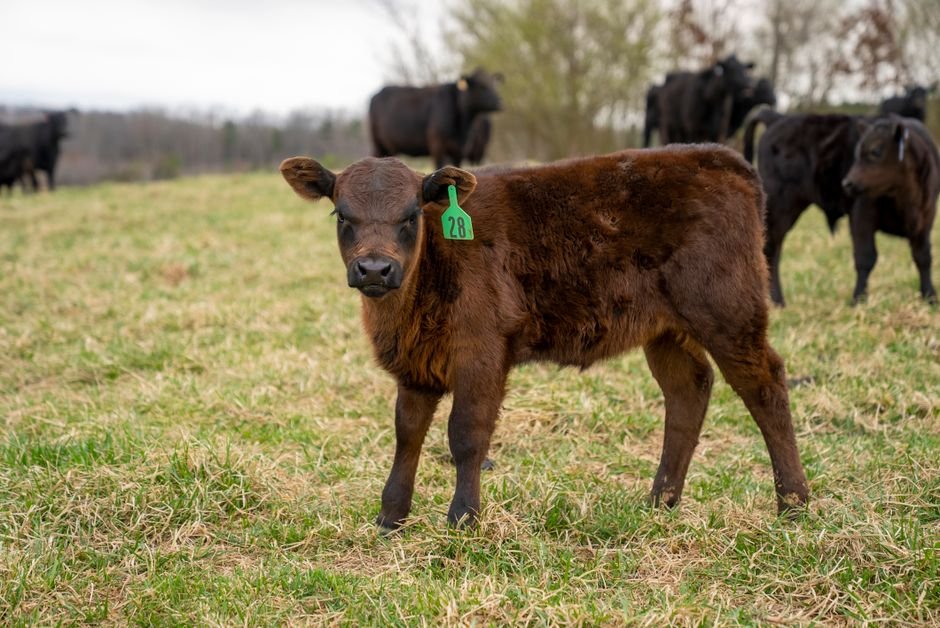
Introduction to Cattle Terminology
Understanding cattle terminology is essential for anyone involved in cattle farming, ranching, veterinary care, or even agriculture education. The language of cattle—covering everything from their age and gender to breeding status and behavior—is rich and specific. Mastering these terms not only facilitates clearer communication but also enhances management efficiency, animal welfare, and market transactions.
But what is the best way to approach cattle terminology? This article explores practical methods, key terms you need to know, and real-world examples to help you navigate this specialized vocabulary confidently.
Why Accurate Cattle Terminology Matters
Before diving into terminology, it’s important to understand why precision matters. Cattle terminology affects:
- Animal Management: Knowing the exact terms of animal classification helps in breeding decisions, health management, and feeding strategies. For example, feeding protocols vary considerably between a calf requiring high-protein milk replacers and a mature cow needing forage-based rations. Misclassification can lead to nutritional imbalances that affect growth and productivity.
- Market Transactions: Livestock sales depend heavily on terms that describe age, sex, and reproductive status, which influence price. A bred heifer, carrying her first calf, will command a higher price than an unbred one because of her potential to contribute immediately to herd expansion. Similarly, steers are valued differently than bulls because of their differing meat quality and market demand.
- Record-Keeping: Accurate terminology ensures proper tracking of lineage, vaccinations, and productivity. For instance, knowing whether an animal is a heifer or a cow helps track reproductive history, critical for maintaining genetic records and managing herd fertility. It also aids in disease control programs by identifying which groups require specific vaccinations or treatments.
Furthermore, precise terminology allows for effective communication between diverse stakeholders such as farmers, veterinarians, extension agents, and buyers, minimizing costly misunderstandings.
Foundational Cattle Terminology: Key Categories
Cattle terms fall into several broad categories: age, sex, reproductive status, and general descriptors. Here’s a breakdown of the most commonly used terms.
Age and Growth Stages
- Calf: A young bovine from birth up to approximately 1 year old. Calves require special care, including colostrum intake in the first 24 hours to transfer maternal antibodies for immunity.
- Weaner: A calf that has been weaned off its mother’s milk, generally 6 to 10 months old. Weaning is a critical transition phase involving dietary changes and often coincides with vaccination schedules to prepare the calf for independent life.
- Yearling: Cattle aged between 1 and 2 years. At this stage, animals undergo rapid growth and may be evaluated for breeding suitability or feedlot placement depending on their sex and purpose.
- Steer: A castrated male bovine, usually raised for beef. Castration reduces aggressive behavior and improves meat quality by decreasing testosterone levels, resulting in more marbled beef preferred in many markets.
- Ox: A mature castrated male trained as a draft animal. Historically crucial in agriculture before mechanization, oxen are still used in some regions for plowing, hauling, and other heavy labor due to their strength and docile nature.
Each of these stages corresponds with specific management practices. For instance, calves need protection from predators and environmental stress, while yearlings require tailored nutrition to optimize growth rates without causing metabolic disorders.
Sex and Reproductive Status
- Bull: An intact (uncastrated) adult male capable of breeding. Bulls contribute genetically to the herd and must be carefully managed to balance breeding programs and minimize injury risks to handlers and other animals.
- Cow: An adult female that has had at least one calf. Cows are the backbone of breeding operations, with their reproductive efficiency directly influencing herd productivity. Their calving intervals, milk production, and maternal behavior are key considerations in herd management.
- Heifer: A young female that has not yet calved. Heifers require close monitoring as they transition into breeding age; improper nutrition or management can delay puberty and reduce lifetime productivity.
- Dam: The mother of a specific calf. Understanding dam lineage is vital for traceability, genetic evaluation, and disease control.
- Sire: The father of a calf. Sire selection impacts herd genetics, influencing traits like growth rate, carcass quality, and disease resistance.
Additionally, terms like open heifer (not pregnant) and bred heifer (confirmed pregnant) are commonly used in sales and breeding contexts to denote reproductive status.
Specialized Terms
- Herd: A group of cattle managed together. Herd dynamics, including size and composition, affect grazing management, disease control, and social behavior of the animals.
- Branding: Marking cattle for identification purposes. Branding can be hot-iron, freeze, or electronic, and serves as a legal proof of ownership in many regions. Proper branding helps reduce theft and assists with record-keeping.
- Stocker: Growing cattle fed on forage prior to finishing for market. Stocker operations focus on adding weight economically by utilizing pasture and roughage before sending cattle to feedlots.
- Feedlot: A confined area where cattle are fattened before slaughter. Feedlots optimize weight gain using high-energy diets, typically grain-based, and require careful management to prevent digestive disorders like acidosis.
In addition, there are terms related to behavior and health such as bulling (estrus behavior in females), casting (animal lying on its side), and fattening (phase of weight gain before market), all of which enrich day-to-day communication on cattle operations.
For more on this, see our related guide: Essential Cattle Terminology: A Beginner’s Guide to Understanding and Managing Your Herd.
Best Practices for Learning and Using Cattle Terminology
Simply memorizing terms isn’t enough. Here are effective approaches to mastering cattle terminology:
1. Use Visual and Practical Learning Tools
Ranch visits, farms, or livestock shows provide hands-on experiences that connect terms with real animals. For example, identifying a “heifer” or a “steer” in person solidifies understanding far better than reading alone. Observing cattle behavior firsthand—such as watching a bull’s breeding behaviors or a calf’s nursing—enables learners to associate terms with specific actions.

Supplement these visits with detailed diagrams or apps featuring cattle breeds and anatomical terms to deepen recognition and context. For instance, learning to distinguish a Hereford from an Angus by their coat patterns helps when terms intersect with breed-specific traits.
Furthermore, participating in workshops or vocational training courses that include cattle handling and terminology can accelerate mastery by marrying theory with practice.
2. Study Regional Variations
Many cattle terms vary by region or country. For instance, in Australia, a “draft” cow is a mature cow sent to market, while in the U.S., the term is less common. Similarly, terms like “bobby calf” in New Zealand refer to a young calf destined for early slaughter, a concept less emphasized in North America.
In parts of the UK, “stirks” are calves between 6 and 12 months old, whereas this term might be unfamiliar elsewhere. Understanding local jargon prevents confusion—especially important for buyers, sellers, veterinarians, and consultants working across borders or with imported genetics.
Moreover, terminology can reflect cultural practices, such as the use of “bullocks” in British English to denote castrated males, similar to “steers” in American English. Recognizing these nuances improves communication and market access.
If you’re also looking into this, our article on How to Choose the Right Land and Acreage for Cattle Farming covers it in more detail.
3. Create a Terminology Reference Table
Having a quick-reference table or cheat sheet that contrasts similar terms can help avoid mix-ups. Here’s an example comparing common cattle terms:
| Term | Definition | Example | Typical Age Range |
|---|---|---|---|
| Calf | Young bovine from birth to weaning | A 3-month-old dairy calf | 0-6 months |
| Heifer | Young female before first calving | 12-month-old beef heifer | 6 months to 2 years |
| Cow | Adult female that has calved | A 3-year-old Angus cow | 2 years and older |
| Bull | Intact adult male used for breeding | 5-year-old Hereford bull | 2 years and older |
| Steer | Castrated male raised for beef | 18-month-old steer ready for market | Varies, often 6 months to 3 years |
Expanding such tables to include regional terms, breed-specific vocabulary, or management phases (such as backgrounding, finishing, or replacement) boosts their utility.
4. Engage with Industry Publications and Groups
Regularly reading cattle industry magazines, extension service bulletins, or joining online cattle forums exposes you to current terminology and trends. For example, the American Angus Association or the Beef Improvement Federation publishes resources filled with relevant terms and their practical applications. These publications often include case studies, new research findings, and management innovations that introduce evolving terminology.
Joining professional organizations or social media groups dedicated to cattle farming allows you to ask questions, exchange tips, and see how terminology is applied in different contexts. Participating in discussions about genetic selection, disease outbreaks, or market conditions broadens your vocabulary while grounding it in real-world applications.
5. Use Terminology in Context
When you write reports, create animal records, or discuss cattle with peers, use the correct terminology consistently. Practice writing simple sentences like:

- “The heifer will be bred this fall to a registered Angus bull.”
- “The weaner calves have been moved to the summer pasture.”
- “The bull was evaluated for fertility prior to the breeding season.”
- “The steer group has reached the optimal weight for feedlot entry.”
This contextual use reinforces memory and avoids misunderstandings during farm operations. It also helps develop confidence when communicating with veterinarians, auctioneers, or feed suppliers.
Examples of Terminology in Action
Consider a cattle operation scenario where terminology precision impacts decision-making:
This ties in closely with Navigating Zoning and Legal Requirements for Cattle Farming Success, worth a look if you want to go deeper.
- Breeding Selection: A rancher evaluating replacement females needs to differentiate between “heifers” and “cows” to select animals with proven maternal traits. Heifers might be preferred for genetic diversity, but cows provide a track record of calving ease and milk production.
- Health Records: Recording vaccinations separately for “calves” versus “yearlings” ensures appropriate dosage and timing. For example, calves receive initial vaccines against respiratory diseases, while yearlings might require booster shots or parasite treatments tailored to their developmental stage.
- Marketing: Selling “steers” generally fetches a different price than “bulls” or “heifers” due to meat quality and market preferences. Understanding these distinctions allows producers to optimize sale timing and target buyers effectively.
- Nutrition Management: Adjusting feed rations based on terms like “stocker” versus “feedlot” cattle ensures animals receive the right nutrients during growth or finishing phases, maximizing feed efficiency and carcass quality.
- Regulatory Compliance: Accurate use of terms like “dam” and “sire” facilitates traceability in disease outbreaks, enabling quick identification and containment of affected animals.
These examples show that terminology is not static jargon but a living language integral to every facet of cattle farming.
How Technology Enhances Understanding Cattle Terminology
Mobile apps, digital record systems, and online databases streamline not only record-keeping but also education. Technologies such as:
- Breed Identification Apps: Help users recognize breeds and typical characteristics. Apps like CattleMax or Breedr include photo galleries and breed standards, aiding in learning both terminology and visual traits.
- Livestock Management Software: Integrates terminology into animal profiles for easy reference. These platforms allow input of specific terms such as heifer pregnancy status or feedlot entry date, ensuring standardized records across operations.
- Online Glossaries and Videos: Provide visual and auditory learning of terms in context. Video tutorials demonstrating how to identify a bull or how a weaning process occurs deepen comprehension beyond text definitions.
Emerging technologies like RFID tagging and blockchain traceability also embed terminology within data management systems, linking animal identity with status terms in real time. This integration enhances precision and transparency throughout the supply chain.
Leveraging these tools helps beginners and experienced cattle handlers alike to stay updated and precise, especially as the industry adopts more digital solutions.
Summary: The Best Way to Master Cattle Terminology
The best way to learn and use cattle terminology combines practical experience with structured study:
- Start with foundational terms related to age, sex, and reproductive status, building a strong vocabulary base.
- Engage with cattle in real life—visit ranches, attend livestock auctions, or volunteer on farms to observe terms in use firsthand.
- Use reference materials and create comparative charts or flashcards to reinforce memory and clarify similar terms.
- Learn regional differences to avoid local misunderstandings, especially when dealing with international or cross-regional cattle operations.
- Participate in industry forums, subscribe to trade publications, and join professional groups to stay current with evolving terminology and best practices.
- Incorporate terminology actively in your daily cattle management tasks—writing, speaking, and record-keeping—to cement your understanding.
This multi-faceted approach results in confident use of cattle terminology that improves communication, herd management, and business success. Whether you are a seasoned rancher, a veterinary student, or a newcomer to the cattle industry, mastering this specialized language opens doors to better animal care, efficient operations, and profitable markets.