
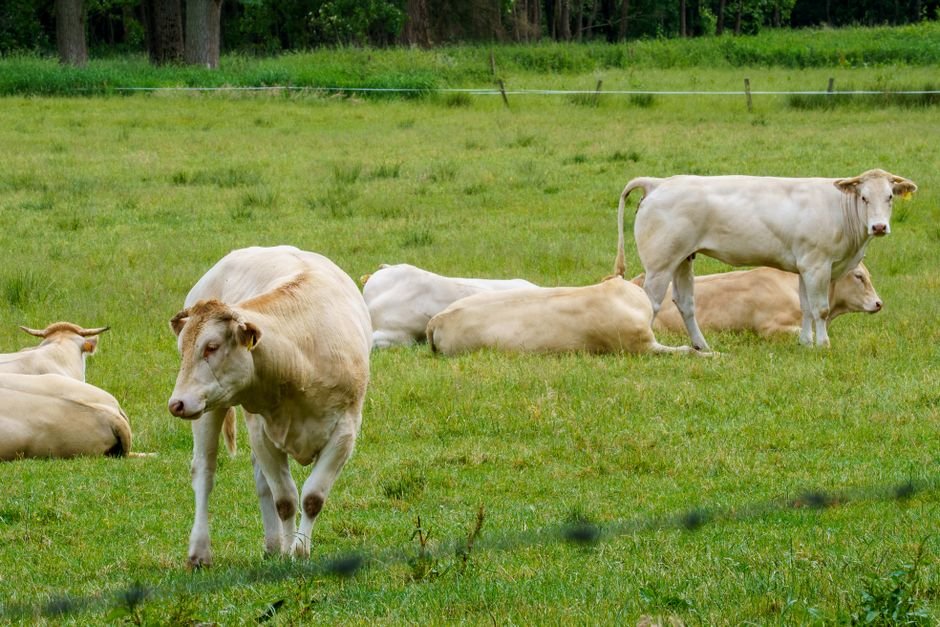
Introduction to Aging and Sexing Cattle
For cattle producers, knowing the age and sex of animals is fundamental. Accurate aging helps with herd management decisions, nutritional planning, and marketing, while precise sex identification is crucial for breeding programs. But how often should you age and sex your cattle? The answer depends on several factors including your operation’s size, purpose, and management style. Whether managing a large commercial feedlot or a small family-run cow-calf operation, tailoring your aging and sexing practices to fit your herd’s needs is essential for maximizing productivity and profitability.
Why Is Aging and Sexing Cattle Important?
Aging cattle accurately allows you to:
- Determine growth rates and development benchmarks: Understanding the age of your cattle enables you to track growth performance against industry standards. For instance, a 12-month-old heifer should weigh approximately 60% of her mature weight. Deviations might signal nutritional deficiencies or health issues.
- Establish culling schedules: By identifying older animals that have passed their peak production or breeding potential, you can make timely decisions to cull and replace them, thereby improving herd genetics and efficiency.
- Optimize feeding regimes: Nutritional needs vary with age. Younger cattle require diets high in protein for growth, while mature cows benefit from maintenance rations. Proper aging allows feed formulations tailored to these needs, reducing feed waste and costs.
- Manage breeding cycles effectively: Knowing exact ages ensures that heifers are bred at appropriate times—ideally between 13 and 15 months of age—to reduce calving difficulties and improve lifetime productivity.
Sexing cattle correctly ensures you can:
- Identify breeding stock versus market animals: Bulls, steers, and heifers have different purposes. Accurate sex identification prevents misplacement, such as keeping steers intended for market in the breeding herd.
- Maintain desired sex ratios in the herd: Maintaining a proper balance of bulls to cows is critical. Typically, one bull can service 25 to 30 cows. Too many bulls can lead to overbreeding and injuries, while too few can reduce conception rates.
- Prevent accidental breeding and inbreeding: Early sex identification helps separate males and females when desired, such as removing bull calves from heifers to avoid unplanned pregnancies.
- Meet market or sale requirements where sex matters: Different markets often have sex-based price differentials. For example, steers generally fetch higher prices than bulls or heifers in feedlots, so correct identification impacts marketing strategies and revenues.
Common Methods of Aging Cattle
Dental Examination
One of the most reliable ways to age cattle is through examining their teeth. Cattle have a predictable tooth eruption and wear pattern, which veterinarians and experienced producers can use to estimate age within a reasonable margin of error. The process involves inspecting the incisors in the lower jaw, as they provide the clearest indicators:
- Calves (Birth to 18 months): These animals have milk teeth, also called deciduous teeth, which are smaller and sharper. The presence of a full set of eight milk teeth indicates a calf younger than 18 months.
- 18-24 months: Around this age, the central pair of permanent incisors erupts, replacing milk teeth. This “two-year teeth” stage is a key reference point in aging.
- 2-5 years: Successive pairs of permanent incisors erupt progressively—first the second pair (four-year teeth), then the third, and finally the outermost pair by about five years of age. By examining which permanent incisors are in place, you can estimate an animal’s age more precisely.
- 5+ years: After full permanent incisor eruption, age estimation relies on wear patterns. However, wear varies widely depending on diet, environment, and management. For instance, cattle grazing on sandy pastures tend to show accelerated tooth wear, which can lead to underestimating age if not accounted for.
Producers should perform frequent dental checks every 6 to 12 months, especially for growing herds and breeding stock, to monitor dental health and accurately update age records. Regular exams also help identify dental problems like broken or worn teeth, which can affect feed intake and overall health.
Records and Physical Markers
When possible, birth records are the simplest and most accurate way to know an animal’s age. Many commercial operations use electronic identification (EID) tags or tattoos at birth linked to databases that track birthdates and other vital information. This minimizes errors and allows quick access to age data during management decisions.
For more on this, see our related guide: The Essential Guide to Understanding Cattle Registration Certificates.
In the absence of records, physical traits can provide useful age estimates, although they are less reliable than dental exams. Examples include:
- Horn development: In horned breeds, horn growth rings or size can help estimate age. For example, in some breeds, annual horn rings develop that correlate roughly with age, but environmental factors and genetics can influence horn growth.
- Body size and conformation: Younger cattle generally have more angular bodies and less muscling than mature animals. Observing muscle development around the shoulders, hindquarters, and neck can provide clues about age and maturity.
- Udder condition in females: Repeated calving leads to changes in udder size and texture. Older cows typically have larger, more pendulous udders with stretched teats, while heifers and younger cows have smaller, tighter udders.
While useful, these markers should be used in combination with other methods for best accuracy.

How Often Should You Age Your Cattle?
While continuous monitoring is ideal, practicality sets the pace. Here are guidelines based on herd type:
| Herd Type | Recommended Frequency | Reason |
|---|---|---|
| Breeding Herds | Every 6-12 months | Ensure accurate age for breeding maturity and culling decisions. For example, heifers should be assessed prior to breeding season to confirm they have reached appropriate size and age to conceive successfully. |
| Feedlot/Finishing Herds | At entry & exit | Confirm age for feeding regime and marketing. Age verification at entry helps determine the initial diet and growth targets, while exit assessment ensures animals meet market specifications. |
| Commercial Cow-Calf Operations | Annually, typically pre-breeding season | Plan breeding cycles and evaluate replacement heifers. Annual aging also supports decisions on which cows to retain or cull based on reproductive performance and longevity. |
| Small or Hobby Farms | Every 1-2 years or as needed | Less frequent but ensure records are kept. Smaller herds may rely more on visual inspection and records, with less frequent physical exams unless problems arise. |
Regular aging helps prevent unintended breeding of immature cattle and identifies animals that no longer meet production goals. For instance, identifying late-maturing heifers allows producers to delay breeding, improving conception rates and calf survival.
Common Methods of Sexing Cattle
Visual Inspection
The simplest method is visual inspection: males have a sheath and testicles (unless castrated), females have udders or teats, and calves show external genitalia. In bulls, the scrotum is visible beneath the tail, while steers—castrated males—may have a less prominent sheath but no testicles. Females display two teats on the udder and a vulva beneath the tail. However, in younger calves or when dealing with large herds, visual checks can be less reliable due to size, handling stress, or dirt obscuring anatomy.
To improve accuracy during visual sexing:
If you’re also looking into this, our article on How to Buy Your First Cow at Auction: A Complete Beginner’s Guide covers it in more detail.
- Use proper restraint techniques to minimize movement and stress.
- Clean the area if necessary to improve visibility.
- Perform checks in a well-lit environment, ideally during routine handling events.
Visual sexing is fast and cost-effective but requires trained personnel to reduce errors.
DNA Testing
In situations requiring absolute certainty, such as pedigree breeding programs, show cattle registration, or research, DNA sexing from hair follicles, blood samples, or tissue biopsies can be used. This method is approximately 99% accurate and can even identify genetic defects or parentage alongside sex. However, costs for DNA testing range from $15 to $50 per sample depending on the provider and turnaround time, making it less accessible for everyday commercial use.
Recent advances in technology have introduced on-farm PCR testing kits that can deliver results within hours, enabling producers to make quicker management decisions, although initial setup and training costs remain significant.
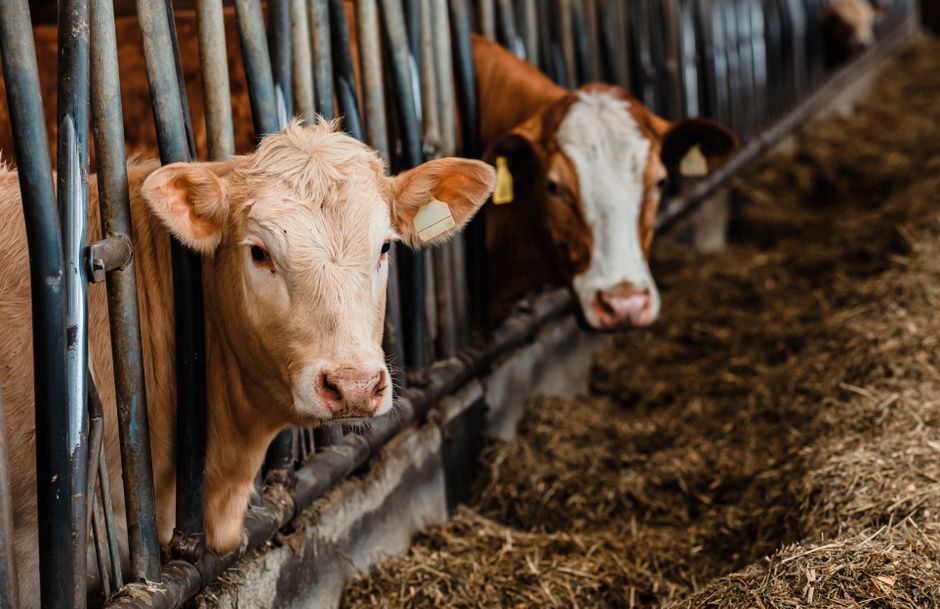
How Often Should You Sex Your Cattle?
Sexing frequency is often tied to key management events rather than scheduled intervals:
- Birth: Immediately after calving to identify and record calf sex. Early sexing helps with record keeping and enables sex-specific management such as bull calf castration before 3 months of age, which reduces stress and complications.
- Weaning: To separate males and females for feeding or sale. Often, producers sell steers and heifers separately to target different markets or feeding strategies.
- Pre-breeding: To confirm breeding herd composition. Ensuring only fertile bulls and intended females are present avoids accidental pregnancies and optimizes breeding success.
- Sale or Marketing: Ensuring animals are correctly classified and priced. Market specifications may require clear sex identification, particularly for purebred or registered cattle sales.
For breeding operations, sexing calves at birth and again at weaning is common practice to verify records and make management decisions such as which heifers to retain. For feedlots, sexing may be done once upon arrival to group animals appropriately and tailor feeding programs.
This ties in closely with Profit-Driven vs. Homestead Cattle Raising: Choosing the Right Path, worth a look if you want to go deeper.
Challenges in Aging and Sexing Cattle
Age Ambiguities in Older Cattle
As cattle age beyond 5 years, dental wear becomes less reliable due to diet and environmental factors impacting tooth erosion. Sandy soils, abrasive forages, and mineral deficiencies can accelerate tooth wear, making older animals appear older than they are if relying solely on dental patterns. Additionally, some cattle may lose teeth due to injury or disease, further complicating assessments.
Producers may need to rely more heavily on records, physical characteristics, or even veterinary input when determining the age of older animals. In some cases, radiographic imaging of teeth can assist but is generally impractical on-farm. Keeping accurate birth records from the start remains the best solution to avoid ambiguities later.
Sexing Difficulties in Young Calves
Very young calves sometimes pose difficulties due to underdeveloped genitalia or handling stress, which can cause misidentification. For example:
- In male calves, the scrotum may be small and less obvious during the first days of life.
- In some female calves, the urethral opening can be mistaken for a penis if not carefully examined.
Gentle restraint and repeated checks can reduce errors. It is also advisable to confirm sex at multiple stages, such as at birth and again during vaccination or branding, to catch any initial mistakes. Using a calm approach and minimizing calf handling time reduces stress and improves accuracy.
Practical Tips for Efficient Aging and Sexing
- Keep detailed records: Tag animals with birthdates, sex, and other relevant info to reduce frequent checks. Utilizing electronic identification systems linked to herd management software streamlines record-keeping and retrieval.
- Use consistent handling procedures: Designate specific times like vaccinations, weaning, or pregnancy checks for aging and sexing to minimize stress and labor. Combining tasks improves efficiency and animal welfare.
- Train farm staff: Ensure everyone is familiar with dental aging techniques and visual sex identification. Regular refresher training and access to reference materials (e.g., dental charts, photos) boost confidence and accuracy.
- Invest in equipment: Good lighting, chutes, and tagging tools improve accuracy and safety. Portable head gates and halters facilitate close examination while reducing animal movement and injury risk.
- Leverage veterinary expertise: When uncertainties arise, professional input can clarify age and sex, especially for breeding decisions and health management.
- Use technology: Consider smartphone apps designed for cattle aging that guide tooth examination or digital record-keeping tools that integrate with EID systems.
Summary Table: Recommended Frequency of Aging and Sexing Cattle
| Activity | Recommended Frequency | Purpose |
|---|---|---|
| Aging (Breeding Herd) | Every 6-12 months | Monitor maturity, culling, and breeding readiness |
| Aging (Commercial Herd) | Annually or at key events | Feeding and marketing decisions |
| Sexing (Birth) | Immediately after calving | Accurate record keeping and management |
| Sexing (Weaning) | At weaning | Separate feeding groups and market prep |
| Sexing (Pre-breeding) | Annually | Confirm herd breeding composition |