
Introduction
Managing cattle effectively requires a deep understanding of the roles that both age and sex play in herd productivity, reproduction, and overall health. However, many cattle breeders and farmers inadvertently make critical mistakes related to these factors, which can lead to decreased fertility rates, poor meat and milk production, and economic losses. This article explores the most common mistakes involving age and sex in cattle breeding and provides insights based on scientific data and real-world practices.
Understanding Age-Related Mistakes in Cattle
1. Breeding Heifers Too Early
One of the most pervasive errors is allowing heifers (female cattle that have not yet calved) to breed before they reach the appropriate physiological maturity. The recommended breeding age for most dairy and beef heifers is around 15 months, aiming for first calving at 24 months. However, breeding heifers too early, often before 12 months, results in underdeveloped reproductive tracts and lower conception rates.
Studies have shown that heifers bred before 12 months have conception rates 10-20% lower compared to those bred at the optimal age. Additionally, calves from early-bred heifers often have lower birth weights, increasing neonatal mortality risk.
Moreover, early breeding can affect the long-term growth performance of the heifer herself. Heifers bred too early frequently fail to reach adequate body condition scores (BCS), which impacts not only their calving ease but also milk production in their first lactation. Research conducted by the University of Nebraska found that early-bred heifers produced up to 15% less milk in the first lactation than those bred at recommended ages.
In addition, early breeding can cause dystocia (difficult calving), which is a leading cause of calf mortality and can severely affect the heifer’s future reproductive performance. Calving difficulties have been reported to increase by as much as 30% in heifers bred before 12 months, often necessitating veterinary intervention and increasing management costs.
To mitigate these risks, producers should monitor growth rates closely through regular weighing and body condition scoring. Heifers should ideally reach 60-65% of their mature body weight before breeding to ensure reproductive tract maturity and adequate pelvic size for calving. Using growth-promoting nutrition plans during the pre-breeding period can help achieve these targets without excessive fat deposition, which can negatively affect fertility.
2. Keeping Cows Too Long Without Productivity
Cows past their prime reproductive or productive age can become costly to maintain. For example, dairy cows generally have peak milk production between 3 and 6 years of age. Beyond 8 years, milk yield typically declines, and fertility rates drop. Retaining cows beyond this point without culling reduces herd efficiency and increases feed costs per unit of milk or meat produced.
Conversely, prematurely culling cows before they reach peak productivity wastes genetic potential and investment. Deciding the optimal culling age requires careful record-keeping and monitoring of reproductive performance.
Economic analyses demonstrate that keeping unproductive cows can increase feed costs by up to 25% per unit of milk produced, as maintenance energy requirements become disproportionate to output. In beef herds, aging cows often experience longer calving intervals and decreased weaning weights, directly impacting profitability.
Additionally, older cows are more susceptible to reproductive disorders such as cystic ovaries, uterine infections, and retained placentas, which further reduce fertility and increase veterinary expenses. Studies indicate that cows older than 8 years have a 15-20% higher incidence of reproductive disorders compared to cows aged 3-6 years.
Implementing a culling strategy based on reproductive performance, milk yield records, and health status can optimize herd turnover. Some producers use measures such as 305-day lactation yield, somatic cell count trends, and pregnancy rates to determine culling candidates. Transitioning to automated data collection systems can improve accuracy and decision-making.
For more on this, see our related guide: Mastering Cattle Behavior and Handling for Safer, More Efficient Farming.
3. Ignoring Age Differences in Bulls
Bulls reach sexual maturity around 12 months but generally don’t reach full fertility and peak breeding capacity until 2-3 years of age. Using very young bulls (less than 18 months) for natural service often results in poor conception rates due to physical immaturity and inadequate libido.
On the other hand, older bulls (over 7-8 years) may experience declining semen quality, reduced mating frequency, and increased risk of injuries. Regular fertility testing and replacement planning are crucial.
Research from the American Association of Bovine Practitioners highlights that young bulls under 18 months have 25-30% lower breeding soundness examination (BSE) pass rates compared to mature bulls. Libido assessments also reveal that younger bulls exhibit shorter and less frequent mating attempts, leading to decreased herd pregnancy rates.

Conversely, bulls older than 8 years can show a decline in sperm motility and concentration, with semen quality decreasing by up to 15% annually after the prime age range. Additionally, older bulls are more prone to lameness and injuries due to cumulative wear and tear, reducing their ability to service cows effectively.
To optimize herd fertility, producers should conduct regular BSEs at least annually, including semen morphology, motility, and scrotal circumference measurements. Libido tests during the breeding season offer additional insight into bull readiness. Managing bull age structure within the herd by rotating younger bulls with mature counterparts can help maintain consistent conception rates and reduce overuse of individual bulls.
Common Sex-Related Mistakes in Cattle Management
1. Mismanagement of Bull-to-Cow Ratios
A frequent mistake is inadequate bull-to-cow ratios during breeding seasons. Excessively high ratios overwork bulls, causing fatigue and suboptimal mating success. Too few bulls can leave many cows unbred, reducing calving rates.
Recommended ratios vary by breed and management system but generally range from 1 bull per 20-30 cows in pasture systems. Inappropriate ratios have been linked to up to a 15% drop in pregnancy rates.
In situations involving large pastures or challenging terrain, bulls may fatigue faster, necessitating lower bull-to-cow ratios (e.g., 1:15). Conversely, in confined or intensively managed systems, ratios can sometimes be higher due to easier monitoring and intervention.
Moreover, the physical condition and fertility status of bulls greatly influence the effective ratio. A young, vigorous bull may service more cows successfully than an older or subfertile bull. Therefore, blanket recommendations should be adjusted based on bull health assessments and environmental conditions.
A case study from a midsize beef operation in Texas demonstrated that reducing the bull-to-cow ratio from 1:35 to 1:25 improved overall pregnancy rates from 80% to 92%, translating into a significant financial gain by increasing calf crop size.
If you’re also looking into this, our article on A Year of Raising Your First Cattle: From Arrival to Year-End Planning covers it in more detail.
2. Overlooking Sex-Specific Nutritional Needs
Male and female cattle have different growth rates and nutritional demands, particularly during early development. For example, bulls grow faster and require more protein and energy to achieve optimal reproductive development. Feeding bulls as though they were females can stunt growth and reduce future fertility.
Similarly, pregnant or lactating cows require nutritional adjustments to support fetal growth and milk production. Ignoring these sex-based nutritional differences leads to lower reproductive success and herd productivity.
For instance, bulls in their first year require diets containing 14-16% crude protein to support muscle and reproductive organ development, whereas heifers at similar ages may require slightly less, around 12-14%, to avoid excessive fat deposition that can impair fertility. Energy density is also critical for bulls to develop adequate libido and sperm quality.
During pregnancy, cows’ energy and protein needs increase progressively, peaking in the last trimester as fetal growth accelerates. Lactating cows require even more nutrient-dense diets to maintain milk volume and quality. Deficiencies can lead to poor calf birth weights, delayed return to estrus, and reduced milk output.
Failing to separate or manage feeding groups according to sex and physiological status often results in some animals being underfed while others are overfed, leading to inefficient resource use and compromised herd performance.
3. Failing to Utilize Sexed Semen Effectively
Advances in reproductive technology, such as sexed semen, allow producers to select offspring sex, typically favoring female calves in dairy operations. However, many producers misuse sexed semen by applying it indiscriminately or without considering its lower conception rates (typically 10-15% lower than conventional semen).
Optimal use involves breeding heifers with sexed semen during synchronized ovulation protocols to maximize success. Misapplication wastes resources and hampers genetic progress.
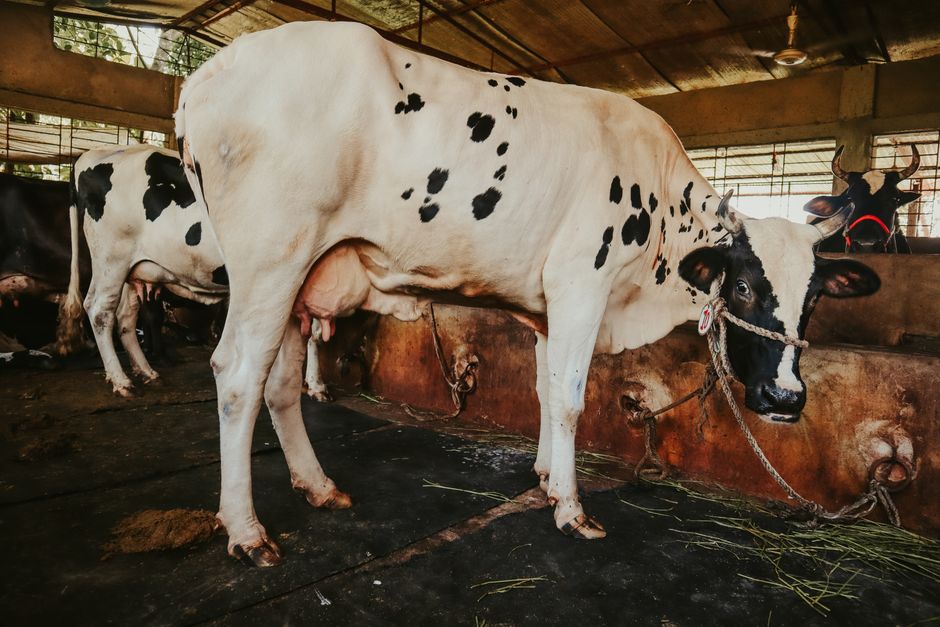
Sexed semen technology relies on sorting X and Y chromosome-bearing sperm, which inherently reduces sperm count per dose and affects motility. Consequently, conception rates are lower, especially when used on cows with variable estrus detection or in natural service programs.
Field data has shown that pregnancy rates with sexed semen average around 60-65%, compared to 75-80% with conventional semen in well-managed herds. Therefore, indiscriminate use on mature cows without synchronization or heat detection can result in economic losses due to repeat breeding.
Targeting sexed semen use on heifers, which generally have better reproductive efficiency, especially when combined with timed artificial insemination (TAI) protocols like Ovsynch, can raise conception rates above 70%. Additionally, limiting the use of sexed semen to genetically superior bulls helps accelerate herd improvement.
This ties in closely with The Essential Guide to Understanding Cattle Registration Certificates, worth a look if you want to go deeper.
Comparative Impact of Age and Sex Mistakes on Herd Performance
| Mistake Type | Primary Cause | Consequences | Example Data/Impact | Corrective Measure |
|---|---|---|---|---|
| Breeding Heifers Too Early | Physiological immaturity | Lower conception rates, weak calves | 10-20% reduced conception rates; 30% increase in dystocia | Breed at 15 months with body weight ~65% mature weight |
| Retaining Old Cows Too Long | Failure to cull unproductive animals | Reduced milk yield, higher feed costs | 20% decline in milk production after 8 years; 15-20% higher reproductive disorder incidence | Monitor productivity, cull after peak years |
| Improper Bull-to-Cow Ratio | Inadequate herd breeding management | Lower pregnancy rates, bull exhaustion | Up to 15% drop in pregnancy rates; improved to 92% with adjusted ratios | Maintain 1:20–30 bull-to-cow ratio, adjusted by terrain and bull condition |
| Ignoring Sex-Specific Nutrition | Generic feeding regimes | Suboptimal growth and fertility | Bulls with poor nutrition may reduce semen quality by 10%; impaired lactation in cows | Adjust feed for sex, stage of growth/production |
| Misusing Sexed Semen | Applying sexed semen without protocols | Lower conception rates, wasted cost | Conception rates 10-15% lower than conventional semen | Use with heifers and synchronized breeding |
Additional Mistakes Related to Age and Sex
Neglecting Heifer Growth Benchmarks
Heifers need to reach at least 60-65% of mature body weight before breeding. A common error is neglecting growth records, which leads to breeding underweight heifers, resulting in calving difficulties and lower lifetime productivity.
For example, in Angus beef operations, failure to meet growth benchmarks has been linked to a 25% increase in calving complications and a 10% reduction in first lactation milk yield. Regular weighing and body condition scoring at 30-60 day intervals during the pre-breeding phase can help producers adjust nutrition promptly.
Use of growth-promoting feed additives, balanced mineral supplementation, and pasture management to optimize forage quality are critical components to meet these benchmarks. Additionally, genetic factors influencing growth rates should be considered when selecting breeding stock to ensure compatibility with management goals.
Ignoring Behavioral Differences Between Sexes
Bulls and steers (castrated males) show different behaviors affecting management and housing needs. Overcrowding bulls with steers or cows without proper separation can lead to injuries and stress, impacting fertility and welfare.
Bulls naturally exhibit more aggressive and territorial behavior, especially during the breeding season. Housing bulls with steers can trigger fights, resulting in lameness, bruising, and even fractures. Stress from overcrowding also suppresses immune function and reduces libido, directly impacting breeding success.
Steers tend to have more docile dispositions but require separate feeding strategies due to differing nutritional needs compared to bulls and cows. Providing adequate space, environmental enrichment, and separate paddocks or pens reduces injury risks and improves overall welfare.
Furthermore, understanding estrous behavior in females is essential for timing breeding. Females display more subtle estrus signs compared to other species, and misinterpreting or overlooking these can lead to missed breeding opportunities. Training staff to recognize sex-specific behaviors and providing appropriate facilities can greatly enhance herd reproductive efficiency.
Practical Recommendations for Avoiding Mistakes
- Maintain Detailed Records: Track age, breeding dates, calving intervals, and reproductive performance for both cows and bulls. Implementing digital record-keeping systems allows for real-time analysis and decision-making.
- Implement Age-Appropriate Breeding: Ensure heifers meet body weight and maturity standards before first breeding. Utilize growth charts, regular weight measurements, and body condition scoring to guide breeding decisions.
- Manage Bull Health: Regularly test semen quality and replace bulls after fertility declines. Schedule annual breeding soundness exams, libido assessments, and monitor bull behavior during breeding seasons.
- Balance Bull-to-Cow Ratios: Adjust ratios according to pasture size, breed, and management to avoid overuse. Consider environmental factors and bull condition to determine optimal ratios.
- Tailor Nutrition: Develop feeding programs that account for sex, age, and reproductive status. Separate feeding groups where possible and adjust protein and energy levels to optimize growth and reproductive performance.
- Use Reproductive Technologies Wisely: Apply sexed semen selectively and in combination with synchronization protocols. Train staff thoroughly on timing and handling of sexed semen to maximize conception rates.
- Consider Behavioral Management: Provide separate housing for bulls, steers, and cows as needed. Train personnel to recognize sex-specific behaviors and estrus signs for improved management.
Conclusion
Age and sex are fundamental factors deeply intertwined with the success of cattle breeding programs. Misunderstanding or neglecting these factors leads to tangible losses in fertility, productivity, and animal welfare. By recognizing common mistakes such as premature breeding, poor bull management, inadequate nutrition, and improper use of reproductive technologies, producers can optimize herd performance and profitability. Awareness, accurate record-keeping, and science-based management practices are essential to navigating these challenges effectively.
Ultimately, integrating age- and sex-specific insights into daily herd management not only improves reproductive outcomes but also enhances animal welfare and sustainability. As the cattle industry continues to evolve with technological advances and increasing productivity demands, attention to these biological factors will remain vital for competitive and responsible production.