
Introduction: Why Heat Tolerance Matters for South Texas Cattle
South Texas is renowned for its long, hot summers where temperatures commonly soar above 95°F, often accompanied by high humidity. The region’s climate not only challenges livestock with heat but also with variable rainfall and frequent drought conditions. For cattle ranchers, this environment poses unique challenges: heat stress can reduce weight gain, fertility, and overall herd health, directly impacting profitability. Heat stress in cattle is linked to decreased feed intake, lower reproductive efficiency, weakened immune response, and increased susceptibility to diseases. These effects can culminate in substantial economic losses, particularly in extensive grazing systems common in South Texas.
Choosing cattle breeds that can thrive under these conditions is essential for sustainable ranch management. Heat-tolerant breeds exhibit physiological and behavioral adaptations that allow them to maintain productivity even during peak summer heat. These adaptations include efficient thermoregulation, resistance to parasites that thrive in warm climates, and metabolic traits that reduce heat load.
This article explores 32 of the best heat-tolerant cattle breeds for South Texas, focusing on breeds that combine resilience, productivity, and market value. Whether you’re a seasoned rancher or starting a new operation, understanding these options will help you optimize your herd’s performance in this demanding climate. Additionally, we examine crossbreeding strategies and management practices designed to mitigate heat stress and maximize herd health and profitability.
Top 32 Heat-Tolerant Cattle Breeds for South Texas
Below is a detailed breakdown of 32 cattle breeds that have demonstrated superior adaptability to the heat and humidity typical of South Texas. These breeds vary in origin, size, coat characteristics, and production traits, but all share a strong genetic predisposition for heat tolerance. Many of these breeds have been specifically developed or selected to thrive in subtropical to tropical environments, enabling ranchers to maintain consistent production levels despite climatic challenges.
For more on this, see our related guide: Essential Cattle Terminology: A Beginner’s Guide to Understanding and Managing Your Herd.
| Breed | Origin | Heat Adaptation Traits | Primary Use | Average Weight (lbs) | Comments |
|---|---|---|---|---|---|
| Brahman | India (Zebu) | Loose skin, large sweat glands, short hair | Beef | 1000-1400 | Industry standard for heat tolerance in US Southern states; also highly resistant to ticks and flies, with a capacity to thrive on lower-quality forage. |
| Brangus | USA (Brahman x Angus) | Heat tolerance with better carcass quality | Beef | 900-1200 | Popular in South Texas for adaptable beef production; exhibits hybrid vigor resulting in improved fertility and mothering ability under heat stress. |
| Santa Gertrudis | USA (Brahman x Shorthorn) | Thick skin, heat resistant | Beef | 1100-1400 | Developed on King Ranch, ideal for South Texas; known for longevity, good temperament, and ability to maintain condition on poor pasture. |
| Red Angus | USA | Red coat absorbs less heat than black | Beef | 1000-1300 | Moderate heat tolerance, better fertility in heat; red pigmentation provides some protection from sunburn and heat load compared to black Angus. |
| Gelbvieh | Germany | Efficient heat dissipation, moderate coat | Beef | 1100-1400 | Good growth rates, adaptable to Texas climate; known for early maturity and strong maternal instincts, aiding herd sustainability in heat-stressed environments. |
| Senepol | Virgin Islands (N’Dama x Red Poll) | Short coat, high heat tolerance | Beef | 900-1200 | Tick and heat resistant, ideal for subtropical climates; demonstrates outstanding fertility under heat stress and excellent feed efficiency. |
| Beefmaster | USA (Brahman, Hereford, Shorthorn) | Heat tolerance, disease resistance | Beef | 1000-1300 | Balanced for fertility, weight gain, and adaptability; known for strong mothering ability and longevity, making it a versatile choice for South Texas ranches. |
| Texas Longhorn | USA (Texas) | Heat resistant, drought tolerant | Beef | 800-1200 | Hardy, low maintenance with lean beef; low input requirements and excellent calving ease add to its appeal in harsh, arid environments. |
| Charbray | Brazil (Charolais x Brahman) | Heat tolerant with high growth | Beef | 1100-1500 | High muscle mass, good for crossbreeding; combines Charolais’ rapid growth with Brahman heat tolerance, producing cattle suited for feedlots and pasture-based systems. |
| Corriente | Mexico/USA | Thin coat, heat and parasite resistant | Beef/Rodeo | 600-900 | Smaller breed, very hardy and low input; widely used for rodeo and ranch work, requiring minimal maintenance and thriving on sparse forage. |
| Red Brahman | India | Same heat traits as Brahman but red coat | Beef | 1000-1400 | Red coat may reduce heat load in intense sun; often preferred in high UV environments to minimize skin problems. |
| Barzona | Arizona, USA | Heat and drought tolerant | Beef | 1000-1300 | Developed for southwestern climates, great for South Texas; known for ability to thrive on low-quality forage and resist common parasites. |
| Blue Grey | USA (Shorthorn x Galloway) | Moderate heat tolerance | Beef | 1000-1300 | Thick coat but adaptable in warmer climates; excels in marbling and carcass quality, making it valuable for niche beef markets. |
| Romagnola | Italy | Short, light-colored coat | Beef | 1200-1600 | Good heat tolerance, fast growth; noted for docility, ease of calving, and adaptability to various grazing systems. |
| Santa Cruz | South Texas | Heat and tick resistant | Beef | 900-1200 | Local breed developed for South Texas conditions; benefits from decades of selection emphasizing fertility and survivability in heat and parasite pressure. |
| Nelore | Brazil (India origin) | High heat tolerance | Beef | 1000-1400 | Widely used in tropical beef production; prized for its adaptability to heat, drought, and resistance to ticks and other ectoparasites. |
| Wagyu | Japan | Some heat tolerance, better in shaded environments | Beef | 900-1200 | Heat-sensitive compared to Zebu types, shading recommended; offers premium beef quality, so heat management is essential for profitability. |
| Black Baldy | USA (Hereford x Angus) | Moderate heat tolerance | Beef | 900-1200 | Good hybrid vigor, adaptable to warm climates; commonly used in commercial operations for balanced growth and carcass traits. |
| Texas Dall | USA (Dall Sheep cross) | Heat and drought tolerant | Beef | 800-1100 | Rare, hardy breed suited for harsh climates; benefits from exceptional feed efficiency and resilience in marginal pastures. |
| Chianina | Italy | Light-colored coat, moderate heat tolerance | Beef | 1300-1800 | Large frame, used in crossbreeding programs; used to improve size and growth rates while maintaining moderate heat adaptability. |
| Red Poll | England | Short coat, moderate heat tolerance | Beef/Dairy | 900-1200 | Dual-purpose breed, good temperament; adaptable to extensive grazing and has some resistance to heat-related fertility challenges. |
| Florida Cracker | USA (Florida) | Excellent heat and parasite resistance | Beef | 700-900 | Heritage breed adapted to hot, humid climates; prized for longevity, low maintenance, and ability to thrive under minimal inputs. |
| Pinzgauer | Austria | Short coat, moderate heat tolerance | Beef/Dairy | 1100-1400 | Good growth rates, adaptable in warmer regions; noted for their hardiness and ease of calving. |
| Braford | USA (Brahman x Hereford) | Heat and tick resistance | Beef | 1000-1300 | Common in Texas, strong hybrid vigor; combines Brahman’s heat tolerance with Hereford’s meat quality and docility. |
| Angus | Scotland | Lower heat tolerance but manageable | Beef | 900-1200 | Black coat absorbs heat; requires shade and water management; excels in marbling and market acceptance despite heat challenges. |
| Hereford | England | Moderate heat tolerance | Beef | 1100-1400 | Adapted to many climates but needs heat management; known for docility, hardiness, and good grazing efficiency. |
| Texas Longhorn | USA | Excellent heat and drought tolerance | Beef | 800-1200 | Historic breed known for toughness; low maintenance and disease resistance make it an excellent choice for extensive ranches. |
| Senepol | Caribbean | Short coat, heat and tick resistant | Beef | 900-1200 | Increasingly popular in Southern US climates; noted for docility and maternal traits alongside heat tolerance. |
| Texas Longhorn | USA | High heat tolerance | Beef | 800-1200 | Known for low maintenance in harsh conditions; valued for genetic diversity and adaptability. |
| Brangus | USA | Good heat tolerance | Beef | 900-1200 | Popular commercial breed in Texas; combines fertility, heat tolerance, and carcass quality. |
| Braford | USA | Strong heat and parasite resistance | Beef | 1000-1300 | Widely used in South Texas ranches; adaptable and productive under heat stress. |
| Beefmaster | USA | Heat tolerant | Beef | 1000-1300 | Balanced breed for South Texas heat; excellent maternal traits and longevity. |
Key Characteristics of Heat-Tolerant Cattle
When selecting cattle for South Texas, it’s important to understand what traits contribute to heat tolerance. These characteristics are often the product of natural selection in tropical and subtropical environments, and breeders have refined them over generations to optimize animal well-being and productivity under heat stress.
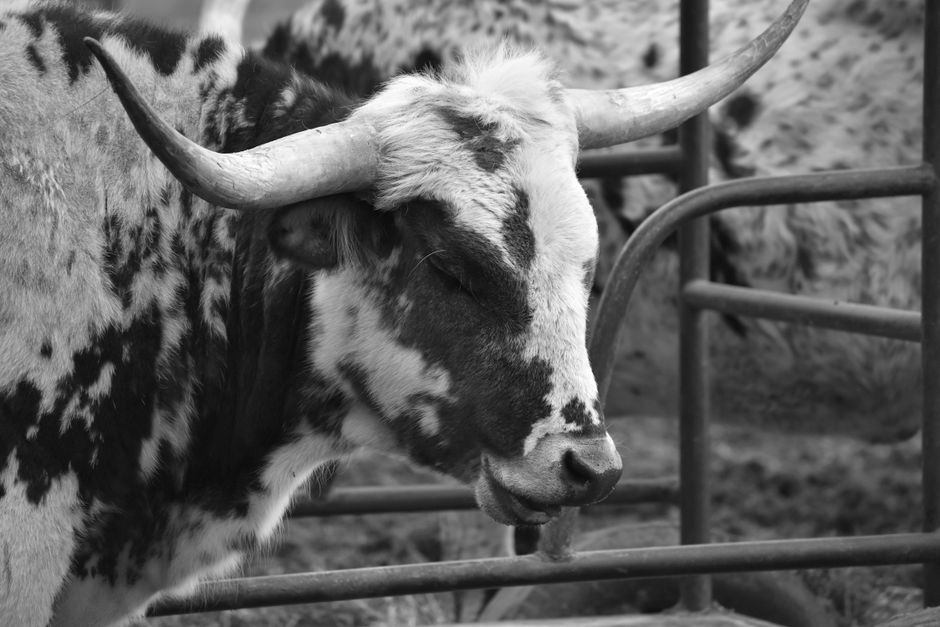
- Coat Color and Type: Lighter-colored coats such as reds, whites, and grays absorb less solar radiation compared to darker coats, therefore reducing heat stress. Studies have shown that cattle with white or light-colored coats can maintain lower body temperatures and experience less heat strain under direct sun. Additionally, breeds with short, sleek hair coats facilitate heat dissipation by allowing more efficient convective and evaporative cooling. Some breeds also molt their coats seasonally, shedding heavier winter hair to adapt to summer heat.
- Skin and Sweat Glands: Breeds like Brahman have loose, pendulous skin, which increases surface area for heat dissipation. Their large sweat glands enable increased perspiration rates, a primary mechanism for cooling. The skin’s thickness and pigmentation also affect susceptibility to sunburn and heat absorption. For example, red-coated Brahman variants can reduce skin damage from UV radiation.
- Parasite and Disease Resistance: Heat often coincides with higher parasite loads, including ticks, flies, and flies that transmit diseases such as anaplasmosis and babesiosis. Breeds with natural resistances reduce the need for chemical treatments, lowering costs and minimizing stress. The Brahman and its composites, as well as Senepol and Florida Cracker breeds, are noted for their innate resistance. This resilience to parasites helps maintain energy and nutrient reserves, supporting growth and reproduction even in harsh environments.
- Adapted Behavior: Behavioral adaptations contribute significantly to heat tolerance. Some breeds exhibit shade-seeking behavior, altering grazing patterns to cooler parts of the day, such as early morning or late evening. Others display reduced activity during the hottest hours to conserve energy and minimize heat production. Understanding breed-specific grazing and resting behaviors can aid in designing pasture and shade management to optimize cattle comfort.
- Metabolic Efficiency: Heat-tolerant breeds often have metabolic adaptations that reduce internal heat production. For instance, they may convert feed more efficiently into body mass and maintain better energy balance under heat stress, preventing weight loss and supporting reproduction.
- Reproductive Adaptations: Heat stress adversely affects fertility in many cattle breeds by reducing conception rates and increasing embryonic loss. Heat-tolerant breeds often maintain higher fertility rates in hot climates, attributed to better heat dissipation, hormonal stability, and lower metabolic stress.
Crossbreeding Strategies for South Texas Heat
Many South Texas ranchers combine heat tolerance with superior meat quality by crossbreeding heat-adapted breeds with high-performance European breeds. This strategy leverages heterosis (hybrid vigor) to optimize growth, fertility, and carcass traits while maintaining resilience to heat and parasites. Effective crossbreeding programs balance the trade-offs between heat tolerance and meat quality traits such as marbling, tenderness, and growth rate.
- Brangus (Brahman x Angus): Combines Brahman’s heat tolerance and parasite resistance with Angus’s renowned marbling and meat quality. This breed exhibits improved birth weights, fertility, and carcass traits, making it a commercial favorite in South Texas for producing premium beef under challenging environmental conditions. Research shows Brangus calves maintain better growth rates during summer compared to pure Angus.
- Beefmaster (Brahman, Hereford, Shorthorn): Designed for heat tolerance, fertility, and growth, Beefmaster cattle also demonstrate strong mothering ability. The breed was developed to perform well in the southern U.S. and has proven its adaptability to heat, drought, and a range of forage types. Beefmaster cattle maintain reproductive efficiency during heat stress better than many European breeds.
- Braford (Brahman x Hereford): Excels in tick resistance and beef quality, with a strong constitution to withstand heat and parasite pressure. Brafords are highly valued for their hardiness and balanced growth rates, maintaining body condition during hot months while producing quality beef.
- Charbray (Charolais x Brahman): A large-frame breed combining the rapid growth and muscle mass of Charolais with Brahman’s heat resilience. Charbray crosses often produce calves with good feed efficiency and carcass yield, suitable for both pasture and feedlot finishing systems in South Texas.
Crossbreeding offers flexibility, allowing producers to tailor herds to specific market goals and environmental conditions. For example, incorporating Brahman genetics into local herds can improve heat and parasite resistance, while adding Angus or Hereford genetics enhances meat quality and growth. Strategic rotational crossbreeding programs also help maintain genetic diversity and reduce inbreeding depression, supporting long-term herd health.
If you’re also looking into this, our article on Mastering Cattle Behavior and Handling for Safer, More Efficient Farming covers it in more detail.
Additional Ranch Management Tips for Heat Stress
Even with heat-tolerant breeds, proactive management improves outcomes. Ranchers who blend genetic resilience with environmental and nutritional strategies can significantly reduce heat-related production losses.
- Shade and Water: Provide ample shade structures or natural canopy to reduce radiant heat exposure. Trees, shade cloth, or constructed shelters help cattle avoid direct sunlight during peak heat hours. Additionally, ensure unlimited access to clean, cool water – cattle may increase water intake by 30-50% during hot weather, so supplying sufficient water points is critical to prevent dehydration and maintain feed intake.
- Feeding Timing: Feed cattle during cooler parts of the day such as early morning or late evening to encourage feed intake. Heat stress reduces appetite, so timing feeding to avoid midday heat improves nutrient consumption and weight gain. Consider providing highly digestible feed to reduce metabolic heat production associated with digestion.
- Parasite Control: Regular parasite treatments remain important, even with resistant breeds. Integrated pest management, including pasture rotation and biological controls, can complement chemical treatments and reduce resistance development. Managing parasite loads minimizes stress and supports immune health during heat periods.
- Monitoring: Keep an eye for signs of heat stress such as panting, increased respiration rate, excessive salivation, lethargy, reduced feed intake, and seeking shade or water excessively. Early detection allows prompt intervention, such as moving cattle to cooler areas or providing electrolytes. Use body condition scoring and weight monitoring to detect subtle impacts of heat stress over time.
- Genetic Selection: Within breeds, select animals that have demonstrated superior heat tolerance and reproductive performance under South Texas conditions. Recording performance data and culling less heat-tolerant individuals improves herd resilience over generations.
- Pasture Management: Maintaining healthy pastures with diverse forage species improves grazing opportunities and reduces nutritional stress. Deep-rooted, drought-resistant grasses can provide more consistent feed availability during dry, hot periods.
Conclusion: Matching Breed to South Texas Conditions
The 32 breeds listed here represent the best options for enduring the challenges posed by South Texas’s heat and humidity. Brahman and its composites dominate due to their innate physiological advantages, but newer composite breeds and heritage cattle also offer unique benefits for particular ranch goals. Selecting the appropriate breed or crossbreed depends on balancing heat tolerance with desired production traits such as growth rate, carcass quality, and reproductive efficiency.
This ties in closely with The Essential Guide to Understanding Cattle Registration Certificates, worth a look if you want to go deeper.
Ultimately, the best choice depends on your specific ranch operation size, market focus (beef quality vs. quantity), and available resources for herd management. For large-scale commercial operations, composite breeds like Brangus, Beefmaster, and Braford offer reliable performance and market acceptance. Smaller ranches with niche markets may find value in heritage breeds like Florida Cracker or Texas Longhorn for their low maintenance and hardiness.
Combining breed selection with smart ranch practices — including shade provision, water management, parasite control, and strategic feeding — will ensure your herd thrives year-round in South Texas’s demanding climate. Investing in heat-tolerant genetics not only safeguards animal welfare but also promotes sustainable ranch economics by reducing losses linked to heat stress and maximizing production efficiency.