
Introduction
Identification of cattle is an essential part of managing a small cattle farm. Whether for traceability, disease control, or compliance with local regulations, every head of cattle needs to be properly identified. However, for small-scale cattle farmers, understanding the costs involved can be challenging and sometimes surprising. This article breaks down the typical identification costs for a small cattle farm, helping you budget accurately and make informed decisions.
Why Identification Costs Matter for Small Cattle Farms
While large commercial operations might benefit from economies of scale, small cattle farms often face higher per-head costs. Identification is not just a regulatory necessity—it’s a management tool that impacts record keeping, animal health monitoring, breeding programs, and market access. For example, proper identification allows you to quickly track vaccination histories, monitor calving outcomes, and maintain accurate breeding records, all of which are critical for herd health and productivity. Additionally, many premium markets and buyers now require certified traceability, making proper identification a potential revenue enhancer.
Failing to budget correctly for identification can lead to financial surprises, such as unplanned replacements, fines for non-compliance, or even restricted market access. Knowing the exact costs helps you project your farm’s financial needs and avoid unexpected expenses, especially since identification is an ongoing expense, not a one-time cost. This foresight enables small-scale producers to integrate identification-related expenses into their overall farm business plan.
Common Methods of Cattle Identification
Before diving into costs, it’s important to understand the common identification methods used in cattle farming:
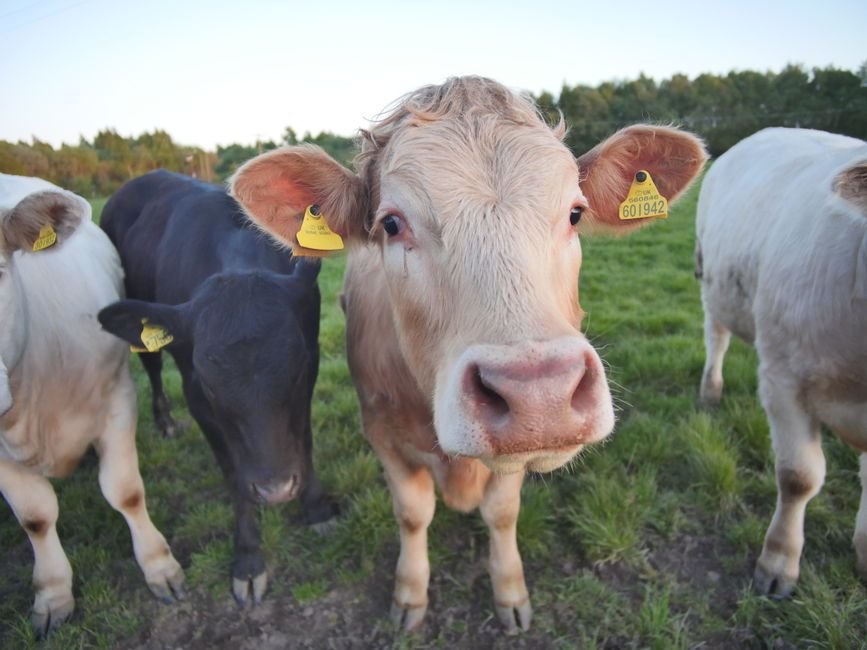
- Ear Tags: Plastic or metal tags clipped onto the ear, usually printed with numbers or barcodes. Plastic tags are widely used due to their low cost and ease of application, but they may not be as durable in harsh environments. Metal tags offer greater durability but at a higher price point.
- Branding: Hot-iron or freeze branding, a permanent mark on the animal’s hide. Hot-iron branding is traditional but can cause more pain and stress to the animal, whereas freeze branding, which uses liquid nitrogen, is considered more humane and produces a hairless white mark. Branding is often used for ranch identification and theft deterrence.
- RFID Tags: Electronic identification tags that can be scanned for instant data retrieval. These tags can store more information than visual tags and are essential for integrated herd management software. RFID tags improve accuracy in record keeping, especially in large herds, and have been shown in studies to reduce errors in vaccination and feeding records by up to 30%.
- Tattoos: Ink marks inside the ear, less common but still used in some regions. Tattoos are permanent and cost-effective but require close inspection and can be hard to read as animals age or the ink fades.
- Bolus or Microchip: Implanted devices for electronic ID, more expensive and less common on small farms. Boluses are placed in the rumen and transmit data when scanned externally, while microchips are implanted subcutaneously. These methods reduce the risk of loss or tampering but require scanning equipment and skilled application.
In addition to these, some farms combine multiple methods, such as using ear tags along with tattoos or RFID, to ensure redundancy and comply with different regulatory requirements.
Cost Factors Affecting Cattle Identification
Several variables influence the overall cost of identification for a small cattle operation:
- Number of Animals: The more cattle you have, the higher the total cost, though unit costs can sometimes decrease due to bulk purchasing discounts. For example, some suppliers offer a 10-15% discount if you order over 100 tags. Conversely, very small herds may pay relatively more per head because of minimum order fees.
- Identification Method: Ear tags are typically cheapest; RFID and microchips are more expensive but offer enhanced management benefits. Choosing the method depends on your farm’s goals—whether focusing on cost efficiency or long-term traceability and data management.
- Labor: The cost to apply tags or brands varies depending on who does the work, the cattle’s temperament, and equipment used. For instance, tagging can be faster with good handling facilities and trained personnel, reducing labor costs. Stressful procedures may require more time, increasing expenses.
- Registration Fees: Some jurisdictions require official registration of animal IDs, which can add administrative costs. These fees support traceability programs and disease control efforts but can vary widely—from no charge in some areas to up to $5 per animal in others.
- Replacement and Maintenance: Tags can fall off or become unreadable, requiring replacements. Environmental factors such as humidity, mud, and vegetation can accelerate wear and tear. Additionally, certain breeds with thicker ears may increase tag loss rates.
- Equipment Costs: For electronic identification methods, initial investment in readers or scanners can be significant, but these are one-time costs that pay off over time through improved herd management.
Understanding these factors allows small farmers to plan effectively and select the best balance between cost and functionality.
For more on this, see our related guide: Mastering Cattle Behavior and Handling for Safer, More Efficient Farming.
Detailed Cost Breakdown for Small Cattle Farms
Below is a breakdown of typical costs you can expect when identifying cattle on a small farm of around 50 animals. Prices are approximate and can vary regionally and by supplier.
| Identification Type | Unit Cost | Labor/Application Cost per Animal | Additional Fees | Estimated Total Cost for 50 Cattle |
|---|---|---|---|---|
| Plastic Visual Ear Tag | $1.00 – $2.50 | $0.50 – $1.00 | None or minimal | $75 – $175 |
| Metal Ear Tag | $3.00 – $5.00 | $0.50 – $1.00 | None | $175 – $300 |
| RFID Tag | $5.00 – $10.00 | $1.00 – $2.00 | Reader device: $500 – $1,000 (one-time) | $300 – $600 + reader cost |
| Hot-Iron Branding | Minimal (equipment already owned) | $1.00 – $3.00 | Veterinary care if needed | $50 – $150 |
| Tattoo | $0.50 – $1.00 | $1.00 – $2.00 | Ink and equipment cost | $75 – $150 |
| Bolus/Microchip | $15.00 – $25.00 | $2.00 – $4.00 | Scanner device: $500 (one-time) | $850 – $1,450 + scanner cost |
Example: Cost for Ear Tags on a 50-Head Farm
Applying simple plastic ear tags to 50 cattle, with tags priced at $1.50 each and labor costing $0.75 per animal, results in:
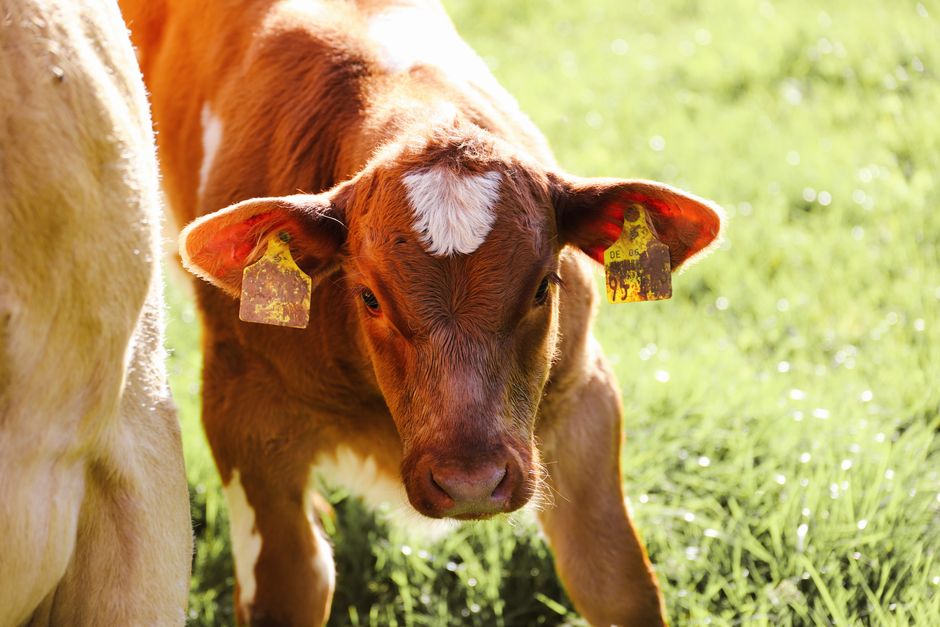
- Tags: 50 × $1.50 = $75
- Labor: 50 × $0.75 = $37.50
- Total: $112.50
This figure excludes any additional tagging registration fees or replacements.
It’s important to consider that the initial tagging event may include other indirect costs such as animal handling equipment, transport to and from the tagging site, and possible downtime if cattle are stressed or injured. For example, investing in squeeze chutes or head gates can improve efficiency and reduce labor costs over time, even if the upfront cost is significant.
Registration and Compliance Costs
Many regions require cattle identification to be registered with a national or state livestock database. Depending on the authority, registration fees can range from free to $1-3 per animal. Additionally, some farms must purchase official tags from approved vendors, which may carry a premium. For instance, in Australia, the National Livestock Identification System (NLIS) mandates the use of RFID tags and charges about AUD 2-3 per tag, including registration.
For example, in the United States, the National Animal Identification System (NAIS) encourages traceability but does not always mandate costs. Some states have voluntary programs with free tag registration, while others require fees based on herd size or type. In contrast, the European Union requires official tags with associated fees through local agencies, which can include charges for both the tags and the registration process. This regulatory complexity means small farmers must carefully research their local requirements to avoid penalties.
Compliance with traceability regulations not only helps prevent the spread of diseases like bovine tuberculosis and foot-and-mouth disease but can also enable quicker responses to outbreaks, minimizing economic losses. Some insurance policies and premium buyer contracts also require proof of registration, making these costs a worthwhile investment.
If you’re also looking into this, our article on The Essential Guide to Understanding Cattle Registration Certificates covers it in more detail.
Labor Considerations
Labor is often an overlooked cost. Even if you tag your own animals, consider time invested, potential stress on cattle, and the need for an assistant to handle animals safely. Efficient animal handling facilities can reduce labor time and animal stress significantly. For example, a well-designed cattle race and restraint system can allow a single person to tag 20-30 animals per hour, whereas without proper facilities, rates may drop to 10-15 per hour.
If hiring a professional, such as a veterinary technician or farmhand, labor rates could be $15-$30 per hour, with tagging around 20-30 animals per hour depending on conditions. Seasonal demand can affect labor availability and costs; during calving or weaning seasons, professional services may be in higher demand and cost more. Also, some farmers find it cost-effective to schedule group tagging events, combining tagging with vaccinations or treatments to maximize labor efficiency.
Additionally, labor costs can increase if animals are difficult to handle or if weather conditions are poor. Injuries to handlers or animals during tagging can result in further indirect costs such as medical bills or lost work time. Training and experience in low-stress cattle handling techniques can improve safety and reduce these risks.
Replacement and Maintenance Costs
Ear tags can fall off due to rough handling or natural wear, with an average loss rate of 5-10% per year. Replacement rates can be higher in farms with dense vegetation, barbed wire fences, or aggressive herd behavior. Replacing tags requires additional purchases and labor, which can add $10-$20 annually for a 50-head herd. For some farms, this ongoing cost may represent 10-20% of their total identification budget.

It’s advisable to track tag losses carefully, as frequent replacements not only increase costs but also risk loss of vital animal data. Some farmers implement double tagging—using two tags per ear or tags in both ears—which reduces the risk of complete loss but doubles initial material and application costs.
Maintenance also includes periodic checking of tags to ensure numbers remain legible, especially for visual tags exposed to sun, rain, and mud. Using UV-resistant tags can increase longevity but may come at a higher price. Regular inspection during routine herd management activities helps catch problems early, minimizing costly re-identification efforts.
This ties in closely with Essential Cattle Terminology: A Beginner’s Guide to Understanding and Managing Your Herd, worth a look if you want to go deeper.
Budgeting Tips for Small Cattle Farm Identification
- Prioritize Compliance: Research local regulations to avoid fines or penalties for improper identification. Contact local agricultural extension offices or livestock associations for guidance on required methods and registration procedures.
- Choose Appropriate Methods: Select cost-effective methods like plastic ear tags unless electronic identification is required by your market or government. Consider your specific farm needs, such as ease of reading tags in the field or integration with herd management software.
- Buy in Bulk: Ordering identification materials in larger quantities can reduce per-unit costs and lower shipping fees. Establish relationships with suppliers to negotiate discounts and ensure supply consistency.
- Plan for Labor: Set aside time or budget for tagging events, considering the efficiency of your chosen method. Combining tagging with other herd health procedures can optimize labor use.
- Maintain Records: Accurate records reduce the need for costly re-identification or regulatory audits. Use digital herd management software to track tag numbers, animal histories, and replacements effectively.
- Invest in Quality Equipment: Durable tags and proper application tools may cost more upfront but save money over time by reducing losses and improving data accuracy.
- Train Staff: Ensure anyone involved in the identification process is trained in animal handling and tagging techniques to minimize stress and injuries.
Case Study: Small Farm Owner’s Experience
Jane, who runs a 40-head beef cattle farm in Texas, switched from branding to plastic ear tags. She noted the upfront costs were approximately $100 for tags and labor, plus a $40 registration fee with the local livestock board. Over two years, the annual cost for tag replacements averaged $20. Jane reported that plastic tags improved herd management efficiency and reduced stress on cattle during identification processes.
Jane also highlighted the benefits of integrating RFID tags in the future. Although the initial investment in RFID tags and reader equipment was higher, she anticipated long-term savings due to reduced labor and improved traceability. She plans to use RFID to automate feed tracking and health monitoring, expecting a 15% increase in operational efficiency based on pilot studies from neighboring farms.
Additionally, Jane emphasized the importance of well-organized record-keeping. After adopting digital herd management software compatible with RFID scanning, she reduced errors in vaccination schedules by over 25%, translating into healthier cattle and lower veterinary costs.
Summary
Identification costs for a small cattle farm typically range from $2 to $30 per animal, depending on the method chosen and additional fees. Ear tags remain the most economical option for many small farmers, while electronic methods require higher initial investments but offer improved data capabilities. Factoring in labor, replacement, and registration fees will give the most accurate budgeting picture.
For a typical small herd of 50 animals, budget around $100-$300 annually for identification, plus initial equipment or device costs if using electronic tagging. Being proactive and thorough with identification can save money, stress, and regulatory headaches in the long run. Moreover, proper identification contributes to better herd health, efficient management, and enhanced market opportunities, making it a critical investment in the sustainable growth of your cattle farm.