
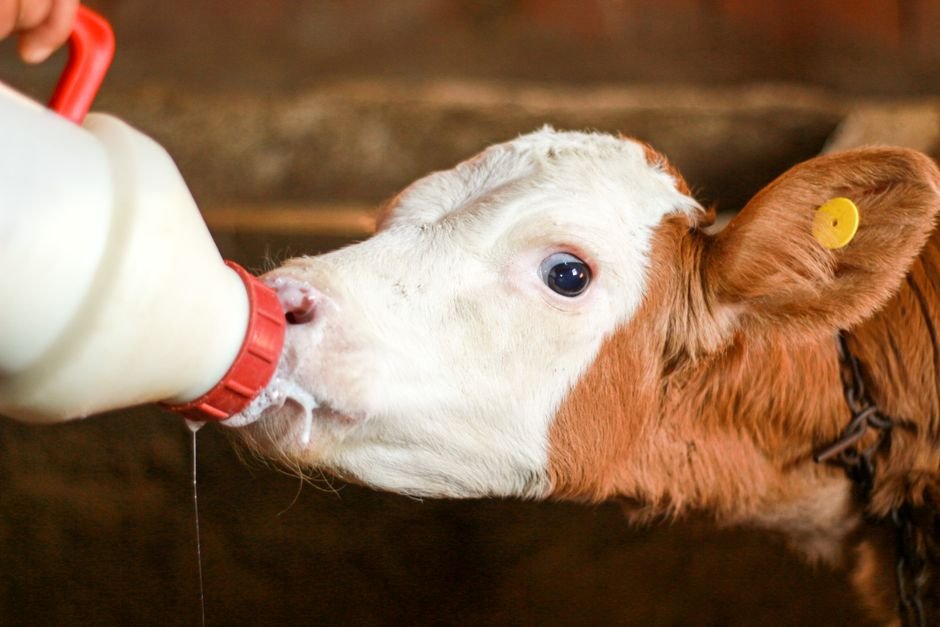
Introduction to Bottle Calf Nutrition
Feeding bottle calves is a critical step in raising healthy, productive cattle, especially in dairy or beef operations where early nutrition sets the stage for growth and future performance. Two primary liquid feeding options dominate this phase: whole milk and commercial milk replacers. While both provide essential nutrients, their differences impact calf growth, health, and farm economics. This article explores the detailed contrasts between milk replacer and whole milk for bottle-fed calves, helping you decide which suits your operation best.
Understanding Whole Milk as a Calf Feed
Whole milk refers to fresh, unprocessed milk taken directly from the cow or stored under refrigeration. It has long been the traditional choice for feeding calves due to its natural nutrient profile.
Composition and Nutritional Profile
Whole milk typically contains approximately:
- 3.5% fat
- 3.2% protein
- 4.8% lactose (milk sugar)
- Minerals and vitamins including calcium, phosphorus, and vitamins A and D
The natural balance of fats, proteins, and sugars in whole milk supports a calf’s immune system and gut development.
Whole milk also contains essential micronutrients such as zinc, selenium, and riboflavin, which contribute to enzymatic functions and antioxidant capacity in growing calves. These micronutrients, often in bioavailable forms, are critical during the first weeks of life when calves are developing their metabolic and immune systems. Furthermore, the presence of growth factors like insulin-like growth factor 1 (IGF-1) in whole milk plays a role in tissue development and repair, which is difficult to replicate in milk replacer formulas.
Advantages of Feeding Whole Milk
- Highly digestible: Calves readily digest natural milk fats and proteins.
- Bioactive factors: Contains antibodies and enzymes beneficial for calf immunity.
- Palatability: Calves generally prefer the taste, leading to consistent intake.
- Cost-effective if surplus milk is available: Utilizing waste milk from the dairy herd can reduce feed expenses.
Additional advantages include the fact that whole milk naturally contains casein—a high-quality protein that supports muscle development and provides essential amino acids. The milk’s fat globules are coated with a membrane that enhances digestibility and nutrient absorption, benefits often lost in processing commercial milk replacers. Moreover, whole milk naturally contains lactoferrin, an iron-binding protein with antimicrobial properties, which supports the calf’s defense against gastrointestinal infections.
Using whole milk from the farm can also simplify feeding logistics, especially in smaller operations. When surplus milk that is not suitable for sale (such as colostrum-deprived or transitional milk) is fed to calves, it reduces waste and improves overall farm efficiency. Some producers use whole milk to gradually introduce calves to the nutritional environment of the adult herd, promoting better adaptation to later life feed changes.
Limitations and Risks of Whole Milk
- Quality variability: Nutrient content may fluctuate depending on cow stage of lactation and herd health.
- Disease transmission: Potential for spreading pathogens like Mycoplasma, Salmonella, or Johne’s disease if not pasteurized or properly handled.
- Storage and spoilage: Milk must be refrigerated and used quickly to prevent bacterial growth.
One significant challenge with whole milk lies in its variable composition. For example, milk from cows in early lactation tends to have higher fat content but lower protein, while late-lactation milk may have reduced energy density overall. This variability can lead to inconsistent nutrient delivery, potentially affecting growth rates and immune function if not carefully managed. Additionally, mastitis-affected cows may shed increased somatic cells and bacteria in milk, posing health risks.
Milk spoilage is another key concern. Even when refrigerated promptly, milk can harbor psychrotrophic bacteria that degrade nutrient quality and produce toxins. These bacteria can multiply rapidly at improper temperatures, increasing the risk of digestive upset or illness in calves. On many farms, it is essential to monitor milk quality regularly through bacterial counts and somatic cell counts to ensure safety.
Furthermore, feeding whole milk from cows treated with antibiotics or other medications requires caution to avoid residues that may interfere with calf gut microbiota or contribute to antimicrobial resistance. Some dairy operations opt to feed waste milk that is tested and treated appropriately to mitigate such risks.
Milk Replacer: What Is It and How Does It Work?
Milk replacers are formulated powdered feeds designed to mimic the nutrient content of whole milk. They mix with water to create a milk-like liquid suitable for bottle feeding.
Typical Composition
Milk replacers vary widely but generally include:
- 20% to 28% crude protein (usually from dried whey, soy, or blood plasma)
- 15% to 20% fat (often from vegetable oils or animal fats)
- Added vitamins and minerals
- Optional additives like probiotics or antibiotics in medicated formulas
Some premium milk replacers incorporate specialized ingredients such as hydrolyzed proteins for enhanced digestibility, omega-3 fatty acids for anti-inflammatory effects, and nucleotides to support immune function. The source of protein can vary significantly; for example, whey-based replacers are generally more digestible, whereas soy-based replacers may contain anti-nutritional factors requiring processing to mitigate.
Milk replacer formulations are often designed to meet the nutrient recommendations set by organizations such as the National Research Council (NRC), ensuring a balanced supply of amino acids, energy, and micronutrients. Custom formulations are sometimes available for specific production goals—for instance, high-performance growth formulations for elite dairy heifers, or medicated blends for operations with endemic disease challenges.
Advantages of Milk Replacer
- Consistency: Nutrient content is standardized batch-to-batch, providing predictable nutrition.
- Biosecurity: Eliminates risk of disease transmission from cow to calf.
- Flexibility: Formulations can be tailored for specific growth stages or health concerns.
- Storage and shelf life: Dry powder lasts months if stored properly, convenient for seasonal or small-scale feeding.
Milk replacer also facilitates precise control over nutrient intake, allowing producers to adjust feeding rates and compositions based on desired growth trajectories or health protocols. For example, calves destined for early weaning programs can be placed on higher protein replacers to accelerate rumen development.
From a management standpoint, milk replacers simplify inventory control and reduce labor associated with sourcing, testing, and handling raw milk. The dry form is less bulky and more stable, reducing spoilage and waste. This is particularly advantageous in regions where dairy infrastructure is limited or where milk is not readily accessible for calf feeding.
Some formulations include probiotics and prebiotics aimed at enhancing gut health and reducing diarrhea incidence, which is a major cause of morbidity in bottle calves. Medicated milk replacers may also incorporate coccidiostats or antibiotics to address specific herd health challenges, although their use should be managed carefully to prevent resistance development.
Downsides of Milk Replacer
- Variable quality: Not all milk replacers are created equal; poor-quality products lack sufficient protein or fat.
- Cost: Can be more expensive than surplus whole milk, especially when purchased from premium brands.
- Palatability issues: Some calves may resist the taste or smell of certain formulations.
Lower-quality milk replacers sometimes use fillers or plant proteins with less favorable amino acid profiles, which can impair growth or increase digestive upset. It is essential to evaluate ingredient lists and seek products with minimal non-milk ingredients and verified nutrient content. The variability in quality between brands and batches means that ongoing monitoring of calf performance is critical.
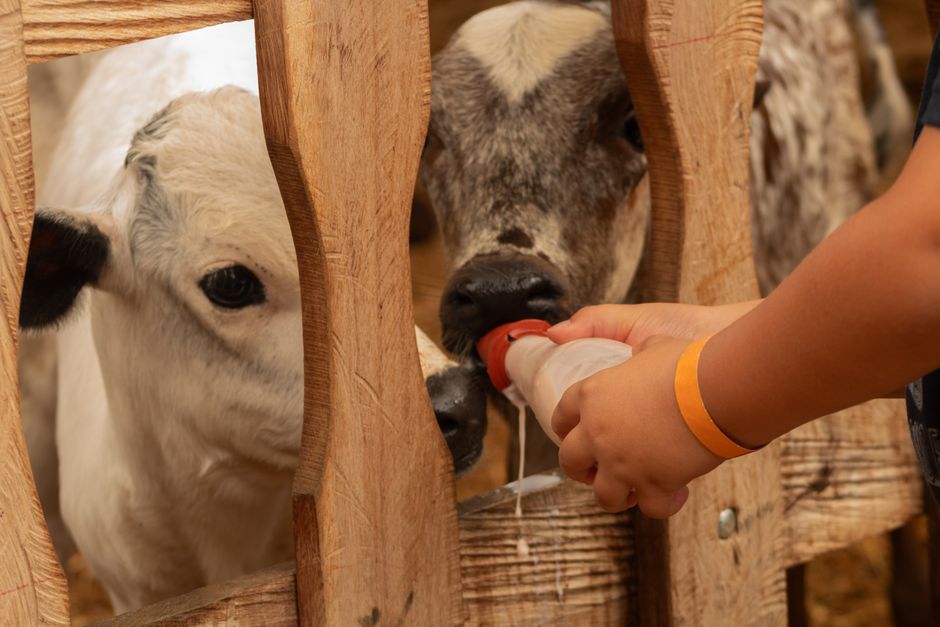
While milk replacer is convenient, the upfront cost can be significant depending on the formulation and volume required. For large-scale operations, this expense may be offset by reduced labor and disease treatment costs, but for smaller farms, it may strain budgets. Additionally, if mixing procedures are not meticulously followed—such as water temperature, powder-to-water ratio, and cleanliness—it can lead to poor nutrient delivery, clumping, or bacterial contamination, all affecting calf health adversely.
Palatability remains a concern; some milk replacers have odors or flavors derived from vegetable oils or processing agents that calves find unappealing, leading to reduced intake and slower gains. Gradual introduction and consistent feeding times can help calves adapt, but producers should be prepared to trial different products if intake issues persist.
Key Differences Between Milk Replacer and Whole Milk
| Attribute | Whole Milk | Milk Replacer |
|---|---|---|
| Protein Content | ~3.2% (natural casein and whey proteins) | 20-28% (formulated from whey, soy, or other sources) |
| Fat Content | ~3.5% (natural milk fat) | 15-20% (vegetable or animal fat blends) |
| Lactose Content | ~4.8% (natural) | Varies, often lower in some formulations |
| Immunological Factors | Contains antibodies, enzymes, and growth factors | Absent unless added specifically |
| Risk of Disease Transmission | Higher if unpasteurized or contaminated | Minimal to none |
| Cost | Lower if surplus milk used; higher if purchased | Higher upfront, but predictable and stable |
| Storage | Perishable, requires refrigeration | Dry powder, long shelf life |
It is important to note that the higher protein and fat percentages in milk replacers reflect the concentration of nutrients in the reconstituted feeding solution, which must be carefully mixed to achieve the desired consistency. In contrast, whole milk’s nutrient profile is fixed but may be diluted when mixed with water or other liquids. This difference can impact energy density and feeding strategies significantly.
Also, the absence of immunoglobulins in most milk replacers underscores the importance of feeding adequate high-quality colostrum immediately after birth, as milk replacers cannot compensate for this critical immune transfer. Some newer milk replacers are beginning to incorporate synthetic or bovine-derived immunoglobulins to bridge this gap, but their efficacy is still under evaluation.
Practical Considerations for Feeding Bottle Calves
Feeding Rates and Growth Outcomes
Milk replacers are typically fed at 10% to 12% of calf body weight daily, mixed at concentrations of 12-14% solids. Whole milk intake depends on availability but is often offered in similar volumes. Research shows that calves fed higher protein milk replacers (around 20-22% protein) can match or exceed growth rates seen with whole milk, provided mixing and feeding protocols are consistent.
For example, studies conducted at agricultural universities have demonstrated that calves fed milk replacers with 22% protein and 18% fat achieve average daily gains (ADG) ranging from 0.7 to 0.9 kg, comparable to calves fed whole milk. These growth rates correlate with improved feed efficiency and earlier attainment of breeding weight targets.
Feeding frequency also influences outcomes. Twice-daily feeding remains the standard, but some producers have adopted accelerated feeding programs with three or four feeds per day or ad libitum access, particularly when using milk replacers. These protocols can enhance energy intake and growth but require monitoring to avoid digestive upsets such as diarrhea or bloat.
Moreover, nutrient density and feeding allowances should be adjusted as calves mature to stimulate starter feed intake and facilitate rumen development. Milk replacers with higher protein content have been linked to increased voluntary starter intake, leading to earlier weaning and reduced feeding costs in some herd management systems.
For more on this, see our related guide: Can Cows Eat Watermelon? How to Safely Feed Cull Fruit to Your Herd.
Cost Analysis: Real-World Numbers
Consider a 100-calf operation with calves weighing 40 kg at birth:
- Each calf drinks about 4 liters of milk daily for 6 weeks (42 days).
- Whole milk cost (if purchased) averages $0.30 per liter.
- High-quality milk replacer costs roughly $2.50 per kg; mixed at 12%, this equals about $0.30 per liter.
This results in approximately 16,800 liters of milk or milk replacer solution consumed over the feeding period. The total feed cost would be roughly $5,040 for whole milk or the equivalent for milk replacer powder, assuming no wastage or additional processing costs.
However, whole milk feeding may incur additional hidden expenses such as pasteurization equipment purchase and maintenance, labor for milk handling, testing for pathogens, and losses due to spoilage. Pasteurization, for instance, may add approximately $0.03 to $0.05 per liter to the cost, depending on energy prices and throughput volume.
On the other hand, milk replacer’s shelf life reduces waste and spoilage-related losses, and predictable mixing ratios allow for precise budgeting. Volume discounts and bulk purchasing can reduce milk replacer costs, while low-quality products or improper storage can dramatically increase expenses due to increased health issues and slower growth.
Other economic factors to consider are health-related expenses: calves fed unpasteurized whole milk may require more veterinary interventions if exposed to pathogens, whereas milk replacer feeding programs often report fewer cases of scours and respiratory diseases.
Health and Hygiene Management
With whole milk, pasteurization is highly recommended to prevent disease transmission. On-farm pasteurizers have become more accessible, reducing risk significantly but requiring capital investment.
Studies have shown that pasteurization at 63°C (145°F) for 30 minutes effectively reduces bacterial loads such as Mycoplasma bovis and Salmonella spp., significantly lowering infection rates in calves. However, improper pasteurization practices may fail to eliminate pathogens or degrade milk quality, emphasizing the need for proper training and equipment maintenance.
Milk replacer simplifies hygiene because it is sterile when mixed with clean water. However, improper mixing (wrong temperature or dilution) can harm the calf’s digestion.
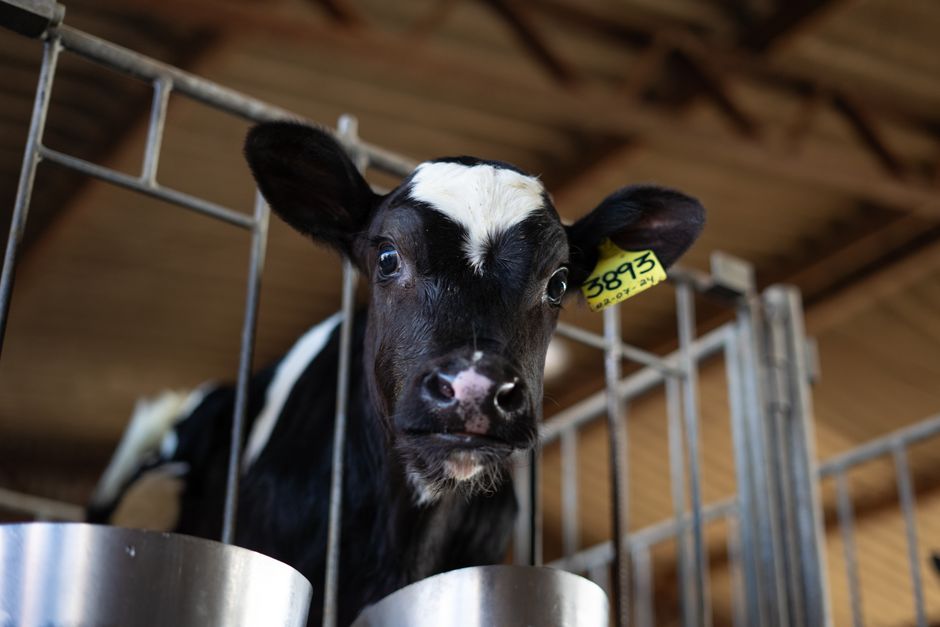
Water quality is critical when preparing milk replacer; the use of potable, temperature-controlled water (ideally warmed to 40-50°C) ensures proper powder dissolution and minimizes bacterial contamination. Feeding equipment—bottles, nipples, buckets—must be cleaned and sanitized regularly to prevent biofilm formation and pathogen buildup.
Calves fed milk replacer may also benefit from prophylactic health protocols such as vaccination and parasite control, which should be integrated into the overall calf management program to maximize health outcomes.
Weaning and Transition
Milk replacers with higher protein and fat can support earlier weaning and better starter feed intake, accelerating rumen development. Whole milk-fed calves often transition smoothly but may require longer milk feeding periods to reach target growth.
Research indicates that calves fed high-quality milk replacers can be effectively weaned at 6 weeks of age with minimal growth setbacks, as their rumens are better adapted to solid feeds. In contrast, calves fed whole milk sometimes show lower starter intake and slower rumen papillae development, necessitating a more gradual weaning process.
Introducing forage and concentrates early alongside milk feeding supports microbial colonization and rumen function. Milk replacer programs allow for precise control of nutrient reduction during weaning, often using step-down feeding methods to encourage solid feed consumption while preventing nutritional stress.
Successful weaning depends on monitoring calf weight, body condition, and feeding behavior, regardless of milk source. Calves should be consuming at least 1 kg of starter feed per day before full weaning to ensure adequate nutrition and minimize growth lag.
Case Studies and Farmer Experiences
Case Study 1: Small Dairy Using Surplus Milk
A 50-head dairy in Wisconsin reported excellent calf health feeding pasteurized surplus milk for $0.18 per liter, achieving average daily gains (ADG) of 0.8 kg. They valued the natural immunity benefits and taste preference but invested in a batch pasteurizer to ensure safety.
The farm utilized waste milk from fresh cows and those treated for mastitis after confirming antibiotic withdrawal periods, reducing feed costs by about 30% compared to commercial milk replacers. They implemented rigorous hygiene protocols, including daily cleaning of feeding equipment and regular bacteriological testing of pasteurized milk, which contributed to a low incidence of calf diarrhea and respiratory disease.
Farm staff noted that calves showed strong vigor and solid feed intake by 3 weeks of age, facilitating smooth weaning at 7 weeks. However, during summer months, managing milk refrigeration proved challenging, requiring investment in additional cooling infrastructure.
Case Study 2: Beef Calf Producer Using Milk Replacer
A Texas beef operation with limited access to whole milk used a 22% protein, 18% fat milk replacer. They noted consistent growth averaging 0.7 kg ADG and reduced labor since powder storage and mixing were simpler than handling milk.
Given the remote location and minimal dairy presence, obtaining whole milk was not feasible. They implemented a strict mixing protocol, using warm water and sanitizing bottles after each feeding. Calves exhibited good acceptance after an initial adjustment period, supported by gradual introduction of milk replacer alongside colostrum feeding.
Compared to previous years when milk was sourced from neighbors, the milk replacer program decreased calf morbidity by 15%, resulting in lower medication costs and improved survival rates. Labor savings were significant, as bulk powder storage reduced daily handling time by nearly 25%.
The producer also experimented with feeding frequency, finding that feeding twice daily at 10% body weight supported steady gains without digestive upsets. Early weaning at 6 weeks was successful, with calves transitioning well to forage and grain-based diets.
Common Mistakes When Choosing Between Milk Replacer and Whole Milk
- Assuming all milk replacers are equal — always review protein/fat levels and ingredient sources.
- Feeding unpasteurized whole milk without testing for pathogens.
- Improper mixing temperature or dilution of milk replacer causing digestive upset.
- Ignoring calf preferences and switching abruptly without acclimation.
- Underestimating the importance of colostrum management, regardless of liquid feed choice.
- Neglecting equipment cleaning and sanitation, leading to bacterial contamination.
- Failing to monitor calf growth and health metrics regularly to adjust feeding protocols.
Additionally, some producers may overfeed milk or milk replacer in an attempt to maximize growth but inadvertently cause digestive disturbances such as acidosis or scours. Balancing volume and nutrient density according to calf age and health status is essential. Introducing changes slowly—whether switching milk source, altering volumes, or adjusting feeding frequencies—helps calves maintain intake and avoid stress-induced illnesses.
Conclusion: Choosing What Fits Your Operation
The decision between milk replacer and whole milk hinges on several factors including cost, availability, farm infrastructure, and disease risk tolerance. Whole milk offers natural nutrition and immunity but requires hygiene controls. Milk replacers deliver reliable, pathogen-free nutrition with flexibility but at potentially higher cost and variable quality.
By assessing your farm’s resources and management style, you can tailor your bottle calf feeding program to optimize growth, health, and profitability. Consider the specifics of your operation such as labor availability, infrastructure for milk pasteurization and storage, calf health challenges, and budget constraints. Regular monitoring of calf performance and health will guide adjustments and ensure that your chosen feeding strategy delivers the best possible outcomes for your herd.