
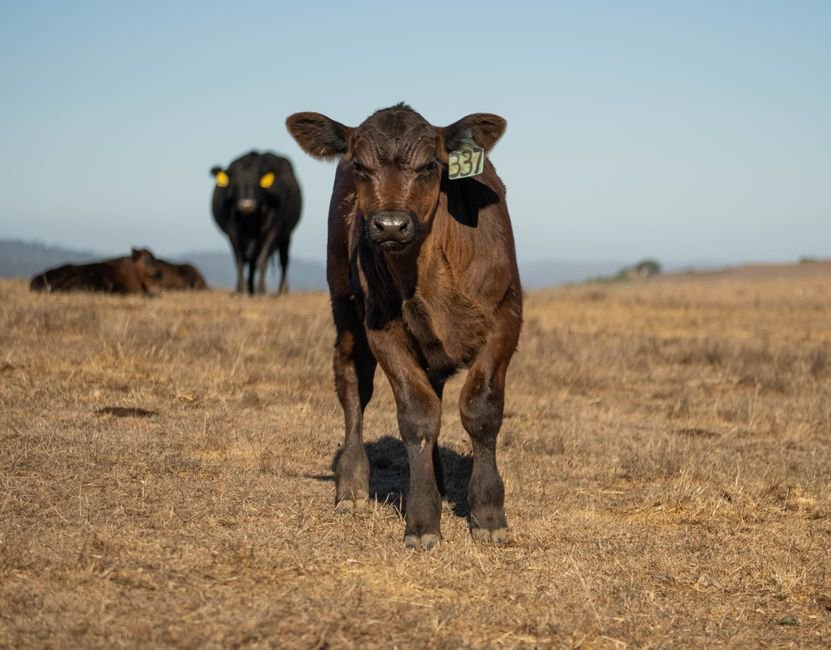
Introduction to Weaning Calves at 6 Months
Weaning calves at 6 months old is a widely recommended practice for balancing optimal growth, health, and resource management on cattle farms. At this stage, calves are typically ready to transition from a milk-based diet to solid feed and forage, encouraging rumen development and independence. However, successful weaning is not just about stopping milk abruptly; it requires a carefully structured plan to minimize stress and maintain calf health. This transition period is crucial because poorly managed weaning can lead to growth setbacks, increased susceptibility to disease, and behavioral issues.
Moreover, weaning at 6 months aligns with the natural physiological development of calves, allowing producers to optimize feed efficiency and improve the profitability of their operations. By implementing evidence-based weaning strategies, farmers can reduce labor costs associated with milk feeding, improve feed utilization, and prepare calves for future stages such as backgrounding or finishing. Additionally, a well-managed weaning process supports welfare standards, which are increasingly important for consumer perceptions and market access.
Why Wean at 6 Months?
Choosing 6 months as the weaning age is backed by both nutritional and behavioral factors:
- Rumen Development: By six months, the calf’s rumen is sufficiently developed to digest solid feeds efficiently. Anatomically, the rumen volume at this age typically approaches 30-40 liters, compared to less than 5 liters at birth, indicating substantial maturation. Microbial populations that ferment fibrous feeds become well established, allowing calves to extract energy from forages and grains effectively.
- Milk Production Efficiency: After six months, continued nursing yields diminishing returns for the calf’s growth relative to the resources invested. Studies show that milk feed conversion efficiency declines past this stage, with calves gaining less weight per liter of milk fed. This makes transitioning to lower-cost solid feeds economically advantageous.
- Reduced Disease Risk: Extended nursing increases exposure to pathogens, including those transmitted through milk or close contact with the dam. Weaning helps reduce this risk by limiting opportunities for disease transfer. Additionally, calves become less prone to scours and respiratory infections when they rely more on solid diets and have improved immunity post-weaning.
- Economic Considerations: Weaning at this point optimizes feed costs and prepares the calf for feedlot or pasture-based feeding systems. Early weaning reduces milk feed expenses, decreases labor requirements, and allows more strategic use of pastures. It also facilitates grouping calves by nutritional needs, enabling better resource allocation and management.
- Behavioral Adaptation: By 6 months, calves have typically established social hierarchies and are better able to adapt to new environments. This reduces stress reactions during weaning, such as vocalization and pacing, improving welfare outcomes.
Pre-Weaning Preparation (Weeks 20–24)
1. Assess Calf Health and Growth Status
Regularly monitor calf weight and overall health starting at 20 weeks (approximately 5 months). Ideally, calves should weigh at least 200–220 kg (440–485 lbs) by six months to ensure they are physiologically ready for weaning. Weight gain rates of 0.7 to 1 kg per day during the pre-weaning phase are considered optimal. Tracking body condition scores alongside weights helps identify underperforming individuals who may require additional intervention.
Vaccinations should include respiratory disease complexes (such as bovine respiratory syncytial virus and parainfluenza-3), clostridial diseases, and infectious bovine rhinotracheitis (IBR), among others. Administering booster shots 2–4 weeks before weaning primes the immune system during this stressful period. Additionally, effective parasite control, including internal and external parasites, is vital since parasitic burdens can impair growth and immune function, exacerbating weaning challenges.
2. Introduce Solid Feed Early
Starting at 3–4 months, calves should be introduced to solid feed to stimulate rumen microflora development. Suitable options include calf starter grain mixes with 18–20% crude protein, gradually transitioning to weaning rations and quality forages like alfalfa or high-quality pasture. Nutrient-dense starter feeds that include readily fermentable carbohydrates such as rolled corn or barley encourage early rumen papillae development, which enhances nutrient absorption after milk cessation.
For more on this, see our related guide: Essential Highland Cow Care: A Comprehensive Guide to Raising Healthy Herds.
Physical form of solid feed also matters; pelletized or crumbled starters improve intake and reduce selection, while textured feeds encourage chewing and saliva production, buffering rumen pH. Alongside concentrates, offering free-choice access to high-quality forage such as alfalfa hay or well-managed pastures containing legumes and grasses promotes rumination and fiber digestion skills.
In addition, supplementing feeds with buffers (e.g., sodium bicarbonate), probiotics, or yeast cultures can further support healthy rumen function and reduce the risk of acidosis during diet transitions. Monitoring feed intake daily during this phase helps ensure calves are consuming sufficient quantities to sustain growth and rumen development.
3. Gradual Reduction of Milk Intake
Rather than stopping milk suddenly, begin reducing milk volume or frequency over 2–3 weeks. For example, if calves are bottle-fed twice daily at 6 liters total, reduce to 4 liters per day in week 22 and 2 liters in week 23 before full weaning at week 24. Gradual reduction encourages calves to increase solid feed consumption, preventing hunger stress and digestive upsets that can occur with abrupt weaning.
In systems where calves are nursing directly from dams, controlled nursing strategies may include partial separation or restricted suckling times to achieve similar gradual reduction. Research indicates calves experiencing gradual weaning show fewer stress behaviors and maintain better weight gains compared to abrupt weaning protocols.
It is also beneficial to maintain consistent feeding times and environments during this time to reduce variability and stress-induced anorexia. Close observation for any signs of digestive upset, such as loose stools or bloat, allows for prompt management.
Step-by-Step Weaning Plan at 6 Months
| Week | Action | Details | Expected Outcome |
|---|---|---|---|
| Week 20 | Health Check & Weight Monitoring | Record weights, check for illness, ensure vaccinations are current. Perform physical exams focusing on respiratory and gastrointestinal systems; observe behavior and mobility. | Confirm readiness for weaning. Identify calves needing extra care. |
| Week 21 | Introduce or Increase Solid Feed | Offer 1.5–2 kg of calf starter and quality forage daily. Provide fresh feed twice daily; monitor intake closely. Ensure feeder hygiene to prevent feed spoilage. | Stimulate rumen adaptation. Increase feed consumption progressively. |
| Week 22 | Reduce Milk Volume by 30% | Cut milk from 6 liters to 4 liters daily; maintain solid feed intake. Observe calves for signs of hunger or digestive upset; supplement if needed. | Encourage increased solid feed consumption and rumen development. |
| Week 23 | Reduce Milk Volume by 60% | Cut milk to 2 liters daily; feed hay and starter ad libitum. Maintain clean water access; provide shelter to reduce environmental stressors. | Calf increasingly reliant on solid feed; improved rumen function. |
| Week 24 | Complete Weaning | Stop milk feeding; provide 3–4 kg of quality feed and pasture access. Monitor closely for feed intake, behavior, and signs of stress or illness. | Calf fully transitioned to solid diet; continued growth and health. |
| Post-Weaning Weeks 25–26 | Monitor Health and Feed Intake | Watch for signs of stress or reduced intake; maintain clean water supply. Record daily feed consumption and weekly weights; perform health checks every 3–4 days. | Ensure smooth adjustment and continued growth. Early identification of any issues allows for intervention. |
Key Considerations During Weaning
Feed Quality and Composition
Calves require a balanced diet rich in energy and protein to compensate for the loss of milk. Typical post-weaning rations contain:

If you’re also looking into this, our article on Mastering Cattle Behavior and Handling for Safer, More Efficient Farming covers it in more detail.
- 16–18% crude protein sourced from soybean meal, canola meal, or other high-quality protein ingredients to support muscle growth and immune function.
- High-energy grains such as corn or barley, preferably ground or rolled to enhance digestibility, provide fermentable carbohydrates that fuel rumen microbes.
- Fiber from quality forages such as alfalfa, clover hay, or well-managed pastures to maintain rumen motility and encourage saliva production, which buffers rumen pH.
- Mineral supplements, including calcium, phosphorus, magnesium, and trace minerals such as zinc, copper, selenium, and manganese, tailored to regional deficiencies and soil profiles.
Ensuring balanced calcium-to-phosphorus ratios (typically around 2:1) prevents metabolic disorders. Additionally, vitamin supplementation, especially vitamins A, D, and E, supports immune function and growth. Feed additives like ionophores may be used to improve feed efficiency but should be integrated with veterinary guidance.
Water Access
Providing unlimited access to fresh, clean water is critical during and after weaning. Water supports rumen fermentation by facilitating microbial activity and nutrient absorption. Studies show that water intake increases markedly during weaning, with calves consuming up to 10 liters daily post-weaning. Water troughs should be cleaned regularly to prevent contamination, and water temperature maintained at moderate levels to encourage intake, especially in colder climates.
In addition, placement of water sources close to feeding areas minimizes energy expenditure and encourages feed consumption. Training calves to drink from troughs early in life improves water intake during stressful transitions.
Minimizing Weaning Stress
Stress can compromise immunity and growth. To reduce stress:
- Wean in cooler parts of the day to reduce heat stress, which can exacerbate physiological strain. Early morning or late evening weaning is preferred in hot climates.
- Maintain social groups to avoid isolation stress, as calves separated from familiar peers or dams exhibit increased vocalization, pacing, and decreased feed intake.
- Provide shelter and comfortable bedding such as straw or wood shavings to protect calves from weather extremes and offer a comfortable resting area, which supports immune function.
- Implement low-stress handling techniques during weaning procedures, avoiding loud noises and sudden movements, which can trigger cortisol spikes and suppress appetite.
- Consider using anti-stress supplements such as electrolytes, vitamins, or herbal products shown to reduce cortisol levels during weaning.
Some producers also employ two-step weaning methods, such as nose-flaps or fenceline separation, which reduce suckling without full separation, leading to lower stress responses and more stable intake patterns.
This ties in closely with The Essential Guide to Understanding Cattle Registration Certificates, worth a look if you want to go deeper.
Common Weaning Challenges and Solutions
| Challenge | Cause | Solution |
|---|---|---|
| Reduced Feed Intake | Reluctance to eat new feed types or poor palatability, stress-induced anorexia, or unfamiliarity with feeders. | Introduce feed gradually; use molasses or flavor enhancers to improve palatability. Provide fresh, clean feeders and offer feed multiple times daily. Encourage feeding by mixing small amounts of milk replacer with solid feed during transition. |
| Weight Loss Post-Weaning | Insufficient nutrient intake, underlying health issues, or digestive disturbances. | Increase high-quality forage and concentrates; consult veterinarian if weight loss persists. Ensure environmental conditions minimize stress. Supplement with probiotics or digestive aids to stabilize gut flora. |
| Increased Respiratory Illness | Stress-induced immune suppression, close confinement, or poor ventilation. | Minimize handling stress; ensure clean environment and vaccination status. Improve ventilation and avoid overcrowding. Early detection and treatment of symptoms with veterinary support. |
| Dehydration | Inadequate water availability, diarrhea, or heat stress. | Provide constant water access; monitor and treat diarrhea promptly with electrolyte solutions or veterinary medication. Shade and cool environments reduce heat-related water loss. |
Measuring Success: Post-Weaning Growth Expectations
After weaning, calves should maintain average daily gains (ADG) of approximately 0.7 to 1.0 kg (1.5 to 2.2 lbs) per day when fed properly. These growth rates vary depending on breed, genetics, and environmental factors but serve as practical targets for producers. For example, Holstein calves aiming for dairy replacement may require higher protein and energy levels to meet growth benchmarks compared to beef breeds.
Tracking feed conversion ratios (FCR)—the amount of feed required per unit of weight gain—is also critical. Efficient FCRs post-weaning range from 5:1 to 7:1, depending on feed type and management. Regular weighing (weekly or biweekly) combined with feed intake records helps identify calves that deviate from expected growth curves, allowing for timely nutritional or health interventions.
Additionally, monitoring body condition scores post-weaning ensures calves maintain adequate fat reserves, reducing susceptibility to illness and supporting reproductive development in heifers. Growth plateaus or sudden declines should prompt reassessment of diet, health status, and environmental conditions.
Final Tips for Efficient 6-Month Weaning
- Keep detailed records of weights, feed intake, and health status. Digital record-keeping tools or mobile apps can streamline data collection and analysis for better decision-making.
- Ensure consistent feeding times to establish routine, which reduces stress and promotes steady intake. Automated feeders can assist in maintaining regular feeding schedules, especially in larger operations.
- Use weaning as an opportunity to evaluate and improve overall calf nutrition. Analyze feed quality regularly through laboratory testing for nutrient content and potential contaminants such as mycotoxins.
- Collaborate with a livestock nutritionist or veterinarian for tailored advice. They can recommend feed formulations, vaccination protocols, and stress mitigation strategies customized to specific herd needs and regional conditions.
- Invest in calf comfort and welfare by improving housing, ventilation, and handling facilities, which contribute directly to growth performance and health during the vulnerable weaning period.
By following this structured plan, cattle producers can optimize calf health, growth, and long-term productivity through a carefully managed 6-month weaning process. This approach not only supports the physical development of the calf but also enhances welfare standards and operational efficiency, ultimately contributing to a more sustainable and profitable cattle enterprise.