
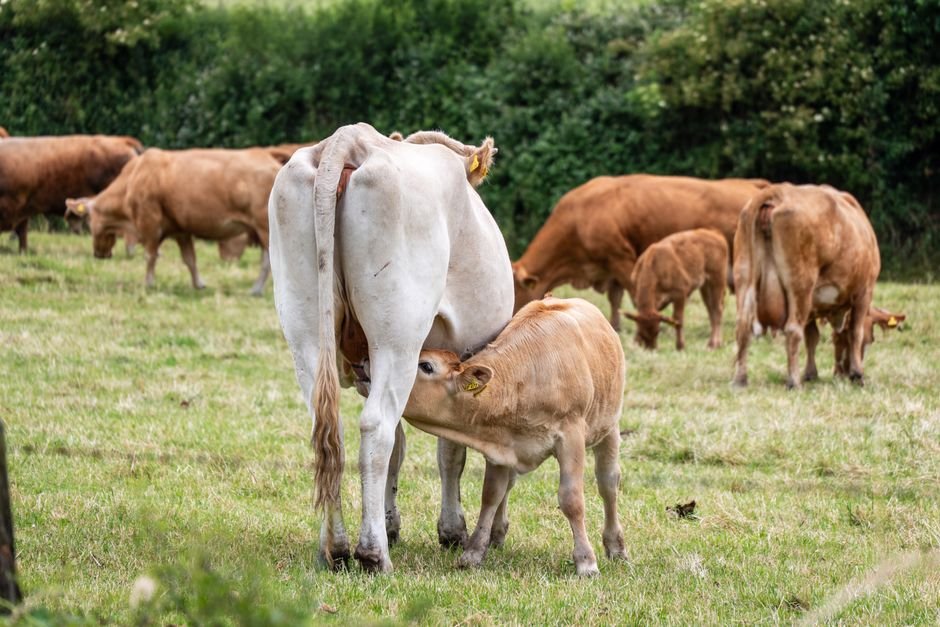
Introduction to Calving Ease and Its Importance
Calving ease is a crucial factor in cattle breeding that directly influences the health of both the cow and the calf. Difficult births, or dystocia, can lead to increased mortality rates, costly veterinary interventions, and long-term reproductive issues. For farmers and ranchers aiming to improve herd productivity and reduce labor and medical costs, selecting breeds known for calving ease is often a top priority.
In this article, we rank 25 cattle breeds based on their calving ease characteristics using data from breed associations, studies on birth weights, gestation length, pelvic structure, and documented field experience. This guide helps you identify which breeds are best suited for minimizing calving complications.
What Defines Calving Ease?
Calving ease is influenced by several factors including:
- Birth weight of calves: Lower birth weights generally reduce birthing difficulties.
- Pelvic size and shape of the dam: Cows with wider pelvic areas facilitate smoother births.
- Gestation length: Breeds with shorter and more consistent gestation periods often face fewer complications.
- Calf presentation and breed-specific conformation: Some breeds have genetic advantages that improve calf presentation at birth.
When selecting a cattle breed for calving ease, it’s essential to consider these elements along with your specific climate and management practices.
Ranking Methodology
This list ranks 25 breeds based on:
- Reported calving difficulty percentages from breed associations
- Average birth weights
- Incidences of dystocia documented in scientific literature and agricultural extension reports
- Practical feedback from commercial producers in North America and Europe
Breeds with fewer than 5% reported calving difficulties often rank highest; those with over 15% fall lower in the list.
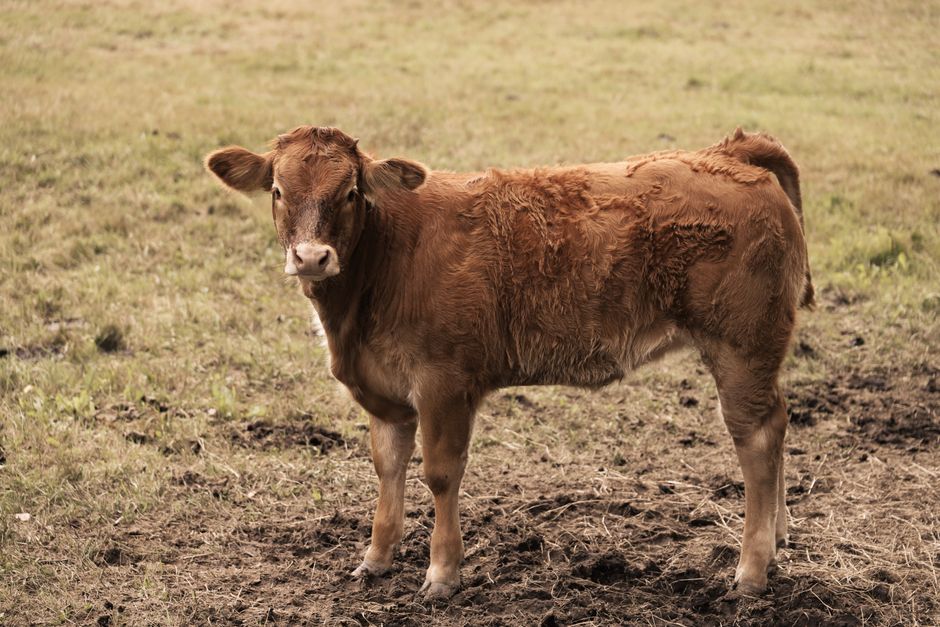
25 Best Cattle Breeds for Calving Ease Ranked
| Rank | Breed | Average Birth Weight (lbs) | Reported Dystocia Rate (%) | Primary Use | Notable Traits Affecting Calving Ease |
|---|---|---|---|---|---|
| 1 | Red Angus | 65 | 3-4 | Beef | Smaller framed calves with strong maternal instincts |
| 2 | Hereford | 68 | 4-5 | Beef | Wide pelvic area and moderate calf weight |
| 3 | Simmental | 70 | 5-6 | Dual-purpose (Beef/Dairy) | Good calving ease genetics in selected lines |
| 4 | Gelbvieh | 68 | 6 | Beef | Strong maternal traits, moderate birth weights |
| 5 | Shorthorn | 66 | 5-7 | Dual-purpose | Calf size manageable, good temperament |
| 6 | Charolais | 85 | 10-12 | Beef | Higher birth weights, requires attention in first-calf heifers |
| 7 | Devon | 70 | 6-8 | Beef | Moderate birth weights, sturdy cows |
| 8 | Brown Swiss | 75 | 7-8 | Dairy | Dairy breed known for easy calving in selected lines |
| 9 | Limousin | 80 | 9-10 | Beef | Higher birth weights but improving calving ease genetics |
| 10 | Angus | 68 | 5-6 | Beef | Popular for ease of calving and maternal care |
| 11 | Polled Hereford | 67 | 5 | Beef | Hornless variety with similar calving ease to Hereford |
| 12 | Highland | 65 | 4-5 | Beef | Calves born smaller, well adapted to harsh conditions |
| 13 | Dexter | 60 | 3 | Beef/Dairy | One of the smallest breeds, very low dystocia |
| 14 | British White | 68 | 5-6 | Beef | Moderate calf size, good birth presentations |
| 15 | Tarentaise | 70 | 7 | Dairy/Beef | Good maternal behavior, moderate birth weights |
| 16 | Brangus | 68 | 5-7 | Beef | Hybrid vigor reduces calving issues |
| 17 | Ayrshire | 72 | 7-8 | Dairy | Reasonable birth weights, good calving ease |
| 18 | Santa Gertrudis | 75 | 9 | Beef | Crossbreed with moderate calving ease |
| 19 | Gelbvieh Crosses | 70 | 6-7 | Beef | Improved calving ease through hybrid vigor |
| 20 | Jersey | 55 | 3 | Dairy | Small calves, very easy births, but smaller cows |
| 21 | Milking Shorthorn | 65 | 4-5 | Dairy | Moderate birth weights, strong maternal traits |
| 22 | South Devon | 73 | 7-8 | Beef | Good calving ease in improved lines |
| 23 | Belgian Blue | 90 | 15+ | Beef | High birth weights, frequent cesarean sections required |
| 24 | Chianina | 85 | 12-15 | Beef | Large calves, calving assistance often needed |
| 25 | Brahman | 70 | 8-10 | Beef | Heat tolerant but somewhat higher dystocia rates |
Top 5 Breeds for Calving Ease: Detailed Insights
1. Red Angus
Red Angus cattle are highly favored for their calving ease, especially in commercial beef operations. Their average calf birth weight hovers around 65 pounds, which strikes a balance between healthy growth and minimizing birthing complications. Because of their smaller frame and moderate size, first-time heifers typically have fewer problems during delivery. Additionally, Red Angus cows are known for strong maternal instincts and milk production, which aid calf survival post-birth.
2. Hereford
Known for their docile nature and adaptability, Herefords are also excellent for calving ease. The breed benefits from a wide pelvic structure and moderate calf size, usually averaging around 68 pounds at birth. Reports show dystocia rates between 4 to 5%, making Hereford a preferred choice for producers seeking reliable calving performance.
3. Simmental
Although Simmentals tend to have slightly larger calves (average 70 pounds), selective breeding programs have improved calving ease in many herds. Simmentals are a dual-purpose breed, valued for both beef and milk production. Their versatile genetics allow for adaptation to various production goals while maintaining manageable calving difficulty.
4. Gelbvieh
Gelbvieh cattle have gained popularity in recent years for their maternal traits and relatively low birth weights around 68 pounds. This breed offers a good combination of growth rate and calving ease, with dystocia rates typically under 6%. Gelbvieh cows are also praised for fertility and longevity.
5. Shorthorn
Shorthorns are a traditional breed with a balanced frame and average birth weights near 66 pounds. They exhibit good temperament and ease of handling, reducing stress on both cow and calf during delivery. Their calving success is often linked to careful selection within registered herds.
Factors Beyond Breed to Improve Calving Ease
Choosing a breed with good calving ease is only part of the equation. Other critical management factors include:

- Heifer development: Proper nutrition and management of heifers before their first calving can reduce dystocia.
- Calving environment: Clean, quiet, and spacious calving areas minimize stress and injury.
- Monitoring and timely intervention: Early detection of calving difficulties can mean the difference between life and death.
- Genetic selection: Within breeds, use calving ease EPDs (Expected Progeny Differences) to select sires and dams.
Breeds to Approach with Caution for Calving Ease
While some breeds like Belgian Blue and Chianina offer exceptional growth and muscle but produce larger calves, these often come with a higher need for cesarean sections. Producers targeting calving ease should weigh this trade-off carefully. Similarly, Brahman cattle, although hardy and heat tolerant, show somewhat higher dystocia rates due to calf size and pelvic structure.
Summary Table: Birth Weight vs. Dystocia Rate for Selected Breeds
| Breed | Avg. Birth Weight (lbs) | Dystocia Rate (%) | Calving Ease Rating |
|---|---|---|---|
| Red Angus | 65 | 3-4 | Excellent |
| Hereford | 68 | 4-5 | Excellent |
| Simmental | 70 | 5-6 | Very Good |
| Gelbvieh | 68 | 6 | Very Good |
| Shorthorn | 66 | 5-7 | Good |
| Charolais | 85 | 10-12 | Fair |
| Belgian Blue | 90 | 15+ | Poor |
| Jersey | 55 | 3 | Excellent (small breed) |
Final Thoughts: Choosing the Right Breed for Your Operation
Calving ease is a multifaceted trait influenced by genetics, management, and environment. When selecting a breed, consider your production goals, climate, and the level of labor and veterinary support available. For producers prioritizing calving ease, breeds like Red Angus, Hereford, and Dexter offer proven advantages with low dystocia rates and manageable birth weights.
In contrast, breeds with heavier calves such as Charolais and Belgian Blue can provide rapid growth but require experienced management and may increase calving risks.
By understanding the calving profiles of these 25 breeds, you can make informed decisions to enhance herd health, reduce losses, and optimize your cattle operation’s productivity.