
Why Precise Identification Matters on a Cattle Farm
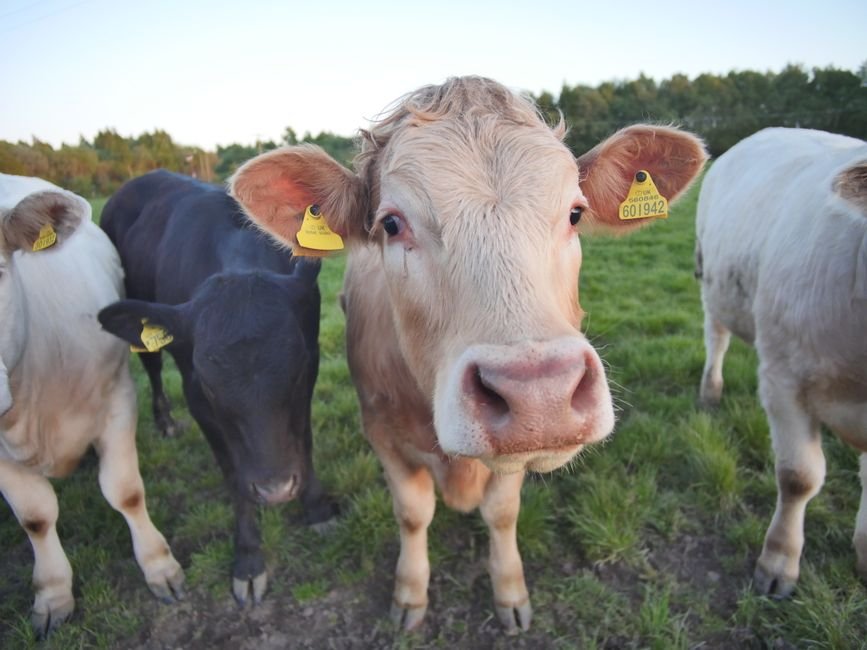
Proper identification of cattle is fundamental to effective herd management. It ensures traceability, health monitoring, breeding control, and compliance with legal regulations. With hundreds or thousands of animals, a clear system prevents costly errors such as misapplied medications, breeding mismatches, or difficulties tracing disease outbreaks.
Moreover, precise identification plays a crucial role in enhancing productivity and profitability. Accurate records linked to individual animals help farmers make informed decisions about feeding regimes, culling strategies, and selective breeding, ultimately improving herd genetics and performance. In disease outbreak scenarios, quick identification and traceability can limit the spread of infections and reduce economic losses.
Below is a detailed checklist tailored to cattle farmers who want to implement or improve their identification practices with clarity and efficiency.
Step 1: Choose the Right Identification Methods
There are multiple identification methods available, each with their own advantages and limitations. The choice depends on herd size, farm resources, and purpose (e.g., age tracking, health monitoring, ownership proof).
| Identification Method | Advantages | Limitations | Best Use Cases |
|---|---|---|---|
| Plastic Ear Tags | Inexpensive, easy to apply, visible from a distance, color-coded options | Can fall off or tear, subject to wear | Medium to large herds for routine tracking |
| Metal Ear Tags | Durable, difficult to remove, permanent | Heavier, can cause ear damage if mishandled | Long-term identification, breeding stock |
| Electronic Identification (RFID) | Highly accurate, automates data collection, tamper-proof | Higher upfront cost, requires readers | Large-scale operations, precision management, traceability programs |
| Branding (Freeze or Hot) | Permanent, visible ownership marker | Painful for animals, controversial, not recommended in some regions | Proof of ownership in extensive grazing systems |
| Tattoos | Permanent, no risk of loss | Harder to read without close inspection, requires restraint | Registered breeding animals |
When selecting an identification method, it’s important to consider environmental factors. For example, plastic tags may degrade faster in harsh climates with extreme heat or moisture, while metal tags may corrode in salty or humid environments. Electronic Identification (RFID) tags can be embedded in ear tags or rumen boluses; rumen boluses, swallowed by the animal, offer an alternative that eliminates tag loss, especially in extensive grazing conditions.
Some farms opt for a combination of methods to maximize reliability—for instance, pairing RFID with visual ear tags allows for quick visual identification and automated data capture. It’s also worth noting that RFID systems can integrate with automatic feeders or weighing scales, allowing real-time monitoring of individual animal performance.
Cost considerations are critical too. While RFID systems require an initial investment in readers and software, they can reduce labor costs in the long term by speeding up data collection and minimizing human error.
Step 2: Develop a Unique Identification Numbering System
Assigning a logical, easy-to-understand ID number helps avoid confusion. Many farms use a combination of:
- Farm prefix: Letters representing the farm name or location
- Year of birth: Two-digit or four-digit year
- Individual number: Sequential numbers for each calf born in the year
For example, ABC-22-015 could indicate the 15th calf born in 2022 on ABC Farm.
To extend this system’s utility, some farms incorporate additional identifiers such as breed codes or sex indicators, for example, ABC-22-H015 where “H” might indicate a heifer. This helps quickly distinguish animal types during handling or record searches.
Another useful practice is linking the identification number to a barcode or QR code printed on tags or collars. This allows for fast scanning and integration with herd management software, reducing manual entry errors. Some farms even use color patterns within the numbering system to identify birth months, facilitating age-based management tasks such as vaccinations or weaning schedules.
For very large operations, adopting a standardized numbering system recognized by national databases can simplify animal movement documentation and sales, avoiding duplications or conflicts with other farms’ IDs.
Step 3: Tag Calves Promptly and Carefully
Tagging calves within the first few weeks of life ensures early identification. Follow these steps to minimize stress and tag loss:
- Use clean, disinfected tagging tools and ear tags
- Tag calves when they are calm, ideally during routine handling (e.g., vaccinations)
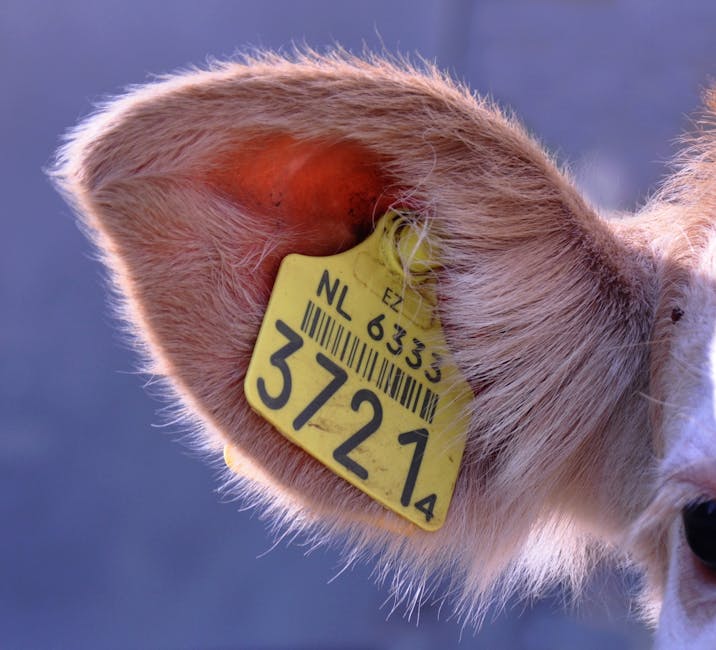
- Place tags in the middle of the ear between the ribs to avoid tearing
- Check tags regularly during the first months for retention
Research shows that early tagging—typically within 24 to 72 hours after birth—maximizes retention rates and reduces the chance of mix-ups. However, some farms delay tagging until calves have stabilized post-birth. The choice depends on farm routines and labor availability.
Using disinfected tagging tools is critical to avoid infection at the tagging site. Applying antiseptics immediately after tagging and monitoring for signs of inflammation can prevent complications. Additionally, using appropriate tag sizes based on calf ear size reduces discomfort and tag loss.
Tag placement is not only about preventing ear damage but also about tag visibility and ease of scanning. Typically, the middle third of the ear between the two cartilage ribs is ideal. Avoid the ear tip, which is prone to damage, and the base near the head where tags may be obscured.
Regular inspections—at least monthly during the first six months—help identify tags that are loosening or damaged. Prompt replacement reduces risks of misidentification and the administrative burden of correcting records later.
Step 4: Maintain Detailed Records in a Centralized System
Accurate, up-to-date records are the backbone of any identification system. Most farms now use digital herd management software, but paper logs can also work if organized well. Essential data to track includes:
- Animal ID number
- Date of birth
- Parentage (sire and dam)
- Health treatments and vaccinations
- Breeding records and pregnancy checks
- Sale or cull dates
Example software options include CattleMax, AgriWebb, and Herdwatch. These allow quick searching, reporting, and data backup.
Digital systems often provide additional functionalities such as automated reminders for vaccinations, breeding windows, or veterinary visits. Integration with RFID readers further enhances data accuracy and speeds up record updates.
For disease control, detailed health records linked to IDs allow identification of exposure patterns or recurring health issues, facilitating targeted interventions. Breeding records with accurate sire and dam data enable genetic evaluations and support selective breeding for traits such as feed efficiency, milk production, or disease resistance.
Farmers practicing organic or specialty production may also need to record compliance-related data, such as treatments allowed under certification schemes or animal welfare protocols.
Data security is another consideration. Cloud-based systems offer the advantage of off-site backups, protecting against data loss from hardware failures or farm disasters. Many platforms also offer mobile apps enabling real-time data entry during fieldwork.
Step 5: Conduct Regular Identification Audits
Perform quarterly or biannual audits to ensure IDs remain legible and correctly matched to records. Audits involve:
- Visually inspecting all ear tags or alternative IDs
- Cross-checking animal presence against records
- Re-tagging animals with lost or damaged tags immediately
- Verifying scanned RFID data against expected IDs
Audits are a vital control to catch any discrepancies early before they escalate. For example, inconsistencies discovered during audits can highlight animals that have swapped tags or record entry errors. This is particularly important prior to major events such as sales, shows, or veterinary treatments.
Some farms combine audits with health or breeding checks to make efficient use of labor. Using handheld RFID readers with software that flags missing or duplicate tags can streamline the audit process.
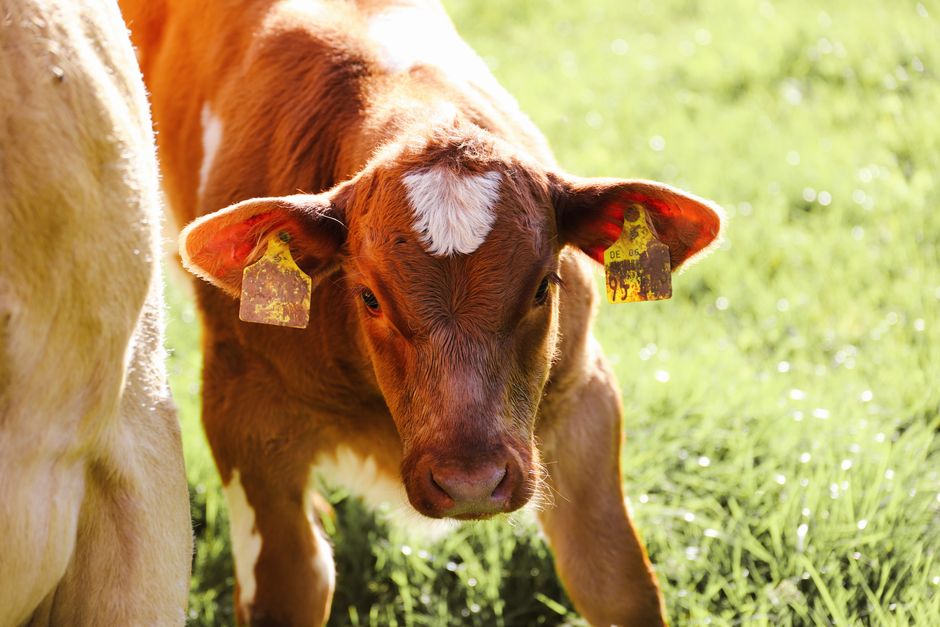
When re-tagging, it is advisable to use tags linked to the original ID number to maintain continuity in records. A dual-tag system—primary and secondary tags—can be used to reduce risk of complete ID loss.
Data from audits can also inform tag durability assessments, helping farmers adjust their choice of tag materials or application methods to improve retention rates over time.
Step 6: Train Farm Staff and Visitors on Identification Protocols
Consistent application of identification procedures requires well-informed personnel. Training topics should cover:
- Proper tagging techniques and animal handling
- Record entry standards and importance of timely updates
- Recognizing and reporting lost or damaged IDs
- Understanding the farm’s numbering system and tagging schedule
Training should be ongoing, especially as new staff join or when changes to protocols occur. Practical demonstrations combined with written materials or videos can cater to different learning styles. Ensuring that all personnel understand the importance of precise identification helps reduce mistakes and animal stress during handling.
Visitors such as contractors or veterinarians who may handle animals should also be briefed on identification policies to prevent accidental removal or damage of tags.
Farmers can establish a “tagging checklist” or quick-reference guides to reinforce best practices and speed up routine tasks. Periodic refresher sessions can update staff on new identification technologies or regulation changes.
It is also beneficial to cultivate a culture of responsibility, encouraging staff to report missing or damaged IDs promptly rather than ignoring issues. This mindset supports proactive herd management and animal welfare.
Step 7: Stay Updated on Legal Requirements and Industry Standards
Identification regulations vary by country and region but typically include requirements for traceability, animal movements, and disease control. For instance:
- United States: USDA requires official ID for interstate movement
- European Union: Electronic identification and passports for bovine animals
- Australia: National Livestock Identification System (NLIS) mandates RFID tags
Beyond legal compliance, many markets demand strict traceability for export certification or quality assurance programs. For example, beef processors targeting international markets may require verified identification records to meet food safety standards.
Failing to comply with identification regulations can lead to penalties, shipment rejections, or loss of market access. Therefore, it is critical to stay informed through regular consultation with local agricultural authorities, industry groups, or extension services.
Many governments publish updated guidance online or conduct training workshops to help farmers meet evolving standards. Participating in these initiatives can also provide access to subsidies or technical support for upgrading identification infrastructure.
Additionally, the rise of “One Health” initiatives linking animal, human, and environmental health highlights the role of animal identification in surveillance and response frameworks for zoonotic diseases. Proactive identification practices thus contribute to broader public health goals.
Summary Table: Cattle Identification Checklist
| Step | Action | Key Considerations |
|---|---|---|
| 1 | Select identification method(s) | Balance cost, durability, ease of reading, and legal requirements |
| 2 | Create unique ID numbering system | Use farm prefix, year, and sequential numbers |
| 3 | Tag calves early and properly | Minimize stress, use disinfected tools, check retention |
| 4 | Keep detailed, updated records | Include all vital animal data; prefer digital management |
| 5 | Perform regular ID audits | Inspect tags; re-tag lost/damaged IDs promptly |
| 6 | Train staff on ID protocols | Ensure consistency and understanding across team |
| 7 | Monitor legal and industry updates | Stay compliant with changing regulations |
Final Tips for Successful Cattle Identification
- Plan ahead for tag replacements—keep spare tags and tools accessible. Maintaining an inventory ensures swift action when tags are lost and avoids handling delays.
- Use color-coded tags to identify groups by age, breed, or health status. For example, calves from different calving seasons or vaccination groups can be quickly sorted, simplifying management during feeding or medical treatments.
- Backup digital records regularly and consider cloud-based solutions for disaster recovery. Implementing scheduled data backups and secure password policies protects your herd data from accidental loss or cyber threats.
- Engage with local cattle associations or extension services for best practices and support. Networking with peers and experts can provide insights into new identification technologies, funding opportunities, and regulatory changes.
- Consider environmental impacts when selecting tags—for instance, biodegradable ear tags are becoming available, reducing plastic waste in farm environments.
- Maintain good animal handling facilities and procedures to minimize stress during tagging and inspections, which improves animal welfare and staff safety.
- Evaluate the ROI of identification investments by tracking improvements in herd health, breeding outcomes, and operational efficiency over time.