
Why Choosing the Right Identification Method Matters
Effective cattle identification underpins every aspect of modern herd management. From tracking animal health and breeding history to meeting regulatory demands and preventing theft, the method you choose for identifying your cattle can greatly impact your farm’s efficiency and profitability.
With a variety of options available—including ear tags, branding, RFID chips, and more—selecting the best approach requires weighing factors such as durability, cost, ease of use, and compliance with local laws. This article breaks down the pros and cons of common identification methods to help you make an informed choice tailored to your operation.
Common Cattle Identification Methods: Overview and Uses
Below are the most widely used identification methods on cattle farms, each with unique features and applications.
1. Visual Ear Tags
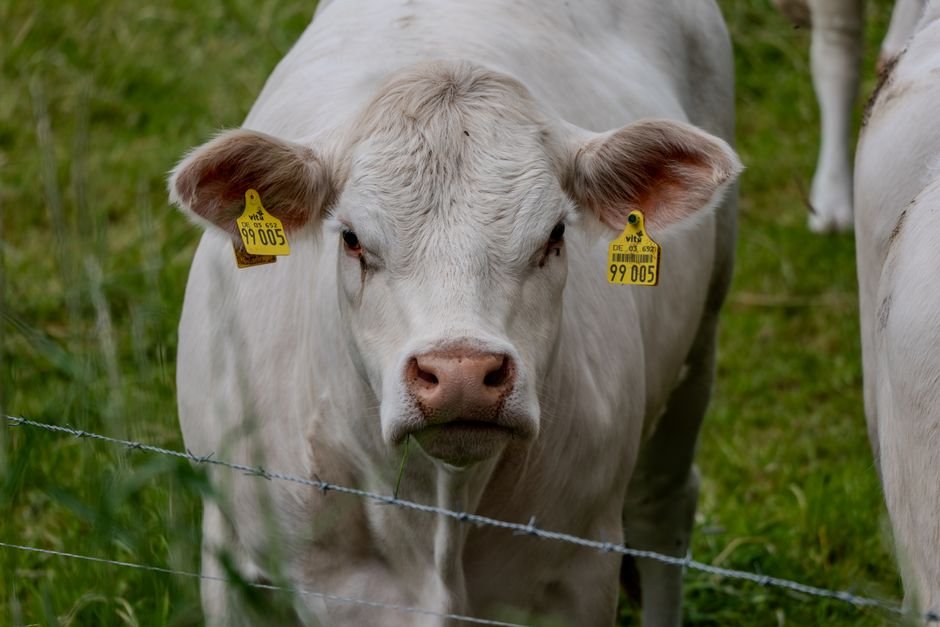
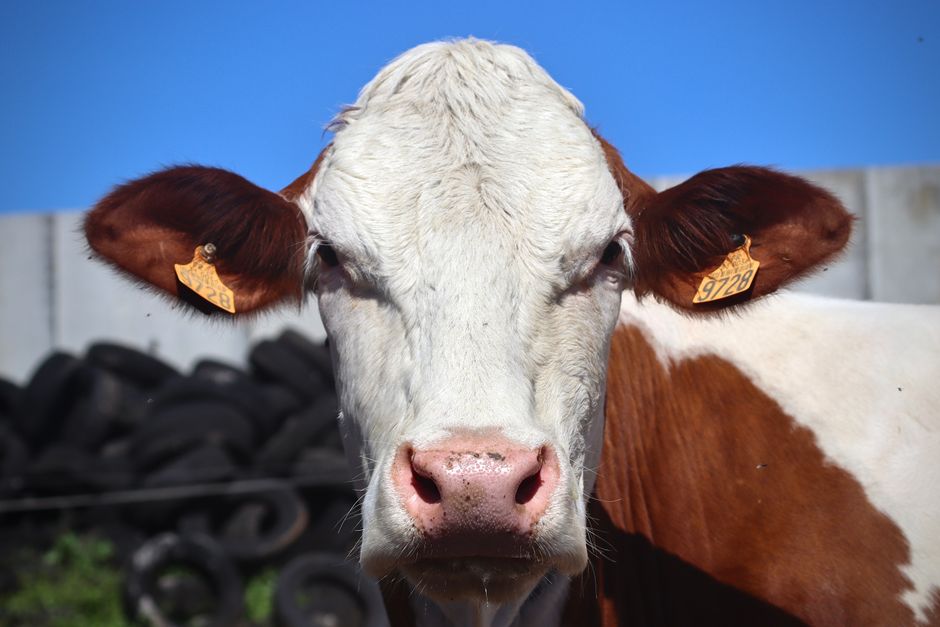
Perhaps the most familiar method, ear tags are color-coded plastic or metal tags attached to a cow’s ear with a numbering system.
- Advantages: Cost-effective, easy to apply, visible from a distance, and compatible with manual recordkeeping.
- Disadvantages: Prone to loss or damage, can cause infections if applied improperly, and limited data capacity.
- Typical Cost: $0.20 to $1 per tag, plus applicator cost.
2. Hot Iron Branding
Using a heated iron to burn a permanent mark onto the cow’s hide, branding has been a traditional method for centuries.
- Advantages: Permanent and highly visible, deters theft, no technology needed.
- Disadvantages: Painful for the animal, can cause skin damage, less accepted in some regions due to animal welfare concerns, and difficult to read from a distance.
- Typical Cost: Initial iron purchase $30-$100; labor intensive.
3. Freeze Branding
An alternative to hot branding, freeze branding uses extreme cold to alter the hair follicle pigment, producing a white mark.
For more on this, see our related guide: Mastering Cattle Behavior and Handling for Safer, More Efficient Farming.
- Advantages: Less painful than hot branding, permanent, and easier to read on dark-skinned cattle.
- Disadvantages: Requires specialized liquid nitrogen, skill to perform properly, and the mark can be less visible on light-colored cattle.
- Typical Cost: Initial equipment $200-$500; liquid nitrogen costs vary.
4. RFID (Radio Frequency Identification) Tags
RFID tags store unique digital data transmitted via radio waves to a reader device for quick, hands-free identification.
- Advantages: Fast data retrieval, reduces human error, integrates with automated systems, and supports large datasets including health records.
- Disadvantages: Higher initial costs, requires technology infrastructure, and some tags can be lost or damaged.
- Typical Cost: $2 to $5 per tag, plus reader device costs starting around $300.
5. Neck Chains and Collars
Metal or plastic collars with identification plates or embedded chips are another option, especially for dairy cattle.
- Advantages: Easy to read, less risk of ear damage, can include sensors for additional monitoring (e.g., activity, temperature).
- Disadvantages: Can slip off or be chewed, risk of injury if caught on fences, and require regular maintenance.
- Typical Cost: $5 to $20 per collar.
Key Factors to Consider When Choosing a Cattle Identification Method
Not all identification methods will suit every farm. Consider these critical factors before deciding which system fits your needs best.
Compliance with Regulations
Many countries and regions have mandatory identification requirements for traceability and disease control. For example, the United States uses USDA-approved ear tags for interstate cattle movement, while the European Union mandates electronic identification in certain member states.
Check your local regulations early, as some identification options may not be legally acceptable.
Herd Size and Management Style
Large-scale operations with hundreds or thousands of cattle often benefit from RFID systems due to automation and quick data capture. In contrast, small farms might prioritize cost-effectiveness and simplicity, making visual ear tags a better option.
If you’re also looking into this, our article on Why Accurate Record Keeping is Essential for Small Cattle Operations covers it in more detail.
Durability and Visibility
Consider environmental conditions such as mud, brush, and weather that might damage or obscure identification. Ear tags may need frequent replacement in rough terrain, while branding offers permanence but less clarity from a distance.
Animal Welfare Considerations
The method chosen should minimize stress and pain. Branding, especially hot branding, raises ethical concerns and may be prohibited or frowned upon in some regions. Modern farms tend to favor less invasive alternatives like RFID or ear tags.
Cost and Labor Inputs
Initial and ongoing costs can vary significantly. While branding irons last many years, labor is intensive. RFID systems have higher upfront technology costs but reduce labor over time by simplifying data collection.
Data Management Needs
If your operation requires detailed records on health, breeding, feed efficiency, or genetics, electronic identification systems with integrated software provide the best support.
Comparison Table of Cattle Identification Methods
| Method | Visibility | Durability | Animal Stress | Cost per Animal | Data Storage | Labor Intensity |
|---|---|---|---|---|---|---|
| Visual Ear Tag | High | Moderate (can be lost) | Low | $0.20 – $1 | Limited (ID number only) | Low |
| Hot Iron Branding | Moderate | Very High (permanent) | High (painful) | Low (equipment cost spread) | None | High |
| Freeze Branding | Moderate | High (permanent) | Moderate | Moderate (equipment + nitrogen) | None | Moderate |
| RFID Tag | Low (requires reader) | High (depends on tag) | Low | $2 – $5 | Extensive (digital records) | Low (automated scanning) |
| Neck Collar | High | Moderate | Low to Moderate | $5 – $20 | Limited to extensive (if sensor-equipped) | Moderate |
Real-World Examples of Identification Choices
Example 1: Small Family Farm in the Midwest
This farm manages 50 head of cattle primarily for beef production. The owner prioritizes low cost and ease of use. Visual ear tags with unique numbers are applied at birth, allowing quick identification during routine checks. The farm maintains manual records supplemented by a smartphone app.
This ties in closely with The Essential Guide to Understanding Cattle Registration Certificates, worth a look if you want to go deeper.
Example 2: Large Dairy Operation in New Zealand
With over 1,000 cows, this farm uses RFID ear tags integrated with automated milking systems. The technology tracks individual milk yields, health alerts, and breeding data, reducing labor and increasing herd productivity. Though initially costly, the system saves time and improves data accuracy.
Example 3: Ranch in Australia with Theft Concerns
The ranch uses freeze branding alongside visual ear tags. Branding provides a permanent mark deterring theft, while tags assist with quick identification. The ranch adheres to strict animal welfare guidelines by using freeze branding, which is less painful than hot branding.
Step-by-Step Guide to Selecting Your Cattle Identification Method
- Assess your herd size and management style. Larger herds often benefit from automated solutions.
- Review local regulations. Ensure your choice complies with legal requirements for traceability.
- Evaluate your budget. Consider both upfront and ongoing costs including labor.
- Consider animal welfare. Choose less invasive options where possible.
- Determine data needs. Will you need to link ID to health, breeding, or production records?
- Compare durability and visibility. Match the method to your farm environment.
- Test small batches. Trial a method before full implementation to evaluate ease and effectiveness.
Conclusion
Choosing the right identification option for your cattle is not a one-size-fits-all decision. By understanding the strengths and limitations of methods like ear tags, branding, and RFID, alongside your operational goals, budget, and local regulations, you can select a system that enhances herd management and protects your investment.
Balanced consideration of welfare, practicality, and data management will yield an ID solution that fits seamlessly into your farm’s daily rhythm and long-term strategy.