
Understanding Identification in Cattle Farming
Identification in cattle farming is an essential practice used to track, manage, and monitor individual animals within a herd. Methods range from traditional ear tags and branding to more advanced electronic identification (EID) systems. Despite its widespread adoption, identification comes with notable disadvantages that can impact animal welfare, operational efficiency, and farm economics. This article explores these drawbacks in detail, providing cattle farmers with insight into potential challenges before adopting or expanding identification systems.
Common Identification Methods and Their Context
Before diving into disadvantages, it’s important to outline the common identification methods applied in cattle farming:
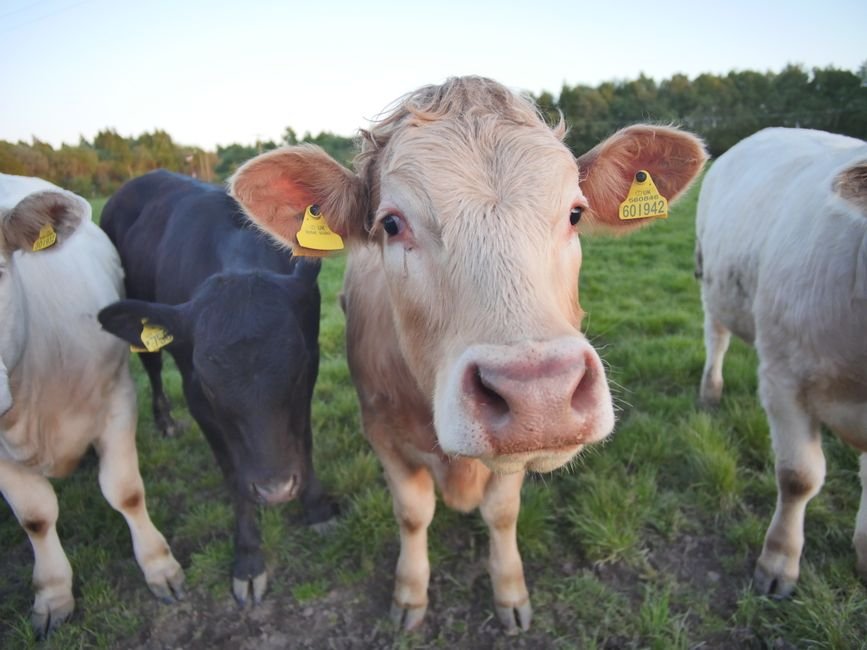
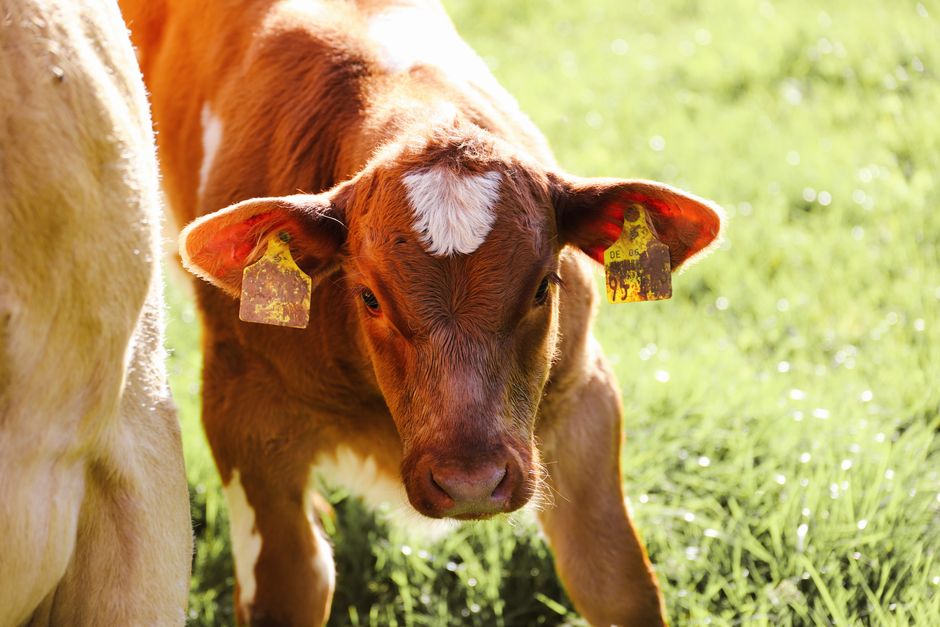
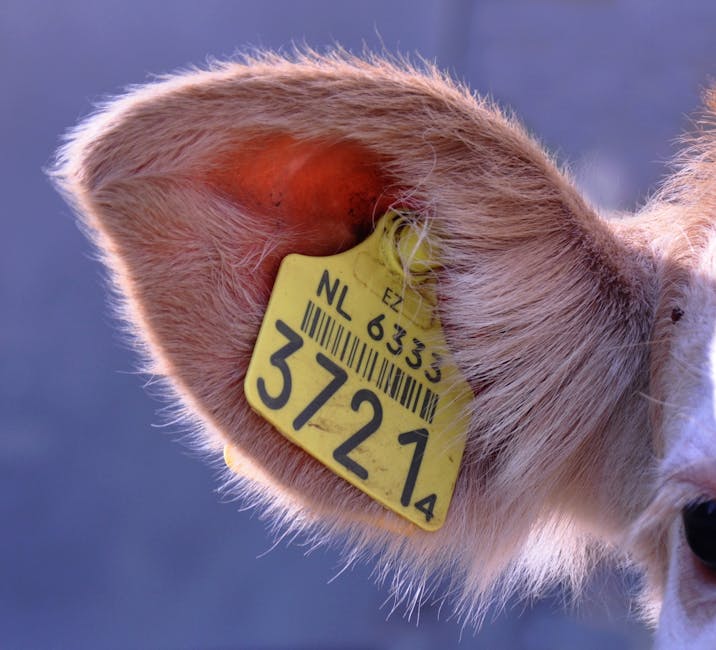
- Ear Tags: Plastic or metal tags attached to the ear, often with numbers or barcodes. These are the most commonly used due to low cost and ease of application, but their visibility and durability vary widely depending on environmental factors and tag quality.
- Branding: Hot-iron or freeze branding to mark the animal’s hide permanently. Branding is a traditional method valued for its permanence but is increasingly scrutinized due to animal welfare concerns.
- Electronic Identification (EID): RFID tags or boluses used to electronically track cattle. These systems offer automated data capture and integration with herd management software but require significant investment and infrastructure.
- Tattoos: Ink markings inside the ear or on the skin. While inexpensive and permanent, tattoos can fade or be difficult to read without close inspection, limiting their practical use.
Each has unique benefits but also shares common disadvantages related to animal stress, costs, and management complexity. For example, while ear tags facilitate quick visual identification, they can be lost or damaged, whereas EID systems, though more reliable in data collection, may fail due to electronic interference or hardware malfunction.
1. Animal Welfare Concerns
Stress and Pain During Application
Identification procedures often cause stress and pain to cattle. For example, ear tagging requires restraining the animal and piercing the ear, which can trigger acute pain and subsequent behavioral changes. Studies show calves experience heightened cortisol levels—increased stress hormones—after tagging or branding, which can affect appetite and growth. In one study conducted at a university research center, calves tagged at birth exhibited behavioral signs of pain such as head shaking and ear flicking for up to 48 hours post-procedure.
Branding, especially hot-iron branding, inflicts a more intense pain due to tissue burning, which may lead to lasting discomfort. Freeze branding, though less painful, still causes nerve damage and skin irritation. These procedures often require prolonged restraint, which can compound stress, especially in young or poorly handled animals.
Even tattooing, considered less invasive, involves injecting ink under the skin with a needle, causing discomfort and stress during application, particularly if the animal struggles during the process.
Risk of Infection and Injury
Piercing the ear for tags or tattoos creates an open wound vulnerable to infection. In conditions like wet or muddy environments, this risk increases significantly. For instance, farms located in humid or rainy climates report higher incidences of ear abscesses following tagging, which require veterinary intervention and antibiotic treatment, adding to costs and animal discomfort.
Improperly applied or low-quality tags can also tear out, causing bleeding and prolonged discomfort. Tags snagged on fencing or brush can result in partial or complete ear tearing, sometimes necessitating surgical repair or leading to chronic pain. A survey of ranchers in the Midwest found that approximately 7% of tagged cattle suffered some form of ear injury attributable to tag loss or damage each year.
In addition, freeze branding can cause skin damage that sometimes results in secondary infections or scarring that may impact hide quality, reducing the eventual value of the animal’s leather products.
Long-Term Impact on Behavior
Repeated handling for identification or tag replacement may lead cattle to become more skittish or aggressive, complicating routine management tasks. Animals subjected to frequent tagging or re-tagging often develop avoidance behaviors, such as balking at chutes or headlocks, making veterinary treatments, weighing, or transport more difficult and risky for handlers.
In extreme cases, chronic stress associated with handling during identification can reduce social cohesion within the herd, as animals become more reactive and less tolerant of close contact. This can lead to increased injuries from fighting or escape attempts. Research from a large-scale feedlot operation noted a 15% increase in escape attempts and injuries in cattle that underwent multiple handling events for tagging and vaccination within the same season.
For more on this, see our related guide: Mastering Cattle Behavior: A Guide to Health, Welfare, and Management.
Moreover, stress responses triggered during identification may suppress immune function, indirectly increasing susceptibility to disease outbreaks within the herd.
2. Financial and Operational Costs
Initial Investment and Maintenance
Identification systems, especially electronic ones, require upfront costs for equipment, software, and training. For instance, RFID readers can cost between $500 and $2,000 each, while individual tags themselves may run $5 to $15 per animal, depending on technology. Beyond the hardware, ongoing costs include software subscriptions, system upgrades, and technical support—expenses that can strain small- and medium-sized farms.
Additionally, tags wear out or get lost—ear tags have documented loss rates ranging from 5% to 20% annually, depending on environment and tag quality—necessitating replacements and repeated labor. Tag loss is higher in extensive grazing systems where cattle roam large areas with dense vegetation, increasing the likelihood of physical tag damage. Replacing lost tags requires re-catching animals, which involves labor, time, and additional stress on the herd.
Branding, while not requiring high-tech equipment, demands skilled labor and extended handling time, both contributing to higher per-animal costs. Freeze branding requires special equipment such as liquid nitrogen containers and protective gear, adding to expenses and logistical complexity.
Labor Intensity and Time Consumption
Tagging or branding cattle is labor-intensive, requiring skilled personnel and adequate facilities. For larger herds, this can mean several hours or days of dedicated work, diverting resources from other farm operations. For example, a ranch with 500 head of cattle may allocate multiple staff members for up to a week during branding season, incurring overtime payments or temporary labor costs.
In addition, poorly designed handling facilities can increase time spent per animal, exacerbate animal stress, and elevate injury risk. Farms without proper chutes or restraint equipment face challenges in safely applying identification marks, leading to a higher rate of errors and incomplete tagging.
Moreover, identification tasks often coincide with other management operations such as vaccination and deworming, extending the duration and complexity of animal handling sessions.
Data Management and Record Keeping
Electronic systems generate large volumes of data requiring effective management. Without proper software and training, farms risk data loss or errors, reducing the value of identification efforts. Digital record-keeping systems may be expensive to implement and maintain, and software compatibility issues can hinder seamless integration with other farm management tools.
Manual systems like numbered tags demand meticulous paper records that can be lost, damaged, or misread. In large or multi-location operations, coordinating data across physical and digital records can be cumbersome, leading to inconsistencies that compromise traceability.
Data security is another consideration, as digital systems are vulnerable to hacking or accidental deletion. Farms not equipped with adequate backup protocols risk losing critical identification and health records, which can have regulatory and economic consequences.
3. Limitations in Accuracy and Reliability
Tag Loss and Damage
Physical tags are prone to falling off or being damaged by environmental factors or other cattle. This compromises the ability to consistently track individual animals over time. For example, in a study conducted on beef cattle, approximately 12% of ear tags were lost within the first year—a significant factor undermining herd traceability.
If you’re also looking into this, our article on Mastering Cattle Behavior and Handling for Safer, More Efficient Farming covers it in more detail.
Tag loss rates differ by tag type, ear placement, and animal behavior. For instance, tags attached closer to the ear tip are more susceptible to snagging, while very active or aggressive animals tend to lose tags more frequently due to head-butting or scratching.
Damage to tags, such as fading barcodes or cracked plastic, can render them unreadable, making visual or electronic identification impossible. This necessitates manual verification, increasing labor demands and the potential for errors.
Electronic Interference and Malfunction
RFID tags and readers can experience interference from metal structures, weather conditions, or damaged antennas. Metal corrals, feed bunkers, or transport trailers can distort electromagnetic fields, reducing read accuracy and range. Rain, dust, and extreme temperatures also affect equipment performance.
Malfunctioning equipment can result in incomplete or inaccurate data, complicating decision-making around breeding, health, or sales. For example, if some animals fail to register during automated sorting or weighing, it can lead to missed treatments or incorrect inventory counts.
Moreover, RFID boluses placed in the rumen may fail if the tag is expelled or malfunctions internally, necessitating re-administration—an invasive and stressful procedure.
Human Error in Identification
Manual identification methods rely on human accuracy. Mistakes in reading or recording tag numbers can cause misidentification, leading to errors in vaccination, treatment, or breeding records. Even with electronic systems, operators can mislabel data entries or misinterpret automated outputs, especially if users are inadequately trained.
Misidentification can have serious consequences, such as administering incorrect medications, breeding suboptimal animals, or failing to comply with traceability regulations. In some documented cases, these errors have led to disease outbreaks due to missed vaccinations or improper quarantine.
4. Ethical and Legal Challenges
Animal Rights Considerations
Some identification practices, particularly branding, face criticism from animal welfare advocates due to the pain inflicted. This can lead to public relations challenges, especially for farms marketing products as ethical or sustainable. Consumer demand for welfare-friendly products is rising, pressuring producers to adopt less painful identification alternatives.
In certain markets, retailers and certification bodies now require evidence of humane treatment, which may exclude hot-iron branding or mandate the use of pain mitigation protocols. This adds complexity to farm practices and may increase costs.
Furthermore, public awareness campaigns and social media can amplify negative perceptions of some identification methods, potentially impacting farm reputations and market access.
This ties in closely with Why Accurate Record Keeping is Essential for Small Cattle Operations, worth a look if you want to go deeper.
Regulatory Compliance Burdens
In some regions, identification is mandated by law with strict requirements on how it must be performed and recorded. Non-compliance can lead to fines or bans on selling livestock, adding pressure and complexity to farm management. For example, the European Union’s regulations on cattle traceability require electronic tagging and detailed record-keeping, imposing demanding standards on farmers.
Compliance often involves keeping up-to-date with evolving legislation, investing in certified equipment, and submitting regular reports to authorities. These requirements can be particularly burdensome for smallholder farmers or those operating in multiple jurisdictions.
Failure to adhere not only risks financial penalties but can also affect access to export markets, as traceability is a key component of international trade agreements and food safety standards.
5. Impact on Animal Performance
Identification procedures can affect cattle performance metrics such as growth rate and reproductive success. Stress and infection from tagging or branding can reduce feed intake and weight gain. For example, a trial with dairy heifers found that animals tagged and handled frequently showed a 5% reduction in average daily gain compared to untagged counterparts during the first month post-tagging.
Additionally, pain and stress from identification may suppress reproductive hormones, potentially delaying puberty onset or reducing conception rates. A study in beef heifers indicated a slight but measurable delay in first estrus following branding, suggesting physiological stress effects on fertility.
In feedlot operations, any performance setback can translate into reduced profitability due to longer time to market and increased feed costs. Even small percentage differences in growth can impact the overall economics of cattle production at scale.
Comparing Identification Disadvantages Across Methods
| Identification Method | Animal Stress | Cost per Animal | Durability | Data Management | Common Issues |
|---|---|---|---|---|---|
| Ear Tags (Plastic/Metal) | Moderate (pain from piercing, behavioral impact) | $1 – $5 | Prone to loss (5-20% annually), damage from environment or animals | Manual or electronic, risk of data entry errors | Tag loss, infection risk, ear injury, fading |
| Branding (Hot/Freeze) | High (painful, permanent, significant stress) | Variable (labor intensive, equipment cost) | Permanent mark, but risk of skin damage and infection | Manual recording, often paper-based | Animal welfare concerns, skin damage, public perception issues |
| Electronic ID (RFID Tags) | Low to moderate (piercing or bolus insertion, less frequent handling) | $5 – $15 | High, but potential malfunctions and interference | Automated data capture, requires trained operators and software | Equipment failure, interference, electronic data vulnerability |
| Tattooing | Moderate (ink injection pain, handling stress) | Low | Permanent, but hard to read and subject to fading | Manual recording, prone to errors | Visibility issues, fading, requires close inspection |
Mitigating the Disadvantages
While disadvantages exist, they can be mitigated with best practices:
- Use High-Quality Materials: Investing in durable tags reduces loss rates and skin irritation. For example, tags with reinforced locking mechanisms and UV-resistant coatings can last longer in harsh outdoor conditions.
- Train Personnel Thoroughly: Proper handling and application minimize stress and injuries. Training should include low-stress animal handling techniques, correct tag placement to avoid blood vessels or cartilage, and hygiene protocols to prevent infections.
- Implement Good Data Systems: Using digital record keeping with backups avoids errors and data loss. Integrating identification data with herd management software can streamline health monitoring, breeding programs, and regulatory reporting.
- Consider Animal Welfare: Apply pain relief where feasible, such as topical anesthetics or analgesics during branding or tagging. Whenever possible, avoid branding in favor of less painful methods, especially on young animals.
- Schedule Identification Wisely: Tagging young calves early reduces behavioral impact on older animals and allows recovery before stressful handling occurs again. Align identification with other routine procedures, such as vaccinations, to minimize repeated handling.
- Maintain Equipment and Facilities: Regular inspection and maintenance of tagging tools, RFID readers, and handling facilities can prevent malfunctions and reduce the duration of handling sessions.
- Adopt New Technologies Carefully: Emerging identification methods like biometric recognition or injectable transponders may offer alternatives with fewer welfare concerns, but require validation and cost-benefit analysis before large-scale adoption.
Final Thoughts
Identification is indispensable for modern cattle farming, enabling traceability, health management, and regulatory compliance. However, understanding its disadvantages—from animal welfare concerns to operational costs—is crucial for making informed decisions. By carefully selecting identification methods and applying best practices, farmers can balance the benefits of identification with its inherent challenges, ultimately supporting both herd health and farm productivity.
Looking forward, ongoing research into less invasive and more reliable identification technologies, combined with evolving ethical standards, will likely shape how cattle identification is performed in the future. Farmers who stay informed and adaptable will be better positioned to optimize their identification strategies for both economic and animal welfare outcomes.