
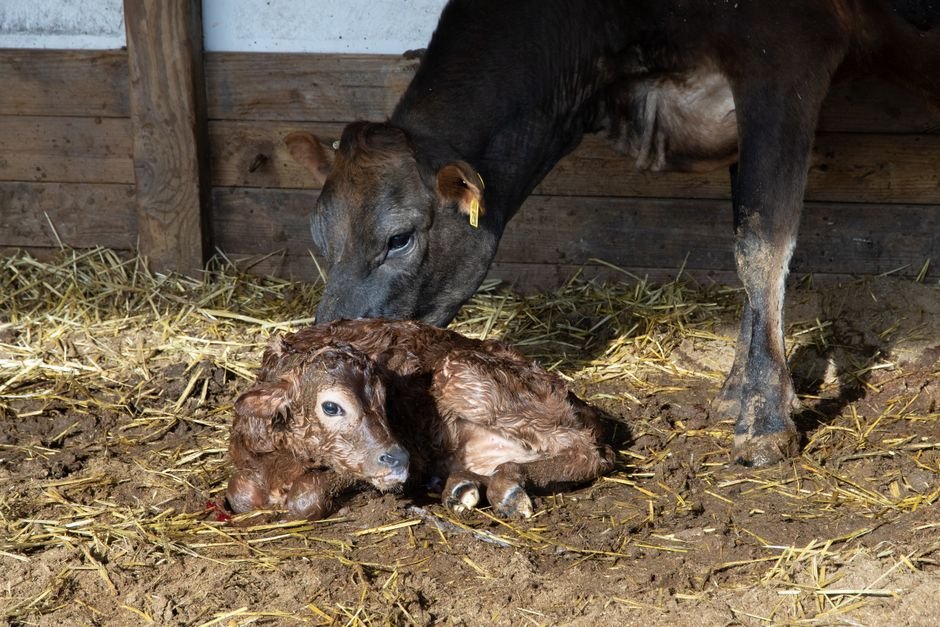
How to Raise a Calf from Birth to Weaning: A Direct Answer
Raising a healthy calf from birth to weaning requires providing colostrum within the first 2 hours, feeding high-quality milk or milk replacer daily, ensuring clean housing, introducing starter grain by week two, and gradually transitioning to solid feed by 6 to 8 weeks. Monitoring health and growth closely during this period supports strong immune development and successful weaning. Attention to detail in these early stages lays the foundation for productive, resilient animals that will thrive in the herd.
Why the First Hours Matter: Colostrum Feeding
The calf’s immune system is undeveloped at birth, making colostrum feeding critical. Colostrum, the first milk from the dam, is packed with antibodies needed to fight infections. According to the National Animal Health Monitoring System (NAHMS), calves must receive at least 4 liters of high-quality colostrum within the first 2 hours—and a total of 6 liters within 12 hours—to maximize immunity transfer.
Use a clean nipple bottle or esophageal feeder to administer colostrum. Frozen colostrum stored properly at -20°C can be thawed and used if fresh colostrum isn’t available. Test colostrum quality with a Brix refractometer; values above 22% indicate good antibody levels. Failure to provide adequate colostrum increases the risk of diseases like scours and pneumonia.
Beyond just volume and timing, colostrum quality can vary significantly between individual cows and across lactations. First-milking colostrum generally has the highest immunoglobulin concentration, sometimes exceeding 50 g/L IgG, whereas later milkings have substantially less. Storing colostrum properly after collection—labeling with date and cow ID, rapidly cooling to 4°C, or freezing in 1-liter aliquots—preserves antibody integrity. Avoid repeated freeze-thaw cycles, which degrade immunoglobulins.
Additionally, some producers supplement colostrum feeding with commercial colostrum replacers when maternal colostrum is unavailable or inadequate. These products can help, but studies show they typically do not fully match natural colostrum’s efficacy in passive immunity transfer. Therefore, whenever possible, use high-quality maternal colostrum as the first choice.
It is also important to observe the calf’s behavior during feeding. A strong suckle reflex and vigorous feeding are positive signs; weak or absent suckling may require prompt intervention with an esophageal feeder to prevent failure of passive transfer (FPT), which is linked to higher morbidity and mortality. Research shows calves with adequate passive immunity gain weight faster, have reduced veterinary costs, and show lower mortality through the pre-weaning period.
Housing Essentials for Newborn Calves
Calf housing should be clean, dry, and well-ventilated to reduce disease risk. Individual hutches or calf pens with at least 35 square feet per calf are recommended by the University of Minnesota Extension. Housing on raised platforms with straw bedding helps maintain dryness and warmth. Calves require temperatures around 50°F or higher; supplemental calf jackets or heat lamps may be needed in colder climates.
Separate housing reduces disease transmission, especially respiratory illnesses. Frequent cleaning and bedding replacement—at least twice weekly—also help keep calves healthy.
Ventilation is a critical aspect often underestimated in calf housing. Poor airflow can lead to an accumulation of ammonia and moisture, which impairs respiratory health. Studies indicate that calves housed in well-ventilated environments have fewer incidents of respiratory disease and improved weight gains. Natural ventilation via open sides or ridge vents in hutches is preferred, but mechanical solutions may be required in enclosed barns.
The choice between individual and group housing also influences calf health. Individual housing minimizes disease spread but may limit social interaction and learning behaviors. Group housing, when managed properly with age-matched calves and proper hygiene, can promote social skills and feed intake but increases disease transmission risk. Some producers use a hybrid system—individual housing during the first 2 to 3 weeks, then transitioning to small groups to balance these factors.
For more on this, see our related guide: Proven Tips to Reduce Weaning Stress in Calves During Hot Weather.
Thermal comfort is vital; calves are born with limited ability to regulate body temperature. In colder climates, research supports the use of calf jackets, which can improve average daily gains by 0.1 to 0.2 kg and reduce illness incidence. Similarly, placing hutches on insulated mats or adding deep straw bedding helps maintain body heat on chilly nights. Conversely, in warm climates, shading and ensuring airflow prevent heat stress, which can suppress appetite and immune function.
Feeding Milk and Milk Replacer: Daily Nutrition Up to Weaning
Most dairy operations feed calves 2 to 3 liters of whole milk or a quality milk replacer twice daily during the first 6 to 8 weeks. Milk replacers should contain at least 20% protein and 15–20% fat, with powdered products like Purina Start & Grow or NutriCalf commonly used. Follow manufacturer instructions, mixing powder with warm water (around 39°C) to preserve nutrient quality.
Feeding higher volumes (up to 8 liters daily) with accelerated programs can promote faster growth but requires careful management to avoid digestive upset. Consistency in feeding times and temperatures maintains rumen development and calf comfort.

Accelerated feeding programs, which provide greater milk volumes (6–8 liters per day), have been shown to increase pre-weaning average daily gain (ADG) to 0.9–1.2 kg compared to conventional feeding (2–3 liters twice daily), which often results in 0.6–0.8 kg ADG. This enhanced growth translates to earlier breeding readiness and higher first lactation milk yields. However, increased feeding volumes can raise risks of diarrhea and bloat if not managed carefully, especially if calves are switched abruptly or fed cold milk.
Milk replacers should be reconstituted accurately; overly dilute solutions reduce nutrient intake, while overly concentrated mixes can cause digestive disturbance. Using warm water around 39°C ensures powder dissolves completely and maintains palatability. Preparing fresh milk replacer twice daily prevents bacterial proliferation. Additionally, feeding at consistent times (e.g., 7 AM and 7 PM) helps establish a routine and reduces stress.
Some producers also add additives such as probiotics, prebiotics, or yeast culture to milk replacers to enhance gut health. Scientific trials support that these supplements can improve feed efficiency and reduce scours incidence by promoting beneficial gut microflora.
Introducing Starter Feed and Water: The Key to Weaning
Solid feed introduction begins by 7 to 10 days of age to stimulate rumen development. A high-quality calf starter containing 18-20% crude protein, such as Purina Accel, should be offered free-choice alongside clean, fresh water. Water consumption encourages feed intake—critical for rumen papillae growth to digest solid feeds efficiently after weaning.
Calves typically consume 0.5 to 1 kg of calf starter daily by 3 to 4 weeks old. Monitor intake as calves reaching 1.5 to 2 kg of starter per day over 3 consecutive days are ready for weaning, typically around 6 to 8 weeks.
The development of the rumen is essential for successful transition off milk feed. In the first weeks, the rumen is small and underdeveloped, but exposure to solid feeds rich in fermentable carbohydrates stimulates microbial colonization and rumen papillae growth. Research shows calves fed high-quality starters with adequate fermentable carbohydrates develop larger rumens with longer papillae, enhancing nutrient absorption.
If you’re also looking into this, our article on Can Cows Eat Watermelon? How to Safely Feed Cull Fruit to Your Herd covers it in more detail.
Water access is often overlooked but is indispensable. Water promotes starter intake and aids in digestion. Calves without free water consume less starter and have slower rumen development. Offering water in clean buckets or automatic drinkers with frequent cleaning encourages consistent consumption.
Choosing a calf starter with appropriate particle size and palatability is important. Fine ground starters may be easier to consume initially but can increase the risk of acidosis; coarser particles encourage rumination and saliva production, buffering rumen pH. Some producers gradually transition calves to textured starters combining grains and pellets to optimize intake and rumen health.
Health Monitoring and Vaccination Protocols
Careful health observation is critical. Check calves twice daily for signs like diarrhea, coughing, nasal discharge, and lethargy—signs of scours or respiratory disease, which are leading causes of calf mortality. Maintain a clean environment and isolate sick calves promptly.
Vaccination schedules vary by region and herd risk, but common vaccines include respiratory complex vaccines (e.g., IBR, BRSV, PI3) administered around 2 to 4 weeks of age. Consult a local veterinarian for customized protocols. Regular deworming is usually unnecessary before weaning but may be considered in high-risk areas.
In addition to clinical observation, routine weight measurements and body condition scoring provide objective metrics of calf health. Weighing calves weekly can identify growth plateaus signaling health or nutritional issues before clinical signs appear. Using scoring systems for fecal consistency helps to detect early scours episodes, allowing prompt treatment.
Biosecurity is essential in calf health management. Limit visitors and equipment sharing between calf pens to prevent pathogen spread. Disinfect feeding equipment daily and use dedicated tools per housing area. Studies have demonstrated that enhanced biosecurity protocols reduce respiratory and enteric disease incidence, improving survival rates.

Vaccination timing should consider maternal antibody interference. Calves receiving high-quality colostrum may have circulating antibodies that diminish vaccine efficacy if administered too early. Thus, timing vaccines around 3 to 4 weeks ensures better immune response. Some operations employ intranasal vaccines to stimulate local mucosal immunity earlier, providing protection against respiratory viruses.
Scours prevention also includes maintaining dry bedding and reducing environmental stressors such as overcrowding and extreme temperature changes. Ensuring balanced nutrition and avoiding sudden feed changes reduces digestive upset, lowering diarrhea risk.
Growth Benchmarks and Weaning Process
Healthy calves should gain 0.7 to 1.0 kg (1.5 to 2.2 lbs) daily from birth to weaning. Bodyweight at weaning typically ranges from 60 to 90 kg, depending on breed and feeding program. Holstein calves, for example, generally wean closer to 70–80 kg.
This ties in closely with Effective Cattle Housing and Shelter: A Comprehensive Guide for Optimal Herd Health, worth a look if you want to go deeper.
Weaning should be gradual. Reduce milk feeding over 1 to 2 weeks as starter intake increases, ensuring calves consume enough solid feed to meet energy needs. Abrupt weaning can cause growth setbacks and illness. Continue offering clean water and starter feed through weaning and beyond to support a smooth transition.
Implementing a step-down weaning protocol—reducing milk volumes by 25–50% every 3 to 4 days—helps calves adapt more comfortably to solid feed reliance. This approach minimizes stress and prevents sudden energy deficits that can lead to weight loss and increased susceptibility to disease. Monitoring behavior, appetite, and fecal consistency during this period is vital to adjust the pace as needed.
Post-weaning growth rates are equally important; calves should continue to gain at least 0.7 kg/day to support skeletal development and eventual breeding readiness. Supplementing starter feed with high-fiber forages post-weaning aids rumen function and overall health. Producers should also ensure access to minerals and vitamins during this phase to avoid deficiencies that stunt growth.
Summary Table: Key Steps and Timing in Raising a Calf from Birth to Weaning
| Stage | Action | Timing | Notes |
|---|---|---|---|
| Colostrum Feeding | 4 liters of high-quality colostrum | Within 2 hours of birth | Use Brix refractometer to test quality; store and handle properly to preserve antibodies |
| Housing | Individual, clean, dry pens or hutches | From birth onward | Maintain 50°F+, good ventilation; consider calf jackets in cold climates |
| Milk Feeding | Whole milk or replacer, 2-3 liters twice daily | Birth to 6-8 weeks | Mix replacer at 39°C; consider accelerated feeding programs carefully |
| Starter Feed Introduction | High-protein calf starter + water | 7-10 days onward | Encourage intake for rumen development; provide clean fresh water at all times |
| Weaning | Reduce milk as solid feed intake reaches 1.5-2 kg/day | 6-8 weeks | Gradual reduction over 1-2 weeks; monitor intake and health closely |
Frequently Asked Questions
What if a calf refuses to drink colostrum?
If a calf won’t nurse naturally, use an esophageal feeder to deliver colostrum. It ensures the calf receives critical antibodies even if the suckling reflex is weak. Always use sanitized equipment to reduce infection risk. Gentle restraint and warming the colostrum to body temperature can encourage drinking. If refusal persists, evaluate for underlying issues such as weakness or illness and consult a veterinarian promptly.
Can I wean a calf earlier than 6 weeks?
Early weaning before 6 weeks is possible but requires calves to be consistently eating at least 1.5 kg of starter feed daily and showing good health. Premature weaning may increase stress and reduce growth if calves aren’t ready. Early weaning protocols have been successfully used on some farms to reduce labor and feed costs, but success depends on proper nutritional management and close health monitoring.
How do I prevent scours in newborn calves?
Prevent scours by ensuring timely colostrum feeding, maintaining clean housing, providing fresh water, and minimizing stress. Vaccinating dams against rotavirus and coronavirus can also improve calf immunity. Adding electrolytes and probiotics to the diet during high-risk periods or after mild diarrhea can support recovery. Avoid overcrowding and exposure to adult manure to reduce pathogen load in the environment.
Is milk replacer as good as whole milk for calves?
High-quality milk replacers with adequate protein (20%) and fat (15–20%) can match whole milk performance if prepared properly. They’re convenient and reduce disease transmission risk but often cost more than whole milk. Nutrient profiles vary widely among replacers, so selecting products with high digestibility and appropriate amino acid balance is important. Some studies show that well-formulated replacers can even outperform whole milk in growth metrics under controlled conditions.
When should I vaccinate my calf?
Vaccinations typically start between 2 to 4 weeks of age, depending on disease risk and herd health status. Consult your veterinarian to design a tailored vaccination schedule fitting your operation. Intranasal vaccines may be administered earlier to stimulate mucosal immunity. Booster doses and timing relative to weaning should also be planned to enhance protection during stressful periods. Record keeping of vaccination dates ensures compliance and efficacy tracking.