
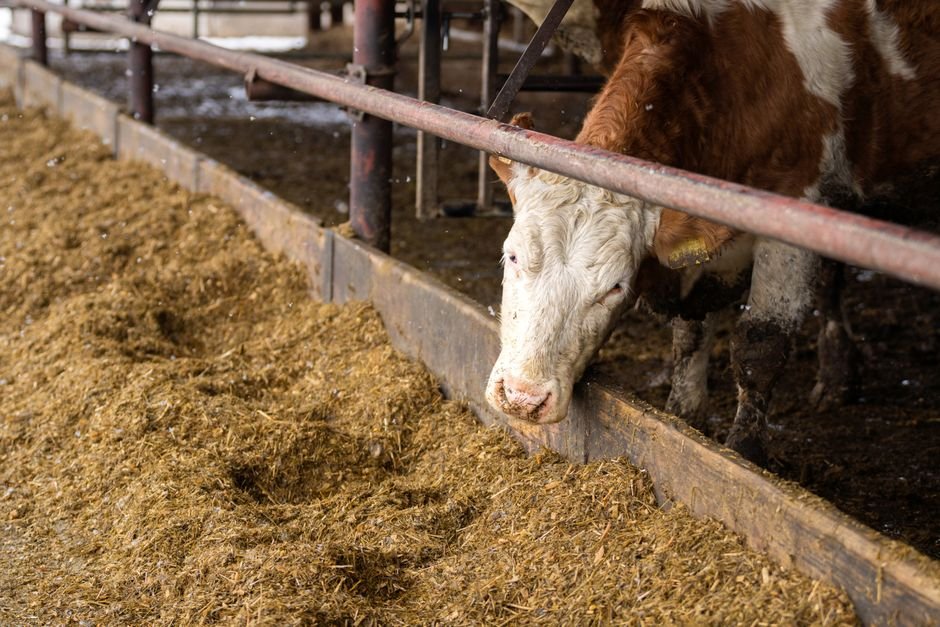
What is backgrounding cattle?
Backgrounding cattle is the management phase that comes after weaning and before finishing. During this stage, calves are grown on forage, hay, silage, or a moderate-energy ration so they gain frame and muscle without becoming overly fat. The goal is to produce a healthier, more durable animal that can handle transport, grazing, or feedlot entry with less stress and better performance later.
In practical terms, backgrounding usually lasts anywhere from 45 to 120 days, though some programs run longer. It is common in beef systems that sell “stocker” or “backgrounded” calves to another owner, or in ranches that want to add pounds before moving cattle into a high-energy finishing phase. The key idea is simple: grow the animal efficiently, not fatten it too early.
How backgrounding fits into beef production
Backgrounding sits between cow-calf production and feedlot finishing. Calves are typically weaned at 6 to 8 months of age, then either sold immediately or kept through a backgrounding program. At this point, the calf is still young and adapting to life without the cow, so the management focus is on health, feed intake, and steady growth.
Many cattlemen use this phase to shift calves from milk and pasture to a ration they can handle later in the feedlot. That may mean grass pasture with supplementation, a growing ration at a drylot, or a combination of both. The exact setup depends on forage quality, weather, local feed costs, and the weight targets of the buyer. In the U.S. beef industry, backgrounding is especially common in cow-calf regions where calves are raised on grass before being shipped to feedlots in the High Plains or Midwest.
Why ranchers background calves instead of selling right after weaning
There are several reasons producers choose to background calves. One of the biggest is risk management. Weaned calves are vulnerable to respiratory disease, shrink, and stress from transport. By keeping them for a while after weaning, ranchers can vaccinate, observe health, and let calves regain condition before they are sold or moved again.
Backgrounding can also add value. A calf that is too light or too green may not attract the same price as a calf that has been weaned, bunk-broke, and put on a steady plane of nutrition. Buyers often pay for calves that are easier to manage and less likely to break down after shipment. In some markets, this is one reason stocker cattle and preconditioned calves bring premiums over unweaned or freshly weaned cattle.
What cattle are fed during backgrounding
The ration depends on whether the cattle are on pasture or in a drylot, but the aim is usually moderate daily gain rather than rapid finishing. Many backgrounding programs rely on good-quality grass, conserved forage, and limited grain. Common feeds include bermudagrass, fescue, wheat pasture, alfalfa hay, grass hay, corn silage, distillers grains, and a mineral package matched to local deficiencies.
For more on this, see our related guide: Proven Tips to Reduce Weaning Stress in Calves During Hot Weather.
A typical backgrounding target is around 1.5 to 2.5 pounds of gain per day, though actual performance varies with forage quality, weather, and health. The diet should supply enough protein and energy to keep calves growing without pushing them into excessive fat cover. Water, salt, and a balanced mineral program matter just as much as the base feed. In many regions, ionophores such as monensin are used in growing rations to support feed efficiency and help reduce coccidiosis risk, but their use should follow label directions and veterinary guidance.
Backgrounding vs. stocker vs. finishing
These terms are often used together, but they are not identical. Backgrounding refers to the management phase after weaning. Stocker cattle usually describes the class of cattle being grazed or grown during that phase, especially when they are sold to another operator. Finishing is the final phase, when cattle are fed a higher-energy ration to reach market finish and carcass fatness.

| Phase | Main goal | Typical feed | Typical outcome |
|---|---|---|---|
| Backgrounding | Grow calves efficiently after weaning | Pasture, hay, silage, moderate-energy ration | Healthier, heavier, more durable cattle |
| Stocker phase | Graze growing cattle for added weight | Forage-based diet with supplements | Added pounds before feedlot or sale |
| Finishing | Reach market weight and carcass finish | High-energy grain-based ration | Market-ready fat cover and marbling |
Understanding the difference matters because a backgrounding operation does not try to make cattle “finished.” It is about preparing them for the next stage while maintaining thriftiness and health. That distinction affects everything from ration design to marketing plans.
Health management during backgrounding
Health is one of the biggest reasons backgrounding exists. Weaning, hauling, commingling, and diet changes all increase the risk of bovine respiratory disease complex. A strong backgrounding program usually includes a vaccination protocol designed with a veterinarian, strategic deworming where needed, and close monitoring for fever, cough, nasal discharge, or reduced appetite.
Low-stress handling also matters. Calves that are quietly gathered, sorted, and introduced to feed bunks and waterers tend to adapt better than cattle pushed hard through the process. Many ranchers use preconditioning programs such as those promoted by the USDA, state cattlemen’s groups, or breed associations to reduce sickness after sale. Preconditioning commonly includes weaning for at least 45 days, vaccination, dehorning and castration well ahead of shipment, and training calves to eat and drink before they leave the ranch.
What a good backgrounding program tries to accomplish
A successful backgrounding program is built around three measurable goals: steady weight gain, low sickness, and smooth transition to the next phase. If calves can move from the ranch to a pasture program or feedlot with minimal shrink and minimal pull rate, the operation has done its job. The best programs are not necessarily the fastest-growing; they are the ones that produce cattle ready to perform later.
If you’re also looking into this, our article on Can Cows Eat Watermelon? How to Safely Feed Cull Fruit to Your Herd covers it in more detail.
That is why experienced cattlemen pay attention to intake, bunk management, mineral balance, and uniformity. Calves should be grouped by size and type when possible so timid animals are not outcompeted. Water access must be excellent, especially in hot weather. If cattle are on pasture, stocking rate and forage quality need to be watched closely so gains stay consistent. Backgrounding is a growth program, but it is also a management program.
Common backgrounding systems
There is no single backgrounding model. Producers choose the one that fits their land base, feed supply, and market. Some run calves on cool-season or warm-season pasture with protein tubs or cake. Others use drylots with hay and silage. Some use a combination: pasture first, then a short drylot period before sale. In the western U.S., wheat pasture can be part of the backgrounding picture, while in the Southeast, bermudagrass and stockpiled fescue are common options.
- Pasture-based: lower feed cost when forage is available, but weather and forage quality can limit gains.
- Drylot-based: more control over intake and health, but usually higher feed and labor costs.
- Integrated: pasture plus supplement, often used to balance cost and performance.
How backgrounding affects later performance
Well-managed backgrounding can pay off later in the feedlot. Calves that have been weaned properly, vaccinated, and adapted to feed often settle in faster after shipment. That can reduce the stress spike that sometimes comes with abrupt diet change. Better adaptation can also mean fewer health treatments and more consistent performance across the pen.

There is also a marketing angle. Buyers often like cattle that have a known health and nutrition history, especially when the seller can document weaning date, vaccination records, and diet. In many cattle markets, that kind of information helps reduce uncertainty. For ranchers, backgrounding is not just about putting on pounds; it is about creating a more marketable animal with a clearer story behind it.
Frequently Asked Questions
How long does backgrounding cattle usually take?
Most backgrounding programs run about 45 to 120 days, but the timeline can be shorter or longer depending on forage, weather, and the buyer’s target. Some ranches background calves only until they are fully weaned and eating well, while others keep them through a longer grazing period before sale or finishing.
This ties in closely with What Are the Benefits of Beginner Basics in Cattle Farming?, worth a look if you want to go deeper.
What weight do calves need to be for backgrounding?
There is no single required weight. Backgrounding is more about stage of development than a specific number. Calves are usually backgrounded after weaning, when they can transition from milk and pasture to forage-based feeding. Lighter calves may need gentler handling and more careful nutrition than heavier, more mature yearlings.
Is backgrounding cattle profitable?
It can be, but profitability depends on feed costs, calf prices, pasture availability, health expenses, and market timing. A backgrounding program may add value by increasing weight and reducing sickness risk, but if feed is expensive or gains are poor, margins can tighten quickly. Local market conditions matter a great deal.
What is the difference between backgrounding and preconditioning?
Preconditioning is a set of management practices meant to prepare calves for sale, usually including weaning, vaccination, deworming when needed, and feed bunk training. Backgrounding is the growth phase itself. In many operations, preconditioning happens as part of backgrounding, but the two words are not exactly the same.
Do backgrounded calves need grain?
Not always. Many calves are backgrounded successfully on high-quality forage with protein and mineral supplementation. Grain may be added in drylot systems or when forage quality is limited, but the point is still moderate growth, not full finishing. The right ration depends on the cattle, the feed available, and the production goal.
This article is for general information and isn’t a substitute for advice from a qualified veterinarian or livestock nutritionist.