
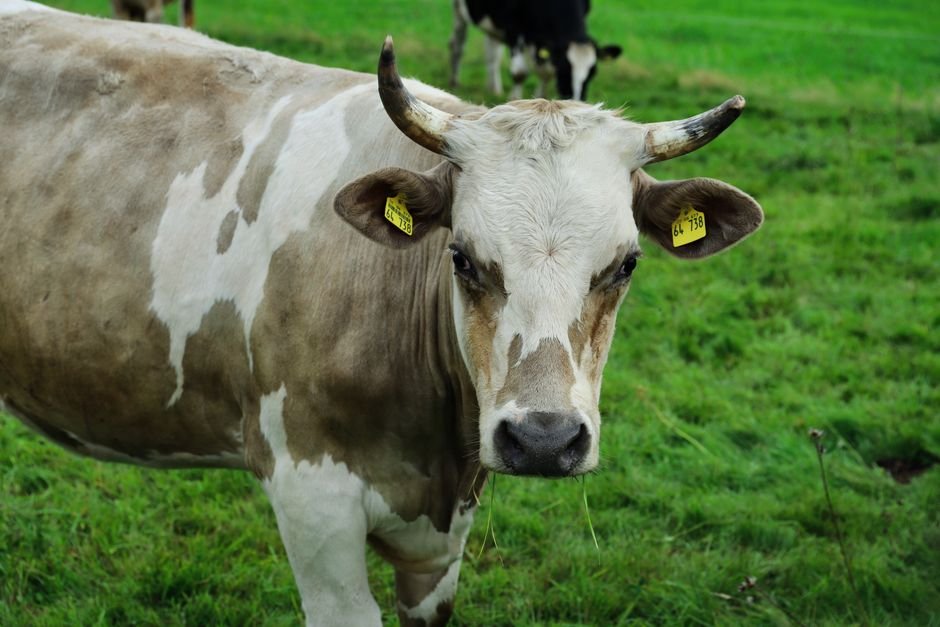
What Is Raw Milk?
Raw milk is cow’s milk that has not been pasteurized or homogenized, meaning it is delivered in its natural, unprocessed state straight from the cow. It contains all the original enzymes, bacteria, and nutrients, which some consumers believe offer health benefits. However, because it’s untreated, raw milk also carries risks of contamination by harmful pathogens like Salmonella and E. coli.
In addition to cow’s milk, raw milk can also come from other mammals such as goats, sheep, and buffalo, each with unique compositions and flavors. Goat and sheep raw milk, for example, tend to have higher fat and protein content compared to cow’s milk, which can affect both taste and nutritional profiles. The composition of raw milk varies seasonally and is influenced by the animal’s diet, breed, and lactation stage, factors that contribute to the complexity and variability of raw milk’s characteristics.
Raw milk has been consumed for thousands of years, long before pasteurization was introduced. In many traditional societies, raw milk was a staple food, often consumed fresh or fermented into products like kefir or yogurt. These fermented raw milk products rely on the naturally occurring bacteria to create probiotics that some claim improve gut health. However, due to the lack of processing, raw milk also presents a microbiological risk that modern food safety standards aim to mitigate.
How Raw Milk Differs from Pasteurized Milk
Pasteurization is a heat treatment process developed by Louis Pasteur in the 19th century, designed to kill harmful bacteria in milk. Typically, pasteurization involves heating milk to at least 161°F (72°C) for 15 seconds (high-temperature, short-time or HTST method) or 145°F (63°C) for 30 minutes (low-temperature, long-time or LTLT method). After pasteurization, milk is rapidly cooled.
Raw milk skips these heat treatments, retaining natural enzymes like lactase and beneficial bacteria such as Lactobacillus. Homogenization, meanwhile, mechanically breaks down fat globules to prevent cream separation. Most raw milk remains non-homogenized, allowing cream to rise naturally.
Enzymatic activity in raw milk, including enzymes such as lipase, protease, and lactoperoxidase, plays a role in the digestion and metabolism of milk components. Pasteurization inactivates many of these enzymes, which some argue affects digestibility and flavor. For example, lactase helps break down lactose, potentially aiding lactose-intolerant individuals, though the enzyme is generally present in small amounts in milk. Additionally, beneficial bacteria like Lactobacillus and Bifidobacterium species, which contribute to a balanced gut microbiome, are largely destroyed during pasteurization.
Homogenization affects the physical structure of milk fat globules, altering mouthfeel and potentially influencing allergenicity. Some consumers prefer raw milk’s natural cream layer, which can be skimmed or mixed back depending on preference. In contrast, homogenized milk offers a consistent texture but may lack the richness that comes from natural cream separation.
| Attribute | Raw Milk | Pasteurized Milk |
|---|---|---|
| Processing | None, straight from cow | Heated to kill pathogens |
| Enzymes | Intact (e.g., lipase, lactase) | Mostly destroyed |
| Beneficial Bacteria | Present naturally | Mostly eliminated |
| Fat Separation | Yes, cream rises | Usually homogenized |
| Safety Risks | Higher risk of pathogens | Lower risk, safer for consumption |
Why Some People Choose Raw Milk
Advocates of raw milk often cite its superior taste and claimed health benefits. They argue raw milk contains natural enzymes and probiotics that aid digestion and boost immunity. Some also believe it has higher vitamin content, particularly vitamin B complex and vitamin C, which can be diminished during pasteurization.
Many raw milk enthusiasts also appreciate the connection to traditional farming methods and local agriculture. They often seek milk from heritage cow breeds like Jersey or Guernsey, known for richer cream and distinct flavor profiles, as well as smaller-scale organic or grass-fed farms. These breeds produce milk with higher butterfat content, sometimes as high as 5-6%, compared to the average 3.5% in Holstein cows, commonly used in large-scale commercial dairies.
Grass-fed cows produce milk with a more favorable fatty acid profile, including higher levels of omega-3 fatty acids and conjugated linoleic acid (CLA), which some studies associate with anti-inflammatory properties and potential health benefits. Supporters argue that raw milk from grass-fed animals offers a nutritional edge over conventionally produced milk.
For more on this, see our related guide: Understanding Total Mixed Ration (TMR) for Dairy Cows: A Complete Guide.
Some proponents also assert that raw milk consumption may help alleviate lactose intolerance symptoms, attributing this to the presence of natural lactase-producing bacteria and enzymes. Although scientific evidence remains limited, anecdotal reports suggest some individuals tolerate raw milk better than pasteurized milk.
In addition to health and taste, raw milk consumers often value the sustainability and animal welfare practices of small farms. Many raw milk producers emphasize pasture-based systems, reduced antibiotic use, and humane treatment of animals, all factors that align with the ethical priorities of certain consumer groups.

Health Risks Associated with Raw Milk
Despite claims of benefits, raw milk consumption carries documented health risks. According to the U.S. Centers for Disease Control and Prevention (CDC), raw milk is 150 times more likely to cause foodborne illness outbreaks than pasteurized milk. Pathogens such as Campylobacter jejuni, Salmonella, Listeria monocytogenes, and E. coli O157:H7 can contaminate raw milk through cow feces, soil, or unsanitary milking equipment.
Between 1993 and 2012, the CDC reported that raw milk and raw milk product outbreaks caused over 1500 illnesses in the U.S., including several hospitalizations and deaths. Specific outbreaks linked to E. coli O157:H7 have resulted in hemolytic uremic syndrome (HUS), a severe complication causing kidney failure, particularly in children.
Raw milk contamination can occur despite rigorous farm hygiene due to factors like asymptomatic mastitis in cows, environmental contamination, and human error in milking and handling. Unlike industrial pasteurization, which provides a controlled kill step, raw milk depends heavily on source control to prevent contamination.
Vulnerable groups, especially children, pregnant women, elderly adults, and immunocompromised individuals, are at higher risk of severe complications like hemolytic uremic syndrome or meningitis from raw milk pathogens. For example, Listeria monocytogenes infection in pregnant women can lead to miscarriage, stillbirth, or neonatal infection. Given these risks, many public health organizations strongly recommend avoiding raw milk consumption in these populations.
Regulations and Legal Status of Raw Milk
Raw milk sales and distribution laws vary widely across the United States. As of 2024, only about half of U.S. states allow raw milk sales in some form:
- Permitted: States like California, Pennsylvania, and Vermont allow raw milk sales in stores or on farms with specific regulations. For instance, California requires dairies to obtain licenses, adhere to strict sanitation standards, and label raw milk products clearly.
- Restricted: States like New York and Texas permit raw milk sales only on farms or through herd-share agreements, where consumers buy a share of a cow or herd and receive milk as a product of ownership, a legal workaround in states where retail sales are banned.
- Prohibited: Some states like Idaho and Michigan ban all raw milk sales, reflecting strong public health concerns.
Internationally, raw milk regulations vary as well. In many European countries, raw milk sales are legal but tightly regulated, often available only at the farm or in specialty shops. Countries like France, Italy, and Germany have traditional raw cheese and milk products, and their regulatory frameworks balance cultural heritage with safety requirements.
If you’re also looking into this, our article on Optimizing Dairy Cow Feeding Schedule by Lactation Stage for Peak Milk Production covers it in more detail.
The Food and Drug Administration (FDA) prohibits interstate sales of raw milk, emphasizing pasteurization for public safety. This federal ban is based on extensive scientific evidence showing the reduced risk of foodborne illness with pasteurized milk. However, enforcement is challenging, and some raw milk products cross state borders illicitly.
How Raw Milk Is Produced and Handled
Producing safe raw milk starts with excellent farm hygiene and herd health management. Dairy farmers must ensure cows are healthy and free of mastitis or other infections. Milking equipment must be sanitized thoroughly, and milk cooled rapidly to below 40°F (4°C) to slow bacterial growth.
Some small dairies use closed, automated milking systems and test milk regularly for bacterial counts and somatic cell counts to monitor milk quality. Somatic cell counts help detect udder infections early, preventing contaminated milk from entering the supply.
Raw milk farms may also implement pathogen-specific testing, including screening for Listeria monocytogenes and Salmonella, although such testing is not standardized across the industry. Many farms adhere to voluntary certification programs like the Raw Milk Institute (RMI), which sets stringent safety protocols, including regular microbial testing and employee training.
Despite precautions, even the best practices cannot eliminate all microbial risks inherent to unpasteurized milk. Environmental factors such as weather, feed contamination, and wildlife intrusion can introduce pathogens unpredictably. Therefore, transparency in farm practices and consumer education are essential components of risk management.
Transportation and storage also influence raw milk safety. Milk must be transported in refrigerated tanks or containers and stored at temperatures consistently below 40°F to prevent bacterial proliferation. Delays or temperature fluctuations during distribution can increase the risk of spoilage and pathogen growth.

Common Misconceptions About Raw Milk
- Raw milk is sterile: False. Raw milk contains naturally occurring bacteria, both beneficial and harmful. Sterility would require complete removal of all microbes, which is neither achievable nor desirable in raw milk. The presence of bacteria is natural, but it includes potential pathogens as well as harmless or beneficial species.
- Pasteurization removes all nutrients: Not true. Pasteurization causes minimal nutrient loss; calcium, protein, and fat remain largely intact. While some heat-sensitive vitamins like vitamin C and certain B vitamins (e.g., folate) may be reduced, these nutrients are not primary sources from milk. The overall nutritional impact of pasteurization is negligible in a balanced diet.
- Raw milk prevents allergies and asthma: Some studies suggest a correlation between raw milk consumption in early childhood and lower allergy rates, but causation is not established and risks may outweigh benefits. For example, the GABRIELA and PASTURE studies in Europe observed lower asthma incidence in children exposed to farm environments and raw milk, but confounding factors such as greater microbial diversity and environmental exposures complicate conclusions.
- Raw milk is safer if from organic or grass-fed cows: While organic and grass-fed practices may reduce chemical residues and promote animal welfare, they do not guarantee pathogen-free milk. Raw milk safety depends more on hygiene and handling practices than on farming style.
- All lactose-intolerant people can drink raw milk: Not necessarily. Although raw milk contains natural lactase-producing bacteria, the amount is small and usually insufficient to prevent lactose intolerance symptoms in most individuals.
How to Safely Source and Consume Raw Milk
If choosing to consume raw milk, sourcing from reputable farms practicing rigorous hygiene standards is critical. Look for farms that participate in third-party testing programs such as the Raw Milk Institute (RMI) certification, which requires regular microbial testing and quality controls.
Consumers should also inquire about the farm’s herd health protocols, milking procedures, and testing frequency. Transparency and open communication with producers can provide insight into safety practices. Visiting the farm in person, when possible, can help assess cleanliness and animal health firsthand.
Consuming raw milk within a few days of milking, keeping it refrigerated at or below 40°F, and avoiding it for immunocompromised individuals are important safety steps. It is also advisable to use clean containers for storage and avoid cross-contamination with other foods.
This ties in closely with Silage vs Hay: Which Is Better for Dairy Cows?, worth a look if you want to go deeper.
To minimize risk, some consumers opt to boil raw milk briefly before consumption, which can kill pathogens but also reduces some of the raw milk’s unique enzymes and bacteria. Others prefer to ferment raw milk into yogurt, kefir, or cheese, where the acidification process inhibits pathogen growth and extends shelf life.
When transporting raw milk, maintain a cold chain by using insulated coolers with ice packs. Never leave raw milk unrefrigerated for extended periods, especially in warm weather, as bacterial growth accelerates rapidly.
Frequently Asked Questions
Is raw milk legal to buy in the United States?
Raw milk legality varies by state. Some states permit retail sales, others allow farm sales or herd-sharing only, and several states ban it. Interstate sales are prohibited by the FDA. Consumers interested in raw milk should check the specific regulations in their state or locality, as enforcement and availability can differ widely.
What are the main health risks of drinking raw milk?
Raw milk can contain dangerous bacteria like Salmonella, E. coli, and Listeria that cause foodborne illnesses, potentially leading to severe complications or death, especially in vulnerable populations. Symptoms of infection range from mild gastrointestinal upset to life-threatening conditions like hemolytic uremic syndrome (HUS), meningitis, or miscarriage in pregnant women. Hospitalization and long-term health issues have been documented in outbreaks linked to raw milk.
Does raw milk taste different from pasteurized milk?
Yes, many people find raw milk creamier and more flavorful due to intact fat globules and natural enzymes, whereas pasteurized milk has a milder taste and uniform texture from homogenization. Raw milk’s flavor can vary seasonally and by breed, with some describing it as “grassy,” “buttery,” or “nutty.” Additionally, the presence of natural microflora contributes subtle flavor nuances that are lost in pasteurized milk.
Are there any nutritional advantages to raw milk?
Raw milk retains natural enzymes and some vitamins like vitamin C that may be reduced by pasteurization. However, the overall nutritional differences are small and do not outweigh safety concerns. Nutrients such as calcium, protein, and fat are largely unaffected by heat treatment. Some claims about enhanced bioavailability of nutrients in raw milk remain unproven scientifically.
How can I tell if raw milk is safe to drink?
Safety depends on farm hygiene, animal health, and testing. Look for milk tested for bacterial counts, sourced from certified farms, and keep it refrigerated. Nonetheless, risks cannot be fully eliminated. No test can guarantee the absence of all pathogens at the time of purchase, so even raw milk from reputable sources carries inherent risk.