
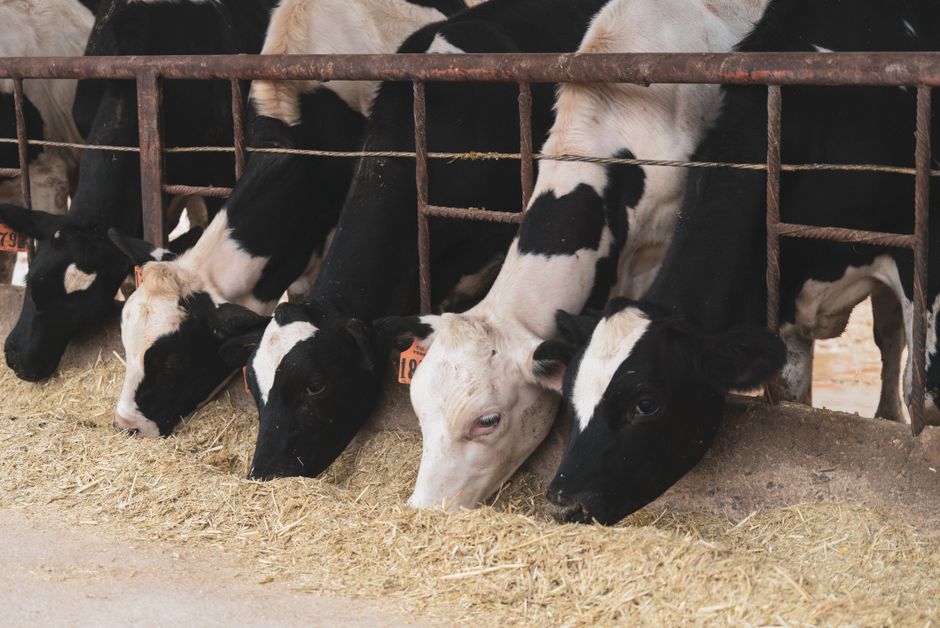
Introduction to Dairy Cow Forage: Silage and Hay
Dairy cows require high-quality forage to maintain milk production, health, and reproductive efficiency. Two primary forage types dominate dairy feeding systems worldwide: silage and hay. While both serve as essential roughages, their characteristics, nutritional value, storage methods, and cost implications differ significantly. Understanding these differences helps dairy farmers make informed decisions tailored to their herd and regional conditions.
What Is Silage?
Silage is fermented, high-moisture stored forage, typically made from grass, corn, or legumes. The fermentation process preserves the feed by creating anaerobic conditions that promote lactic acid production, lowering the pH and preventing spoilage.
Silage usually contains around 30-35% dry matter, contrasting with the 80-90% dry matter in hay. This moisture level influences both storage and feeding characteristics.
Types of Silage Commonly Used in Dairy Farming
- Corn Silage: Made from the entire corn plant, it is high in energy due to its starch content, making it ideal for high-producing dairy cows.
- Grass Silage: Derived from grasses like ryegrass, timothy, or fescue, it offers good fiber and digestibility but lower energy than corn silage.
- Legume Silage: Includes alfalfa or clover, providing higher protein content but more challenging to ensile properly due to their buffering capacity.
What Is Hay?
Hay is cured forage that has been dried to approximately 85-90% dry matter and baled for storage. It typically consists of grasses, legumes, or mixed stands cut at an optimum maturity stage to maximize nutrient content and palatability.
Because hay is dry, it does not undergo fermentation, relying instead on low moisture content to inhibit microbial growth and preserve quality.
Common Types of Hay for Dairy Cows
- Alfalfa Hay: High in protein (18-22%) and calcium, often considered a premium forage for dairy cows.
- Grass Hay: Includes timothy, orchardgrass, and bermudagrass; generally lower in protein (8-12%) and energy.
- Mixed Hay: Combines grasses and legumes, balancing protein and fiber content.
Comparing Nutritional Value
The nutritional content of silage and hay varies widely depending on forage type, harvest timing, and storage quality. However, certain generalizations provide useful guidance.
| Attribute | Silage (Typical Range) | Hay (Typical Range) |
|---|---|---|
| Dry Matter (%) | 30-35% | 85-90% |
| Crude Protein (%) | 8-18% (higher in legume silage) | 10-22% (higher in legume hay) |
| Neutral Detergent Fiber (NDF) (%) | 40-55% | 45-65% |
| Digestible Energy (Mcal/kg DM) | 1.5-2.2 | 1.3-1.9 |
| pH | 3.8-4.5 (acidic due to fermentation) | Not applicable |
| Storage Loss | 5-15% (due to fermentation and seepage) | 5-10% (due to weathering and mold) |
For example, high-quality corn silage typically contains 8-9% crude protein and 1.8 Mcal/kg of energy, making it an excellent energy source for lactating cows producing over 30 liters/day. Alfalfa hay, by contrast, can reach up to 20% crude protein but offers less digestible energy.
Impact on Milk Production
Milk yield and composition depend significantly on forage quality. Studies from the University of Wisconsin demonstrate that cows fed high-quality corn silage combined with concentrates produced 10-15% more milk than those on grass hay diets alone.

Silage’s higher moisture content and energy density support increased dry matter intake (DMI). Cows typically consume 3-5% of their body weight in dry matter daily. Silage’s palatability encourages greater intake, which translates to higher milk output.
That said, hay’s higher protein content, particularly from legumes, can improve milk protein percentage, an important consideration for cheese producers.
Storage and Handling Considerations
Silage Storage
Silage requires specialized storage solutions to maintain anaerobic conditions. Common methods include:
- Silage Bags: Plastic tubes that allow airtight storage, ideal for small to medium farms.
- Silage Pits and Bunkers: Large concrete or earthen structures sealed with plastic sheeting and weights.
- Silage Towers: Vertical concrete or metal silos.
Proper sealing is crucial to prevent spoilage. Aerobic spoilage at the silage face can lead to mold growth and nutrient loss; frequent removal of silage ensures freshness.
Hay Storage
Hay bales, either round or square, require dry conditions to prevent mold and heating. Outdoor storage necessitates covering or stacking off the ground. Moisture above 20% during baling increases the risk of spontaneous combustion and loss of feed quality.
Cost Analysis
Cost varies regionally and seasonally, but typical estimates provide insight into economic trade-offs between silage and hay.
| Cost Factor | Silage | Hay |
|---|---|---|
| Production Cost per Ton (Farmgate) | $40 – $60 | $70 – $100 |
| Storage Cost | Higher (infrastructure, plastic covers, labor) | Lower (simple stacking, occasional tarping) |
| Feed Efficiency (Milk per $ spent) | Higher due to energy density | Lower, requires supplementation |
| Risk of Losses | Moderate (fermentation spoilage) | Moderate to high (weather damage, mold) |
For instance, in the Midwest US, corn silage production costs average around $50/ton, but the higher milk output per ton can offset the initial expense. Hay production, while less infrastructure-intensive, often incurs higher harvesting and curing costs, especially for premium alfalfa hay.
Animal Health and Welfare Implications
Both silage and hay have health considerations:

- Silage Risks: Poorly fermented silage may contain mycotoxins or high levels of butyric acid, leading to digestive upsets or reduced feed intake.
- Hay Risks: Dust and mold spores in hay can cause respiratory issues such as farmer’s lung or allergic reactions in cows.
- Fiber Quality: Adequate effective fiber is essential for rumen health, preventing acidosis and maintaining cud chewing.
Typically, mixing silage with hay or other dry forages ensures a balanced fiber profile that promotes rumination and saliva production, buffering rumen pH.
Case Studies: Regional Preferences
New Zealand
New Zealand dairy farms primarily rely on pasture-based systems, but silage is widely used for winter feed. Grass silage is preferred due to its ease of production and compatibility with pasture species. Farmers report that high-quality grass silage supplemented with concentrates sustains cows producing 25-30 liters of milk per day.
United States Midwest
Corn silage dominates as the main forage feed due to extensive corn production. Dairy operations producing 40+ liters/day often base rations on corn silage mixed with soybean meal and haylage. The energy density supports high yields but requires careful balancing of protein.
Europe
European dairy systems vary widely, but hay and haylage (a form of wilted silage with intermediate moisture) are common. In countries like Germany and France, legume hay is prized for high protein, while silage is used to maintain energy levels over winter.
Summary Table: Pros and Cons of Silage vs Hay for Dairy Cows
| Aspect | Silage | Hay |
|---|---|---|
| Moisture Content | High (30-35%) | Low (10-15%) |
| Storage Requirements | Complex, airtight needed | Simple, dry storage |
| Energy Density | Higher, especially corn silage | Lower |
| Protein Content | Moderate, variable | Higher in legumes |
| Palatability | Often higher | Variable, depends on curing |
| Risk of Spoilage | Fermentation failure risks | Weather and mold risks |
| Cost | Lower per unit energy | Higher per unit energy |
| Impact on Milk Yield | Supports higher yields | May require supplementation |
Making the Choice: Which Is Better?
The decision between silage and hay depends on multiple factors, including climate, farm size, available equipment, labor, and feeding goals.
- For high-producing herds: Silage, especially corn silage, offers a cost-effective source of energy that promotes high milk yields.
- For smaller or pasture-based operations: Hay and grass silage may be more practical, with hay providing stable, long-term storage.
- For regions with wet climates: Silage may be preferable due to difficulties in drying hay adequately without spoilage.
- For farms prioritizing milk protein and forage quality: High-quality legume hay or haylage could be better options.
Often, a combination of silage and hay optimizes diet quality, balancing energy, protein, fiber, and palatability.