
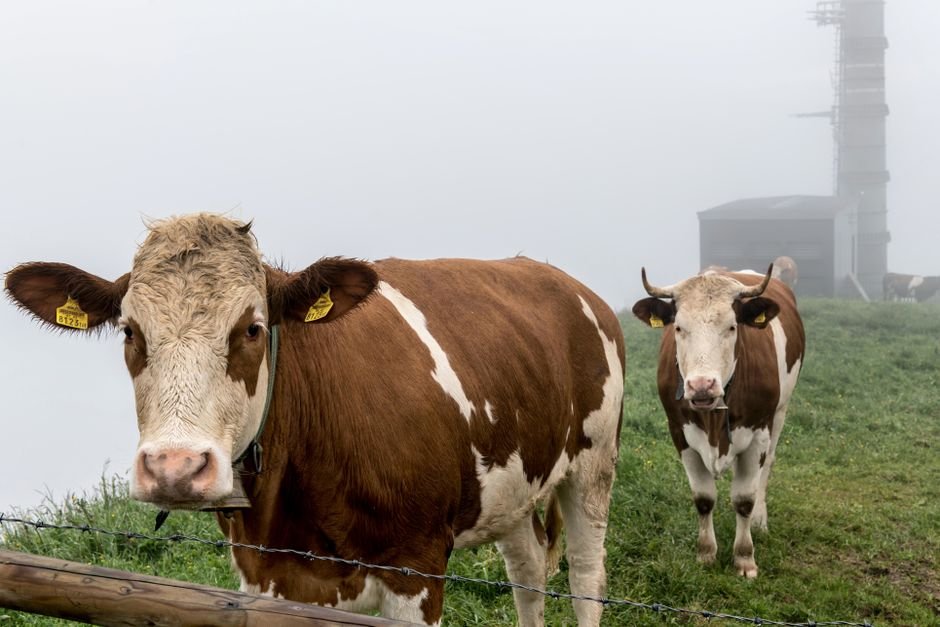
Do cows cause climate change?
Yes, cows do contribute to climate change, but they are not the only cause and not the biggest source globally. Their main impact comes from methane produced during digestion, plus emissions from manure and the land used to raise feed. In climate terms, cows are part of the problem, especially in agriculture-heavy regions, but fossil fuels still drive the largest share of warming.
The important distinction is this: cows do not “create” climate change on their own, but cattle production adds greenhouse gases that trap heat in the atmosphere. The scale depends on how the animals are raised, what they eat, how manure is handled, and whether forests or grasslands were cleared for pasture or feed crops.
Where cattle emissions actually come from
Most cattle-related emissions come from three places: enteric fermentation, manure management, and feed or land-use change. Enteric fermentation is the digestive process in which microbes in a cow’s rumen break down feed and produce methane, which the animal releases mainly by belching. Manure also emits methane and nitrous oxide, especially when stored in liquid systems such as lagoons.
The United Nations Food and Agriculture Organization (FAO) has long identified livestock as a major agricultural emissions source, with cattle responsible for the largest share within livestock. In practical terms, beef and dairy are the two biggest cow-related contributors, but they do not have identical footprints. Dairy cows produce milk every day for years, while beef cattle are raised primarily for meat, so the emissions profile is different even before you compare land use.
| Emission source | How it happens | Why it matters |
|---|---|---|
| Enteric methane | Microbes in the rumen produce methane during digestion | Usually the largest single source from cattle |
| Manure | Stored manure releases methane and nitrous oxide | Can be reduced with better storage and treatment |
| Feed and land use | Growing feed, clearing land, and transporting inputs emit greenhouse gases | Can be a major part of the footprint, especially if forests are cleared |
How much methane do cows produce?
Methane matters because it is much more powerful than carbon dioxide over a shorter time frame. Over 100 years, methane is commonly described as about 28 to 34 times as warming as CO2, depending on the accounting method used by the Intergovernmental Panel on Climate Change (IPCC). Over 20 years, its warming effect is much higher, which is why cattle methane gets so much attention in climate discussions.
That does not mean every cow has the same climate impact. A high-producing dairy cow on a well-managed farm may have a different emissions intensity than a beef animal raised on poor-quality forage or on land linked to deforestation. Emissions are usually measured per kilogram of milk or beef, not just per animal, because productivity changes the picture. Better genetics, feed quality, and herd management can lower emissions per unit of food.
For more on this, see our related guide: Proven Tips to Reduce Weaning Stress in Calves During Hot Weather.
Are cows the biggest climate problem?
No. Cows are a significant climate source, but fossil fuels remain the dominant driver of human-caused warming. According to the IPCC and other major assessments, energy, transport, industry, and buildings account for the largest share of global greenhouse gas emissions. Agriculture is important, but it is one piece of a much larger system.
Still, cattle matter because methane is a fast-acting gas and because livestock occupy a huge amount of land. The FAO has estimated that livestock use around 77% of global agricultural land while providing a much smaller share of calories than crops. That land pressure is one reason cattle can have an outsized climate footprint, especially when pasture expansion replaces forests, wetlands, or other carbon-storing ecosystems.

Beef and dairy do not have the same footprint
Beef usually has a higher greenhouse gas footprint per kilogram of protein than dairy, though exact numbers vary by country and production system. A widely cited 2018 study in Science by Poore and Nemecek found that beef has the highest average environmental impact among common animal proteins, while dairy is lower than beef but still substantial. The difference comes from biology: cattle are ruminants, so they all produce methane, but beef systems often require more land and more time per kilogram of edible product.
That said, not all beef is identical. Feedlot beef, grass-fed beef, and beef from deforestation-linked systems can look very different on paper. Dairy systems also vary widely, from high-input confinement dairies to pasture-based herds. When people ask whether cows cause climate change, the honest answer is that the production system matters as much as the animal itself.
| Food | Typical climate profile | Key reason |
|---|---|---|
| Beef | Highest among common animal proteins | High methane, heavy land use, long production cycle |
| Dairy | Lower than beef, still notable | Methane from cows plus emissions from milk production and manure |
| Poultry and eggs | Generally lower than cattle products | Monogastric animals produce little methane |
| Plant proteins | Usually lowest | Less land and no enteric methane |
Why land use changes the climate story
One of the biggest climate issues tied to cattle is not the cow itself but the land used to support it. If forests are cleared for pasture or soybean feed, carbon stored in trees and soils is released into the atmosphere. That can make beef or dairy much more climate-intensive than the same products from existing pasture or well-managed farms.
In places like the Amazon, cattle ranching has been strongly linked to deforestation. In temperate regions, the issue may be less about forest loss and more about fertilizer use, feed transport, and manure handling. Either way, the climate footprint of cattle depends heavily on where and how they are raised. Two farms with the same number of cows can have very different emissions.
If you’re also looking into this, our article on Can Cows Eat Watermelon? How to Safely Feed Cull Fruit to Your Herd covers it in more detail.
Can cows be part of climate solutions?
Yes, but only if the system changes. Farmers can reduce emissions with better feed formulation, improved pasture management, manure digesters, healthier breeding programs, and better herd efficiency. For example, methane-reducing feed additives such as 3-NOP, sold commercially as Bovaer in some markets, are being studied and adopted in certain dairy systems to lower enteric methane.
Management also matters. Rotational grazing, improved forage quality, and faster-growing animals can reduce emissions per unit of beef or milk, though results vary and these practices are not magic fixes. Manure digesters can capture methane and turn it into energy, especially on large dairies. The key point is that reducing cattle emissions is possible, but it requires active intervention rather than business as usual.
What consumers can do
If you want to lower the climate impact of your diet, reducing beef consumption usually has the largest effect among animal foods. Swapping some beef meals for chicken, eggs, beans, lentils, tofu, or dairy can cut emissions substantially. You do not have to become fully vegetarian to make a difference; even moderate changes can matter.

At the same time, buying from farms with better manure management, lower-deforestation supply chains, or verified sustainability programs can help. Labels and claims vary, so look for specifics rather than vague marketing language. If a company cannot explain where its feed comes from, how manure is managed, or whether deforestation is excluded, the climate claim is weak.
Frequently Asked Questions
Do cows release carbon dioxide or methane?
Cows mainly release methane through digestion, not carbon dioxide. They also contribute to carbon dioxide indirectly through feed production, fuel use, fertilizer, and land-use change. Methane is the most important direct gas from cattle.
This ties in closely with How Much Water Does a Cow Drink Per Day? A Detailed Guide, worth a look if you want to go deeper.
Is beef worse for the climate than dairy?
Usually yes, per kilogram of protein or food produced. Beef generally has the highest climate footprint among common animal products because cattle produce methane and beef systems often use more land and time. Dairy is still a notable source, but it is typically lower than beef.
Can grass-fed beef lower emissions?
Sometimes, but not always. Grass-fed systems can improve animal welfare and may use land more naturally, but they often take longer to finish and may produce more methane per kilogram of beef if growth is slower. The result depends on pasture quality, stocking rate, and whether land was cleared for grazing.
What is the single biggest way to cut cattle emissions?
There is no single fix, but improving efficiency is one of the most effective approaches. That includes better feed, healthier animals, reduced age at slaughter, manure methane capture, and avoiding deforestation. In many regions, stopping land conversion is the fastest way to reduce the total climate impact of cattle.
Should people stop eating cows entirely?
Not necessarily, but eating less beef is one of the clearest dietary changes for lowering climate impact. Some people choose to eliminate beef, while others reduce portion size or frequency. The best choice depends on your goals, budget, and diet, but cattle products are among the most climate-intensive foods.