
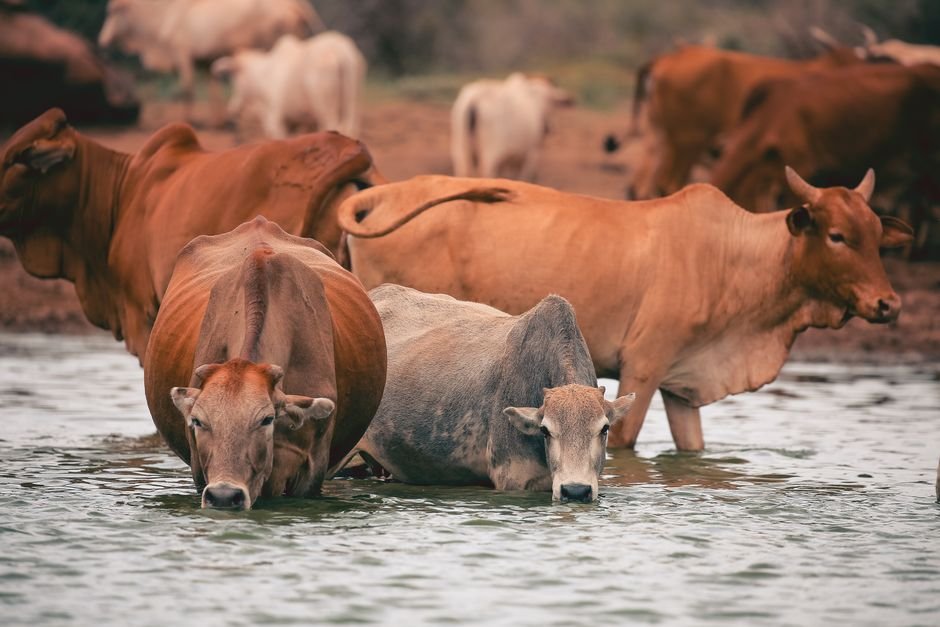
Understanding the Water Needs of Cows
Water is an essential nutrient for all living beings, and cows are no exception. The amount of water a cow consumes daily directly impacts its health, milk production, digestion, and overall well-being. Unlike feed, water is often overlooked when planning cattle nutrition, yet it can be the most limiting factor in animal productivity. To understand how much water a cow drinks per day, we must examine various factors such as body weight, breed, diet, climate, and physiological state.
Water plays a critical role in maintaining the cow’s internal environment. It helps regulate body temperature through sweating and respiration, aids in nutrient absorption in the digestive tract, supports waste elimination via urine, and facilitates biochemical reactions in cells. Dehydration in cattle can lead to decreased feed intake, impaired reproduction, lowered milk yield, and in extreme cases, death. Thus, ensuring adequate water intake is fundamental to animal health and farm profitability.
Moreover, water intake requirements fluctuate not only across different cattle categories but also seasonally and diurnally. For instance, cows tend to consume more water during the afternoon after grazing in the sun compared to cooler morning hours. Recognizing these patterns helps farmers plan water delivery systems that match cattle behavior to prevent shortages.
Average Daily Water Consumption by Cows
The typical water intake for a mature dairy or beef cow ranges widely. On average, a lactating dairy cow drinks between 30 to 50 gallons (114 to 190 liters) of water per day, while beef cattle may consume less, around 10 to 20 gallons (38 to 76 liters) daily. These numbers are averages; actual consumption varies with conditions.
Importantly, water intake fluctuates with milk yield, ambient temperature, humidity, feed type, and overall health status. For example, in colder climates, cows may drink less but compensate by eating more water-rich feeds to maintain hydration. Conversely, in hot arid regions, water consumption can spike sharply as animals attempt to cool down and replenish fluids lost through perspiration and respiration.
Various research studies confirm these figures. According to the National Research Council (NRC) guidelines, a mature lactating Holstein cow weighing about 1,400 pounds producing 80 pounds of milk daily can consume up to 50 gallons of water. Beef cattle, which generally have lower metabolic rates and milk production, typically consume 10-20 gallons per day depending on weight and activity.
It is also worth noting that water intake is closely linked to feed intake because water is necessary for digestion and metabolism of nutrients. As feed intake increases, water consumption usually rises proportionally. This interdependence means that disruptions in water supply can severely impact feed efficiency and growth.
Water Intake by Cow Type and Size
| Cow Type | Average Weight (lbs/kg) | Average Daily Water Intake (gallons/liters) | Key Influencing Factors |
|---|---|---|---|
| Lactating Dairy Cow | 1,200 – 1,500 lbs (540 – 680 kg) | 30 – 50 gallons (114 – 190 liters) | Milk production, ambient temperature, feed type |
| Dry Dairy Cow | 1,200 – 1,500 lbs (540 – 680 kg) | 12 – 20 gallons (45 – 75 liters) | No milk production, lower feed intake |
| Beef Cattle | 900 – 1,200 lbs (410 – 540 kg) | 10 – 20 gallons (38 – 76 liters) | Growth stage, climate, diet |
| Calves (6 months) | 300 – 400 lbs (135 – 180 kg) | 2 – 6 gallons (7.5 – 23 liters) | Weaning status, feed type |
Looking more closely, water intake per unit of body weight tends to be higher for younger animals and lactating cows due to their higher metabolic demands. For example, calves transitioning from milk to solid feed experience a marked increase in water consumption as their rumen develops, and solid feed digestion requires more water. Similarly, high-producing dairy cows may consume up to 4% to 5% of their body weight in water daily.
Breed differences also influence water needs. Holsteins, known for their high milk yields, generally drink more water compared to beef breeds like Angus or Hereford, which have lower water requirements due to reduced milk production and different body compositions.
Additional factors such as altitude may also play minor roles; cows at higher altitudes sometimes increase water intake to compensate for altered oxygen availability and evaporation rates.
Factors Affecting Water Consumption in Cows
1. Body Weight and Age
Larger cows naturally require more water to maintain bodily functions. For example, a 1,400-pound Holstein dairy cow will drink roughly twice as much water as a 700-pound calf. As calves grow, their water intake steadily increases, especially as they transition from milk to solid feed.
Specifically, water intake scales with metabolic body weight (weight^0.75), meaning larger animals don’t just consume more water based on raw weight but also increased metabolic need. Young calves may consume approximately 1 to 2 gallons (4 to 8 liters) per day during early months, increasing to 4 to 6 gallons (15 to 23 liters) by six months as rumen function matures.
Moreover, the maturation of renal function affects water balance. Younger calves have less efficient kidneys, leading to relatively higher water turnover compared to adults. This physiological difference has implications for hydration management, especially during weaning when stress and dietary changes occur.
2. Lactation and Milk Production
Milk is approximately 87% water; thus, lactating cows need significantly more water than dry cows. A high-producing dairy cow making 80 pounds (36 kg) of milk daily may drink up to 50 gallons (190 liters) of water. Water supports not only milk synthesis but also the cow’s metabolic demands during lactation.
Lactation increases metabolic heat production, which in turn raises water requirements. Studies show that for each additional pound of milk produced, a cow’s water intake increases by approximately 0.5 to 1 gallon (2 to 4 liters). This means that cows producing 100 pounds of milk could require upwards of 60 gallons (227 liters) daily.
Beyond quantity, water timing is important. Providing fresh water immediately after milking can encourage intake and support efficient milk production. Depriving cows of water for even a few hours can reduce milk yield by 10-15%, reflecting the strong link between hydration and productivity.
3. Diet Composition
Feed moisture content impacts water needs. For instance, cows consuming lush pasture with high water content (up to 70% moisture) will drink less water compared to those fed dry hay or grain-based rations.
- High Moisture Feed: Fresh pasture or silage reduces water intake by up to 30%. Silage, which retains moisture from fermentation, also helps meet hydration needs.
- Dry Feed: Dry hay or grain increases water demand, sometimes doubling daily intake. Fiber-rich diets require more water for rumen fermentation and passage.
Additionally, diets high in salt or mineral content increase thirst and water consumption. For example, feeding cattle with high levels of salt supplements or mineral blocks can increase water intake by 20-30%. This is critical in regions where mineral supplementation is necessary but water availability is limited.
Feeding strategies that balance forage quality and water availability can optimize intake. For instance, including high-moisture forages like alfalfa or fresh green chop can reduce water requirements, while heavily grain-based finishing diets necessitate more water to support metabolic processing and prevent ruminal acidosis.
4. Environmental Temperature and Humidity
Heat stress raises water consumption considerably. On cooler days (around 50°F / 10°C), a dairy cow might drink around 25 gallons (95 liters), but on hot days (above 85°F / 30°C), consumption can exceed 50 gallons (190 liters). High humidity also decreases water intake as cows reduce feed intake to minimize heat production.
When ambient temperatures rise above the thermal neutral zone (approximately 40°F to 68°F or 5°C to 20°C for dairy cows), evaporative cooling through sweating and panting increases water loss. To compensate, cows increase water intake by up to 50% during heat waves. This is critical since heat stress can reduce feed intake, milk production, and reproductive efficiency.
Humidity compounds this effect by impeding evaporative cooling, forcing cows to rely more on water consumption to regulate body temperature. Relative humidity above 60% combined with high heat can significantly stress cattle. Behavioral adaptations such as seeking shade or water sources become important management considerations.
Moreover, water temperature itself in troughs can influence intake during hot weather. Cool water encourages drinking, whereas stagnant, warm water may reduce consumption and exacerbate heat stress.
5. Activity Level and Physiological State
Cows working hard, such as those grazing over large pasture areas or exposed to windy conditions, increase water intake. Additionally, pregnant cows, particularly in the third trimester, require more water to support fetal growth.
Physical activity elevates metabolic rate and respiratory water loss, increasing hydration needs. For example, cows traveling several miles per day to graze or water points may consume 10-20% more water than sedentary animals. This is especially relevant in extensive grazing systems or large pastures without centralized water.

Pregnant cows in late gestation experience higher blood volume and tissue water demands to support the developing fetus and prepare for lactation. Water consumption can increase by 10-15% during this period. Failure to meet these elevated needs can result in reduced calf birth weights and compromised cow health.
Similarly, stressors such as transport, illness, or social hierarchy disruptions can alter water intake behavior. Monitoring these changes helps detect welfare issues early.
Case Study: Water Intake Variation in Dairy Cows
A study conducted at the University of Minnesota evaluated water intake in Holstein cows producing varying amounts of milk under different temperatures. Key findings included:
- Cows producing 60 pounds (27 kg) of milk/day consumed around 40 gallons (152 liters) of water daily.
- On hot days (above 90°F / 32°C), water intake increased by 20-30% compared to moderate temperatures.
- Cows fed dry hay consumed 25% more water than those on pasture-based diets.
- Water consumption exhibited diurnal patterns, with peak intake occurring in late afternoon following peak heat and feeding times.
- Water quality also influenced intake; cows avoided water with high sulfur or iron content, leading to reduced consumption and lower milk yields.
This case study underscores the multifactorial nature of water demand and highlights the importance of tailored water management strategies depending on environmental conditions and diet.
Additional research from similar dairy operations in California demonstrated that implementing shaded water stations and multiple troughs increased water consumption efficiency and reduced heat stress symptoms, resulting in a 5-7% increase in milk yield during summer months.
How to Ensure Adequate Water Supply for Your Cows
Given the critical role of water, farmers must guarantee constant access to clean, fresh water. Here are some best practices:
Water Quality
Water should be free from contaminants such as pesticides, heavy metals, and pathogens. Poor water quality can lead to reduced intake and health problems. Common contaminants like nitrates, sulfates, and coliform bacteria can cause digestive upset, toxicity, and decreased milk production. Regular water testing every 6-12 months is recommended to ensure safety.
Some regions face challenges like high salinity or mineral contamination, which require treatment systems such as filtration, reverse osmosis, or aeration to improve palatability and safety. Farmers should be aware of local water sources and their characteristics to mitigate risks.
Additionally, monitoring water pH is important; extremes in pH can affect drinking behavior and equipment longevity. Optimal water pH for cattle is generally between 6.5 and 8.5.
Water Accessibility
- Provide multiple watering points to reduce competition. Overcrowding at a single trough can cause stress and limit intake, especially in large herds.
- Ensure water troughs or tanks are cleaned regularly. Algae and sediment buildup can deter drinking and pose health risks. Cleaning frequency may need to increase in warm weather.
- Use automatic waterers in larger operations for constant availability, ensuring sufficient flow rates (typically 4-6 gallons per minute) to meet peak demand.
- Place water points strategically to minimize travel distance, especially for pregnant or older cows, which may be less inclined to walk far.
- Maintain water infrastructure to prevent leaks and freezing in winter, such as insulated pipes and frost-free hydrants.
Water Temperature
Extremely cold water in winter may reduce intake. Using insulated tanks or heaters in cold climates helps maintain adequate consumption. Studies indicate that water temperatures between 40°F and 65°F (5°C to 18°C) promote optimal drinking behavior.
Conversely, in hot climates, keeping water cool encourages higher intake and reduces heat stress. Shade structures over water troughs can help maintain lower water temperatures. Some farms employ recirculating water systems or chilled water delivery to optimize this.
Seasonal adjustments to water provision methods help sustain consistent hydration year-round.
Estimating Water Needs for Your Herd
To estimate the total water requirement of your herd, use the following formula as a guideline:
Daily water intake (liters) = 3 x body weight (kg) + additional liters for milk production
For example, a 600 kg lactating cow producing 30 liters of milk might require:
- Baseline water: 3 x 600 = 1,800 liters (this is theoretical, actual intake is lower)
- Milk water content: 30 liters x 0.87 = 26 liters
Since actual intakes are much lower, practical recommendations factor in diet and environment. Typically, a 600 kg lactating cow drinks about 100-150 liters per day.
Farmers can use this formula to scale water system capacity and ensure adequate supply. For example, a herd of 50 lactating cows each drinking 130 liters daily would require at least 6,500 liters (approximately 1,700 gallons) of water available every day.
It is advisable to provide a buffer above estimated needs to accommodate peak demand during heat stress or increased production phases.
Summary Table: Average Water Intake by Conditions
| Condition | Water Intake Range (gallons) | Water Intake Range (liters) | Notes |
|---|---|---|---|
| Dry Cow, Moderate Climate | 10 – 15 | 38 – 57 | Lower production, stable environment |
| Lactating Cow, Moderate Climate | 30 – 40 | 114 – 152 | Average milk production |
| Lactating Cow, Hot Climate | 40 – 50 | 152 – 190 | Heat stress increases intake |
| Beef Cattle, Moderate Climate | 10 – 20 | 38 – 76 | Varies by growth stage |
| Calves (Weaned) | 2 – 5 | 7.5 – 19 | Depends on diet and age |
Monitoring Water Intake: Tips for Farmers
Keeping track of water consumption can alert farmers to health issues or environmental problems:
- Sudden drop in intake: May indicate illness such as mastitis, digestive disorders, or systemic infection. It might also signal water supply interruptions or contamination.
- Excessive intake: Could signal metabolic disorders like diabetes insipidus, salt poisoning, or heat stroke. It may also be a sign of increased salt in feed or water.
- Regular checks: Measure water trough levels daily to assess consumption trends. Automated sensors and flow meters can provide continuous monitoring for large herds.
- Behavior observations: Reluctance to approach water, increased time spent near troughs without drinking, or signs of dehydration (sunken eyes, dry muzzle) warrant further investigation.
- Seasonal monitoring: Increase vigilance during heat waves, calving, and weaning periods when hydration needs and stress are elevated.
Implementing record-keeping and integrating water consumption data with feed intake and milk production records allows for early detection of subclinical health issues.
Conclusion
The amount of water a cow drinks daily depends on multiple factors including size, breed, milk production, diet, and environmental conditions. Dairy cows, especially those producing high volumes of milk, may require upwards of 50 gallons (190 liters) per day during hot weather. Beef cattle and calves drink less, but still need ample clean water to maintain health and growth.
Providing adequate, clean water year-round is a foundational component of responsible cattle management. Understanding these water needs allows farmers to optimize animal welfare and productivity. Proper water management not only enhances milk yield and growth rates but also improves reproductive performance and reduces disease incidence.
Investing in water infrastructure, maintaining quality, and monitoring consumption patterns will contribute significantly to sustainable and profitable cattle operations. Ultimately, the health and productivity of cows are inseparable from their access to high-quality water sources.