
How to raise and manage Holstein cows
To raise and manage Holstein cows well, focus on five things: strong calves, consistent nutrition, clean housing, sound breeding decisions, and routine health checks. Holsteins are the highest-producing dairy breed in the world, but they only perform well when feed, comfort, and disease prevention stay tightly managed from birth through lactation. A productive Holstein herd is built on daily discipline, not luck.
Start with the right Holstein calf
The first 24 hours shape the future cow. A newborn Holstein calf should receive high-quality colostrum quickly, ideally within the first 2 hours of life, because gut closure happens fast and antibody absorption drops sharply after birth. The common dairy target is to feed enough colostrum to deliver strong passive transfer, often measured by serum total protein later in life. Clean navel care, dry bedding, and immediate observation for weakness or breathing trouble matter just as much as the milk itself.
From there, your goal is steady growth, not just survival. House calves in clean, dry hutches or individual pens with good airflow, and keep water available from the first week. A calf starter with about 18% to 20% crude protein is commonly used, along with gradual weaning once the calf is eating starter reliably. Healthy early growth sets up better mammary development, fewer health setbacks, and stronger future milk production.
Build a feeding program around production stage
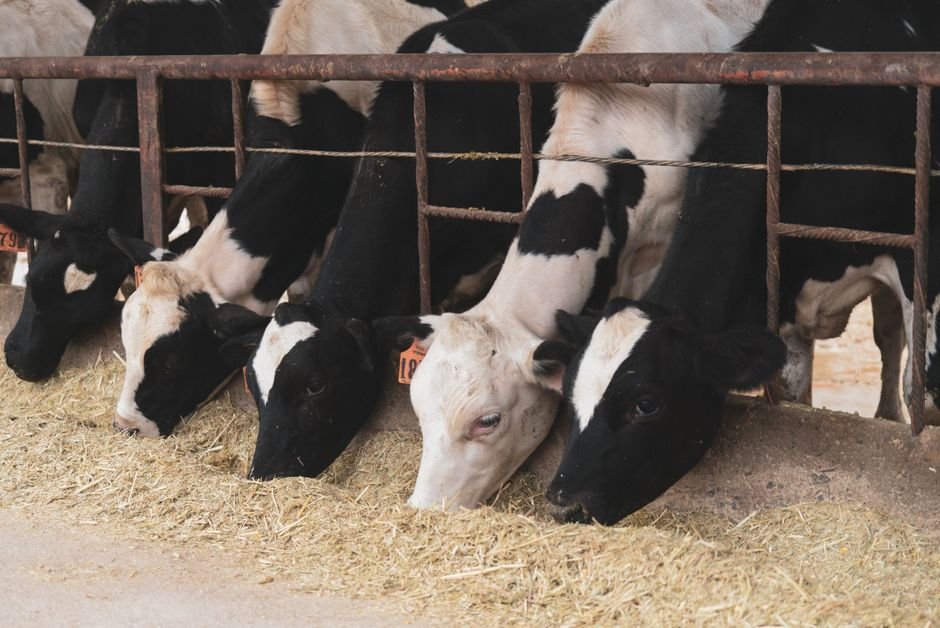
Holsteins are large animals with large appetites, and their ration has to match their stage of life. Growing heifers need enough energy and protein to reach breeding size without getting too fat, while milking cows need a balanced total mixed ration, or TMR, that supports milk yield without upsetting the rumen. Corn silage, alfalfa hay or haylage, corn grain, soybean meal, and a properly formulated mineral package are common parts of Holstein diets.
Fresh cows are the most vulnerable group on the farm. After calving, intake often lags behind energy demand, which increases the risk of ketosis, displaced abomasum, and poor fertility. Feed bunk management, consistent push-ups, and fresh feed delivery at the same times each day help cows keep eating. Water access is equally important; a lactating Holstein can drink a very large volume daily, so clean troughs and strong flow rates are not optional. If intake drops, milk drops soon after.
| Life stage | Main management goal | Common feed focus | Key watchpoints |
|---|---|---|---|
| Newborn calf | Passive immunity and early growth | Colostrum, milk or milk replacer, calf starter | Navel health, scours, dehydration |
| Growing heifer | Steady skeletal and frame development | Forage, grain, protein supplement, minerals | Overconditioning, uneven growth, parasite load |
| Dry cow | Prepare for calving and next lactation | Controlled-energy forage, close-up ration | Milk fever risk, body condition loss or gain |
| Milking cow | Maximize intake and milk output | TMR, effective fiber, energy and protein balance | Ketosis, acidosis, lameness, mastitis |
Design housing that protects comfort and cleanliness
Holsteins are big cows, so cramped stalls and crowded alleys quickly become a problem. Comfortable freestalls should let a cow lie down and rise without hitting rails, and bedding should stay dry enough to discourage mastitis-causing bacteria. Sand bedding is widely valued in dairy barns because it drains well and reduces pressure on hocks, though it requires equipment that can handle it. Deep-bedded packs can also work if they are managed carefully and kept dry.
Ventilation is one of the most underrated management tools. Cows handle heat poorly, and heat stress can reduce feed intake, milk production, and conception rates. Fans, ridge vents, open sides, and sprinklers are common in well-managed barns. In colder weather, dry bedding and draft control matter more than heat. The rule is simple: if the barn is wet, stuffy, or slippery, Holsteins will show it in milk, feet, and udder health very quickly.
For more on this, see our related guide: Optimizing Dairy Cow Feeding Schedule by Lactation Stage for Peak Milk Production.
Manage reproduction with a calendar, not guesswork
Holstein herd profitability depends on keeping cows calving at sensible intervals. A cow that stays open too long costs money in lost milk potential and delayed replacement planning. Heat detection, timed artificial insemination programs, and regular pregnancy checks are standard tools in modern dairy management. Many farms use activity monitors or pedometers to help catch heats that are easy to miss, especially in large groups.
Heifers should be bred once they reach the right size, not simply the right age. For Holsteins, many dairies aim to breed when heifers are around 55% to 60% of mature body weight, with the goal of calving at about 22 to 24 months if growth and management allow it. Overgrown heifers cost more to raise, while underdeveloped ones are more likely to struggle at calving. Good reproduction management is really growth management plus timing.

Control mastitis and keep udders clean
Mastitis remains one of the biggest losses in dairy herds, and Holsteins are no exception. The basics still matter most: clean bedding, dry teats, proper pre-milking teat prep, and post-milking teat dip. Milking equipment should be maintained to proper vacuum and pulsation standards, because worn liners and poor settings can injure teat ends and increase infection risk. A clean parlor routine is not cosmetic; it is a disease-control system.
Somatic cell count, or SCC, is a useful herd-level signal. Lower SCC generally indicates better udder health, while chronic high-SCC cows often need closer review, culture, or culling decisions. California Mastitis Test, individual cow records, and milk culture can help identify problem animals and recurring pathogens. Keep in mind that a cow with a swollen quarter, flakes in milk, or a sudden drop in yield needs prompt attention. Fast action protects both the cow and the bulk tank.
Watch feet, legs, and body condition every week
Lameness is expensive because it affects milk, fertility, and cow longevity at the same time. Holsteins are heavy, and feet problems often start with poor flooring, wet alleys, or long standing times. Hoof trimming on a regular schedule, comfortable lying space, and good traction help prevent claw horn lesions and digital dermatitis. If cows are reluctant to move or spend too much time standing at the bunk, the environment may be part of the problem.
Body condition scoring is another simple but powerful management tool. Holsteins should not swing from thin to overfat across the lactation cycle. Cows that calve too fat are more likely to have metabolic trouble after freshening, while cows that get too thin may show weaker heats and lower conception rates. Use scoring consistently and adjust feed groups before the herd drifts too far in either direction.
If you’re also looking into this, our article on Understanding Total Mixed Ration (TMR) for Dairy Cows: A Complete Guide covers it in more detail.
Use records to manage the herd, not just observe it
The best Holstein managers keep records that actually drive decisions. Track calving dates, milk yield, breeding dates, pregnancy checks, treatments, culls, and calf growth. Software systems used in dairy herds can flag cows that are overdue for breeding, at risk for ketosis, or slipping in production. Without records, problems are easy to notice but hard to solve.
Useful indicators include days in milk, pregnancy rate, cull reason, somatic cell count, calf average daily gain, and transition-cow disease rates. Those numbers show whether your feeding, reproduction, and cow comfort programs are working together. If a group of cows is consistently underperforming, the answer is rarely one single mistake. More often, it is a pattern: feed access, heat stress, poor bedding, weak transition management, or all four at once.
Plan for the dry period and the transition cow
The dry period is not a vacation; it is preparation for the next lactation. Dry Holstein cows need a controlled ration that maintains condition without overfeeding energy. Many farms separate dry cows into far-off and close-up groups so the diet can be adjusted as calving approaches. Close-up rations are designed to reduce metabolic shock and get the rumen ready for the high-energy lactation diet.
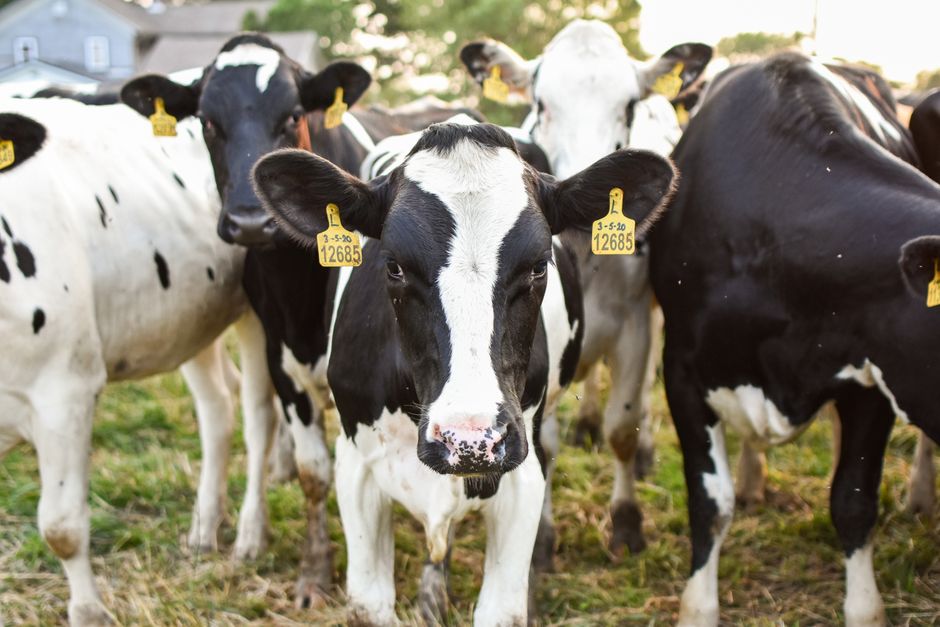
The transition period, roughly three weeks before to three weeks after calving, is the highest-risk window in the dairy year. Fresh cows may face milk fever, retained placenta, ketosis, metritis, and displaced abomasum. Good transition management includes clean maternity pens, close monitoring after calving, adequate bunk space, and prompt treatment when appetite or attitude changes. A strong transition program pays for itself because it protects the cow when she is most fragile.
Frequently Asked Questions
How much milk does a Holstein cow produce?
Holsteins are known for high milk output, but production varies widely by genetics, diet, comfort, and stage of lactation. On commercial dairies, mature Holsteins often produce far more milk than other common dairy breeds, especially when they are fed a well-balanced ration and kept cool, clean, and healthy. Genetics set the ceiling, but management decides how close a cow gets to it.
This ties in closely with Silage vs Hay: Which Is Better for Dairy Cows?, worth a look if you want to go deeper.
What is the best feed for Holstein cows?
There is no single best feed, because Holsteins need different rations as calves, heifers, dry cows, and milk cows. In lactation, a total mixed ration built around quality forage, enough fermentable energy, adequate protein, and proper minerals is the standard approach. The most important part is balance: too little energy lowers milk, while too much rapidly fermentable starch can trigger rumen problems.
At what age should Holstein heifers be bred?
Most Holstein heifers are bred when they are large enough to calve safely and raise a productive first lactation. Many farms target breeding once heifers reach about 55% to 60% of mature body weight, with calving around 22 to 24 months if growth is on track. Breeding too early can stunt performance, while breeding too late raises rearing costs.
How do you prevent mastitis in Holstein cows?
Preventing mastitis starts with clean, dry bedding, proper milking hygiene, and well-maintained equipment. Pre-dip, dry teats thoroughly, attach units correctly, and use post-dip after milking. Keep cows out of muddy, filthy conditions, and monitor somatic cell count and clinical cases so problem cows are identified quickly. Prevention is much cheaper than treating repeated infections.
Do Holstein cows need special housing?
They do not need exotic housing, but they do need enough space, good ventilation, dry bedding, and stalls that fit their size. Holsteins are large cows, so cramped pens and slippery floors create lameness and stress fast. A good barn should support lying time, easy movement, and airflow in hot weather, because comfort directly affects milk yield and herd health.
This article is for general information and isn’t a substitute for advice from a qualified veterinarian or dairy nutritionist.